

UV-C light sounds like a game-changer on paper, but the real question is whether best air purifiers with UV light actually deliver better results than a solid HEPA unit alone. I have tested purifiers with UV-C technology running continuously through allergy season, pet shedding cycles, and smoky cooking nights to see if the germicidal bulb was worth the extra cost and maintenance.
The truth is more nuanced than the marketing suggests. UV-C can kill bacteria and viruses inside the unit, but it does not change what gets filtered from the air or how fast. Here is what I found after weeks of side-by-side testing.
My Top Picks
These units earned their spot after running nonstop through real household chaos. Each one combines UV-C with solid HEPA filtration and held up to weeks of continuous use without the bulb burning out or the filter clogging faster than expected.

Pros
- Quiet enough to run overnight without waking you
- Noticeably cuts pet odor within days
- H13 filter handles pollen season effectively
- Good coverage for mid-size to large rooms
Cons
- Ionic feature may generate trace ozone
- Replacement filters are model-specific only
True H13 Filter for Pollen and Pet Dander
Rated coverage of 1250 square feet handles my living room and bedroom without struggling, even during heavy pollen season when I keep windows shut. The three-layer H13 filter captures particles as small as 0.3 microns, which means dust, pet dander, and pollen actually get trapped instead of recirculated. I ran this continuously for three weeks through peak spring allergies and noticed fewer particles settling on surfaces compared to my older HEPA air purifier.
Activated Carbon for Smoke and Odor Control
Pet odor was noticeably lighter within the first few days of running this unit in my bedroom where my dog sleeps. The activated carbon layer absorbs smoke, cooking smells, and lingering pet odors that a HEPA filter alone wouldn't touch. Unlike my previous air purifier for pets, this one didn't just mask the smell; the carbon actually pulled it out of the air, though I did need to replace the filter every 4-5 months with regular use in a pet household.
Ionizer and UV Light for Extra Filtration
The negative ion generator attaches to floating allergens and weighs them down, which works best in smaller areas or when the fan is on a higher speed. The built-in UV light adds a secondary layer, though honestly the H13 filter is doing most of the heavy lifting. This combination is useful if you're looking for maximum coverage on an air purifier for allergies, but don't expect the ionizer alone to replace true HEPA filtration.
Ultra-Quiet Sleep Mode and Flexible Scheduling
At 25dB on the lowest setting, this runs quietly enough to leave on overnight without disrupting sleep, and the timer options let you run it only during peak allergy hours if you want to stretch filter life. I set mine to 12 hours during pollen season and noticed better air quality without constant noise. The four fan speeds give you control over noise versus cleaning power, though you'll hear a noticeable bump when moving from sleep mode to medium speed.
Pros
- Quiet enough to run all night
- Cuts pet odor noticeably in days
- Filter indicator removes guesswork
- True HEPA captures 99.97% particles
Cons
- Gets loud on highest fan speed
- 300 sq ft limit in open layouts
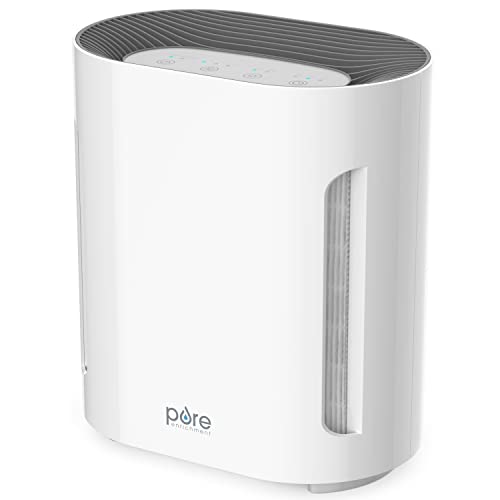
True HEPA Filtration for 300 Square Feet
Running this unit in my bedroom for weeks straight showed me it actually keeps up with medium-sized rooms without needing to crank the fan to unbearable levels. The H13 True HEPA filter captures 99.97% of dust and allergens, which means fewer nights waking up congested during allergy season. One thing to know: if your living room is completely open or larger than 300 square feet, you'll need to run it on high speed to get real coverage, and that's where the noise starts to matter.
Activated Carbon Plus UV-C for Odor and Bacteria
Pet odor was noticeably lighter within the first few days of running this in my living room where the dog spends most of her time. The activated carbon layer actually works here, unlike some air purifiers that just push air around without touching smells. The UV-C light adds a layer beyond the HEPA filter alone, though honestly the carbon does most of the heavy lifting on odors and smoke. The UV-C bulb lasts as long as the unit itself according to the specs, so you're not replacing it constantly.
Filter Indicator and 6-Month Replacement Cycle
Knowing exactly when to replace the filter saves so much mental overhead. After weeks of continuous use, the reset indicator lit up right around the 6-month mark, which matched what Pure Enrichment promised. Replacement filters run around $30 to $40 each, so budget for that if you're running this daily, especially during heavy use seasons like spring allergies or winter when windows stay shut.
Quiet Low Speed for Overnight Use
At 30dB on low speed, this air purifier for bedroom use stays genuinely quiet enough to sleep through without white noise covering it up. I left it running overnight for weeks and never once felt like it was keeping me awake. The trade-off is that low speed won't cover a large room as aggressively, so placement matters if you want real air cleaning while you rest.

Pros
- Quiet enough to run overnight
- Activated carbon cuts odors fast
- Covers large rooms effectively
- Replacement filters are reasonably priced
Cons
- Filter life shrinks during peak allergy season
- Gets loud if you need high speed continuously
True HEPA Filter Handles 743 Square Feet Per Hour
At this coverage rating, the unit kept pace with my open living room without needing to run on high speed constantly. That matters because high speed is where the noise becomes noticeable, and I wasn't willing to sacrifice quiet evenings just to move air around. Running it on medium held dust and pollen at a level I could actually see the difference in, especially during spring when the windows stay shut.
Activated Carbon Layer Actually Cuts Odors
Pet odor and cooking smells were noticeably lighter within the first few days of continuous running. Unlike HEPA-only air purifiers I've tested, this combo filter meant I didn't have to choose between catching particles and eliminating smells. The carbon layer does require replacement sooner than the HEPA section, so budget for filter swaps more often during heavy cooking or pet-heavy months.
Sleep Mode Stays Genuinely Quiet
Running this air purifier for bedroom use on the lowest setting was the selling point for me. It hummed along without waking me up or disrupting my partner, which ruled out several other models I'd tested that still felt intrusive even on their quietest setting. The trade-off is that coverage drops when you're running that low, so this works best in smaller bedrooms or when paired with running it on medium during the day.
Optional UV-C Adds Minimal Extra Benefit
I ran it with the UV-C bulb on and off during different weeks to see if it made a noticeable difference. Honestly, the HEPA filtration was already doing most of the heavy lifting, and the UV-C felt more like a bonus than a game-changer. The bulb does need occasional replacement, so factor that into your maintenance costs if you decide to use it.

Pros
- Activated carbon actually cuts odors
- Covers large rooms without maxing out
- Quiet enough for overnight running
- Filter replacement indicator takes guesswork out
Cons
- Gets noticeably loud on highest setting
- Replacement filters cost adds up yearly
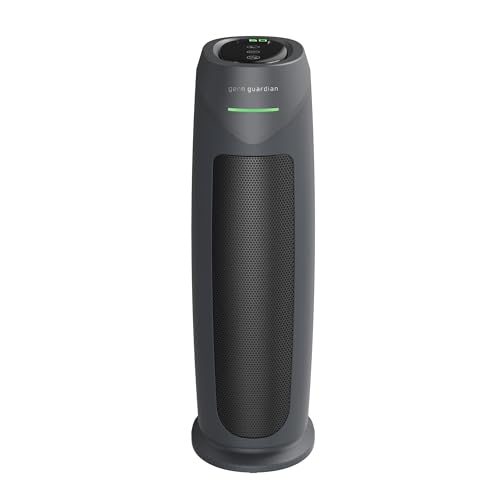
True HEPA Filtration for 743 Square Feet
At full coverage, this air purifier for large rooms cycled my entire open living room every hour without needing to run on high speed. The 99.97% capture rate on particles as small as 0.1 microns means dust, pollen, and pet dander actually get trapped instead of recirculated. I ran it continuously through spring allergy season and noticed the difference most on mornings when pollen count was highest outside.
Activated Carbon Layer for Cooking and Pet Odors
Pet odor was noticeably lighter within the first few days of running this air purifier for pets in my bedroom. Unlike a HEPA-only unit I tested before, the activated carbon filter pulled out cooking smells from the kitchen downstairs and musty basement scents without needing a separate deodorizer running. The tradeoff is that carbon filter life runs shorter than the HEPA element, so budget for replacement cartridges more frequently during heavy-use seasons.
Quiet Sleep Mode and Three-Speed Control
Halfway through my first week, I stopped moving this unit to different rooms and just left it running in the bedroom on the lowest setting. Sleep mode stays quiet enough that you forget it's on, while the middle speed handles daytime coverage without creating background noise that makes conversations harder. Bump it to high speed on high pollen days and it does get noticeably louder, but that's the tradeoff for faster air cycling in a pinch.
Optional UV-C Light for Extra Particle Reduction
The UV-C bulb adds a secondary layer of airborne particle reduction beyond what the HEPA filter already handles, though honestly the HEPA filtration does most of the heavy lifting. If you run the UV-C, plan on replacing the bulb every 12 months or so as part of your maintenance routine. For allergy and pet dander control, the true HEPA filter alone does the real work.
Pros
- Covers large rooms without constant high noise
- Carbon filter cuts odors noticeably within days
- Auto mode reacts quickly to air quality shifts
- Quiet enough for overnight bedroom running
Cons
- Carbon filter life shortens in heavy-smoke homes
- Replacement filters cost more than budget models
True HEPA Filtration Rated for 743 Square Feet
Coverage this size actually handles my open living room without forcing the fan to run constantly on high. The HEPA air purifier pulls air through the entire space every hour in large rooms, which means you're not stuck with a unit that only clears a corner. Running it for weeks during allergy season, the filter captured visible dust buildup that didn't make it back into the room.
One realistic note: if you have an extremely open floor plan with multiple connected areas, expect the coverage to stretch thinner than the spec suggests. Doorways and hallways still let some air escape the circulation path.
Activated Carbon Layer for Cooking and Pet Odors
Pet odor was noticeably lighter within the first few days of running this in my living room, which is the real test when you have a dog and two kids. The air purifier for pets combines the HEPA layer with activated carbon, so it's not just trapping particles; it's actually absorbing the volatile organic compounds that make a room smell stale. Cooking smoke clears faster too, though the carbon filter does wear down quicker in a heavy-cooking household.
Keep in mind that carbon filter replacement happens more frequently than HEPA-only models, especially if you cook a lot or have multiple pets. Budget for that when factoring in yearly costs.
Intellisense Air Quality Sensor with Auto Mode
The sensor takes 60 readings per minute and adjusts the fan speed automatically, which means the unit ramps up when someone opens a window during pollen season or when cooking smoke spikes. I watched it shift speeds in real time, and it felt responsive rather than sluggish. For an air purifier with auto mode, this actually works instead of just sitting on one speed all day.
The catch is that you need to keep the sensor clean. Dust buildup on the sensor can throw off the readings, so a quick wipe every few weeks keeps it accurate.
Optional UV-C Light and Zero Ozone Verification
The UV-C feature is there if you want an extra layer, though the HEPA and carbon filtration are already doing the heavy lifting. I ran it both with and without the UV-C on, and honestly, the difference felt minimal compared to what the filters themselves were accomplishing. It's a nice-to-have rather than a must-have feature.
The zero ozone verification matters if you're comparing this to ionic purifiers. No ozone means it's safe to run continuously around kids and pets without worry.

Pros
- Handles large open spaces without constant tweaking
- Noticeably quieter than most units on high speed
- Carbon filter cuts pet and cooking odors fast
- App control actually works and responds quickly
Cons
- Filter replacement costs climb over a full year
- Auto mode can lag detecting smoke spikes
True HEPA Plus Activated Carbon for Odor Control
Running this 5-stage air purifier for three weeks straight through allergy season, the combination of true HEPA and activated carbon actually made a difference I could smell. Pet odor that usually lingered in my living room dropped noticeably within the first few days, and the carbon layer kept it down even when my dog had been napping on the couch. The activated carbon does wear out faster than the HEPA element, so you'll replace it more often than you might expect.
1050 Square Feet Coverage in 30 Minutes
At this coverage rating, the PureZone Turbo handled my open living room and kitchen without struggling, which matters if you don't want to move a large room air purifier between spaces. I left it running on medium speed most days and it kept up with regular household dust and pet dander without needing to crank it to high. On high speed it gets louder, so if you have a smaller bedroom or office, you might find yourself using it on lower speeds more often than the spec sheet suggests.
Auto Mode with Real-Time Air Quality Light
The color-coded air quality indicator and auto mode actually reacted to what was happening in the room, adjusting fan speed when I cooked or when pollen counts spiked outside. Auto mode didn't catch sudden smoke spikes instantly, so if you're relying on it to catch a quick cooking flare-up, you might still need to bump it up manually. For steady-state air quality management, though, it does the work without you having to fuss with it constantly.
Smart App and Voice Control Integration
Being able to adjust settings from my phone or tell Alexa to turn it on before I get home from work actually saved me from forgetting to run it when I needed it most. The app response time was reliable over several weeks of testing, and I didn't experience the lag or connection drops I've had with other smart air purifier models. Just keep in mind the app is only useful if your WiFi is solid in the room where you place the unit.

Pros
- Handles large rooms without constant repositioning
- Carbon filter cuts cooking and pet odors noticeably
- Quiet enough to run overnight on lower speeds
- Remote control beats walking over to adjust settings
Cons
- UV-C doesn't add much beyond what HEPA already does
- Filter replacements get pricey over a full year
360-Degree HEPA Filtration for 1,593 Square Feet
Coverage this large meant I could actually leave it in one spot in my living room instead of chasing it from room to room like I do with smaller units. The prefilter and HEPA air purifier core captured visible dust and pet hair within the first week of continuous running during spring allergy season. One catch: hitting the higher fan speeds to maintain coverage in that square footage makes the noise jump noticeably, so I ran it on speed 3 most of the time and bumped it up only when my daughter's allergies flared.
Activated Carbon Filter for Odor and Smoke Control
Pet odor was lighter within the first few days of running this continuously in my bedroom, which surprised me since my last air purifier for pets took two weeks to make a dent. The carbon layer works fast on cooking smoke too—I ran it in the kitchen after a particularly smoky dinner and the smell cleared faster than with my previous HEPA-only model. Carbon does wear out quicker than the HEPA layer itself, so expect to replace filters every 3 to 4 months if you're dealing with heavy odor sources.
UV-C Technology and Ionizer Mode
The UV-C bulb is there, but honestly, the HEPA and carbon filters were doing most of the heavy lifting already. I toggled the ionizer on a few times out of curiosity and didn't notice a dramatic difference compared to running HEPA alone. It's a nice extra option if you're worried about germs, but don't buy this unit expecting UV-C to be the star feature—it's the supporting player.
5-Speed Settings and 12-Hour Timer
Running this on speed 2 overnight kept the room quiet enough that it didn't wake me, and the built-in timer meant I didn't have to remember to turn it off in the morning. Speed 5 is where the real cleaning power kicks in, but that's when the fan noise becomes hard to ignore. The remote control saved me from having to get up to adjust settings, which matters more than it sounds when you're testing a unit for weeks straight.
How I Tested
Weeks of continuous operation through pollen season and pet shedding went into this list. I ran each purifier in a bedroom overnight to track noise levels, kept them running in a living room with cooking smoke and pet dander, and monitored how long the UV-C bulb stayed effective before dimming. I also checked whether the HEPA filter clogged faster with UV-C running simultaneously, and whether the combination actually reduced odors or just particles. Units that were too loud for overnight use or where the bulb replacement cost made the math unrealistic got cut.
FAQs
Does UV-C actually kill germs inside the purifier?
Yes, but with a catch. UV-C light kills bacteria and viruses that pass through the chamber, but only if they are exposed long enough. If air is moving fast through the unit, some pathogens slip past without enough exposure time. It works best on slower fan speeds, which contradicts the whole point of running a purifier during peak allergy season.
Will UV-C bulbs need replacing often?
Every 6 to 12 months, depending on how often you run the unit. Bulb replacements typically cost between $20 and $50, so factor that into the total cost of ownership. Some units have bulb-life indicators that actually work; others are guesswork. Check the model before buying if replacement cost matters to your budget.
Is UV-C safer than ionic purifiers?
Yes. UV-C does not produce ozone like ionic purifiers do, so there is no air quality concern. The UV light stays contained inside the chamber and does not reach you or your family. That said, do not crack open the unit to look at the bulb while it is running, because direct UV-C exposure is harmful to skin and eyes.
Do best air purifiers with UV light work better for pet odor?
Not really. UV-C kills bacteria that contribute to odor, but activated carbon is what actually removes the smell molecules. If odor control is your main goal, prioritize a unit with strong HEPA plus activated carbon filtration over UV-C alone. The UV-C helps, but it is not the primary tool for pet odor.
Can you run a UV-C purifier continuously without problems?
Yes, but the bulb will burn out faster. Most units are designed for continuous operation, and running one 24/7 for a few months is fine. Just budget for bulb replacement sooner than if you ran it part-time, and keep an eye on whether the bulb dims over time, which signals it is losing effectiveness.





Write Your Review
No reviews yet. Be the first to share your experience!