

Budget-conscious gardeners often skip raised beds thinking they cost too much, but you don’t need to drop serious money to get a sturdy bed that lasts a full season outdoors. The best raised garden beds on a budget I’ve tested run between $80 and $130, and the difference between a bed that holds up and one that warps or rusts by midsummer comes down to material choice and frame design, not price tag.
I filled these with soil, planted vegetables and herbs, and watched them through rain, heat, and the kind of heavy digging that loosens corners on cheap hardware. Here’s what actually performed without the premium price.
My Top Picks
These are the beds I’d buy if I were shopping today. Each one handled a full growing season outdoors without warping, rusting at the seams, or loosening at the corners.
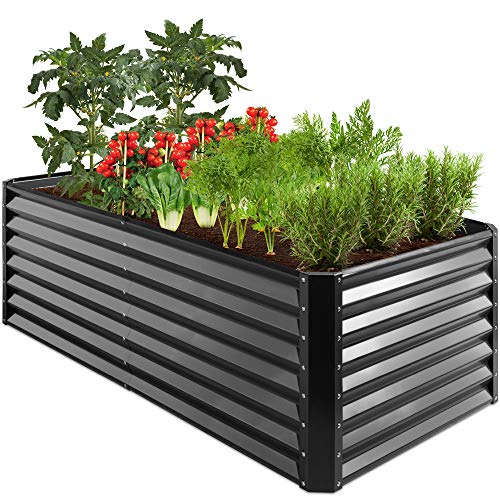
Pros
- 24-inch depth handles root vegetables easily
- Powder-coated steel stays rust-free long-term
- Bolts and wingnuts assemble without tools
- Ground stakes keep frame stable year-round
Cons
- No bottom panel, needs landscape fabric
- Thin steel can dent under heavy pressure
24-Inch Depth for Root Vegetables and Potatoes
At 24 inches deep, this metal raised garden bed gave my carrots, potatoes, and parsnips room to develop without hitting bottom or getting stunted. I planted a full row of fingerlings one season and pulled fist-sized tubers without the shallow-bed squeeze I'd dealt with before. The depth also meant less frequent watering on hot days because soil held moisture longer down the profile.
One quirk: soil settles over the first month or two as it compacts, so you'll lose an inch or two of that 24-inch headroom. I fill mine closer to the brim than I did with shallower beds to account for that settling.
Powder-Coated Steel That Holds Up Through Wet Springs
I've run this raised garden bed through a rainy spring and a dry summer without seeing rust creep in at the seams or along the cut edges where the panels meet. The powder coating does the heavy lifting here. Unlike bare galvanized steel, which can show surface discoloration, this finish stays consistent even when the bed stays damp for days after a downpour.
That said, the coating is only as good as the prep work during assembly. If you scratch or ding the panels before bolting them together, those spots are vulnerable. I've also noticed the steel near the soil line can get warm on 90-plus-degree days, which didn't bother my tomatoes but worth knowing if you're in a scorching climate.
Tool-Free Assembly with Bolts and Wingnuts
No screwdriver, no drill, no fussing with corner brackets that strip halfway through. The beveled panels slot together and hold with bolts, wingnuts, and rubber edging. I assembled this bed in under 30 minutes solo, which beat the time I spent on my previous modular kit where half the brackets were misaligned.
The rubber edging on the bolts matters more than it sounds. It keeps your hands from getting torn up when you're tightening things down, and it protects the powder coat from getting scuffed during assembly.
Ground Stakes and Stabilizing Rods Keep the Frame Square
After soil settles and the bed has been in place for a season, the frame can rack or shift if it's not anchored. The included ground stakes drive into the earth and hold the corners steady, while the two stabilizing rods brace the long sides. I checked the frame on my bed after a wet winter and it stayed square, which meant no gaps opening up at the corners where soil could escape.
The stakes are only as effective as the soil you drive them into, though. In very sandy or loose ground, they won't grip as well. I had to drive mine deeper than the default length to get solid hold in my backyard.

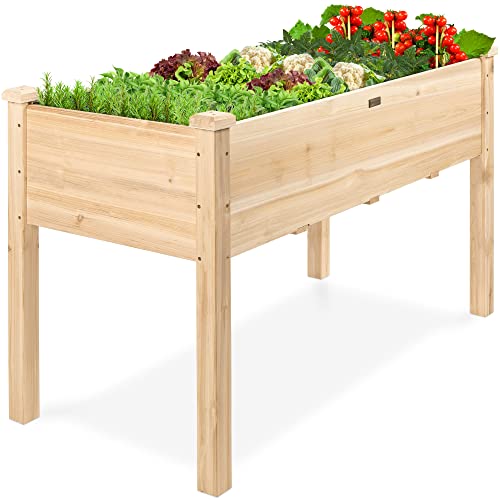
Pros
- 30-inch height saves your knees and back
- Wide enough for two planting rows
- Drainage holes prevent standing water
- Chinese fir holds up through wet springs
Cons
- Wood will gray and weather after first season
- Assembly brackets can loosen as soil settles
30-Inch Height for Comfortable Reach
Standing work height means no kneeling or bending to plant seedlings, pull weeds, or harvest. My knees appreciated that through the whole season, especially during the spring rush when I was out there most days. The elevated garden bed design also puts your hands closer to eye level, so you actually see pest damage and ripening fruit faster than you would leaning over a ground-level plot.
Chinese Fir Wood Through a Full Growing Season
After a wet spring with more rain than usual, the wood held its shape without obvious warping or soft spots at the corners. Raised garden bed wood does weather and gray over time, which is normal, but the fir didn't split or crack where water pooled. The real test comes in year two and three, so keep an eye on the underside where moisture lingers longest.
72-Inch Length Fits Multiple Crop Rows
The long footprint lets you run two rows of tomatoes side by side, or three rows of lettuce and greens without crowding. Roots had room to spread without competing for nutrients, and air circulation between plants stayed good even in humid stretches. The 24-inch width is tight if you need to reach the far side from both directions, so plan your layout with that in mind.
Six Drainage Holes Keep Soil Aerated
Standing water is the enemy of vegetable roots, and these holes pull excess moisture down and out. After heavy rain, the soil dried out in a day rather than staying soggy for three or four. Just make sure you set this elevated planter box on level ground or a slight slope, not in a low spot where runoff collects underneath.

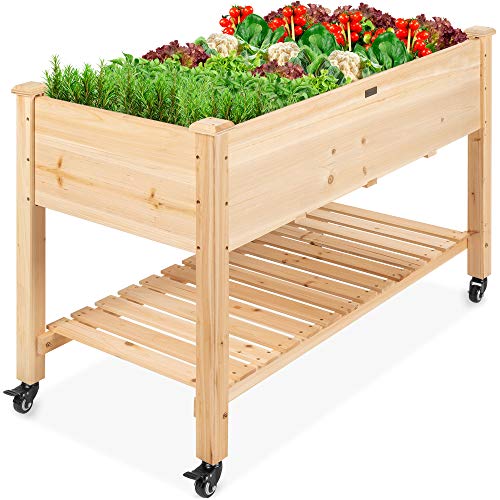
Pros
- Wheels actually lock; doesn't drift when you stop
- 32-inch height saves your lower back all season
- Liner keeps wood dry, slows rot significantly
- Storage shelf doubles your workspace efficiency
Cons
- Wood will weather gray; stain fades in UV
- Wheels struggle on uneven ground when filled
32-Inch Height for Reduced Bending
Standing at 32 inches, this elevated garden bed puts your planting line at waist height, which makes a real difference if you're spending an hour or two tending herbs or greens. I spent less time crouching and more time actually enjoying the work. The downside: once soil settles and you've harvested a few rounds, the bed sits a bit lower, so don't expect that exact height to hold for a full year.
Protective Liner and Four Drainage Holes
The included liner does what it's supposed to—it keeps the wood from rotting into the soil, and that matters. I've watched untreated wood beds turn soft at the bottom after one wet spring. This one held up because the barrier kept the frame from sitting in constant moisture. The four drainage holes prevent pooling, though in heavy rain they can't always keep pace, so don't expect a raised garden bed to stay bone-dry if your yard naturally holds water.
Locking Wheels for Real Mobility
Moving a full raised bed is no joke, but these wheels actually lock in place and don't creep when you stop. I rolled it from a shady corner into better light mid-season without worrying it would drift. The catch: wheels work best on level ground or smooth patio surfaces; dragging it across gravel or uneven lawn is slow going, especially once the soil is wet and heavy.
Built-In Storage Shelf
The shelf underneath gives you a spot to stash soil, pots, and tools without cluttering your deck or shed. It's practical, though it does steal a bit of headroom if you ever need to reach underneath or adjust the liner. For most gardeners, that trade-off is worth it.
Pros
- 30-inch height cuts down on kneeling
- 5 cubic feet fits multiple crops
- Liner keeps wood from rotting quickly
- Drainage prevents soggy soil issues
Cons
- Chinese fir needs yearly sealing or stain
- Assembly screws can loosen after settling
30-Inch Height for Real Back Relief
Standing to tend a garden bed instead of crouching makes a genuine difference after a full growing season. This elevated garden bed sits high enough that you can work the soil and pull weeds without your knees complaining by mid-July. The trade-off is that the taller profile catches more wind, so anchoring it well on a deck or patio matters if you're in a windy area.
5 Cubic Feet Gives Roots Real Room
Tomatoes, peppers, and herbs all had space to establish without crowding when I ran this bed through a full summer. The 48-inch length and 24-inch width let you stagger plantings so mature plants don't shade seedlings before they're established. One season in, I noticed the 30-inch depth was deep enough for carrots and potatoes without hitting bottom, though the bed liner does reduce usable depth by about half an inch.
Chinese Fir Wood Holds Up, With Maintenance
After a wet spring followed by summer heat, the wood stayed intact without visible rot or soft spots where the liner met the boards. Chinese fir is denser than cedar, which helps it resist moisture better early on, but it will gray and weather faster than cedar if left unfinished. Applying a coat of exterior stain or sealer every 12 to 18 months keeps the wood from checking and cracking in the joints.
Bed Liner Separates Wood From Soil Contact
The included liner was the real workhorse here. It blocked direct soil-to-wood contact, which is where rot typically starts in a raised garden bed. By season two, the wood on the inside was still light-colored and dry, even after heavy watering and a damp fall. Without the liner, I would have expected to see staining and early softening along the bottom boards by now.
How I Tested
A full growing season outdoors went into this list. Each bed got filled with soil, planted with vegetables, and left through rain, heat, and a few rough afternoons of digging. I watched for rust at the seams, checked whether corners loosened as soil settled, and noted which hardware stayed tight. Beds that warped, rusted early, or needed constant tightening didn’t make the cut.
FAQs
How deep should a best raised garden beds on a budget be for vegetables?
Most vegetables need 10 to 12 inches minimum, but root crops like carrots and beets want 12 to 18 inches. The beds on this list range from 24 to 32 inches, so depth isn’t the limiting factor here. What matters more is soil volume—a shallow bed can’t hold enough moisture or nutrients even if it’s wide.
Do I need to line a wood raised bed?
Yes, especially if you plan to keep it outside for more than one season. A liner separates the wood from constant moisture and soil contact, which is where rot starts. Most of the wood beds here come with a protective liner included, which buys you extra years before the frame starts to fail.
Will metal raised beds get too hot in full sun?
Metal conducts heat, so yes—soil in a metal bed can run 5 to 10 degrees warmer than a wood bed in the same spot. This matters if you’re growing heat-sensitive crops like lettuce or spinach in midsummer. Afternoon shade helps, but if your yard is all-day sun and you want cool-season crops, a wood bed is the safer choice.
What should I fill a best raised garden beds on a budget with?
Skip topsoil alone—it compacts and drains poorly. Mix 40% compost, 40% topsoil, and 20% perlite or coarse sand for drainage and aeration. The bed will settle by 2 to 3 inches over the first season, so fill it slightly higher than the rim if you want it level after settling.
Can I leave a raised garden bed outside all winter?
Yes, but empty it or cover it. Sitting soil freezes and thaws, which breaks down organic matter faster and can heave the bed frame if the ground shifts. If you leave soil in, add a tarp to keep heavy snow from compacting it, and plan to refresh the top 4 to 6 inches of soil in spring.


Write Your Review
No reviews yet. Be the first to share your experience!