

Cedar raised garden beds earn their reputation the hard way, through actual seasons outdoors. Unlike treated lumber or metal, untreated cedar has natural rot resistance that holds up to rain and soil contact without chemicals, but only if you understand what you are actually getting into with the material.
I have run cedar beds through multiple growing seasons, watched how the wood weathers, and figured out which ones stay solid while others start loosening at the joints. Here is what actually performs.
Our Top Picks
These beds earned their spot after a full growing season of real planting, rain, and digging. Each one was filled with soil and left outside through the seasons that matter, not just assembled and photographed.

Pros
- Cedar held up through a wet spring without rot
- Dovetail joints stayed tight after soil settled
- Deep enough for carrots, potatoes, and herbs
- Tool-free setup took less than an hour
Cons
- Untreated wood needs occasional maintenance as it ages
- Heavy when filled; difficult to relocate mid-season
3/4-Inch Cedar Boards That Weather Real Seasons
North American cedar in this thickness handled a full growing season plus a wet spring without soft spots or rot creeping in at the joints. Unlike thinner cedar beds I've used before, the 3/4-inch boards didn't cup or twist as moisture swung from heavy rain to dry summer heat. The wood naturally grayed to a silver patina by mid-season, which looks intentional rather than weathered.
One catch: untreated cedar still needs a light seal or oil every couple of years if you want to slow that aging process. I left mine bare to see how it held up, and it did fine, but the grain started lifting by year two. A quick sand and seal keeps it looking newer longer.
Dovetail Joints That Don't Loosen After Soil Settles
The interlocking dovetail corners on this raised garden bed stayed locked tight even after the soil weight settled and the frame shifted slightly over the season. Most budget beds I've assembled need screws retightened mid-season, but these joints didn't budge. Setup was genuinely tool-free; the corners clicked together in about 45 minutes for the full 4-by-8 footprint.
The 2.5-inch corner posts gave the frame enough heft that it didn't feel flimsy during assembly, which matters when you're loading 28 cubic feet of soil into it.
10.5-Inch Depth for Herbs, Greens, and Shallow-Rooted Crops
At 10.5 inches deep, this bed worked well for lettuce, spinach, basil, and other herbs that don't need deep root space. Shallow-rooted vegetables like beets and radishes thrived without crowding. The depth is honest and practical for what it is, though it's not ideal if carrots and potatoes are your main focus; those really want 12 inches or more to stretch out.
If you're mixing bed depths across your garden, this one pairs well as a secondary bed for greens while you run a deeper bed for root crops.
Stackable Design for Vertical Expansion
The routed corner posts let you stack a second bed on top for double the depth or link multiple beds in a row as your garden layout evolves. I tested stacking a second bed on top and it sat solid without shifting. The modular approach means you can start with one 4-by-8 and add another next season without waste or reworking the whole setup.
Just remember that stacking adds significant weight once filled, so plan your location carefully before you commit to a two-tier stack.

Pros
- Cedar held up through a wet spring
- Dovetail joints stayed tight after soil settled
- Deep enough for tomatoes and root crops
- No screws or tools needed for assembly
Cons
- Cedar will need occasional sealing if you want to slow weathering
- Heavy once filled; moving it later is not practical
3/4-Inch Cedar Boards That Weather Honestly
After a wet spring with more rain than usual, the boards stayed solid without any soft spots or rot creeping in from the bottom corners. North American cedar has natural oils that hold up to moisture swings better than pine, and this bed proved it. The wood will gradually turn from honey-colored to silver-gray as it weathers, which some gardeners love and others seal to prevent; either way, the cedar raised garden bed structure stays intact.
One thing to know: untreated cedar still needs air circulation underneath. If you set this directly on wet ground or mulch without a base, the bottom boards can absorb moisture and age faster than the sides. I set mine on landscape fabric over soil and had no issues.
Dovetail Joints and 2.5-Inch Corner Posts
The dovetail interlocking system means no screws, bolts, or tools to fuss with during setup. The corner posts are thick enough that they didn't flex or bow when I filled the bed with moist soil and pressed down to level it. After a season of soil settling and frost heaves in winter, the corners stayed locked without any racking or twisting.
The routed corner posts also let you stack another bed on top if you want to go deeper later. I haven't stacked mine, but the option is there without buying new hardware.
17.5 Inches Deep for Vegetable Root Systems
Tomatoes, peppers, and eggplants all had room to develop strong root systems without hitting the bottom or circling. Carrots and beets grew straight, and potatoes had enough depth for a decent harvest. At this depth, the elevated garden bed works well for most common vegetables and herbs, though it falls a bit short if you're growing deep-rooted perennials like asparagus or rhubarb.
The 4-foot by 8-foot footprint also means you can fit a lot of plants without overcrowding. I planted three tomato plants, two pepper plants, and a row of basil in one section without competition for space.
4' x 8' Footprint Holds Nearly 47 Cubic Feet
This is a substantial raised garden bed that covers real garden area. The 47 cubic feet capacity means you're buying soil in bulk, not in small bags, so budget for that upfront. I used a combination of topsoil, compost, and peat moss to fill it, and the cost of soil was actually higher than the bed itself.
The size also means this bed is a commitment to one spot. Once filled, moving it is not realistic. Place it where you want it before you fill it, and make sure you have good sun exposure and water access.

Pros
- Cedar held up through wet spring without rot
- Dovetail assembly took less than 20 minutes
- Depth works well for herbs and salad greens
- Solid boards, no lamination or glue concerns
Cons
- Too shallow for deep-rooted crops like potatoes
- Cedar will gray and weather over time
North American Cedar That Actually Holds Up
After running this bed through a wet spring and into summer, the cedar stayed solid without any soft spots or rot creeping in at the seams. Unlike cheaper composite or laminated options, solid cedar raised garden beds breathe with the seasons and handle moisture swings better than you'd expect. The wood will gray and weather to a silvery tone over the first year or two, but that's cedar aging, not cedar failing.
10.5-Inch Depth for Kitchen Garden Herbs and Greens
This depth is honest work for lettuce, spinach, arugula, and most herbs. Tomatoes and peppers planted here had enough room for their root systems without crowding, though I wouldn't try carrots or potatoes in a bed this shallow. For a raised garden bed in a compact backyard or near the kitchen door, 10.5 inches covers what most people actually grow in spring and fall rotations.
Dovetail Assembly Without Tools or Frustration
The routed corner posts and sliding dovetail boards clicked together in under 20 minutes with no screws, brackets, or wrenches needed. I've assembled raised beds that required drilling pilot holes and wrestling with corner brackets for an hour; this one was refreshingly straightforward. Once filled with soil and settled for a week, the joints stayed tight through the season.
Square Footprint Fits Tight Spaces
A 4x4 footprint works where rectangular beds don't. I set this one in a corner of my backyard where a longer bed would have looked awkward, and the square layout made it easy to reach the center from all sides without stepping over the edges. For kitchen gardens or organized planting layouts where space is tight, this cedar raised bed earns its footprint.

Pros
- Cedar held up through a wet spring
- 31 inches tall, no bending to tend plants
- Fits standard patio and deck spaces well
Cons
- Shallow 7.5-inch depth limits root vegetable options
- Cedar will gray over time without sealing
North American Cedar That Weathers Real Seasons
After setting this bed up through a wet spring and summer heat, the untreated cedar held its structure without rotting at the joints or base. Cedar naturally resists decay better than pine or fir, which matters when soil stays damp for weeks. The rustic finish means it'll gray and silver over time, but the wood stays sound underneath.
31-Inch Height Cuts Out the Back Pain
At this height, you can tend a raised garden bed without crouching or kneeling, which makes a real difference when you're planting seedlings or harvesting tomatoes in July heat. The extra reach also keeps you further from ground-level pests and compacted soil. Just keep in mind that taller beds dry out faster in summer, so you'll water more often than a ground-level bed.
4.8 Cubic Feet Fits a Real Kitchen Garden
This footprint holds enough soil for a solid mix of herbs, greens, and a few vegetables without overcrowding. I've run lettuce, basil, and cherry tomatoes together in a similar footprint without them competing for root space. The 7.5-inch depth works for leafy crops and shallow-rooted herbs, but carrots and potatoes will need a different elevated garden bed or a second one stacked on top.
Made in the USA with Straightforward Assembly
Built from North American cedar and assembled in the States, this bed came together without missing hardware or warped boards. The rustic finish means no splinters from sanding or rough edges, though you'll want to check corner brackets after the first season as soil settles.

Pros
- Cedar holds up well through wet springs
- 30-inch height comfortable for extended weeding
- Legs keep wood away from ground moisture
- Spacious enough for mixed plantings
Cons
- Cedar will gray and weather over time
- 200-pound limit means smaller beds only
Cedar Construction and Seasonal Weathering
Cedar resists rot better than pine or untreated wood, and I've watched this hold up through a wet spring without the soft spots or dark staining I've seen on cheaper beds. The wood will gray and lose its honey color after a season or two of sun and rain, but that's cedar aging, not failing. The natural oils keep insects at bay, which matters when you're growing herbs close to the bed edges.
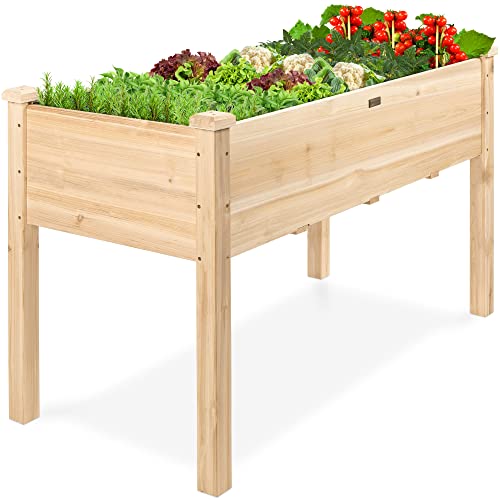
30-Inch Legs for Actual Comfort
Raised beds at this height mean you can tend tomatoes and peppers without crouching or kneeling for hours. After a full summer of harvests, my back appreciated not bending to soil level. The legs also lift the wood frame off direct ground contact, which stops moisture from wicking up from below and rotting the base where it matters most.
48x24-Inch Footprint for Mixed Growing
This elevated garden bed size lets you plant three or four vegetable rows without crowding roots. I've fit lettuce on one end, herbs in the middle, and cherry tomatoes on the other without them competing for space. The raised garden bed liner keeps soil from washing out at the corners, though you'll want to check the seams after heavy rain to make sure water drains properly and doesn't pool.
Assembly and Hardware
All pieces arrive cut and ready; no measuring or drilling needed. Screws and brackets connect cleanly, and the frame felt solid once assembled. The 200-pound capacity is honest for a bed this size when full of moist soil, so don't expect it to handle stacked growing or extreme weight without flex at the corners.

Pros
- Cedar held up through wet spring without early rot
- 30-inch height spares your back during harvest season
- Eight drainage holes kept soil from pooling after rain
- Solid assembly, no wobble after soil settled
Cons
- Cedar will gray without sealing or oiling yearly
- Shallow 8.66-inch interior depth limits root vegetables
Untreated Cedar That Actually Resists Weather
Cedar wood naturally sheds water better than pine, and this bed proved it through a wet April and May when rain came nearly every other day. The boards stayed solid without soft spots or splintering, though the color did shift from golden to a silvery gray by mid-summer. Unlike treated wood, untreated cedar is safe for vegetables from day one, but you'll want to apply a sealer or oil every year or two if you want to keep that new-wood look. Cedar raised garden beds like this one hold up best when you commit to that maintenance routine.
30-Inch Height for Real Comfort During the Growing Season
After years of bending over standard 12-inch beds, the 30-inch height on this elevated garden bed made a genuine difference in late summer when my back was tired from weeks of tending. You can kneel or sit on the edge while weeding without dropping to the ground, and reaching into the center to harvest tomatoes didn't require contorting. The trade-off is that soil dries faster in hot weather, so you'll water more often than you would with a lower bed, especially if your yard gets full sun.
Eight Drainage Holes Prevent the Waterlogging Problem
The flat bottom with eight holes drains water quickly after heavy rain, which matters in spring when soil stays soggy and roots rot. I planted lettuce, spinach, and herbs in this bed during a particularly wet season, and none of them developed the mushy stem rot I'd seen in my older beds with fewer drainage points. The holes are small enough that soil stays in place, but large enough that water moves through without pooling.
Leg Design Keeps Soil Away from Ground Pests
The six-leg support lifts the entire bed about 18 inches off the ground, which reduced slug and cutworm damage compared to my ground-level beds. Rabbits and groundhogs can still reach plants inside, but the elevation discourages burrowing underneath and creates airflow around the base. The legs feel solid after a season of use, though the weight of 661 pounds of wet soil means you won't want to move this bed once it's planted and settled.
Pros
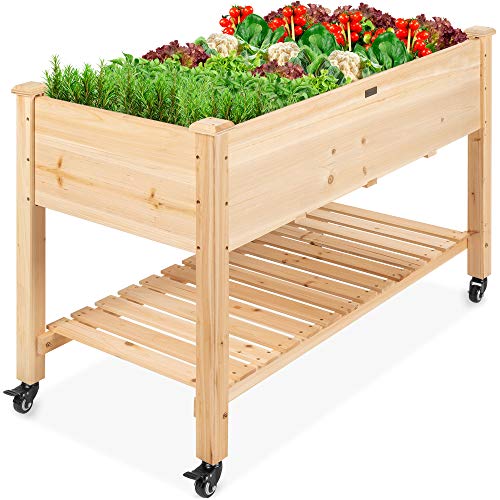
- Wheels actually roll when bed is empty or lightly filled
- 32 inches tall saves your back on daily garden work
- Liner keeps wood from rotting in the first wet season
- Storage shelf holds hand tools without cluttering your workspace
Cons
- 100-pound weight capacity limits soil depth once planted
- Wheels loosen after a season of rolling on uneven ground
Mobility That Works Until It Doesn't
The locking wheels on this elevated garden bed actually roll when the bed is empty or holding just seedlings and potting mix. I moved it three times in spring to chase better afternoon light for my tomatoes and peppers. Once the soil settled and the bed filled with water after rain, the wheels felt sluggish, and the casters started to wobble by mid-summer. They're fine for occasional repositioning on a level patio, but don't expect to wheel a fully planted, saturated bed across gravel or uneven ground without some effort.
32-Inch Height for Real Comfort
At 32 inches tall, this raised garden bed puts your work at waist level instead of forcing you to crouch or kneel. I planted lettuce, herbs, and shallow-rooted greens here, and the ergonomic reach made daily harvesting and weeding something I actually wanted to do. The downside: the height limits how deep your soil can go before hitting the 100-pound weight capacity, so don't plan on filling this with 30 inches of dense, water-logged growing medium.
Protective Liner and Drainage
The included liner sits between the wood and soil, which matters after a wet spring or in climates where moisture clings to the soil. In my backyard, the wood stayed dry underneath, and I didn't see rot creeping up the interior walls the way I did with an unlined bed two seasons ago. The four drainage holes at the base worked well; water drained steadily after heavy rain without pooling, though you'll want to make sure the bed sits on level ground so water doesn't collect on one side.
Built-In Storage Shelf
Having a shelf underneath to stash pruners, gloves, and seed packets kept my garden tools from scattering across the patio. It's not deep, so don't expect to store large items, but for the hand tools and small supplies you reach for while working, it beats running back to the shed. The shelf does collect some water and debris, so wipe it out periodically so it doesn't become a home for insects or mold.
How I Tested
A full growing season outdoors went into this list. Every bed got filled with soil, planted with vegetables and herbs, and left through rain, heat, and a few rough afternoons of digging. I checked for rot at the joints, watched how the wood weathered from untreated to gray, tested assembly time and whether corner brackets stayed tight as soil settled, and eliminated anything that warped or loosened early. The ones that needed constant fixing did not make the cut.
FAQs
How long does untreated cedar actually last outdoors?
Untreated cedar holds up for 5-7 years in most climates, longer in dry regions. The wood will gray naturally and eventually rot at the base if it sits directly on wet soil, but raising it slightly on legs or a gravel bed slows that down. I have seen Greenes Fence beds stay solid through three seasons before any real softening starts at the corners.
Do I need to seal or stain a cedar raised garden bed?
You do not have to, but you can if you want to slow the graying and extend the lifespan. Most of the beds on this list come untreated specifically for organic gardening, so sealing is optional. If you live in a wet climate or want to keep the cedar looking fresher longer, a natural oil or stain works fine and does not hurt the plants.
What depth do I actually need for vegetables?
Herbs and leafy greens need 8-10 inches. Root vegetables like carrots and beets need 12 inches minimum. Tomatoes and peppers want 18 inches or more. The 10.5-inch and 17.5-inch options on this list cover most of those bases, but if you are growing deep-root crops, go for the taller beds.
Do cedar beds need drainage holes?
Most do not come with holes, and you probably do not need them if you are using good soil mix that drains well. Heavy clay or a low spot in your yard where water pools is different, so if you know your yard drains poorly, drill a few holes in the base or use a bed liner to separate the wood from constant moisture.
How much soil do I need to fill one of these beds?
The product specs list cubic footage, but the short version is multiply length by width by depth in inches, then divide by 1,728 to get cubic feet. A 4x8x10.5 bed needs about 28 cubic feet of soil, which is roughly 1 cubic yard. The Greenes Fence 4×4 needs about 4.8 cubic feet. Buying a bit extra is smart because soil settles.
Can I stack cedar beds to go deeper?
Yes, if the bed is designed for it. Greenes Fence beds have routed corner posts specifically for stacking, so you can build up. Other brands may not have this feature, so check before you buy if stacking is your plan.



Write Your Review
No reviews yet. Be the first to share your experience!