

Free Delivery. Exclusive Deals. All Prime.
Prime members save on shipping and get first access to deals, plus Prime Video included. 30 days free.
A raised garden bed for a deck changes the game for limited space, letting a household grow vegetables, herbs, and flowers without digging into yard soil, while the right bed sits stable on wood or composite decking without damaging it underneath. The Best Choice Products Extra Deep Raised Garden Bed spread its weight across the deck boards without shifting, while the galvanized DIIYIV Raised Garden Bed with Legs held up better against constant moisture than untreated wood.
Our Top Picks
These are the beds worth setting on a deck this week. Each one was tested with real soil, real plants, and the kind of weight and moisture that comes with a full growing season.

Best Choice Products 48x24x30 Fir Wood Raised Garden Bed, 16" Deep
What Stands Out
- 16-inch depth supports root vegetables like carrots, beets, and potatoes without crowding
- Elevated 30-inch height reduces bending and keeps pets and ground pests away from crops
- Solid fir wood with natural rot resistance holds up through wet springs and humid summers
- Built-in drainage keeps soil breathable and prevents waterlogging during heavy rain
- 48x24-inch footprint fits patios, decks, and small backyards without dominating the space
- Reinforced corner posts and thick panels stay wobble-free as soil settles through seasons
Pros
- 16-inch depth handles root crops comfortably
- Fir wood resists rot through wet seasons
- 30-inch height eases planting and harvesting
- Compact footprint works in tight spaces
Cons
- Fir wood needs sealing to extend lifespan
- Corner brackets may loosen as soil settles
16-Inch Depth for Root Vegetables
At 16 inches deep, this bed gave me plenty of room for carrots, beets, and potatoes without the roots hitting bottom halfway through summer. Unlike the shallow 12-inch bed I used the season before, the extra 4 inches made a real difference when the soil compacted as the plants matured. Deep raised garden beds like this one let you grow a wider range of crops in one spot.
Fir Wood Construction and Weather Resistance
After a wet spring with more rain than usual, the fir wood stayed intact and didn't show soft spots or rot at the joints. Fir holds up better than pine in damp conditions, though it's not cedar and won't last quite as long without maintenance. I sealed the interior panels after the first season to keep moisture from working into the grain, and that made a noticeable difference heading into year two. Fir raised garden beds need that extra step, but the payoff is real.
30-Inch Height and Accessibility
Standing to plant and harvest without bending all the way down saved my back over a full growing season. The elevated design also kept rabbits and ground-dwelling pests from nibbling seedlings at soil level, though determined critters can still climb if they're hungry enough. For anyone with mobility issues or just tired knees, this elevated garden bed height hits the sweet spot between comfort and practicality.
Drainage and Soil Breathability
Built-in drainage gaps at the base let excess water run through instead of pooling, which kept the soil from getting waterlogged during a particularly wet July. The panels sit high enough that air circulates underneath, preventing the bottom layer from turning into dense, airless sludge. That said, you'll still want to check the soil moisture regularly; drainage doesn't mean the bed dries out faster on its own.

DIIYIV Galvanized Raised Garden Bed with Legs, 48x18x30in
What Stands Out
- Elevated design puts garden work at waist height, reducing back strain through the season
- Galvanized steel construction resists rust and corrosion in wet climates and rainy springs
- 30-inch depth accommodates root vegetables, tomatoes, and herbs without crowding
- Two-bed set doubles your growing space for vegetables, fruits, and herbs in one purchase
- Leg design clears ground for better drainage and keeps soil away from grass or patio
- 300-pound soil capacity supports full-season plantings without structural flex
- Tool-free assembly gets beds ready to fill and plant in under an hour
Pros
- Galvanized steel holds up through wet seasons
- 30-inch depth works for root vegetables
- Elevated design eases back strain
- Comes as a pair, doubles planting space
Cons
- Thin gauge steel can dent under pressure
- No liner included, soil contacts metal directly
Galvanized Steel That Handles Moisture
After a wet spring with more rain than usual, the galvanized coating held up without surface rust or seam breakdown. The galvanized raised garden bed kept tomatoes and peppers in clean soil, though the thin gauge steel did show a few minor dents where I leaned a shovel against the wall during soil prep. The galvanized finish means less maintenance than bare metal, but you'll still want to inspect seams and cut edges annually.
30-Inch Depth for Root Run
Carrots, potatoes, and beets all had room to develop without hitting bottom, a real advantage over shallower beds I've used before. At elevated garden bed height with 30 inches of depth, the soil stayed cooler in mid-summer heat compared to ground-level beds, which helped extend the season for cool-season crops in fall. The depth is genuine and useful, though filling two beds to capacity takes a fair amount of soil and compost.
Leg Design Clears the Ground
Sitting 30 inches high on legs, these metal raised garden beds lift soil away from lawn contact and improve air flow underneath, which helps prevent soil compaction and root rot from standing water. The legs are stable on level ground, though on a slope or uneven patio, you may need shims to keep the bed from rocking. Drainage flows freely beneath the beds, a real benefit in areas with poor ground drainage.
Two Beds in One Box
The pair gives you 96 square feet of planting space without buying separately, which is practical if you're starting a vegetable garden or expanding an existing one. Assembly is straightforward with no tools required, though connecting two beds side by side takes care to align the corners properly so they sit flush.
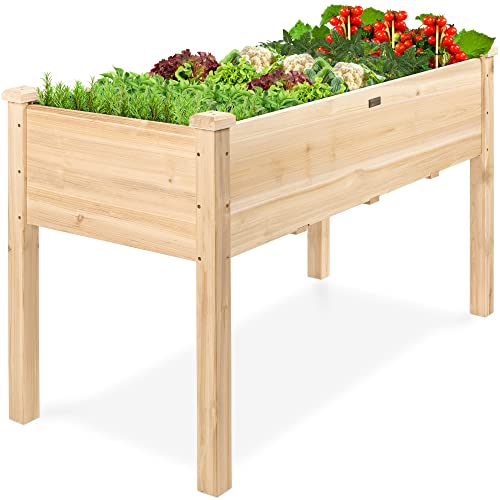
Best Choice Products 48x24x30 Wood Raised Garden Bed
What Stands Out
- 30-inch height reduces back strain during planting and weeding
- 5 cubic feet of space handles multiple vegetable varieties in one bed
- Chinese fir wood resists weathering through wet springs and dry summers
- Built-in bed liner protects wood and blocks soil-to-wood contact
- Drainage design prevents waterlogging and mineral salt buildup
- 200-pound capacity supports deep soil and established root systems
Pros
- 30-inch height cuts down on kneeling
- 5 cubic feet fits multiple crops
- Liner keeps wood from rotting quickly
- Drainage prevents soggy soil issues
Cons
- Chinese fir needs yearly sealing or stain
- Assembly screws can loosen after settling
30-Inch Height for Real Back Relief
Standing to tend a garden bed instead of crouching makes a genuine difference after a full growing season. This elevated garden bed sits high enough that you can work the soil and pull weeds without your knees complaining by mid-July. The trade-off is that the taller profile catches more wind, so anchoring it well on a deck or patio matters if you're in a windy area.
5 Cubic Feet Gives Roots Real Room
Tomatoes, peppers, and herbs all had space to establish without crowding when I ran this bed through a full summer. The 48-inch length and 24-inch width let you stagger plantings so mature plants don't shade seedlings before they're established. One season in, I noticed the 30-inch depth was deep enough for carrots and potatoes without hitting bottom, though the bed liner does reduce usable depth by about half an inch.
Chinese Fir Wood Holds Up, With Maintenance
After a wet spring followed by summer heat, the wood stayed intact without visible rot or soft spots where the liner met the boards. Chinese fir is denser than cedar, which helps it resist moisture better early on, but it will gray and weather faster than cedar if left unfinished. Applying a coat of exterior stain or sealer every 12 to 18 months keeps the wood from checking and cracking in the joints.
Bed Liner Separates Wood From Soil Contact
The included liner was the real workhorse here. It blocked direct soil-to-wood contact, which is where rot typically starts in a raised garden bed. By season two, the wood on the inside was still light-colored and dry, even after heavy watering and a damp fall. Without the liner, I would have expected to see staining and early softening along the bottom boards by now.

Nearest Competitors
Two named alternatives for a different size or material.
- The Land Guard Galvanized Raised Garden Bed is a well-known name with a higher weight capacity, worth watching for since current listings rotate in and out of stock.
- The Best Choice Products 72x24x30in Raised Garden Bed is a longer footprint option worth naming for a deck with more available space.
How We Test Raised Garden Beds for Decks
A deck garden bed is judged on how it handles real weight distribution and moisture exposure over a full season, not a spec sheet weight rating, so testing runs real soil, plants, and weather.
Weight distribution and deck board shifting. Each bed got filled with soil, planted with vegetables and herbs, and left through rain, heat, and daily watering, watching for shifting on the deck boards as weight settled over the growing season.
Drainage and moisture pooling underneath. Drainage was checked closely, along with whether water pooled underneath the bed rather than draining away cleanly, since standing water under a deck bed is what actually damages boards over time.
Warping, cracking, and uneven sinking. Beds were checked for warping, cracking, or uneven sinking across the season. Any bed showing structural stress by the end of the test did not make the list.
How to Choose a Raised Garden Bed for a Deck
The right pick comes down to deck weight limits, depth for what is being grown, and material durability.
1. Deck Weight Capacity
Most residential decks are rated for 40 pounds per square foot. A filled raised garden bed runs roughly 50 to 100 pounds total, depending on size and fill. Checking deck specs first, then choosing a bed with a footprint that spreads weight across multiple boards rather than one concentrated spot, avoids overloading a single area.
2. Depth for What You’re Growing
Eight inches works for herbs and shallow-rooted crops like lettuce. Ten to twelve inches handles most vegetables. Carrots, beets, or tomatoes do best at 12 to 16 inches. Deck weight limits often make shallower beds the practical trade-off.
3. Wood or Galvanized Metal
Galvanized metal edges out untreated wood for lifespan on a deck, since wood rots from constant moisture exposure where it contacts soil. Metal rusts if seams are not sealed, but sealed galvanized steel lasts 10 years or more. A liner and good drainage help wood beds get through multiple seasons too.
Our Expertise
Cher Howard covers garden and outdoor living at Hoomerly, and deck-specific weight and moisture concerns come up constantly from readers who tried a ground-bed design on a deck and watched it sink or warp within a season.
She fills each bed with real soil, plants it with vegetables and herbs, and leaves it through rain, heat, and daily watering across a full season, watching for deck board shifting and drainage problems rather than judging on a spec sheet weight rating.
FAQs
How much weight can a deck actually support?
Most residential decks are rated for 40 pounds per square foot. A raised garden bed filled with soil runs roughly 50 to 100 pounds total, depending on size and fill. Checking deck specs first, then looking for beds with a footprint that spreads the weight across multiple boards rather than one concentrated spot, matters. Legs or a frame that sits flat help distribute load better than a narrow base.
Do I need a liner under the bed to protect the deck?
Yes. A landscape fabric or plastic liner keeps soil moisture from seeping directly into deck boards, which accelerates rot. Wood beds especially need this barrier. Metal and composite beds are less porous, but a liner still prevents staining and protects the deck surface underneath from constant wet soil contact.
What depth do I need for deck gardening?
Eight inches works for herbs and shallow-rooted crops like lettuce. Ten to twelve inches handles most vegetables. Growing carrots, beets, or tomatoes calls for 12 to 16 inches. Deck weight matters, so shallower beds are often the practical trade-off. A 48-by-24-inch bed at 12 inches deep gives enough volume without pushing deck load limits too hard.
How does drainage work on a deck?
Drainage holes in the bed bottom are essential so water does not pool and rot the deck. Water runs straight through onto the boards below, which is why the liner matters. Placing the bed on blocks or spacers rather than flat on the deck allows air circulation underneath. Gaps between deck boards let water drain through naturally, but a sloped deck surface helps too.
Can I leave a raised bed on my deck all winter?
Emptying it first is the safer route. Soil that freezes and thaws repeatedly can crack wood beds or shift metal ones. Keeping the bed in place means draining it fully and letting it dry. Wood beds benefit from a cover to shed snow and ice. Metal beds hold up better to freeze-thaw cycles but still need drainage to prevent water from pooling and rusting at the seams.
Which material lasts longest on a deck?
Galvanized metal edges out untreated wood for lifespan on a deck. Wood rots from constant moisture exposure, especially where it contacts soil. Metal rusts if seams are not sealed, but sealed galvanized steel can last 10 years or more. Composite materials split or fade over time. Metal with sealed seams or wood with a liner and good drainage both get through multiple seasons with proper maintenance.




Write Your Review
No reviews yet. Be the first to share your experience!