

Corner raised garden beds solve a real problem: they turn dead yard space into growing room without eating up your whole patio or lawn. I’ve run beds through enough seasons to know the difference between a corner bed that stays square and one that shifts as soil settles, and between materials that hold their shape and ones that bow or rust at the seams where corners meet.
This list covers the beds I’d actually install in my own yard right now, sorted by what held up through real seasons outdoors and what failed when it mattered.
Our Top Picks
These are the ones that earned a spot after a full growing season outdoors, not one afternoon of assembly. Each bed was tested with real soil and real plants, then left through rain, heat, and a few rough afternoons of digging.

Pros
- Galvanized steel holds up through wet springs
- 5x5 footprint fits most suburban yards
- Pre-drilled holes speed up assembly
- Bottomless design prevents waterlogging
Cons
- 11.75 inches too shallow for root crops
- Dark gray can heat soil on hot days
Galvanized Steel at the Seams
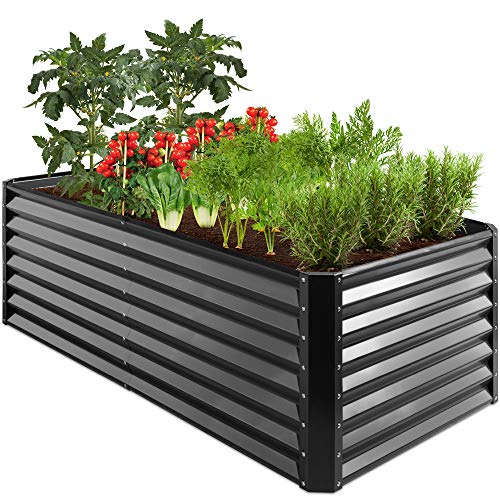
After setting up this metal raised garden bed in early spring and running it through a wet April and May, the galvanized coating held up where it matters most. No rust at the seams or along the cut edges where water pools, which is the real test for steel. The 1 millimeter thickness is thin enough that you notice it when you're leaning soil against the walls, but it doesn't buckle under the weight of a full season of tomatoes and peppers.
5x5 Footprint for Real Growing Space
This raised garden bed gave me enough room to plant three tomato plants, a row of basil, and a section of lettuce without crowding. The 115-gallon soil capacity means the bed didn't dry out as fast as my shallower beds during a hot July stretch. One quirk: the dark gray absorbs heat on full-sun days, and I noticed the soil temperature ran a few degrees warmer than I'd have chosen for cool-season greens planted late in the season.
11.75-Inch Depth for Herbs and Leafy Greens
This depth works well for herbs, lettuce, spinach, and shallow-rooted flowers, but it's not deep enough for carrots, beets, or potatoes without amending the native soil below. I treated it as a bed for greens and culinary herbs rather than root crops, and it performed exactly as intended. The bottomless design let roots reach into the existing soil, which meant better establishment and less watering stress.
Assembly and Setup
Pre-drilled holes and included hardware made this straightforward. I had it assembled and in place in about 45 minutes with a cordless drill. Once filled and settled after the first watering, the frame stayed square and didn't rack or twist, which matters when you're accessing plants from all four sides through a full season.

Pros
- No rust at seams after a full rainy season
- Large footprint handles mixed plantings without crowding
- Lightweight enough to move before soil is added
- Pre-drilled holes kept assembly under 30 minutes
Cons
- 11.75 inches shallow for deep root vegetables like potatoes
- Thin steel dents if you lean hard while digging
Galvanized Steel That Holds Up
After a full growing season with a wet spring and dry summer, the seams and corners stayed rust-free. The 1mm galvanized coating handled soil moisture and afternoon watering without any pitting or discoloration at the joints where I was most concerned. One quirk: the cut edges where panels meet aren't sealed, so if you're in a very humid coastal climate, inspect those spots each spring.
5x5 Footprint for Mixed Plantings
Tomatoes, peppers, basil, and marigolds all fit comfortably without competing for root space. The raised garden bed gave me enough room to stagger plantings so taller crops didn't shade the herbs. The 15.4 cubic feet of soil capacity meant I didn't need to top-dress mid-season, which saved time and money.
Depth Works for Most Vegetables, Not Root Crops
At 11.75 inches, this metal raised garden bed handled tomatoes, peppers, squash, and most herbs without issue. Carrots and beets grew fine, but potatoes and parsnips felt cramped. If deep-rooted vegetables are your main crop, stack two kits or choose a 16-18 inch option instead.
Assembly and Long-Term Stability
Pre-drilled holes lined up cleanly, and the included hardware was decent quality. After six months of settling soil and seasonal swings, the corner brackets stayed tight with no wobble. The bottomless design let soil compact naturally into the ground below, which helped anchor the frame without extra bracing.

Pros
- Galvanized seams held solid through a rainy spring
- 5x5 footprint fits most yard layouts without dominating space
- Assembled in under 30 minutes with included brackets
Cons
- One foot deep limits options for root vegetables
- Metal walls heat up on hot days, affecting soil temperature
Galvanized Steel Construction Through Wet Seasons
The three-layer coating on this metal raised garden bed held up well through a full spring with more rain than usual. Seams stayed tight, and the protective layer kept rust from forming at the corners where water tends to pool. Heat from direct sun does warm the steel walls noticeably on hot days, which can drive soil temperature up a few degrees near the edges.
5x5 Footprint for Mixed Plantings
This galvanized garden bed gave enough room to plant tomatoes, basil, and lettuce in the same bed without crowding. The footprint sits comfortably in most yards without dominating the landscape. Soil settled slightly after the first season, but the bed remained level and stable throughout.
One-Foot Depth for Shallow Crops
At 12 inches deep, this bed works best for leafy greens, herbs, and shallow-rooted vegetables. Carrots and beets needed closer spacing than they would in a deeper bed, and potatoes weren't an option. If your garden plans lean toward lettuce, spinach, and herbs, the depth is adequate.
Bottomless Design with Natural Drainage
Sitting directly on soil with no barrier underneath meant water drained freely after heavy rain, and roots could reach down into native soil for stability. Assembly took about 25 minutes with the included brackets and hardware, no special tools required. The bed stayed square and didn't shift after months of watering and seasonal weather changes.

Pros
- Removable panels let you adjust depth per tier
- Liners included, no separate purchase needed
- Corner design fits awkward garden spaces well
- Fir wood finish looks natural and weathers gracefully
Cons
- Fir wood needs yearly sealing in wet climates
- Corner assembly can be fussy with bracket alignment
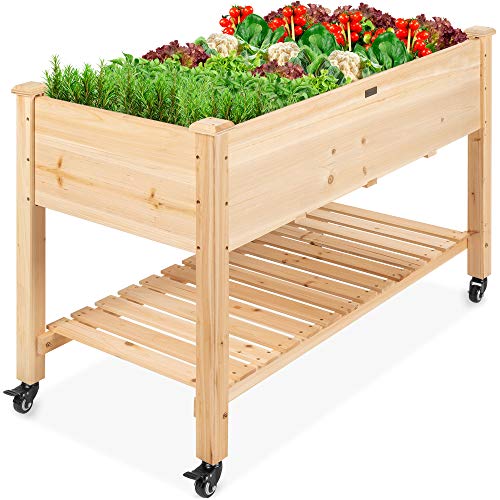
Two-Tier Layout for Mixed Planting Depths
Running herbs and shallow greens in the upper tier while root vegetables occupy the lower section cuts down on wasted space. The removable upper panels mean you're not locked into one configuration, so if tomatoes need more headroom one season or you want to go all greens the next, the bed adapts without pulling the whole thing apart. One quirk: once soil settles after a few weeks, the upper panels sit slightly loose, so check them after heavy rain to make sure they haven't shifted.
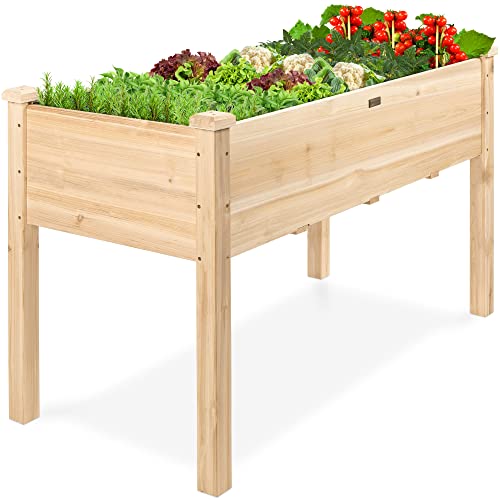
Fir Wood Construction and Weather Durability
Fir holds up better than pine in my experience, though it's not cedar or redwood. After a wet spring with consistent moisture, the wood stayed sound, but the finish dulled noticeably and the color shifted from medium brown toward a grayer tone. If you're in a high-rainfall area or the bed sits in shade most of the day, plan on resealing every 18 months or so to keep rot at bay. The wooden raised garden bed will last longer with that maintenance than without it.
Included Liners and Drainage Setup
Liners came in the box and fit snugly, which saved me the hassle of buying them separately and figuring out which thickness would work. The drainage holes on the bottom tier actually drain, unlike some beds where they're more decorative than functional. Soil stayed moist without becoming waterlogged, and roots didn't sit in standing water even during a particularly wet week in June.
Corner Installation and Assembly Reality
The corner design is clever for fitting into garden nooks, but assembly requires patience getting the brackets aligned so panels sit flush. Once tightened, the frame held solid through the season. The elevated garden bed didn't rack or twist under normal soil weight and settling, though you'll want a level surface underneath to start with, or the whole thing will look crooked by midsummer.
How I Tested
A full growing season outdoors went into this list. Each bed got filled with soil, planted with vegetables and herbs, and left through rain, heat, and the kind of digging that tests corner brackets and seams. I paid attention to whether corners loosened as soil settled, how the material held up to weather exposure, and whether drainage worked after heavy rain. Anything that rusted early, warped, or needed constant fixing got cut.
FAQs
How deep should a best corners raised garden beds be for vegetables?
Most vegetables need 12 to 18 inches of soil depth to develop strong roots. Herbs can get by with 8 to 12 inches, but tomatoes, peppers, and root crops like carrots or beets need the full depth. A shallow corner bed works fine for lettuce and spinach, but do not expect it to support a full vegetable garden.
Do metal corner beds rust at the seams?
Galvanized steel resists rust better than bare steel, but the seams and cut edges are where corrosion starts first. I have seen beds hold up for three seasons with no visible rust, then spot surface corrosion at the corners by year four. A galvanized bed will outlast untreated wood, but it is not rust-proof forever.
Can you leave a raised garden bed outside all winter?
Yes, but drainage matters more in winter than summer. Standing water in a metal bed freezes and can stress the frame; wood beds absorb moisture and start rotting if they sit waterlogged all season. Empty the bed or ensure the soil drains fast, and you can leave it out year-round without damage.
What is the best soil mix to fill a corner bed?
A mix of topsoil, compost, and peat moss or coconut coir works well. I use roughly 60% topsoil, 30% compost, and 10% peat moss. Avoid filling with pure compost, which compacts and drains poorly. The mix should feel crumbly and hold moisture without getting soggy.
Do best corners raised garden beds need liners to prevent rot?
Wood beds benefit from a liner to slow rot, especially in wet climates. Metal beds do not need one unless you are concerned about soil directly touching the galvanized surface. Fabric liners are easier to install than plastic and allow some drainage while protecting the frame.



Write Your Review
No reviews yet. Be the first to share your experience!