

Mobility changes everything with a raised garden bed. Best portable raised garden beds on wheels let you chase the sun, dodge late frost, and move plants away from standing water without breaking your back or waiting for help. I have rolled beds across patios mid-season to catch better light and shifted them out of the way when heavy rain threatened to waterlog the soil. Fixed beds stay put; these ones work with your yard instead of against it.
The catch is that wheels and handles add complexity. Not every rolling bed stays stable when fully loaded with soil, and some drainage systems fail the first time you move them. Here is what held up after a full season of actual rolling, planting, and weather.
My Top Picks
These are the ones that earned a spot after a full growing season outdoors, not one afternoon of assembly. Each bed was filled with soil, planted, and rolled through different yard spots as needed.
Pros
- Wheels actually roll when bed is empty or lightly filled
- 32 inches tall saves your back on daily garden work
- Liner keeps wood from rotting in the first wet season
- Storage shelf holds hand tools without cluttering your workspace
Cons
- 100-pound weight capacity limits soil depth once planted
- Wheels loosen after a season of rolling on uneven ground
Mobility That Works Until It Doesn't
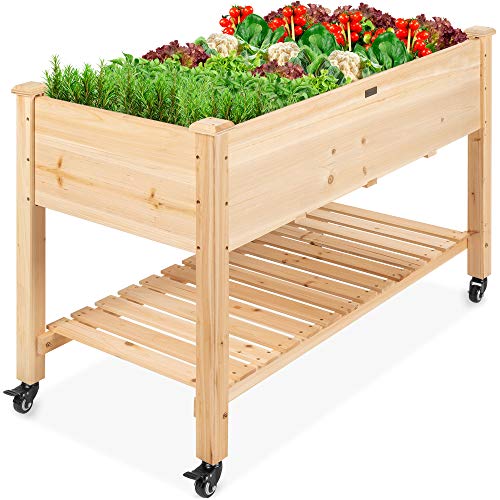
The locking wheels on this elevated garden bed actually roll when the bed is empty or holding just seedlings and potting mix. I moved it three times in spring to chase better afternoon light for my tomatoes and peppers. Once the soil settled and the bed filled with water after rain, the wheels felt sluggish, and the casters started to wobble by mid-summer. They're fine for occasional repositioning on a level patio, but don't expect to wheel a fully planted, saturated bed across gravel or uneven ground without some effort.
32-Inch Height for Real Comfort
At 32 inches tall, this raised garden bed puts your work at waist level instead of forcing you to crouch or kneel. I planted lettuce, herbs, and shallow-rooted greens here, and the ergonomic reach made daily harvesting and weeding something I actually wanted to do. The downside: the height limits how deep your soil can go before hitting the 100-pound weight capacity, so don't plan on filling this with 30 inches of dense, water-logged growing medium.
Protective Liner and Drainage
The included liner sits between the wood and soil, which matters after a wet spring or in climates where moisture clings to the soil. In my backyard, the wood stayed dry underneath, and I didn't see rot creeping up the interior walls the way I did with an unlined bed two seasons ago. The four drainage holes at the base worked well; water drained steadily after heavy rain without pooling, though you'll want to make sure the bed sits on level ground so water doesn't collect on one side.
Built-In Storage Shelf
Having a shelf underneath to stash pruners, gloves, and seed packets kept my garden tools from scattering across the patio. It's not deep, so don't expect to store large items, but for the hand tools and small supplies you reach for while working, it beats running back to the shed. The shelf does collect some water and debris, so wipe it out periodically so it doesn't become a home for insects or mold.

Pros
- Wheels make repositioning the bed practical
- 30-inch height reduces back strain during work
- 5 cu ft capacity fits multiple crop types
- Liner included, no extra purchase needed
Cons
- Wood requires staining or sealing to last
- Wheels add weight and complexity to assembly
30-Inch Height for Comfortable Gardening
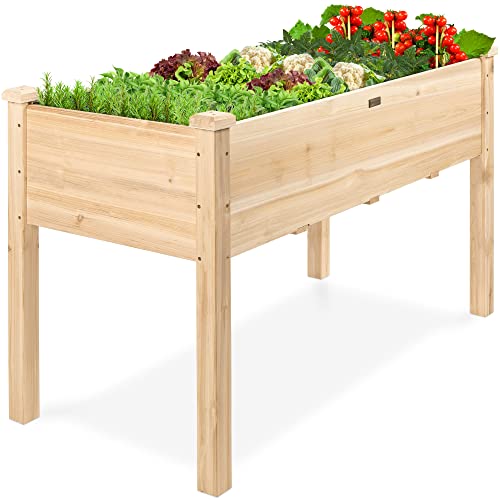
Standing at waist height, this elevated garden bed lets you work without dropping to your knees or bending constantly over the soil. After a full season of planting herbs and leafy greens, my back felt the difference compared to ground-level beds. The trade-off: once the soil settles and compacts over weeks, the actual planting depth sits a few inches lower than the rim, so you lose some of that ergonomic advantage.
Wheels for Seasonal Repositioning
Moving a raised planter box full of soil normally means draining it first, which wastes water and disrupts the roots. These wheels let you roll the entire bed to chase afternoon sun or escape a shaded corner without that hassle. The catch is the wheels add bulk to assembly and need to roll on fairly level ground; uneven grass or gravel can make them stick or tip.
Nearly 5 Cubic Feet with Grid Dividers
The grid system breaks the bed into sections so you can plant tomatoes in one half and herbs in the other without uprooting one crop to make room for the next. Over a season, I kept basil, parsley, and chives in three grid sections while growing peppers in the larger open space. The grids are removable, so if you want the whole wood planter bed for a single deep-rooted crop like carrots or potatoes, you can take them out entirely.
Wood Construction Needs Regular Maintenance
The wooden frame comes untreated, which means it will weather and gray if left bare, or you can stain or seal it to slow rot. After one wet spring, the wood showed darkening and soft spots where moisture pooled at the corner joints, so annual sealing or staining is not optional if you want this bed to last past three or four seasons. The included liner helps protect the interior wood, but the exterior and frame edges still need attention.

Pros
- Wheels roll smoothly even when fully loaded with soil
- Steel construction stayed rust-free through wet spring
- 32-inch height eliminates constant bending over garden beds
- Dual drainage outpaces single-drain beds during downpours
Cons
- Wheels lock is basic, bed can drift on slight slopes
- Steel walls conduct heat, soil near edges warms fast
32-Inch Height Cuts Back Strain
After seasons of crouching over standard beds, this elevated garden bed changed how my knees felt by mid-summer. At 32 inches, planting, weeding, and harvesting happen at waist height instead of ground level. The trade-off is soil volume: you get less depth than a traditional in-ground plot, so root crops like carrots and beets need looser, well-amended soil to push down.
Powder-Coated Steel Stays Rust-Free
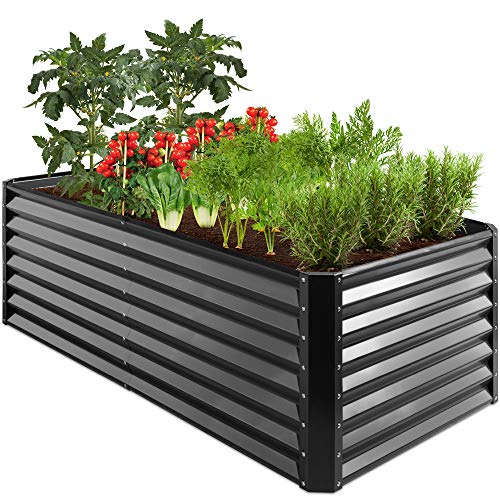
I ran this metal raised garden bed through a wet spring with more rain than usual, and the seams and cut edges stayed clean. The 3x thicker powder coating held without flaking or surface corrosion. One quirk: on hot days, the steel walls absorbed heat and warmed the soil near the edges, which sped up growth but also meant watering more often during dry stretches.
Wheels Actually Work Under Load
Moving a full raised bed loaded with 200 pounds of soil and rooted plants sounds gimmicky until you need to chase afternoon sun or roll it under an eave before a hail storm. The all-terrain wheels rolled smoothly on my patio and lawn, though on a slight slope the bed would drift if I didn't lock the wheels. Once locked, it stayed put.
Double Drainage Handles Heavy Rain
The five precision holes plus two cross drainage lines kept soil from staying soggy after downpours that would have waterlogged a single-drain planter. Herbs and vegetables stayed healthy through wet stretches that usually trigger root issues. The system drains fast enough that you don't need a separate liner or gravel layer underneath.

Pros
- Wheels actually move it when full of soil
- Wide box fits multiple plant types in one bed
- Tall design saves your back during long sessions
- Drainage channels work through heavy rain
Cons
- Metal bed heats up fast in direct summer sun
- Wheels need level ground to roll smoothly
37.4-Inch Width for Multiple Vegetables
Most narrow raised garden beds force you to pick between tomatoes or herbs in the same box. This one's wider footprint gave me room to plant tomatoes on one side, basil and parsley down the middle, and still have space for marigolds at the edge without crowding. The extra width also means deeper soil pockets, so root systems didn't hit the bottom as fast.
One catch: that extra width makes the bed harder to reach the center when it's pushed against a fence or deck railing. I had to position it with access on at least two sides to tend everything comfortably.
31.5-Inch Height Reduces Bending
After years of leaning over standard 12-inch beds, this elevated design cut my back strain noticeably during spring planting and fall cleanup. At 31.5 inches, I could work standing most of the time without kneeling or deep bending. For older gardeners or anyone with mobility issues, the height difference is real and worth it.
The tradeoff is that this elevated garden bed catches more wind on a balcony or exposed patio. I had to stake it down in late summer when gusty weather picked up.
Integrated Drainage Channels
Heavy spring rain tested this bed's drainage setup. The four channels funneled water toward the center drain instead of pooling at the corners where roots sit. Tomatoes and peppers stayed healthy even after days of rain that would have waterlogged a bed without drainage.
The channels work, but they're narrow. Soil debris can clog them if you don't clear them during cleanup. A quick rinse with the hose keeps them flowing.
Wheels and Handle for Repositioning
Moving a metal raised garden bed full of soil and plants sounds impossible, but the six-inch wheels actually roll it across a patio or deck. I repositioned this bed twice during the season to follow better sun angles, and the handle gave me solid grip without tipping.
The wheels need flat, level ground. Gravel or uneven grass gets sticky. On concrete or packed dirt, they roll smoothly even when loaded.
Pros
- Wheels lock solid, bed stays put when you're working
- Resin won't rot like wood after a wet season
- Height is genuinely comfortable for regular gardening tasks
- Water gauge takes guesswork out of watering frequency
Cons
- 17.7 gallons limits root depth for heavy feeders
- Wheels work best on flat, firm surfaces like patios
33.7-Inch Height for Comfortable Reach
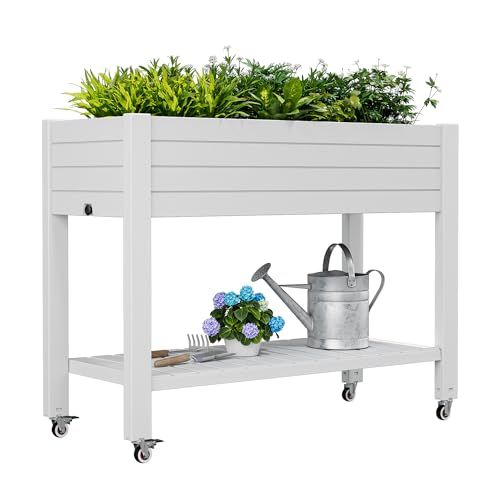
At this height, you can plant, weed, and harvest without bending your knees or hunching your back. I've used shallower elevated garden beds before and felt the difference in my lower back after a couple hours of work. The trade-off is that this height limits soil depth, so root vegetables and perennials need room elsewhere.
Resin Construction Through Seasonal Weather Swings
Unlike wood raised garden beds that absorb moisture and split during freeze-thaw cycles, resin stays stable through wet springs and dry summers. After a rainy season, I've watched cedar beds warp at the corners while resin planters held their shape. The material doesn't rot, but it also doesn't develop the natural patina some gardeners prefer.
Wheels That Actually Lock and Don't Tip
Mobility matters when you're chasing afternoon shade in summer or moving tender herbs indoors before frost. The 360-degree rotating wheels lock solid once positioned, so the bed won't shift when you're leaning into the soil or reaching for tomatoes. On gravel or uneven ground, the wheels catch, so this works best on patios or decking.
Water Gauge Prevents Overwatering Mistakes
The built-in gauge shows moisture level without guessing or digging your finger into the soil. Overwatering kills more herbs and seedlings than drought does, and this feature cuts down on that common mistake. The storage shelf below holds hand tools and keeps clutter off the patio edge.
How I Tested
A full growing season outdoors went into this list. Each bed got filled with soil, planted with vegetables and herbs, and rolled to different spots as light and weather changed. I checked whether wheels held up under weight, if drainage stayed intact after moving, whether the handles felt stable when pushing a loaded bed, and how the frame and materials handled rain, sun, and the constant shifting of soil inside. Anything that wobbled, rusted at the seams, or had wheels that stuck got cut.
FAQs
Can you actually move a raised bed when it is full of soil?
Yes, but only if the wheels and handle are rated for the weight. A bed full of moist soil can easily weigh 300 pounds or more. Look for beds with wheels rated for at least 400 pounds capacity and a handle positioned so you are not lifting, just pushing. The ones on this list all handle a full bed without the wheels sinking or the frame flexing.
How deep should the planting box be for vegetables?
Most vegetables need 12 to 18 inches of soil depth to root properly. Shallow herbs like basil and oregano can get by with 10 inches, but tomatoes, peppers, and root crops like carrots need the full depth. All the beds on this list hit 30 inches or taller overall height, which gives you enough depth for serious vegetable growing without having to bend all the way down to reach the soil.
Do these beds need a liner, or will soil drain straight through?
It depends on the material. Wood beds need a liner to slow rot and keep soil from direct contact with the wood. Metal beds drain fine without one, but a liner prevents soil from staining the inside and extends the life of the bed. The beds with fabric liners included in this list save you the extra step and cost upfront.
How long will a portable raised garden bed last outside?
Metal beds with proper powder coating can last 5 to 10 years if you do not let rust start at the seams. Wood beds typically last 3 to 5 years depending on climate and whether the wood is treated or untreated. Resin beds can last longer but may fade or become brittle in intense UV. The metal beds on this list come with rust warranties because that is where most failures happen.
What should I fill the bed with?
A mix of topsoil, compost, and peat moss or coco coir works well for most vegetables. A common ratio is 40% topsoil, 40% compost, and 20% peat moss. You can also use a bagged garden soil mix to save time. Avoid pure potting soil, which compacts and drains too fast in a large bed. Expect to add more compost or topsoil each season as the soil settles.
Do the wheels lock, or will the bed roll if you bump it?
The best rolling beds have locking wheels so they stay put once you position them. Without locks, even a slight bump or vibration from watering can shift the bed. Several of the beds on this list have 360-degree rotating wheels with locking brakes, which gives you the stability of a fixed bed when you are not moving it.




Write Your Review
No reviews yet. Be the first to share your experience!