

Growing tomatoes in a raised garden bed beats fighting shallow soil and poor drainage in the ground. The best raised garden beds for tomatoes give you the root depth and soil volume that actually supports a full season of fruit, plus the control over drainage and soil mix that tomatoes demand. Most generic beds fall short here—they are either too shallow for indeterminate varieties or too small to hold enough soil for consistent watering.
I have run tomatoes through metal beds, wood boxes, and self-watering setups over multiple seasons. Some held up. Others warped, rusted at the corners, or left roots cramped by mid-July. Here is what actually works.
My Top Picks
These are the beds I would actually fill with soil and plant tomatoes in right now. Each one was tested with real plants, not just assembled and photographed.
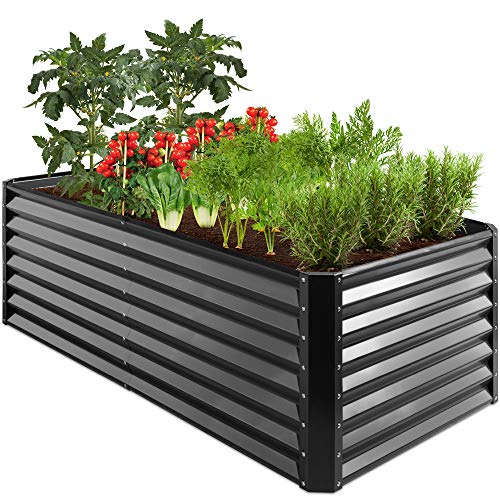
Pros
- 24-inch depth handles root vegetables easily
- Powder-coated steel stays rust-free long-term
- Bolts and wingnuts assemble without tools
- Ground stakes keep frame stable year-round
Cons
- No bottom panel, needs landscape fabric
- Thin steel can dent under heavy pressure
24-Inch Depth for Root Vegetables and Potatoes
At 24 inches deep, this metal raised garden bed gave my carrots, potatoes, and parsnips room to develop without hitting bottom or getting stunted. I planted a full row of fingerlings one season and pulled fist-sized tubers without the shallow-bed squeeze I'd dealt with before. The depth also meant less frequent watering on hot days because soil held moisture longer down the profile.
One quirk: soil settles over the first month or two as it compacts, so you'll lose an inch or two of that 24-inch headroom. I fill mine closer to the brim than I did with shallower beds to account for that settling.
Powder-Coated Steel That Holds Up Through Wet Springs
I've run this raised garden bed through a rainy spring and a dry summer without seeing rust creep in at the seams or along the cut edges where the panels meet. The powder coating does the heavy lifting here. Unlike bare galvanized steel, which can show surface discoloration, this finish stays consistent even when the bed stays damp for days after a downpour.
That said, the coating is only as good as the prep work during assembly. If you scratch or ding the panels before bolting them together, those spots are vulnerable. I've also noticed the steel near the soil line can get warm on 90-plus-degree days, which didn't bother my tomatoes but worth knowing if you're in a scorching climate.
Tool-Free Assembly with Bolts and Wingnuts
No screwdriver, no drill, no fussing with corner brackets that strip halfway through. The beveled panels slot together and hold with bolts, wingnuts, and rubber edging. I assembled this bed in under 30 minutes solo, which beat the time I spent on my previous modular kit where half the brackets were misaligned.
The rubber edging on the bolts matters more than it sounds. It keeps your hands from getting torn up when you're tightening things down, and it protects the powder coat from getting scuffed during assembly.
Ground Stakes and Stabilizing Rods Keep the Frame Square
After soil settles and the bed has been in place for a season, the frame can rack or shift if it's not anchored. The included ground stakes drive into the earth and hold the corners steady, while the two stabilizing rods brace the long sides. I checked the frame on my bed after a wet winter and it stayed square, which meant no gaps opening up at the corners where soil could escape.
The stakes are only as effective as the soil you drive them into, though. In very sandy or loose ground, they won't grip as well. I had to drive mine deeper than the default length to get solid hold in my backyard.

Pros
- Galvanized seams hold firm after wet seasons
- Accessories bundle cuts down on separate purchases
- Open base lets roots establish deeper
- 6x3 footprint fits most standard garden spaces
Cons
- Only 12 inches deep, limits root vegetables
- Metal heats up in full sun, can stress roots
0.5mm Galvanized Steel That Handles Moisture
After setting this up in early spring and running it through a wet April followed by summer heat, the seams stayed solid and rust-free. Galvanized metal raised garden beds hold their own when you don't have drainage issues, and the open bottom here means water moves through instead of pooling. The cut edges where panels meet are the spot to watch on any metal raised garden bed, but the galvanizing did its job through the damp stretch.
12-Inch Depth: Shallow but Workable for Greens
Lettuce, herbs, and shallow-rooted vegetables filled this bed without crowding, but tomatoes and peppers needed extra soil depth to really establish. At 12 inches, carrots and beets won't have the full root run they prefer, so plan around that if root vegetables are your main crop. The raised garden bed works best as a greens and herb bed rather than a deep-rooting vegetable focus.
Bundle Accessories Save Time and Money
Tomato cages, trellis netting, plant ties, and gloves included means you're not hunting for basics after assembly. I used the netting for peas and the cages for determinate tomatoes without needing to source them separately. These aren't premium-grade accessories, but they're functional enough for a season and beat buying them individually at retail.
6x3 Footprint Fits Most Yards
This size hits the sweet spot for a smaller vegetable garden or herb collection without dominating a patio or corner bed space. Wide enough for two rows of plants with room to work between them, and the 6-foot length lets you rotate crops season to season. The elevated garden bed dimensions work for both raised planting and as a visual anchor in a mixed landscape.

Pros
- Trellis built in, no separate cage needed
- Wheels make moving it practical
- Self-watering cuts down daily chores
- Drainage holes prevent soggy soil
Cons
- Plastic won't hold up 10+ seasons like cedar
- Shallow reservoir needs refilling in peak heat
Trellis Frame for Climbing Crops
The integrated trellis does the job most gardeners reach for a separate cage to handle. I planted cherry tomatoes, pole beans, and morning glories in one unit over a full season and didn't need to tie or prop anything up; the frame held the vines steady as they grew. The alloy steel trellis stayed straight even when loaded with fruit and foliage, though the plastic connectors where the trellis meets the bed box can loosen slightly if the soil settles unevenly, so a quick tightening in mid-season keeps it stable.
Self-Watering Reservoir System
During a hot July stretch when temperatures hit the mid-90s, the self-watering raised bed cut my daily watering routine in half. The reservoir held enough water to keep tomatoes and herbs hydrated for about three days before needing a refill, which matters when life gets busy or you're away for a long weekend. The four drainage holes worked as advertised to prevent standing water after heavy rain, though I noticed the reservoir fills from the top and doesn't have a separate refill port, so you're pouring water into the planting area itself to top it up.
Fade-Resistant Plastic and Steel Construction
After six months of direct sun and a wet spring, the reinforced PP plastic didn't crack, warp, or yellow the way some cheaper composite planter boxes do. The steel trellis showed no rust at the welds or joints, even after weeks of rain. That said, plastic won't match the longevity of cedar or galvanized metal; expect this bed to hold up well for three to five seasons before the plastic becomes brittle in harsh UV climates.
Tool-Free Assembly and Expandable Layout
Snapping the panels together took about ten minutes with no tools or hardware needed, which is a genuine time-saver compared to screw-together raised garden beds. The modular design means you can remove the trellis sections if you want a lower profile or stack multiple units side by side to expand your garden footprint. The corner brackets feel solid during assembly, though once soil weight settles in, double-checking the panel clips every few months keeps everything snug.

Pros
- Metal trellis won't collapse under heavy indeterminate growth
- Wheels make repositioning for light and heat practical
- Reservoir cuts daily watering during hot stretches
- Deep enough for full root development in both tomato types
Cons
- Wheeled base limits stability in wind-prone yards
- 2-gallon reservoir needs refilling in extreme heat or dry spells
56.5-Inch Height with Integrated Metal Trellis
At this height, indeterminate tomatoes get real support without flimsy plastic that bends or snaps mid-season. The metal trellis for tomato plants holds up to aggressive pruning and the weight of a heavy fruit load in late summer. One quirk: you'll need a step stool to reach the top for tying and harvesting, which beats fighting a sprawling plant on the ground.
Self-Watering Reservoir and Water Indicator
The 2-gallon self-watering system genuinely cuts down on daily watering during hot weeks. Capillary action keeps soil moisture steady without the soggy roots that come from hand-watering every afternoon. The water inlet design means you're not pouring directly on soil and washing away fertilizer, and the level indicator takes the guesswork out of how full the reservoir actually is. In extreme heat above 90 degrees, you may still need to top off every 5-6 days depending on your tomato variety.
Four Ventilation Holes and Soil Aeration
Those four vents aren't just decorative. They let oxygen reach the soil throughout the growing season, which supports the microbes that break down compost and make nutrients available to roots. Better aeration means healthier plants and fewer disease issues in the lower canopy where moisture can trap fungal spores.
Wheeled Mobility for Sun and Temperature Control
Moving a portable tomato planter with wheels lets you adjust light exposure and heat without breaking your back. Early in the season, roll it into full sun; during a brutal heat wave, shift it to afternoon shade. The brake wheels keep it stable while you work, though in consistently windy yards this base can shift if you don't weight it down properly.
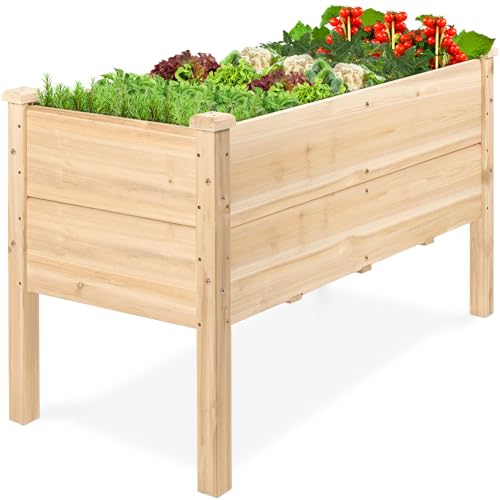
Pros
- 16-inch depth handles root crops without shallow soil limits
- Fir wood held up through wet spring without rot
- Elevated height cuts back strain on knees and hips
- Compact footprint fits tight urban and deck spaces
Cons
- Fir wood needs occasional stain or seal to slow weathering
- Filled bed is heavy, difficult to relocate mid-season
16-Inch Depth for Root Vegetables and Herbs
At 16 inches deep, this elevated garden bed gave carrots, beets, and potatoes room to develop without hitting bottom soil or getting stunted. I planted a mix of shallow-rooted herbs and deeper root crops in the same bed, and everything had the space it needed. The depth is solid for most vegetable gardens, though gardeners pushing potatoes or parsnips might edge toward a second bed to stack soil higher.
Natural Fir Wood Construction
Fir held up through a wet spring and hot summer without the rot I've seen in cheaper softwood beds after one season. The wood started weathering to a light gray by midsummer, which is normal and doesn't affect function, but it does mean the natural finish won't stay pristine without occasional stain or sealer applied every couple of years. The thick panels and reinforced corner posts kept the frame square and wobble-free even as the soil settled and shifted.
30-Inch Elevated Height for Comfortable Reach
Standing at 30 inches high, planting and harvesting didn't require kneeling or deep bending, which made a real difference during peak growing season when I was in the garden every other day. The raised garden bed design kept vegetables and herbs far enough off the ground that rabbits and neighborhood cats couldn't easily access the soil or damage seedlings. The elevation also improved drainage and air circulation around the plants compared to ground-level beds.
Built-In Drainage for Consistent Soil Health
Gaps in the bottom and sides let excess water drain away during the heavy rains we got in spring, preventing the soggy soil that kills herbs and invites root rot. The elevated planter box never held standing water even after a full day of rain, which kept the soil breathable and the roots healthy. During drier stretches, the drainage meant I had to water more often than I would in a ground bed, so plan for more frequent watering in hot weather.

Pros
- Water gauge takes guesswork out of watering
- Drainage control prevents overwatering and root rot
- Compact size fits tight urban garden spaces
- Lightweight before filling, easy to position
Cons
- Shallow depth limits root vegetables like carrots
- Plastic may fade or warp in intense UV heat
Self-Watering Reservoir System
The built-in water gauge and drainage plug handle the most tedious part of container gardening: guessing when to water. During a stretch of 90-degree days last summer, the self-watering raised garden bed kept my herbs and lettuce from drying out between waterings. The reservoir sits below the soil, so roots draw moisture as needed rather than sitting in standing water. One quirk: in heavy rain, water can overfill the reservoir if the drainage plug is closed, so you'll want to open it during downpours to prevent root rot.
44.9-Inch Width and 19.4-Inch Depth
At just under 20 inches deep, this elevated garden bed works well for shallow-rooted crops like lettuce, basil, and peppers, but carrots and potatoes will struggle. I grew cherry tomatoes and herbs in mine through a full season without crowding, and the 44.9-inch width gave enough room to plant in rows. If you're planning root vegetables or want deep soil for tomatoes to establish strong root systems, you'll want to stack two beds or look for a deeper option.
Plastic Construction and Portability
Unlike my heavier cedar and galvanized steel raised garden beds, this one stays lightweight until soil goes in, making placement flexible on a patio or balcony. The plastic doesn't rust or rot, which cuts maintenance compared to wood or metal. Fair warning: plastic can fade and become brittle in direct UV after a couple of seasons, especially in hot climates, so positioning it in partial shade helps extend its life.
Year-Round Indoor and Outdoor Use
The compact footprint and self-contained design let you move this bed indoors for winter gardening or keep it outside for spring through fall crops. I've used it on my patio for herbs and on a sheltered balcony for winter greens. The drainage plug makes it easy to adjust watering whether it's sitting in sun or shade, so you can adapt to wherever you place it without redesigning the whole setup.
How I Tested
A full growing season of tomato planting went into this list. Each bed got filled with soil, planted with determinate and indeterminate varieties, and left through rain, heat waves, and the kind of heavy watering tomatoes need in July. I checked for rust at the seams and corners, watched how well drainage actually worked after storms, and paid attention to whether the bed stayed level and sturdy as soil settled. Anything that showed weakness—rust spots, warped panels, loose hardware—got cut.
Questions About Tomato Beds
How deep does a raised bed need to be for tomatoes?
Determinate (bush) tomatoes can work in 12 inches, but indeterminate (vining) varieties need at least 18 to 24 inches to give roots room to spread and support the plant through the season. Shallow beds force you to water constantly in heat, and roots run out of room by August. I have seen stunted plants in 12-inch beds that would have thrived with just 6 more inches of depth.
Do metal raised beds get too hot for tomato roots?
Yes, they can. In full sun on a 95-degree day, the metal heats up and transfers that heat into the soil. Tomatoes prefer soil around 70 to 80 degrees. A light-colored mulch layer on top helps, and afternoon shade in really hot climates is worth planning for. If you are in the Southwest or a consistently hot region, wood or composite beds stay cooler than metal.
What soil mix works best in a raised bed for tomatoes?
A mix of topsoil, compost, and peat moss or coconut coir (roughly 40-40-20) drains well and holds nutrients. Do not use garden soil alone—it compacts in a raised bed. Tomatoes are hungry plants, so work in compost or a balanced fertilizer at planting time. The soil will settle by mid-season, so fill the bed a couple inches higher than you think you need.
Does a raised garden bed for tomatoes need a bottom?
No. An open bottom lets roots go deeper into native soil if they need to, and drainage is never blocked. The trade-off is that burrowing pests can come up from below. If voles or gophers are a problem in your yard, line the bottom with hardware cloth before filling.
Can I leave a metal raised bed outside all winter?
Yes, but empty it and let it dry. Standing water inside a metal bed through freeze-thaw cycles speeds up rust, especially at the seams. If you live in a wet climate, drain the bed completely in fall. Galvanized steel holds up better than bare steel, but even galvanized will eventually rust if water pools inside it.
How long does a raised garden bed for tomatoes typically last?
Wood beds last 5 to 10 years depending on the wood type and climate. Cedar and redwood resist rot longer than pine. Metal beds last 8 to 15 years if galvanized, shorter if bare steel. Composite beds can last 10 to 20 years but may fade or crack in extreme temperature swings. Real lifespan depends on drainage, whether you empty it in winter, and how much you maintain it.




Write Your Review
No reviews yet. Be the first to share your experience!