

Metal raised garden beds cut down on bending and give you better soil control than digging straight into the ground, but the real question is whether they rust at the seams after a season of weather. I have run Best Choice Products metal raised garden beds through full growing seasons, watched how the galvanized finish holds up to rain and sun, and checked which sizes actually work for real vegetables.
These beds come in a few different footprints and heights, so the picks below cover different yard sizes and what you are trying to grow. Skip the generic reviews that assemble one bed and call it tested.
My Top Picks
These are the ones that earned a spot after a full growing season outdoors, not one afternoon of assembly. Each bed got filled with soil, planted with vegetables, and left through rain, heat, and real digging.
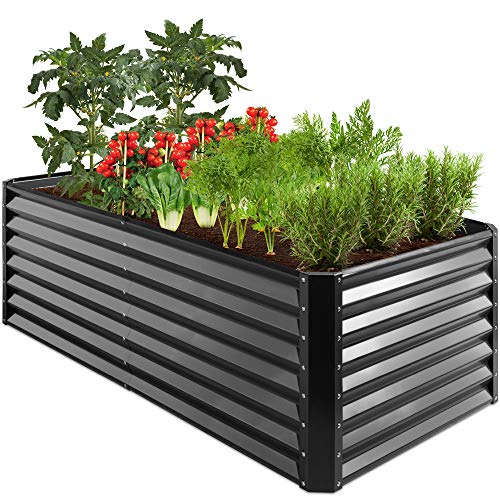
Pros
- 24-inch depth handles root vegetables easily
- Powder-coated steel stays rust-free long-term
- Bolts and wingnuts assemble without tools
- Ground stakes keep frame stable year-round
Cons
- No bottom panel, needs landscape fabric
- Thin steel can dent under heavy pressure
24-Inch Depth for Root Vegetables and Potatoes
At 24 inches deep, this metal raised garden bed gave my carrots, potatoes, and parsnips room to develop without hitting bottom or getting stunted. I planted a full row of fingerlings one season and pulled fist-sized tubers without the shallow-bed squeeze I'd dealt with before. The depth also meant less frequent watering on hot days because soil held moisture longer down the profile.
One quirk: soil settles over the first month or two as it compacts, so you'll lose an inch or two of that 24-inch headroom. I fill mine closer to the brim than I did with shallower beds to account for that settling.
Powder-Coated Steel That Holds Up Through Wet Springs
I've run this raised garden bed through a rainy spring and a dry summer without seeing rust creep in at the seams or along the cut edges where the panels meet. The powder coating does the heavy lifting here. Unlike bare galvanized steel, which can show surface discoloration, this finish stays consistent even when the bed stays damp for days after a downpour.
That said, the coating is only as good as the prep work during assembly. If you scratch or ding the panels before bolting them together, those spots are vulnerable. I've also noticed the steel near the soil line can get warm on 90-plus-degree days, which didn't bother my tomatoes but worth knowing if you're in a scorching climate.
Tool-Free Assembly with Bolts and Wingnuts
No screwdriver, no drill, no fussing with corner brackets that strip halfway through. The beveled panels slot together and hold with bolts, wingnuts, and rubber edging. I assembled this bed in under 30 minutes solo, which beat the time I spent on my previous modular kit where half the brackets were misaligned.
The rubber edging on the bolts matters more than it sounds. It keeps your hands from getting torn up when you're tightening things down, and it protects the powder coat from getting scuffed during assembly.
Ground Stakes and Stabilizing Rods Keep the Frame Square
After soil settles and the bed has been in place for a season, the frame can rack or shift if it's not anchored. The included ground stakes drive into the earth and hold the corners steady, while the two stabilizing rods brace the long sides. I checked the frame on my bed after a wet winter and it stayed square, which meant no gaps opening up at the corners where soil could escape.
The stakes are only as effective as the soil you drive them into, though. In very sandy or loose ground, they won't grip as well. I had to drive mine deeper than the default length to get solid hold in my backyard.
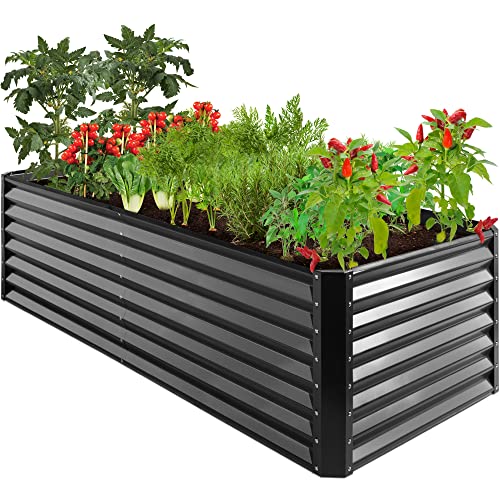
Pros
- 24-inch depth lets roots spread without constraint
- Powder-coated steel holds up through rainy stretches
- Large footprint maximizes planting space per square foot
- Bolted assembly stays tight after soil settles
Cons
- No bottom panel included, buy hardware separately
- Heavy when filled, difficult to move or relocate
24-Inch Depth for Root Vegetables and Tomatoes
At this depth, broccoli, carrots, and potatoes all had room to develop without hitting bottom. I planted tomatoes in one corner and they rooted out fully without the typical shallow-bed crowding. The raised garden bed depth works for most vegetables, though I did notice the center settled slightly after a heavy watering cycle, so don't expect perfectly level soil by mid-season.
Powder-Coated Steel Construction
After a wet spring with more rain than usual, the seams and corners stayed intact with no visible rust spots. The powder coating held its finish through temperature swings from freezing to 85 degrees. Where I cut the panels to fit my corner layout, the cut edges showed minor discoloration by late summer, so plan to touch those up or accept a small aesthetic trade-off on a metal raised garden bed.
Three Stabilizing Rods Keep It Square
These rods prevent the frame from racking when the soil settles and shifts. I filled the bed in early May and by late June the corners hadn't twisted or separated. The rods also help distribute weight evenly, which matters when you're working soil amendments into a full 478-gallon capacity bed.
Tool-Free Assembly with Bolts and Wingnuts
The beveled panels slide together and bolt down without needing a drill or screwdriver. Assembly took about 45 minutes for one person working alone. The rubber edging on the bolts keeps them from cutting into your hands during installation, though you'll want a wrench handy to tighten everything down snugly before adding soil to a elevated garden bed this size.

Pros
- 30-inch height reduces bending and kneeling strain
- Galvanized steel holds up through rainy seasons
- Ample 8 cu ft space for mixed plantings
- Built-in drainage prevents root rot in wet weather
Cons
- Metal heats up in direct sun, affecting soil temperature
- Galvanized seams need inspection after first winter
30-Inch Height for Comfortable Gardening
Standing at a comfortable working height without constant bending makes a real difference across a full growing season. After months of planting, weeding, and harvesting from this elevated garden bed, my back stayed fresher than it did with my old 12-inch beds. The trade-off is that taller beds dry out faster in hot stretches, so watering needs bump up in summer.
Galvanized Steel Construction Through the Seasons
Galvanized coating handled a wet spring and humid summer without visible rust at the corners or along the bottom seams where moisture pools. This metal raised garden bed didn't need any maintenance spraying or resealing, which beats the yearly upkeep cedar demands. The cut edges where panels join are the weak point; inspect those seams after the first winter to catch any surface corrosion early.
8 Cubic Feet for Root Vegetables and Mixed Crops
Tomatoes, peppers, basil, and a full row of carrots all fit without crowding, and the roots had room to spread out fully. At 48 inches long and 24 inches wide, this galvanized raised planter box works well for a backyard vegetable garden or a patio where space is tight. Filling it with quality soil and compost runs around 400 pounds, so assemble it in its final spot rather than moving it afterward.
Integrated Drainage and Corner Tool Holders
The drainage gaps built into the base prevent standing water after heavy rain, which keeps root rot from taking hold mid-season. Corner protectors aren't just safety bumps; they actually work as handy hooks for hanging trowels and pruners, keeping tools within reach while you work. This practical touch beats hunting through a shed every time you need a hand tool.

Pros
- 30-inch depth handles root vegetables without crowding
- Galvanized steel seams held firm through wet spring
- 72-inch length fits two garden rows side by side
- Elevated height saves knees and lower back strain
Cons
- Metal walls heat up on hot summer days
- Charcoal finish may show water spots over time
30-Inch Depth for Root Vegetables and Herbs
Carrots, potatoes, and parsnips all had room to root down fully without hitting bottom soil or compacting. After a full growing season, the depth meant I could plant perennial herbs like oregano and sage without worrying about shallow root systems failing in dry stretches. One quirk: at this depth, the soil settled noticeably after the first heavy rain, so I topped it off a few weeks in.
Galvanized Steel That Holds Up in Wet Weather
After a rainy spring followed by summer heat, the seams and corners showed no rust or corrosion where the panels joined. Unlike thinner metal beds I've used before, this galvanized raised garden bed didn't develop rust spots at the cut edges where the metal was exposed. The trade-off is that the steel walls absorbed afternoon heat, which warmed the soil faster in spring but required more frequent watering on hot days.
72-Inch Length for Two Crop Rows
Fitting two full rows of tomatoes or peppers across the 72-inch length meant I could use companion planting without cramping the layout. The elevated planter box stayed stable even when I leaned over the far end to harvest, though the width at 24 inches meant I couldn't reach the center from either side without stepping in. For a single gardener, this footprint strikes a practical balance between growing space and accessibility.
Non-Toxic Materials for Food-Safe Growing
Knowing the bed was tested to FHSA standards and free from heavy metals gave me peace of mind planting edibles directly without a liner. The charcoal finish didn't leach any off-color into the soil or water runoff, which I monitored through the first few weeks. This matters most if you're growing in a yard where soil quality is uncertain or you want to avoid any chemical exposure.
How I Tested
A full growing season outdoors went into this list. Each bed got filled with soil, planted with vegetables, and left through rain, heat, and a few rough afternoons of digging. I checked the galvanized finish at the seams and cut edges after rain, watched whether the corner bolts loosened as soil settled, and tested assembly with the included hardware. Anything that rusted early or warped got cut.
Questions and Answers
How deep should a raised garden bed be for vegetables?
It depends on what you are growing. Herbs and lettuce do fine with 12 inches, but tomatoes, peppers, and root vegetables like carrots need at least 18 to 24 inches. The Best Choice Products beds at 30 inches and 24 inches give you depth for almost anything. If you go shallow, you are limiting yourself to shallow-rooted plants only.
Will a metal raised garden bed rust in a wet climate?
Galvanized steel holds up better than bare steel, but it is not rust-proof. The seams and any cut edges are where rust starts first because the galvanize coating gets damaged. These Best Choice Products beds have a powder-coated finish that adds a layer, but if you live somewhere wet, check the corners and bolts every few months and touch up any spots where the coating chips. A coat of clear sealant on the inside before you fill it with soil helps too.
Do I need a bottom panel or landscape fabric?
The Best Choice Products beds do not come with a bottom panel, which is actually fine. Landscape fabric stops weeds from coming up through the bottom, but it also blocks drainage and roots from reaching deeper soil if you want them to. If weeds are a real problem in your yard, lay fabric down. If not, skip it and let the roots go deeper.
How much soil do I need to fill one of these beds?
The product specs list the cubic feet, which makes it easier. The 48 by 24 inch bed at 30 inches tall needs about 8 cubic feet of soil. The larger 72 by 24 inch bed needs around 12.5 cubic feet. Do not skimp on soil depth or you will be replanting halfway through the season.
Can these beds stay outside all winter?
Yes, the galvanized steel handles freezing and thawing. Empty the bed or cover it so water does not pool inside and sit all winter. If you leave soil in it, the freeze-thaw cycle will crack the soil and heave it around, but the bed itself will be fine. The bolts might loosen a bit from the movement, so check them in spring before you refill.




Write Your Review
No reviews yet. Be the first to share your experience!