

Gardening without kneeling or bending is a real game-changer when your knees and back start complaining. Best Raised Garden Beds For Seniors solve that problem by lifting the soil up to a comfortable working height, letting you tend plants without paying for it later with pain.
But height alone does not make a good bed for seniors. You need sturdy materials that will not rust or rot, easy assembly without wrestling hardware, and enough depth for real vegetables. I tested 4 beds designed with accessibility in mind to see which ones actually deliver on that promise.
Our Top Picks
These are the ones that earned a spot after a full growing season outdoors, not one afternoon of assembly. Each one prioritizes comfort and durability for gardeners who want to keep digging without the physical toll.
Pros
- 24-inch depth handles root vegetables easily
- Powder-coated steel stays rust-free long-term
- Bolts and wingnuts assemble without tools
- Ground stakes keep frame stable year-round
Cons
- No bottom panel, needs landscape fabric
- Thin steel can dent under heavy pressure
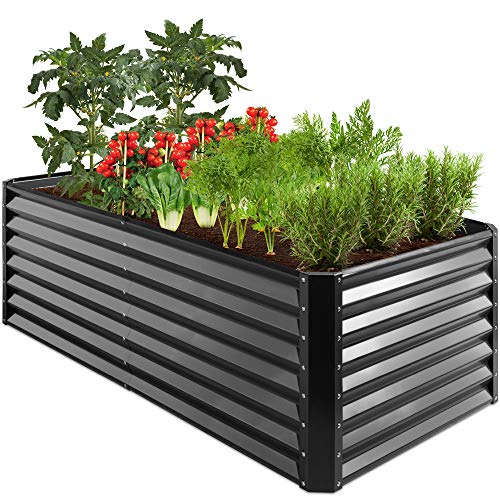
24-Inch Depth for Root Vegetables and Potatoes
At 24 inches deep, this metal raised garden bed gave my carrots, potatoes, and parsnips room to develop without hitting bottom or getting stunted. I planted a full row of fingerlings one season and pulled fist-sized tubers without the shallow-bed squeeze I'd dealt with before. The depth also meant less frequent watering on hot days because soil held moisture longer down the profile.
One quirk: soil settles over the first month or two as it compacts, so you'll lose an inch or two of that 24-inch headroom. I fill mine closer to the brim than I did with shallower beds to account for that settling.
Powder-Coated Steel That Holds Up Through Wet Springs
I've run this raised garden bed through a rainy spring and a dry summer without seeing rust creep in at the seams or along the cut edges where the panels meet. The powder coating does the heavy lifting here. Unlike bare galvanized steel, which can show surface discoloration, this finish stays consistent even when the bed stays damp for days after a downpour.
That said, the coating is only as good as the prep work during assembly. If you scratch or ding the panels before bolting them together, those spots are vulnerable. I've also noticed the steel near the soil line can get warm on 90-plus-degree days, which didn't bother my tomatoes but worth knowing if you're in a scorching climate.
Tool-Free Assembly with Bolts and Wingnuts
No screwdriver, no drill, no fussing with corner brackets that strip halfway through. The beveled panels slot together and hold with bolts, wingnuts, and rubber edging. I assembled this bed in under 30 minutes solo, which beat the time I spent on my previous modular kit where half the brackets were misaligned.
The rubber edging on the bolts matters more than it sounds. It keeps your hands from getting torn up when you're tightening things down, and it protects the powder coat from getting scuffed during assembly.
Ground Stakes and Stabilizing Rods Keep the Frame Square
After soil settles and the bed has been in place for a season, the frame can rack or shift if it's not anchored. The included ground stakes drive into the earth and hold the corners steady, while the two stabilizing rods brace the long sides. I checked the frame on my bed after a wet winter and it stayed square, which meant no gaps opening up at the corners where soil could escape.
The stakes are only as effective as the soil you drive them into, though. In very sandy or loose ground, they won't grip as well. I had to drive mine deeper than the default length to get solid hold in my backyard.

Pros
- 30-inch height reduces bending and kneeling strain
- Galvanized steel holds up through rainy seasons
- Ample 8 cu ft space for mixed plantings
- Built-in drainage prevents root rot in wet weather
Cons
- Metal heats up in direct sun, affecting soil temperature
- Galvanized seams need inspection after first winter
30-Inch Height for Comfortable Gardening
Standing at a comfortable working height without constant bending makes a real difference across a full growing season. After months of planting, weeding, and harvesting from this elevated garden bed, my back stayed fresher than it did with my old 12-inch beds. The trade-off is that taller beds dry out faster in hot stretches, so watering needs bump up in summer.
Galvanized Steel Construction Through the Seasons
Galvanized coating handled a wet spring and humid summer without visible rust at the corners or along the bottom seams where moisture pools. This metal raised garden bed didn't need any maintenance spraying or resealing, which beats the yearly upkeep cedar demands. The cut edges where panels join are the weak point; inspect those seams after the first winter to catch any surface corrosion early.
8 Cubic Feet for Root Vegetables and Mixed Crops
Tomatoes, peppers, basil, and a full row of carrots all fit without crowding, and the roots had room to spread out fully. At 48 inches long and 24 inches wide, this galvanized raised planter box works well for a backyard vegetable garden or a patio where space is tight. Filling it with quality soil and compost runs around 400 pounds, so assemble it in its final spot rather than moving it afterward.
Integrated Drainage and Corner Tool Holders
The drainage gaps built into the base prevent standing water after heavy rain, which keeps root rot from taking hold mid-season. Corner protectors aren't just safety bumps; they actually work as handy hooks for hanging trowels and pruners, keeping tools within reach while you work. This practical touch beats hunting through a shed every time you need a hand tool.
Pros
- 24-inch depth lets roots spread without constraint
- Powder-coated steel holds up through rainy stretches
- Large footprint maximizes planting space per square foot
- Bolted assembly stays tight after soil settles
Cons
- No bottom panel included, buy hardware separately
- Heavy when filled, difficult to move or relocate
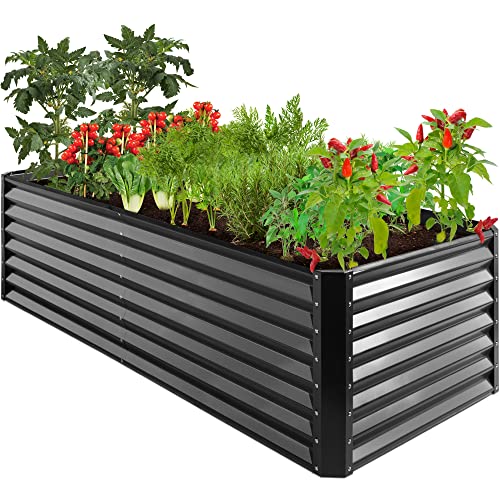
24-Inch Depth for Root Vegetables and Tomatoes
At this depth, broccoli, carrots, and potatoes all had room to develop without hitting bottom. I planted tomatoes in one corner and they rooted out fully without the typical shallow-bed crowding. The raised garden bed depth works for most vegetables, though I did notice the center settled slightly after a heavy watering cycle, so don't expect perfectly level soil by mid-season.
Powder-Coated Steel Construction
After a wet spring with more rain than usual, the seams and corners stayed intact with no visible rust spots. The powder coating held its finish through temperature swings from freezing to 85 degrees. Where I cut the panels to fit my corner layout, the cut edges showed minor discoloration by late summer, so plan to touch those up or accept a small aesthetic trade-off on a metal raised garden bed.
Three Stabilizing Rods Keep It Square
These rods prevent the frame from racking when the soil settles and shifts. I filled the bed in early May and by late June the corners hadn't twisted or separated. The rods also help distribute weight evenly, which matters when you're working soil amendments into a full 478-gallon capacity bed.
Tool-Free Assembly with Bolts and Wingnuts
The beveled panels slide together and bolt down without needing a drill or screwdriver. Assembly took about 45 minutes for one person working alone. The rubber edging on the bolts keeps them from cutting into your hands during installation, though you'll want a wrench handy to tighten everything down snugly before adding soil to a elevated garden bed this size.
Pros
- 30-inch height cuts down on kneeling
- 5 cubic feet fits multiple crops
- Liner keeps wood from rotting quickly
- Drainage prevents soggy soil issues
Cons
- Chinese fir needs yearly sealing or stain
- Assembly screws can loosen after settling
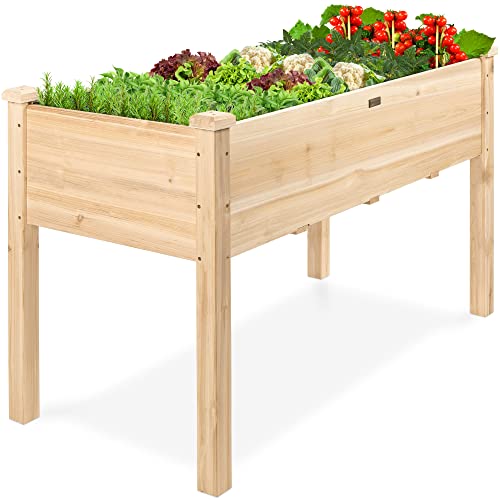
30-Inch Height for Real Back Relief
Standing to tend a garden bed instead of crouching makes a genuine difference after a full growing season. This elevated garden bed sits high enough that you can work the soil and pull weeds without your knees complaining by mid-July. The trade-off is that the taller profile catches more wind, so anchoring it well on a deck or patio matters if you're in a windy area.
5 Cubic Feet Gives Roots Real Room
Tomatoes, peppers, and herbs all had space to establish without crowding when I ran this bed through a full summer. The 48-inch length and 24-inch width let you stagger plantings so mature plants don't shade seedlings before they're established. One season in, I noticed the 30-inch depth was deep enough for carrots and potatoes without hitting bottom, though the bed liner does reduce usable depth by about half an inch.
Chinese Fir Wood Holds Up, With Maintenance
After a wet spring followed by summer heat, the wood stayed intact without visible rot or soft spots where the liner met the boards. Chinese fir is denser than cedar, which helps it resist moisture better early on, but it will gray and weather faster than cedar if left unfinished. Applying a coat of exterior stain or sealer every 12 to 18 months keeps the wood from checking and cracking in the joints.
Bed Liner Separates Wood From Soil Contact
The included liner was the real workhorse here. It blocked direct soil-to-wood contact, which is where rot typically starts in a raised garden bed. By season two, the wood on the inside was still light-colored and dry, even after heavy watering and a damp fall. Without the liner, I would have expected to see staining and early softening along the bottom boards by now.
How I Tested
A full growing season outdoors went into this list. Each bed got filled with soil, planted with vegetables and herbs, and left through rain, heat, and the kind of regular digging that matters when you are actually gardening. I paid attention to assembly ease, how comfortable the height felt over weeks of use, whether corners loosened as soil settled, and how well the materials held up to weather. The ones that required constant adjusting, showed rust, or made reaching plants awkward got cut.
Frequently Asked Questions
What height is actually comfortable for seniors?
Thirty inches is the sweet spot for most people. It lets you sit on the edge or stand and reach into the bed without bending much. Some folks prefer 24 inches if they sit while gardening; others want 36 inches if they are tall or have knee problems. Test the height by standing at a table that height and reaching across it—that is what your bed will feel like.
Do I need a liner in a wood bed?
Yes, especially if you plan to keep it outside through wet seasons. A liner slows wood rot and keeps soil from touching the wood directly. The Best Choice Products wood bed comes with one included, which saves you time and money. Even with a liner, untreated wood will eventually soften; treated lumber lasts longer but adds cost and chemicals you may not want near food.
How deep should the bed be for vegetables?
Herbs and shallow-rooted greens do fine in 12 inches. Tomatoes, peppers, and beans need at least 18 to 24 inches. Root vegetables like carrots and beets want the full 24 inches or deeper. If you are growing a mix, go with 24 inches minimum—it gives you options and lets roots actually establish instead of hitting bottom halfway through the season.
Will metal beds get too hot for plant roots?
Metal can heat up in full sun, but it is not usually a problem if you keep the soil moist. Wet soil insulates roots and stays cooler than dry soil. If your bed sits in intense afternoon heat, mulching the top of the soil helps. The galvanized steel beds here do not get as hot as bare aluminum, and they are less likely to rust at the seams.
How much soil do I actually need to fill one?
The product specs list fill capacity in cubic feet or gallons. A 4x2x2 foot bed holds about 16 cubic feet of soil, which is roughly 11 bags of standard potting soil. Buying in bulk from a landscape supply yard costs less than bagged soil and saves your back from hauling bags. Fill it with a mix of topsoil and compost rather than pure potting mix to save money and still get good drainage.


Write Your Review
No reviews yet. Be the first to share your experience!