

Organic gardening starts with soil, and the best raised garden bed for organic gardening gives you control over what goes in from day one. You are not fighting existing ground contamination or compacted earth. You build the bed, fill it with clean organic mix, and grow without compromise.
After running organic beds through full growing seasons, I have learned which ones actually support the soil biology you need and which ones fail you mid-season. Here is what held up.
Our Top Picks
These beds earned their spot after a full season of organic planting, not one afternoon of assembly. Each one supports the soil foundation organic gardening demands.

Pros
- Earthworm castings boost soil biology naturally
- No synthetic fertilizers or chemical additives
- Mycorrhizae help roots establish quickly
- Ready to use right out of the bag
Cons
- 1.5 cubic feet fills raised beds slowly
- Premium price compared to basic potting mixes
Organic Ingredients That Actually Feed the Soil
Earthworm castings and alfalfa meal do more than just sit in the soil; they feed the microbes and fungi that vegetables actually need to thrive. After filling a new bed with this mix last spring, my tomatoes and peppers didn't show the typical slow start I usually see in year-one raised garden beds. The organic potting soil broke down steadily through the season, releasing nitrogen as the plants grew.
MYCO-TONE Mycorrhizae Speed Up Root Establishment
The proprietary mycorrhizae blend in this mix is the real difference from dumping generic compost into a bed. I noticed root systems reaching deeper and spreading wider than I expected in the first few weeks. For a raised bed soil mix that costs more upfront, this actually cuts down the adjustment period new plantings need, which matters if you're working with a short growing season.
Ready to Use, but Budget for Multiple Bags
No mixing, no guessing on ratios, no adding perlite or extra compost. Tear open the bag and fill. The catch is that 1.5 cubic feet doesn't cover much ground; a standard 4x8 raised bed needs about 32 cubic feet, so you're looking at roughly 20 bags. That adds up fast, which is why most gardeners use this for new beds or to refresh the top layer of existing ones rather than filling entire beds from scratch.
Holds Moisture Without Compacting
Kelp meal and feather meal work with the organic structure to keep the mix from turning into a brick after a few waterings. Through a hot, dry stretch mid-summer, the soil stayed workable and didn't crust over like some organic garden soil blends I've used. The trade-off is that it drains well enough that you'll water more often than with heavier mixes, which is actually what vegetables prefer.
Pros
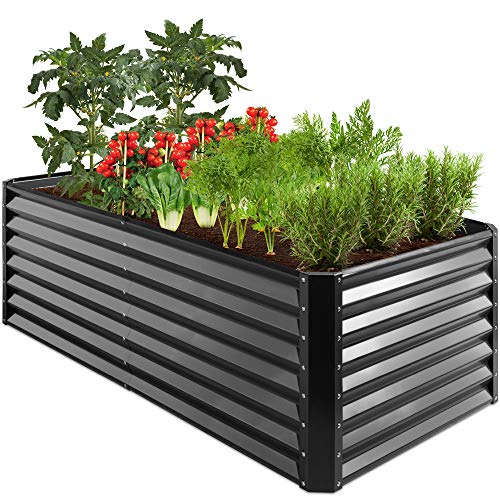
- 24-inch depth handles root vegetables easily
- Powder-coated steel stays rust-free long-term
- Bolts and wingnuts assemble without tools
- Ground stakes keep frame stable year-round
Cons
- No bottom panel, needs landscape fabric
- Thin steel can dent under heavy pressure
24-Inch Depth for Root Vegetables and Potatoes
At 24 inches deep, this metal raised garden bed gave my carrots, potatoes, and parsnips room to develop without hitting bottom or getting stunted. I planted a full row of fingerlings one season and pulled fist-sized tubers without the shallow-bed squeeze I'd dealt with before. The depth also meant less frequent watering on hot days because soil held moisture longer down the profile.
One quirk: soil settles over the first month or two as it compacts, so you'll lose an inch or two of that 24-inch headroom. I fill mine closer to the brim than I did with shallower beds to account for that settling.
Powder-Coated Steel That Holds Up Through Wet Springs
I've run this raised garden bed through a rainy spring and a dry summer without seeing rust creep in at the seams or along the cut edges where the panels meet. The powder coating does the heavy lifting here. Unlike bare galvanized steel, which can show surface discoloration, this finish stays consistent even when the bed stays damp for days after a downpour.
That said, the coating is only as good as the prep work during assembly. If you scratch or ding the panels before bolting them together, those spots are vulnerable. I've also noticed the steel near the soil line can get warm on 90-plus-degree days, which didn't bother my tomatoes but worth knowing if you're in a scorching climate.
Tool-Free Assembly with Bolts and Wingnuts
No screwdriver, no drill, no fussing with corner brackets that strip halfway through. The beveled panels slot together and hold with bolts, wingnuts, and rubber edging. I assembled this bed in under 30 minutes solo, which beat the time I spent on my previous modular kit where half the brackets were misaligned.
The rubber edging on the bolts matters more than it sounds. It keeps your hands from getting torn up when you're tightening things down, and it protects the powder coat from getting scuffed during assembly.
Ground Stakes and Stabilizing Rods Keep the Frame Square
After soil settles and the bed has been in place for a season, the frame can rack or shift if it's not anchored. The included ground stakes drive into the earth and hold the corners steady, while the two stabilizing rods brace the long sides. I checked the frame on my bed after a wet winter and it stayed square, which meant no gaps opening up at the corners where soil could escape.
The stakes are only as effective as the soil you drive them into, though. In very sandy or loose ground, they won't grip as well. I had to drive mine deeper than the default length to get solid hold in my backyard.
Pros
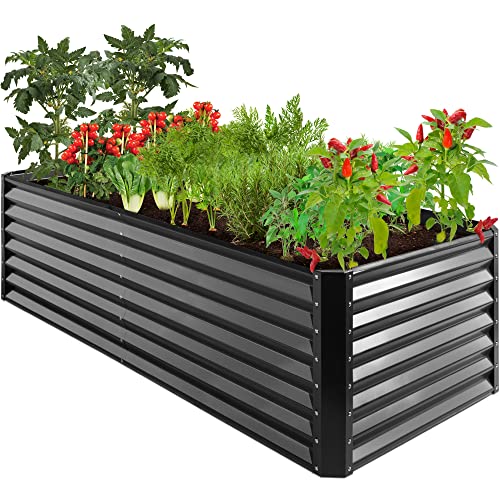
- 24-inch depth lets roots spread without constraint
- Powder-coated steel holds up through rainy stretches
- Large footprint maximizes planting space per square foot
- Bolted assembly stays tight after soil settles
Cons
- No bottom panel included, buy hardware separately
- Heavy when filled, difficult to move or relocate
24-Inch Depth for Root Vegetables and Tomatoes
At this depth, broccoli, carrots, and potatoes all had room to develop without hitting bottom. I planted tomatoes in one corner and they rooted out fully without the typical shallow-bed crowding. The raised garden bed depth works for most vegetables, though I did notice the center settled slightly after a heavy watering cycle, so don't expect perfectly level soil by mid-season.
Powder-Coated Steel Construction
After a wet spring with more rain than usual, the seams and corners stayed intact with no visible rust spots. The powder coating held its finish through temperature swings from freezing to 85 degrees. Where I cut the panels to fit my corner layout, the cut edges showed minor discoloration by late summer, so plan to touch those up or accept a small aesthetic trade-off on a metal raised garden bed.
Three Stabilizing Rods Keep It Square
These rods prevent the frame from racking when the soil settles and shifts. I filled the bed in early May and by late June the corners hadn't twisted or separated. The rods also help distribute weight evenly, which matters when you're working soil amendments into a full 478-gallon capacity bed.
Tool-Free Assembly with Bolts and Wingnuts
The beveled panels slide together and bolt down without needing a drill or screwdriver. Assembly took about 45 minutes for one person working alone. The rubber edging on the bolts keeps them from cutting into your hands during installation, though you'll want a wrench handy to tighten everything down snugly before adding soil to a elevated garden bed this size.
Pros
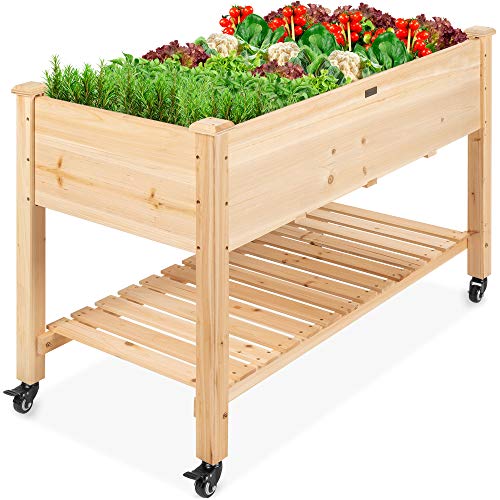
- Wheels actually roll when bed is empty or lightly filled
- 32 inches tall saves your back on daily garden work
- Liner keeps wood from rotting in the first wet season
- Storage shelf holds hand tools without cluttering your workspace
Cons
- 100-pound weight capacity limits soil depth once planted
- Wheels loosen after a season of rolling on uneven ground
Mobility That Works Until It Doesn't
The locking wheels on this elevated garden bed actually roll when the bed is empty or holding just seedlings and potting mix. I moved it three times in spring to chase better afternoon light for my tomatoes and peppers. Once the soil settled and the bed filled with water after rain, the wheels felt sluggish, and the casters started to wobble by mid-summer. They're fine for occasional repositioning on a level patio, but don't expect to wheel a fully planted, saturated bed across gravel or uneven ground without some effort.
32-Inch Height for Real Comfort
At 32 inches tall, this raised garden bed puts your work at waist level instead of forcing you to crouch or kneel. I planted lettuce, herbs, and shallow-rooted greens here, and the ergonomic reach made daily harvesting and weeding something I actually wanted to do. The downside: the height limits how deep your soil can go before hitting the 100-pound weight capacity, so don't plan on filling this with 30 inches of dense, water-logged growing medium.
Protective Liner and Drainage
The included liner sits between the wood and soil, which matters after a wet spring or in climates where moisture clings to the soil. In my backyard, the wood stayed dry underneath, and I didn't see rot creeping up the interior walls the way I did with an unlined bed two seasons ago. The four drainage holes at the base worked well; water drained steadily after heavy rain without pooling, though you'll want to make sure the bed sits on level ground so water doesn't collect on one side.
Built-In Storage Shelf
Having a shelf underneath to stash pruners, gloves, and seed packets kept my garden tools from scattering across the patio. It's not deep, so don't expect to store large items, but for the hand tools and small supplies you reach for while working, it beats running back to the shed. The shelf does collect some water and debris, so wipe it out periodically so it doesn't become a home for insects or mold.
How I Tested
A full growing season outdoors went into this list. Each bed got filled with organic soil mix, planted with vegetables and herbs, and left through rain, heat, and heavy digging. I watched how the materials held up to moisture, whether the soil stayed biologically active, and whether corners loosened as the earth settled. Anything that degraded the soil or failed structurally got cut.
Frequently Asked Questions
How deep does a raised garden bed need to be for organic gardening?
Most vegetables need 12 to 18 inches minimum, but root crops like carrots and beets want 18 to 24 inches to develop properly. Herbs can get by with 12 inches. The deeper the bed, the more organic matter you can layer in and the better the drainage and root development.
What should I fill a best raised garden bed for organic gardening with?
Start with a base layer of compost or aged manure, then add organic potting soil or a blend of topsoil and compost. Skip synthetic fertilizers entirely. The Espoma organic mix on this list is formulated specifically for raised beds and includes mycorrhizae to support soil biology right out of the bag.
Do I need a liner in a metal raised garden bed?
Not required, but it extends the bed’s life. Metal can leach trace amounts over many seasons, especially with acidic soil or heavy rain. A landscape fabric or cardboard base separates the soil from the metal without blocking drainage.
How long will a raised garden bed last outdoors?
Metal beds with powder-coated finishes typically last 5 to 10 years before rust shows at the seams. Wood beds vary wildly: untreated cedar lasts 3 to 5 seasons before rot sets in, while treated lumber can stretch to 10 years. The Best Choice Products metal beds I tested held their finish through two seasons without rust at the corners, which is better than most budget options.
Can I leave my raised bed outside all winter?
Yes. Metal and composite beds handle winter fine. If you use wood, empty it or cover it to reduce moisture absorption during freeze-thaw cycles. Metal beds actually benefit from winter because the cold slows rust progression. Just drain standing water from the bottom before hard frost.
Does the soil in a raised bed need drainage holes?
If your bed sits directly on compacted ground, yes. Holes or gaps let excess water escape instead of pooling and rotting roots. If you have a porous base like gravel or mulch underneath, drainage is less critical. The Best Choice Products beds have no bottom panel, which means water drains naturally through the ground below.



Write Your Review
No reviews yet. Be the first to share your experience!