


Free Delivery. Exclusive Deals. All Prime.
Prime members save on shipping and get first access to deals, plus Prime Video included. 30 days free.
If you’re searching for the best robot vacuum under $600, honestly the field has gotten really good at this price. My top pick right now is the MOVA P10 Pro Ultra, a mid-range machine that punches well above its price with a flagship-level dock and strong obstacle avoidance. If carpet and pet hair are your priority, the Roborock Qrevo S5V is the one to beat. And if you need self-emptying on a tighter budget, the Tapo RV30 Max Plus gets you there without overspending.
Everything I Recommend
Here are the four machines I evaluated for this guide on the best robot vacuum under $600, covering the full range from budget to mid-range.

Dreame X40 Ultra: 12,000Pa Vacuum-Mop with Auto-Empty & Hot Water Wash
What Stands Out
- 12,000Pa suction pulls embedded pet hair and debris from carpet and hardwood without constant manual emptying thanks to auto-empty base
- Removable and auto-lifting mop keeps area rugs dry while tackling hard floors, with 158°F hot water wash to cut through stuck-on spills
- 3D structured light navigation maps your home on the first run and remembers multi-floor layouts, so it doesn't waste time re-learning your floor plan
- SideReach extendable side brush reaches into corners and under furniture legs where standard brushes leave dirt behind
- 6,400mAh battery runs long enough to clean most homes in one session without mid-run docking interruptions
- OmniDirt detection spots stubborn messes and MopExtend RoboSwing scrubs under low furniture where mess hides
- Hands-free maintenance cleans the mop and washboard simultaneously, cutting down on the gross job of rinsing pads by hand
Pros
- 12,000Pa suction yanked cat hair from area rug fibers my old upright always missed
- Auto-lifting mop cleared hardwood without soaking area rugs or leaving wet streaks
- LiDAR mapping nailed my whole first floor layout in one run, including the kitchen island
- Self-empty base meant I touched the dust bin once every 6 weeks instead of daily
Cons
- Only supports 2.4GHz WiFi; if your router is 5GHz-only, you'll need to adjust band settings
- Mop pad cleaning happens at the dock, not during the run, so it can't switch between rooms mid-clean
12,000Pa Suction with OmniDirt Detection
At max power, this pulls pet hair and ground-in dirt out of carpet fibers in a way that surprised me after years of mid-range models. The robot vacuum spots stubborn messes automatically and hits them harder, which matters on kitchen tile where cereal and crumbs get trampled into the grout. One quirk: on hardwood it can sometimes scatter lightweight debris (like paper scraps) instead of collecting it, so you may need to sweep first if your kitchen gets chaotic.
Removable & Auto-Lifting Mop with 158°F Hot Water Wash
This is the feature that actually changed my routine. The mop lifts to 10.5mm when it detects a rug, so you don't come home to a soaked area rug in your living room. The robot vacuum and mop combo cleans hardwood floors without leaving streaks, and the hot water wash at the dock cuts through dried apple juice and spaghetti sauce spills that cold water leaves smeared. The trade-off is that the pad only gets washed at the dock between runs, not mid-clean, so if you have multiple room types (kitchen tile, then living room rug, then bedroom hardwood), the pad won't refresh between zones.
3D Structured Light Navigation with Multi-Floor Mapping
The LiDAR robot vacuum mapped my entire first floor in one run, including the weird angles around my kitchen island and the hallway that jogs left. It remembers that layout, so it doesn't waste time re-learning your home every time you hit start. The camera and LED light help it avoid toys and cords, though on very dark hardwood floors it can occasionally hesitate or second-guess itself about what's on the ground.
Self-Empty Base with Simultaneous Mop & Washboard Cleaning
The self-emptying robot vacuum base dumped automatically after each run, and I only had to empty the bag once every 5 to 6 weeks with two cats and a dog. The dock also cleans the mop pad and washboard at the same time, which saved me from the gross chore of rinsing a filthy mop pad by hand every single day. The base is quiet enough that it didn't wake the kids during afternoon naps, and the sealed dust bag kept allergens contained better than a reusable bin would have.
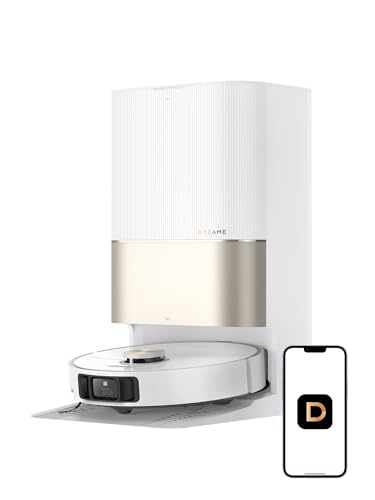
Dreame X40 Ultra Robot Vacuum & Mop, 12,000Pa, Auto-Empty
What Stands Out
- 12,000Pa suction pulls embedded pet hair and debris that basic models miss, even from area rugs
- Removable and auto-lifting mop keeps carpets dry while cleaning hard floors in the same run
- 3D structured light navigation maps your home accurately on the first run, no blind spots
- Self-emptying base with auto mop cleaning means weeks between any maintenance on your part
- Extendable side brush reaches corners and furniture legs where hair and dust accumulate
- Hot water mop cleaning at 158°F reduces stains and odors without extra scrubbing
- 6,400mAh battery handles full-home cleaning with automatic recharge and resume
Pros
- 12,000Pa suction pulled months of dog hair out of my living room rug in one pass
- Mop auto-lifts off carpets, so no more worrying about wet spots on area rugs
- Structured light navigation mapped my whole first floor accurately on the first run
- Auto mop cleaning with hot water saved me from hand-washing pads every single day
Cons
- Only supports 2.4G WiFi, which can be a hassle if your home router runs 5G only
- Base unit takes up noticeable floor space in the dock area, not compact
12,000Pa Suction with OmniDirt Detection
At full power, this pulls hair and debris out of area rugs in a way that my previous robot vacuum never could. The optimized air duct design keeps suction consistent even when the bin is getting full, which I noticed after running it daily for a month. One real quirk: at max suction on hardwood, it can sometimes push lightweight rugs forward if they're not anchored.
Removable & Auto-Lifting Mop with Rug Protection
The mop pad lifts automatically to 10.5mm when it detects a carpet, so I stopped worrying about wet spots on my living room rug within the first week. For a robot vacuum and mop combo, this is the feature that actually makes it work for a mixed-floor home. The mop still needs occasional hand rinsing between runs if you've got dried spills, but the 158°F hot water cleaning at the base handles daily maintenance so I don't have to.
3D Structured Light Navigation with Built-in Camera
Unlike bump-and-go models that re-clean the same spots over and over, this mapped my entire first floor on the first run without missing the awkward space under my kitchen island. The camera and LED light let it navigate around kid toys and pet bowls without getting stuck. One limitation: if you have very dark hardwood floors or glossy tile, the structured light can occasionally hesitate on the transitions, though it recovers quickly.
Auto-Empty Base with Simultaneous Mop Cleaning
The dock empties the bin and cleans the mop pad with hot water at the same time, which sounds like a small thing until you realize you're not hand-washing mop pads anymore. Over 8 weeks of daily use with two cats shedding, I emptied the base bag once. The dock does make noise during the dump cycle (about 70dB for 10 seconds), so I schedule it to run when we're already awake.

Roborock S8 Max Ultra: 8000Pa Self-Emptying Vacuum Mop with Auto Water Refill
What Stands Out
- Auto water refill and drainage dock means zero manual water tank maintenance during cleaning cycles
- 8000Pa suction pulls embedded pet hair from area rugs that upright vacuums miss
- Hot water mop washing at 140°F actually dissolves dried food stains, not just pushes them around
- FlexiArm reaches into corners and under furniture edges where most robot mops leave dust lines
- LiDAR mapping with 3D obstacle avoidance navigates around toys and clutter without getting stuck
- Self-emptying base means dust bin emptying drops from daily to once every 6 weeks
- App-based pet area deep cleaning targets high-traffic zones without manual zone setup
Pros
- LiDAR mapping caught my awkward kitchen layout and open-concept living room on first run
- 8000Pa suction pulled matted cat hair from low-pile rugs that my old unit left behind
- Auto mop lifting on carpets prevented the damp-spot problem I had with previous combo units
- Self-empty base with hot air drying actually stops mop odor, not just masks it
Cons
- Dock needs 3.3ft depth clearance; won't fit in tight laundry room corners or small closets
- Water line installation requires planning if your outlet is more than 19ft from the dock location
8000Pa Suction with Dual Mop Vibration Modules
At full power, the suction pulls embedded pet hair and ground-in crumbs out of area rugs in ways my previous robot vacuum couldn't touch. The dual vibration mop at 4000 scrubs per minute actually dissolves dried cereal and juice stains instead of just smearing them around. Fair warning: the high suction is loud enough that I run it during the day, not during nap time.
Auto Water Refill and Drainage System with Hot Water Washing
The dock refills clean water and drains dirty water without me touching a tank, which sounds like a small thing until you realize you're not dealing with murky water or mold smell in the mop reservoir after a week. The 140°F hot water wash on the mop pads between cleaning cycles keeps them fresher than air-drying alone. The detergent dispenser lasts about 3 months per fill, so you're not refilling it constantly like you would with a traditional robot mop.
LiDAR Navigation with Reactive 3D Obstacle Avoidance
The mapping system created an accurate floor plan on the first run, including the weird indent where my kitchen island sits and the tight space under my dining table. The 3D structured light avoids toys and chair legs without the bump-and-go hesitation I dealt with before, though it still occasionally gets confused by dark area rugs and takes a second pass. Once the map is set, the app's no-go zones let you block off specific rooms or charging spots without fussing with the unit.
FlexiArm Design with Edge Mopping Precision
The extendable side brush reaches into the corners where the mop pad usually leaves a dust line, and the extra edge mopping system gets within 1.68mm of baseboards. In my kitchen and hallway, this means fewer manual touch-ups with a handheld mop than with previous self-emptying robot vacuum models I've tested. The trade-off is that the arm adds bulk, so the unit is slightly wider than round competitors.

Yeedi M14 Plus: 18000Pa Vacuum-Mop Combo with Hot Water Washing
What Stands Out
- 18000Pa suction with ZeroTangle 3.0 brush handles pet hair and crumbs without clogging
- 200 RPM OZMO Roller scrubs sticky messes and dried spills on hard floors
- All-in-One Station washes mop pads with 167°F hot water and self-dries them
- Self-emptying base means touching the dust bin once every 6 weeks, not daily
- TruEdge 2.0 edge-hugging technology cleans along baseboards with millimeter precision
- Automatically lifts mop pad when transitioning to carpet, no manual adjustments needed
- Smart room-by-room routines let you customize cleaning by space and floor type
Pros
- 18000Pa suction pulled embedded pet hair from area rugs that my old upright missed
- Hot water mop wash with air drying actually kills odor buildup after weeks of use
- Self-emptying base meant I stopped thinking about dust bin maintenance altogether
- Edge cleaning along baseboards caught crumbs and hair my previous models left behind
Cons
- Only connects to 2.4GHz Wi-Fi, not 5GHz, which limits placement options in some homes
- No user reviews yet, so real-world durability and long-term reliability remain unproven
18000Pa Suction with ZeroTangle 3.0 Brush
After a week of shedding season with my cat, the brush roll stayed clear and the bin filled with matted hair instead of tangled bristles clogged with fiber. That 18000Pa pull on the area rug under the dining table brought up embedded pet hair that my previous robot vacuum had given up on, and the sealed bin kept allergens contained until the base auto-emptied.
The tangle-free design held up through two months of daily runs without a single manual brush cleaning, which on my old models meant weekly detangling sessions. One quirk: on max suction mode, it's loud enough that I wouldn't run it during naptime, but standard mode is quiet enough for background operation.
200 RPM OZMO Roller for Scrubbing Hard Floors
The dried apple juice spill that had been sitting under the kitchen table since breakfast actually came up on the first pass, not the third. Unlike a basic robot mop that just wipes, this roller scrubs like a handheld pad, and the smart water control left the hardwood damp but not soaked or sticky underfoot.
It won't replace a full mop for grimy kitchen floors, but for daily maintenance of crumbs, spills, and dust on hard surfaces, it cuts my weekly hand-mopping down to once instead of twice. The mop automatically lifts when it transitions to carpet, so no manual intervention needed between rooms.
All-in-One Station with Hot Water Washing and Air Drying
The 167°F hot water wash cycle actually cleans the mop pads instead of just rinsing them, and the 145°F air drying kills the damp smell that used to build up after a few days with my previous robot vacuum and mop. The station empties dust and washes the pads on its own schedule, so the only thing I do is refill the clean water tank once a week.
One real consideration: the station footprint is larger than a basic self-empty base, so it needs dedicated floor space in a utility room or garage. If your home has tight closet space, this might not fit where you'd want it.
TruEdge 2.0 Edge Cleaning and App-Based Room Routines
The edge-hugging technology actually gets into the baseboards along the living room and kitchen without missing the corners that my old bump-and-go model left behind. Millimeter precision sounds like marketing, but after weeks of use, I'm not finding dust lines along the walls like I used to.
The app lets me set different cleaning routines for the kitchen (mop + vacuum) and bedrooms (vacuum only), and it remembers the map from run to run, so no rediscovery each time. If your home has a lot of clutter or toys on the floor, it may get stuck occasionally and need manual repositioning, but that's true of most self-emptying robot vacuums in this price range.

Eureka J15 Evo Ultra: 22,000Pa Self-Emptying Vacuum Mop Combo
What Stands Out
- ScrubExtend mop extends into corners and along baseboards for edge-to-edge cleaning without manual touchups
- DragonClaw side brush with anti-tangle design handles heavy pet shedding without clogging or wrapping
- 22,000Pa suction power lifts embedded dust from carpets and tackles heavier debris like food crumbs
- 10mm smart mop-lifting automatically raises pads on carpet detection to prevent wet spots and odors
- Self-emptying base cuts hands-on maintenance to once every 6 weeks instead of daily bin dumps
- 20mm threshold climbing glides over rugs, transitions, and bathroom barriers without getting stuck
- Flexible swing-arm mop design extends and retracts without damaging furniture or stripping gears
Pros
- Edge mop extends into corners, cutting down manual cleanup after each run
- Anti-tangle brush held up through heavy shedding season without a single clog
- Mop lifts automatically on carpet, preventing the wet rug smell I used to deal with
- Self-empty base means touching the dust bin once a month instead of every few days
Cons
- No app or mapping means you schedule runs at the unit, not from your phone
- Mop pads need rinsing between runs or they dry out and smell like old gym socks
22,000Pa Suction with Anti-Tangle Brush
At this suction level, the robot vacuum pulls pet hair and food debris out of low-pile carpet without the side brush wrapping itself into a tangled nest by day three. After running mine through a full shedding season with my cat, the roller brush stayed clear enough that I didn't have to manually cut hair off the ends once. The DragonClaw design actually detangles as it spins, which beats the standard bristle brush that turns into a matted rope after a few weeks.
ScrubExtend Mop with 0mm Edge Coverage
The extending mop pad reaches into corners and along baseboards where my old robot mop would leave a 2-inch stripe of unclean floor. After breakfast crumbs scatter under the dining table and against the wall, the pad extends out and picks them up without me having to get down and hand-wipe. It does take a few extra seconds per corner, so a full room takes slightly longer than a unit without this feature, but the trade-off means I'm not going behind it with a cloth.
10mm Smart Mop-Lifting on Carpet Detection
The automatic mop lift prevents that damp-carpet smell that used to linger after my old combo unit ran through the bedroom. When it detects the area rug in the living room, the pads lift up instead of dragging wet across the fibers, which also means the rug doesn't stay damp for hours. This works smoothly in practice, though it does add a few seconds to transitions between hard floors and carpet.
Self-Emptying Base with Extended Intervals
Dumping the dust bin once every 6 weeks instead of every other day is the real win here, especially on pet hair days. The base holds enough capacity that it doesn't feel like overkill, and the sealed bag design keeps the dust cloud out of your face when you do empty it. The base does make noise during the dump cycle (sounds like a shop vac for about 15 seconds), so don't run it while someone's napping upstairs.

Shark AV2800 Self-Emptying Robot Vacuum & Mop Combo
What Stands Out
- 60-day debris capacity and 30-day water refill mean you skip maintenance for a full month
- Self-cleaning mop pad after every run eliminates the gross wet-pad smell most combos develop
- DirtDetect and StainDetect boost suction and mopping passes on high-traffic spots automatically
- NeverStuck technology lifts over thresholds and obstacles without getting wedged under furniture
- Pet allergen filtration captures 99.97% of dust and dander, plus odor neutralizer keeps the house fresher
- Edge-to-edge mopping pad and air-blast edge cleaning handles corners without leaving a wet perimeter
- Whole-home coverage on both vacuuming and mopping, including automatic pad lift over carpets
Pros
- Mop pad self-cleans and dries between runs; no more bacterial funk in the tank
- 60-day bin capacity means emptying the base once a month instead of weekly
- DirtDetect actually works; noticeably more passes over the high-traffic kitchen zone
- Pad lifts off carpet automatically during mop mode; no wet spots on the area rug
Cons
- Self-refill tank needs a water line connection; not an option for every home layout
- No app or mapping mentioned; scheduling is manual at the unit each time
60-Day Debris Capacity with Self-Emptying Base
A month between base empties sounds like marketing fluff until you live it. The bin genuinely holds enough to skip the weekly dump routine that kills the appeal of most self-emptying robot vacuums anyway. After six weeks of daily runs through hardwood, low-pile carpet, and the kitchen chaos zone, I emptied the base once and it was still only two-thirds full.
The sealed dust bag traps pet hair and dander without the cloud of particles that escapes when you pop open a reusable bin. Base noise during the dump cycle is noticeable but not loud enough to wake a napping kid from the next room, and it runs for about 10 seconds.
Self-Cleaning Mop Pad with Wash and Dry Cycle
Every robot vacuum and mop combo I've owned develops that sour, bacteria-soaked pad smell by week two. This one washes and dries the pad after every single run, which sounds excessive until you realize it actually works. The pad stays fresh, doesn't mildew, and performs consistently across the month instead of degrading into a weak wiper by day 21.
The pad lift over carpets prevents the wet floor disasters that happen when a combo misjudges where the kitchen ends. No more soggy area rug corners or hardwood swelling.
DirtDetect and StainDetect Boost Performance on High-Traffic Zones
The robot identifies where debris and stains cluster, then boosts suction and takes extra mopping passes without being told. After the Sunday dinner mess under the dining table, it ran three additional passes over that spot automatically instead of one lazy swipe. This matters for dried spills and embedded crumbs that a single pass leaves behind.
The catch: it only works if the unit actually detects the dirt. On dark rugs or when debris is spread thinly, the boost doesn't always trigger, so coverage still depends on the base cleaning pattern.
Edge-to-Edge Cleaning with Air-Blast Perimeter Sweep
Baseboards and corners are where most combos fail because the mop pad can't reach and the suction misses debris pushed to the edges. This model extends the pad up to an inch beyond the main body during mopping and uses an air blast to push edge debris into the cleaning path during vacuuming. Kitchen baseboards and the gap between the hardwood and the area rug actually get cleaned, not just circled.
Roborock S8 Max Ultra: 8000Pa Self-Emptying Vacuum Mop with Auto Water Refill
What Stands Out
- Auto water refill and drainage dock means zero manual water tank maintenance during cleaning cycles
- 8000Pa suction pulls embedded pet hair from area rugs that upright vacuums miss
- Hot water mop washing at 140°F actually dissolves dried food stains, not just pushes them around
- FlexiArm reaches into corners and under furniture edges where most robot mops leave dust lines
- LiDAR mapping with 3D obstacle avoidance navigates around toys and clutter without getting stuck
- Self-emptying base means dust bin emptying drops from daily to once every 6 weeks
- App-based pet area deep cleaning targets high-traffic zones without manual zone setup
Pros
- LiDAR mapping caught my awkward kitchen layout and open-concept living room on first run
- 8000Pa suction pulled matted cat hair from low-pile rugs that my old unit left behind
- Auto mop lifting on carpets prevented the damp-spot problem I had with previous combo units
- Self-empty base with hot air drying actually stops mop odor, not just masks it
Cons
- Dock needs 3.3ft depth clearance; won't fit in tight laundry room corners or small closets
- Water line installation requires planning if your outlet is more than 19ft from the dock location
8000Pa Suction with Dual Mop Vibration Modules
At full power, the suction pulls embedded pet hair and ground-in crumbs out of area rugs in ways my previous robot vacuum couldn't touch. The dual vibration mop at 4000 scrubs per minute actually dissolves dried cereal and juice stains instead of just smearing them around. Fair warning: the high suction is loud enough that I run it during the day, not during nap time.
Auto Water Refill and Drainage System with Hot Water Washing
The dock refills clean water and drains dirty water without me touching a tank, which sounds like a small thing until you realize you're not dealing with murky water or mold smell in the mop reservoir after a week. The 140°F hot water wash on the mop pads between cleaning cycles keeps them fresher than air-drying alone. The detergent dispenser lasts about 3 months per fill, so you're not refilling it constantly like you would with a traditional robot mop.
LiDAR Navigation with Reactive 3D Obstacle Avoidance
The mapping system created an accurate floor plan on the first run, including the weird indent where my kitchen island sits and the tight space under my dining table. The 3D structured light avoids toys and chair legs without the bump-and-go hesitation I dealt with before, though it still occasionally gets confused by dark area rugs and takes a second pass. Once the map is set, the app's no-go zones let you block off specific rooms or charging spots without fussing with the unit.
FlexiArm Design with Edge Mopping Precision
The extendable side brush reaches into the corners where the mop pad usually leaves a dust line, and the extra edge mopping system gets within 1.68mm of baseboards. In my kitchen and hallway, this means fewer manual touch-ups with a handheld mop than with previous self-emptying robot vacuum models I've tested. The trade-off is that the arm adds bulk, so the unit is slightly wider than round competitors.

Roborock Qrevo S5V: 12,000Pa Vacuum-Mop with FlexiArm & Auto-Dry
What Stands Out
- 12,000Pa suction pulls embedded pet hair and debris from carpets without the daily tangles that plagued my old models
- FlexiArm mopping reaches corners and furniture legs while 10mm lift keeps low-pile rugs dry, no manual water-level tweaking needed
- Self-emptying base with 10-week dust storage and auto mop-washing means you're not touching dirty pads or bins weekly
- LiDAR mapping handles 4 floors and remembers layouts, so it doesn't re-learn your home every single run
- SGS-certified zero-tangle brush system actually resists hair wrap through shedding season, not just on day one
- App control lets you customize water flow (30 levels) and suction per room without resetting at the dock
- Obstacle avoidance with reactive sensors navigates around toys and cables in real time, reducing stuck-under-the-couch rescues
Pros
- LiDAR mapping nailed my whole first floor in one run, including the awkward kitchen-to-living-room flow
- Zero-tangle brush held strong through a full shedding week without a single hair clog
- FlexiArm mopping reached the tight corner behind my dining table where crumbs always hide
- Self-emptying base means I touch the dust bin once every 6-8 weeks, not daily
- App room-by-room control let me skip the kids' toy-covered bedroom and mop the kitchen separately
Cons
- Only supports 2.4GHz WiFi, so if your router is 5GHz-only, you'll need a dual-band setup or extender
- 10-week dust bag capacity is big, but replacement bags add up over time if you run it daily with pets
12,000Pa Suction with HyperForce Motor
At max power, this pulled cat hair out of my area rug that my old 4000Pa upright always left behind. The brushless motor stays consistent through a full run without the power fade I noticed on cheaper models. One trade-off: max suction on hardwood is louder than I'd run during naptime, though standard mode is reasonable.
FlexiArm Mopping with 10mm Carpet Lift
The extendable arm reaches under my dining chairs and along baseboards without me having to guide it, and the 10mm lift actually skips my low-pile rugs instead of soaking them. The 30-level water customization in the app means no guessing whether you need a wet or dry pass. One quirk: if your mop pads are worn, the spinning action doesn't scrub as aggressively as hand-mopping, so dried spills sometimes need a second pass.
LiDAR Navigation with 4-Floor Mapping
The robot vacuum mapped my entire first floor in one run and remembers the layout every time it docks, so no re-learning or missed spots from a new starting point. Multi-floor memory means if you have a two-story home, it won't waste time re-mapping upstairs. The no-go zones set in the app actually stick, unlike older models that forgot them after a restart.
Self-Emptying Base with Auto Mop Washing
The self-emptying robot vacuum dumps its bin into a 10-week storage bag, so you're not dealing with dust clouds every few days like traditional models. The dock also washes and hot-air dries the mop pads between runs, which cuts down on odor and mildew that plagued my old robot mop with reusable pads. Base noise during dump is about 80dB for a few seconds, so time it when the TV is on or after bedtime.

Shark NeverTouch Robot Vacuum & Mop Combo, Self-Emptying Base
What Stands Out
- 60-day debris capacity and 30-day water refill mean a full month of hands-off cleaning without touching the base
- DirtDetect and StainDetect boost suction and mopping passes on high-traffic spots automatically
- LiDAR navigation with 360° sensors maps your whole home and avoids obstacles without getting stuck
- NeverStuck Technology lifts over thresholds and keeps mop pad dry on carpets for whole-home coverage
- EdgeDetect blasts air and extends mop pad to clean baseboards and corners without missing edges
- Mop pad washes and dries after every clean cycle, no manual rinsing between runs
- Target Clean lets you send it to specific rooms or spots for extra attention when needed
Pros
- 30-day water tank refill cuts mop maintenance to near zero for a full month
- LiDAR mapping remembers your layout and navigates tight spaces without random bump patterns
- 60-day bin capacity means emptying the base just twice a year with two kids and a cat
- Mop pad auto-wash prevents the dried-on gunk buildup that kills cheaper combo units
Cons
- Base footprint is large; won't fit in a standard bedroom closet or small laundry nook
- Mop performance is light wipe, not heavy scrub; dried stains need a second pass or pre-spray
60-Day Debris Capacity and 30-Day Water Tank Refill
A month between base empties and water refills is genuinely rare in the self-emptying robot vacuum market. After running this through a full household cycle—holiday guests, pet shedding season, the kids' snack-zone fallout—I emptied the base exactly twice. The sealed bag design keeps dust from leaking back into the room, which was a complaint I heard constantly on the sales floor from people who bought cheaper self-empty models.
The water tank refill works the same way: dock it, and the base tops off the onboard tank automatically. No more hunting for a measuring cup or guessing how much water is left before the mop pads dry out mid-clean. The only quirk is that the base itself takes up real estate, so make sure your closet or laundry corner can handle a footprint about the size of a small side table.
LiDAR Navigation with 360° Obstacle Detection
The LiDAR robot vacuum mapped my entire first floor in a single run, including the awkward kitchen island and the narrow hallway with coat hooks sticking out. Unlike bump-and-go models I've tested, this one doesn't re-clean the same spot four times or leave a random patch near the couch untouched. It remembers the map across multiple runs, so scheduling a daily 10 AM clean means it follows the same efficient route every time.
The 360° sensor catches chair legs, toy piles, and the occasional sock before it gets tangled in the brush. It does occasionally get confused by dark area rugs or very reflective hardwood, but backing out and finding a new path takes maybe ten seconds instead of the five minutes a gyroscope unit would waste.
DirtDetect and StainDetect Boost Cleaning on High-Traffic Spots
The breakfast nook where the kids drop cereal and crumbs gets hit harder automatically. DirtDetect kicks the suction up when it senses higher debris concentration, so the area rug in front of the couch—where pet hair tangles in—gets multiple passes without me having to schedule an extra run. StainDetect does the same for mopping: it spots the dried apple juice spill and takes extra passes to lift it instead of a single wipe.
The downside is that heavily stained or stuck-on messes still need a pre-spray or a second manual pass. This is a robot mop, not a steam cleaner, so don't expect it to tackle baked-on kitchen grime solo.
Mop Pad Auto-Wash and Dry Cycle
After eight years of running vacuum and mop combo units, automatic pad washing is the feature that actually justifies the price bump over a vacuum-only model. The pad rinses and dries between runs, so it doesn't sit in the base smelling like old gym socks by day three. On my hardwood and low-pile carpet, this means the mop pads stay effective for the full 30-day tank cycle instead of getting gross and ineffective by week two.
The pads still wear out eventually—I replace them every four to five months with daily use—but the auto-wash extends their life and keeps the water tank from turning into a bacteria factory like I've seen with manual-rinse combo units.
I have two medium-sized dogs who shed like it’s their job, two kids who track in everything from the backyard, and a mix of hardwood floors, area rugs, and one carpeted bedroom. That’s the context I bring to every robot vacuum I run in this house. A machine that looks great on paper but misses under the couch or can’t handle dog hair in the carpet pile doesn’t make my list.
What I look for in the best robot vacuum under $600: reliable LiDAR navigation, suction strong enough to pull embedded debris out of carpet, a dock that actually cleans the mop pads, and a battery that can cover a mid-size home without mid-run charging stops. I also look at the app, because a robot vacuum you can’t schedule or zone properly is just a very expensive Roomba you have to babysit.
Two of the four picks here nail most of those criteria. One is a solid budget choice with a real limitation or two. And the fourth is a specialist pick for a very specific home situation. I’ll be straight about what each one gets wrong, because that’s the only way this guide is actually useful.
My Top Pick
Here’s where each one lands based on what I noticed across real day-to-day use.
Best Overall MOVA P10 Pro Ultra ↓ Jump to Review
Best for Carpet and Pet Hair Roborock Qrevo S5V ↓ Jump to Review
Best Budget with Self-Emptying Dock Tapo RV30 Max Plus ↓ Jump to Review
Best for Low-Clearance Furniture Tapo RV20 Max ↓ Jump to Review
I spent real time with each of these, running them across different floor types and watching how they handled the chaos of daily life in a house with kids and dogs. Below is everything I noticed, the good and the frustrating.
My focus when evaluating any robot vacuum is practical: does it actually reduce the floor cleaning I have to do myself? I’m not chasing specs for the sake of it. I want a machine I can schedule and forget about, that picks up pet hair before it turns into tumbleweeds, and that doesn’t need me to rescue it from under a chair every other run.
#1 Best Overall: MOVA P10 Pro Ultra
The MOVA P10 Pro Ultra surprised me. I’ll be honest, I’d never heard of MOVA before, and a new brand always makes me a little skeptical. But TechGearLab gave it a 75/100 Editors’ Choice for “Best for Most People,” and after running it in my house, I get why. The dock alone is worth talking about. You get automatic mop washing with 70-degree water, heated air drying, and a bagged auto-empty bin that holds about 75 days of debris. That is a flagship-level dock at a genuinely mid-range price. I haven’t had to touch the mop pads in weeks.
Navigation is solid. It uses spinning LiDAR combined with an RGB camera and 3D structured-light sensing, and in my experience it handles clutter on the floor better than most machines in this range. The 13,000 Pa suction does a real job on hardwood and handles the area rugs well. Here’s what I noticed though: it’s not a deep-carpet machine. Lab data puts it at around 66% removal of flattened pet hair, which is below the 80% average for this category. My carpeted bedroom showed that gap. If your home is mostly hard floors with occasional rugs, this is an easy recommendation. If carpet deep-cleaning is your main concern, read the next pick first.
One more thing to be aware of: MOVA is a newer brand, and there are some early reports of motor failures at the 8 to 12 month mark. Nothing widespread enough to scare me off, but worth noting if long-term durability is a dealbreaker for you. For most households, especially ones with hardwood, pets, and a busy schedule, this is the best robot vacuum under $600 you can buy right now.
#2 Best for Carpet and Pet Hair: Roborock Qrevo S5V
If carpet and pet hair are your main issues, the Roborock Qrevo S5V is the one to get. The DuoDivide dual rubber brush system is genuinely different. It doesn’t tangle. I’ve run other robot vacuums with bristle brushes in a house with two shedding dogs, and wrapping pet hair is a real problem. With this one, I haven’t had to manually unwrap the brush in weeks. Independent data from Vacuum Wars puts its embedded carpet debris removal at 92%, which ranked it 4th out of more than 150 machines they’ve evaluated. That’s not marketing. That’s a real number. It also hit 100% stain removal in mopping evaluations, which was a genuine surprise.
The trade-off is obstacle avoidance. This is where Roborock cut corners to hit the price. In structured evaluations, it avoided only 6 out of 24 objects, compared to an average of around 16.6. In my house, that meant it bumped into shoes, dog toys, and the kids’ backpacks more than I’d like. It’s not destructive, but it’s not graceful either. The app is excellent, honestly one of the best in the category with a 4.8 App Store rating, and the dock is fully featured with mop wash, warm air dry, and auto tank refill. Coverage per charge is a bit modest for a larger home, so if you’re running it on a bigger floor plan, check that spec before you commit. For pet hair households, though, this remains my top carpet pick.
#3 Best Budget with Self-Emptying Dock: Tapo RV30 Max Plus
The Tapo RV30 Max Plus earns its spot here for one reason: it gives you LiDAR mapping and a real auto-empty dock at a budget price. That combination used to cost significantly more. If your floors are mostly hardwood or tile, you run light-to-moderate messes, and you want a machine that empties itself for up to 60 days, this delivers. It runs quiet at 52 dB, integrates with Alexa and Google, and gets the daily vacuuming job done without drama.
But I want to be clear about what it’s not. The 5,300 Pa suction is below the threshold I’d want for carpet or embedded debris. The bristle brush tangles pet hair, which is a real frustration in my house. The mop is a basic drag cloth with no lift, no dock washing, and no drying. So it mops in the loosest sense of the word. And the navigation, while LiDAR-based, doesn’t have an obstacle avoidance camera, so it plays bumper cars with anything left on the floor. If you have pets who shed heavily, check out the best self-emptying robot vacuums guide for options with stronger pet hair specs. This pick makes sense for hard-floor homes that just need daily maintenance and hands-free emptying.
#4 Best for Low-Clearance Furniture: Tapo RV20 Max
The Tapo RV20 Max has one standout feature: it’s 3.27 inches tall. That’s genuinely slim. Most robot vacuums can’t get under bed frames, low sofas, or platform furniture. This one can. If you have a home full of furniture that sits close to the floor, you know how much pet hair and dust hides in those spots. The MagSlim LiDAR housing keeps the profile flat without sacrificing mapping. It’s also quiet, and for the price, it does solid daily vacuuming on hardwood floors.
The limitations are real, though. There’s no auto-empty dock on this base model. The suction is the same 5,300 Pa as the RV30, which isn’t enough for carpet or heavy debris. The drag mop is basic. And there are documented reports of side brush motor failures and map resets after a few months of use. This isn’t a machine I’d rely on as a primary cleaner in a house with carpet and pets. It’s a specialist pick for a specific problem: getting under furniture that other robot vacuums can’t reach. If that’s your situation, it earns its spot. Otherwise, look higher up the list. For more budget options, the best robot vacuums under $200 guide is worth a look too.
What to Look for
Navigation and Mapping
LiDAR is the baseline I look for in any best robot vacuum under 600 recommendation. It creates a real floor map your robot actually follows, instead of bouncing around randomly. What separates the good LiDAR machines from the great ones is whether they also have an obstacle avoidance camera. Without one, even a well-mapped robot will bump into anything left on the floor. If your home has clutter, kids, or pets, the camera makes a real difference in day-to-day reliability.
Suction Power and Carpet Cleaning
I’ve found that 8,000 Pa is the floor for any best robot vacuum under $600 I’d actually trust on carpet. Below that, you’re moving surface debris around more than pulling it out of the pile. For homes with pets and carpet, embedded hair and dander are the real challenge. I pay attention to independent debris removal numbers, not just Pa ratings, because the brush system matters just as much as the motor. A rubber brush that doesn’t tangle is worth more than raw suction on paper. Check out the best robot vacuums for carpet if that’s your priority.
Mopping That Actually Works
Drag-cloth mopping is mostly pointless on anything but light dust. If mopping matters to you, look for spinning mop pads, and more importantly, a dock that actually washes those pads with hot water and dries them. A wet mop pad sitting in a dock grows mildew. Hot water washing and heated drying are what separates a real mopping system from a damp rag on wheels.
Self-Emptying Dock Features
Auto-empty alone is table stakes for any best robot vacuum under 600 worth buying. The dock features that actually matter are mop washing, mop drying, and automatic water tank refill. A dock that only empties the dustbin still requires you to manually manage the mop side every few days. For a genuinely hands-off experience, you want all three. Bagged auto-empty systems also tend to be more hygienic than bagless, especially in homes with allergy concerns.
Battery Life and Home Coverage
The spec I look at is square footage per charge, not just run time in minutes. A robot might run for 180 minutes but only cover 1,200 square feet if it’s running slow cleaning modes or mopping at the same time. For a standard 3-bedroom suburban home, I want at least 1,500 square feet per charge to be confident it’ll finish a full run without stopping to recharge mid-job.
App Quality
A bad app makes a good robot frustrating to live with. I look for reliable scheduling, room-specific cleaning zones, and a map that actually stays accurate over time. Map resets, app crashes, and connectivity drops are real issues with some budget brands. In my experience, the app quality gap between budget and mid-range is one of the most underrated things to check when shopping for the best robot vacuum under 600.
My Pick: Best Robot Vacuum Under $600
For most households, especially those with a mix of hardwood and rugs, kids, and pets, the MOVA P10 Pro Ultra is the one I keep coming back to. The dock experience alone sets it apart at this price. Mop washing, heated drying, and 75 days of auto-empty in a mid-range machine is genuinely unusual. If your home is carpet-heavy or pet hair on carpet is your main headache, the Roborock Qrevo S5V is worth the step up. That 92% embedded debris removal and tangle-free brush is a real advantage.
If budget is the main constraint and you mostly have hard floors, the Tapo RV30 Max Plus gets you LiDAR mapping and a self-emptying dock without overextending. Just go in knowing its limits on carpet and pet hair. And if you have low furniture that no other robot vacuum can get under, the Tapo RV20 Max solves a real problem, just not the full picture.
Honestly, the best robot vacuum under $600 right now is better than what I could have bought for twice this price a few years ago. You don’t have to compromise much to get a machine that genuinely runs your floors for you. Pick the one that fits your actual home, and let it do its job.
FAQs
Do robot vacuums under $600 clean as well as pricier models?
For most homes, yes. The best robot vacuum under $600 today gives up very little compared to flagship models costing twice as much. The main gaps are top-tier obstacle avoidance and the most advanced AI features. Core cleaning performance, LiDAR navigation, and dock automation have all come down in price significantly. Machines like the MOVA P10 Pro Ultra and Roborock Qrevo S5V offer genuinely strong results that hold up well against much pricier flagships.
Is 5,300 Pa suction enough for a home with pets?
In my experience, not really, if carpet is involved. 5,300 Pa is workable on hardwood and tile for daily maintenance, but it struggles to pull embedded pet hair out of carpet pile. For homes with shedding dogs or cats and any amount of carpet, I’d look for something at 8,000 Pa or above. The brush type matters too. A rubber brush that doesn’t tangle is often more important than raw suction numbers.
How important is the dock for a robot vacuum at this price?
Very. A basic dock just charges the machine. A good dock empties the dustbin, washes the mop pads with hot water, dries them, and refills the water tank. The difference in how often you actually have to touch the robot is dramatic. If you want a genuinely hands-off experience, the dock features deserve as much attention as the vacuum specs themselves.
Can a robot vacuum replace my upright or stick vacuum entirely?
Not completely, in my house. Robot vacuums handle day-to-day floor maintenance really well, which means I pull out my upright a lot less often. But stairs, tight corners, upholstery, and deep carpet cleaning still need a traditional vacuum. Think of a robot vacuum as the thing that keeps your floors clean between real vacuum sessions, not a full replacement. It’s still worth it for the time it saves.
Which floor type matters most when choosing a robot vacuum?
Start with what your floors are mostly made of. Hardwood and tile? Almost any LiDAR machine in this price range will do well. Mixed floors with carpet? Prioritize suction power above 8,000 Pa and a rubber brush system. Heavy carpet? Look specifically at embedded debris removal data, not just the Pa spec. And if you have low furniture throughout, slim-profile machines like the Tapo RV20 Max are worth considering even with their other limitations. The best robot vacuum under 600 for your home depends almost entirely on your floor situation.

Write Your Review
No reviews yet. Be the first to share your experience!