

Try Amazon Prime free for 30 days
Fast free delivery on heavy items, plus Prime Video, Prime Music and member-only deal prices.
Honest quick take before we get into it: the MOVA S10 is the one I’d grab at this price range without much debate. LiDAR mapping, 7,000 Pa suction, and a mop that actually lifts off rugs instead of dragging wet across them. That’s a lot for around $140. If you want hands-off bin management and don’t have pets, the TP-Link Tapo RV30 Max Plus is the self-emptying pick at around $300. The iRobot Roomba Combo Essential suits smaller homes where simplicity matters more than smart mapping.
Everything I Recommend
These are the robot vacuums under $300 worth actually looking at right now. I keep this updated as prices shift and better options come along.
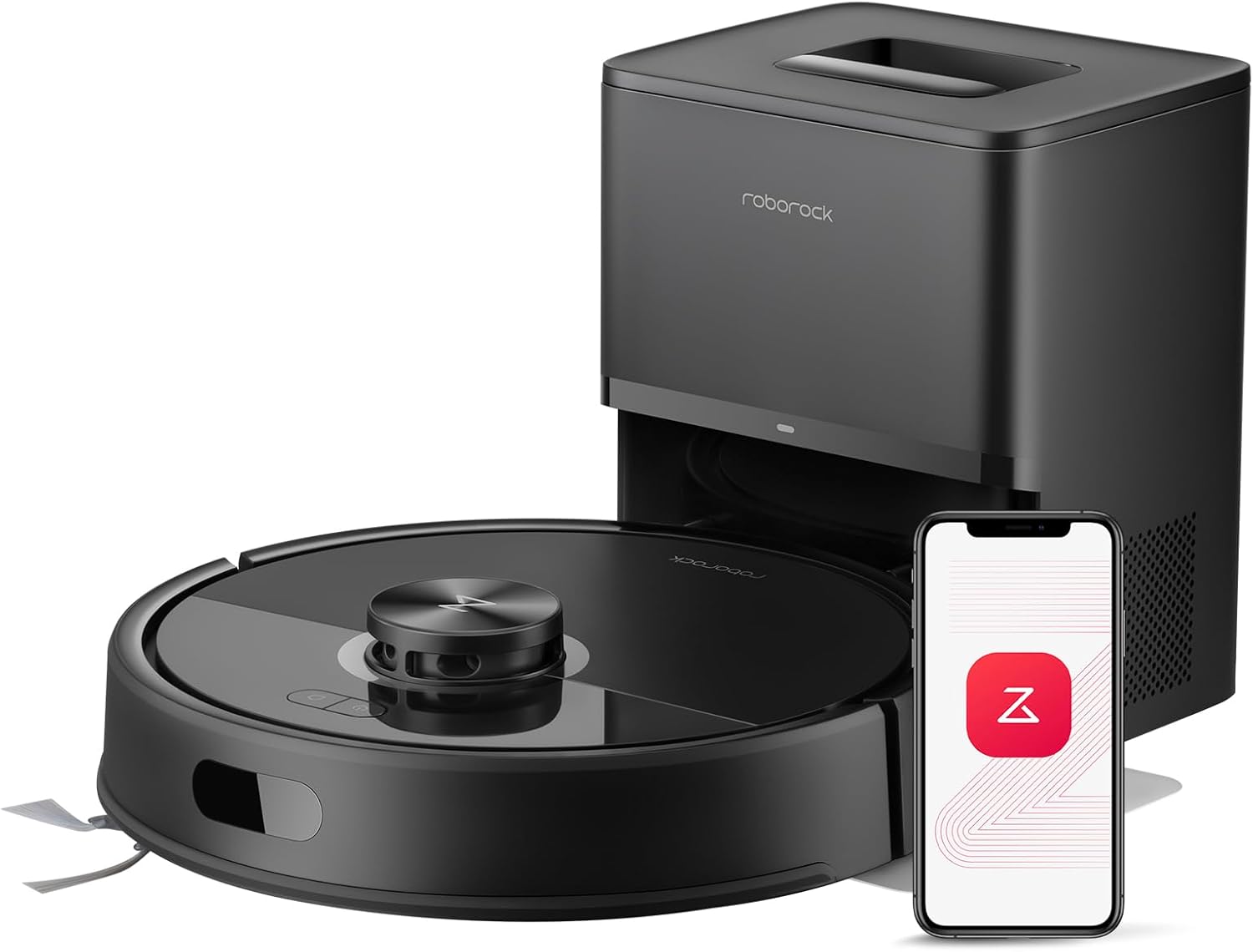
Pros
- 10,000Pa suction handles deep carpet and pet hair well
- 7 to 9 weeks between dock empties with 2.7L bag
- JawScrapers brush keeps hair out of the roll
- PreciSense LiDAR maps accurately across multiple floors
- Vacuum and mop combo with 3 water flow settings
Cons
- 150-minute battery may need a recharge in larger homes
- 2.4GHz WiFi only, can cause pairing issues on some routers
- 65dB noise level is noticeable in quieter rooms
7 to 9 Weeks Between Emptying
The 2.7L sealed dust bag in the RockDock Plus is one of the larger capacities you will find in this price range. With daily runs and two dogs I empty it closer to every three weeks, not seven. But compared to robots without a self-emptying dock or with smaller 1L bags, the difference in how often I have to think about it is real. The bag seals on removal so dust does not puff back out when I swap it.

10,000Pa Suction That Holds Up on Carpet
The HyperForce suction at 10,000Pa pulls embedded debris out of medium pile carpet in a single pass. On the living room rug after a week of daily runs I could see the difference in how the pile stood up. On hardwood it handles pet hair and fine dust without leaving lines. The JawScrapers brush design keeps long hair from wrapping around the roll mid-run, which used to be my biggest frustration with budget robots.
Anti-Tangle Brush That Actually Prevents Tangles
The combination of the JawScrapers main brush and a zero-tangle side brush means hair goes into the bin rather than wrapping around the axle. After a month of daily use with two shedding dogs I checked the brush roll and it needed a wipe, not the ten-minute untangle session I used to do weekly with my old robot. For pet owners that maintenance reduction alone justifies the upgrade over a basic bump-and-turn model.
LiDAR Navigation That Routes Efficiently From the Start
PreciSense LiDAR builds a precise floor map on the first run and refines it over the next few sessions. The route becomes noticeably more efficient after the map settles in, running in organized rows rather than overlapping passes. Multi-floor map storage means I can carry it upstairs and it loads the right map automatically without having to remap from scratch.
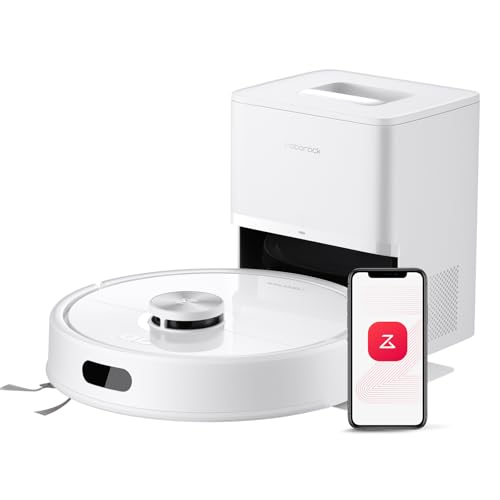
Pros
- LiDAR mapped my entire first floor in one pass, including tight spots around furniture
- Tangle-free brush held up through heavy shedding season without needing mid-run cleanings
- Self-empty base means I empty the bag maybe once every 6 weeks, not daily like my old unit
- Mop function picked up dried spills and sticky spots without needing a separate robot mop
Cons
- App requires 2.4GHz Wi-Fi only, so dual-band routers need manual setup to avoid the 5GHz band
- Mop pad dries out between runs if you're not running it daily, so performance drops on week-old water
10000Pa Suction with Dual Anti-Tangle Brushes
At full power, this pulls embedded pet hair out of area rugs in one pass instead of the two or three passes my old unit needed. The JawScrapers main brush and the side brush with its 0% hair-tangling design mean you're not stopping the bot every other run to hand-clean the roller. That said, even tangle-free brushes still need a quick wipe every couple weeks during heavy shedding season, but you're talking 30 seconds instead of 5 minutes.
PreciSense LiDAR Navigation with Real-Time Mapping
Unlike bump-and-go models that wander in circles and miss spots, this LiDAR robot vacuum created a precise map of my first floor on the first run, including the kitchen island, the awkward hallway jog, and the living room corners where toys pile up. The app shows the map in real time, and you can set no-go zones around pet beds or areas you want skipped. It remembers the layout between runs, so it doesn't re-map your home every time you hit start.
2.7L Self-Emptying Base with 7-9 Week Capacity
The sealed dust bag holds enough debris that you're emptying the base maybe once every 6 to 9 weeks instead of dumping a small bin every few days. For a busy household with pets, this is the feature that actually saves time. The base is louder during the dump cycle (sounds like a small shop vac for about 10 seconds), so don't expect to run it while someone's on a call, but the noise is brief and predictable.
Vacuum and Mop in One Pass with Adjustable Water Flow
Running this robot vacuum and mop combo in one cycle means you're not scheduling separate passes for hardwood and tile. The three water flow settings let you dial it down for delicate surfaces and crank it up for the kitchen spill zone. The mop pad does a decent job on dried spills and sticky spots, though it's not a replacement for a dedicated robot mop if your home is mostly hard floors.

Pros
- Fits under couches and beds that stopped other robots cold, clearing dust buildup in tight spaces
- ZeroTangle brush stayed hair-free through full shedding season without manual cleaning or clogs
- Omni Station handles mop washing and drying; you refill water maybe twice a week, not daily
Cons
- Mop function works best on hard floors; carpet transition can leave some moisture behind
- Omni Station footprint is large; needs dedicated floor or shelf space in laundry room or closet
3.19" Ultra-Slim Design for Under-Furniture Cleaning
At just over three inches tall, this robot vacuum slides under my couch, bed frame, and the low-clearance cabinet in the kitchen where dust bunnies used to hide year-round. Standard-height robots stop short, but this one actually reaches those spaces and pulls out the debris that was never getting touched before. The tradeoff is that the slim profile means a slightly smaller dust bin, so you'll empty it a touch more often than a bulkier model.
15,000Pa Suction with ZeroTangle 2.0 Anti-Tangle Brush
After running this through a full shedding cycle with my cat, the brush roll stayed clear of hair wraps that used to require weekly manual cleaning on my old unit. The pet hair robot vacuum design pulls embedded fur out of the area rug without the constant clogging that made previous combos frustrating. That said, the mop function does pull some water onto carpet edges during transitions, so I've learned to run it on hard floors only if mopping is the goal that day.
TruEdge 2.0 Edge and Corner Cleaning
The extended side brush and mop reach into corners and along baseboards in a way that bump-and-go units never managed, cutting down on the manual touch-ups I used to do by hand. The dining room baseboards actually stay clean now instead of collecting the crumb line that built up between robot runs. One quirk: it can get a bit aggressive with the extended brush near chair legs, so I've set a few no-go zones around furniture I didn't want scratched.
Omni Station Auto-Empty, Mop Wash, and Water Refill
The all-in-one self-emptying robot vacuum base handles the dust dump, mop pad cleaning, and hot air dry cycle without any intervention from me except refilling the water tank every couple of days. This cuts the daily maintenance down to almost nothing, which is the whole reason I switched to a combo unit in the first place. The base itself is bulky and needs a dedicated spot, so plan for a laundry room or closet rather than hiding it in a corner of your living room.
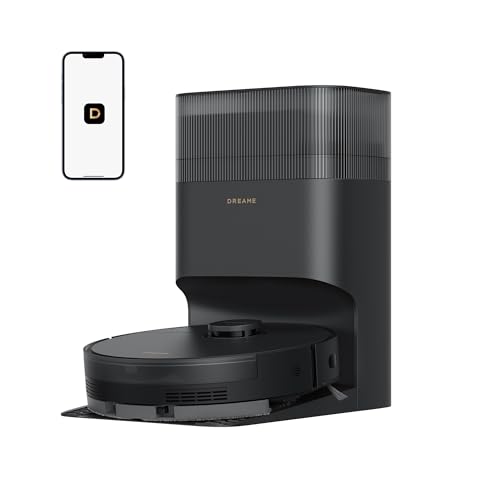
Pros
- LiDAR mapped my entire first floor in one run, including the awkward kitchen island
- Self-empty base means touching the dust bin once every few months, not daily
- DuoBrush held up through shedding season without tangling or clogging
- Mop function handles dried spills on hardwood that vacuuming alone would miss
Cons
- Water tank is only 350ml, so mopping large spaces requires refilling mid-run
- Requires 2.4GHz WiFi connection; 5GHz networks need manual switching
13,000Pa Suction with DuoBrush Anti-Tangle System
At full power, this pulls embedded pet hair out of area rugs in a way my old upright never managed. The rubber bristles on the DuoBrush don't wrap hair the way traditional rollers do, which means I'm not pulling it apart every week during shedding season. Fair warning: it's still a pet hair robot vacuum, so you'll still find the occasional strand wrapped around the side brush, but it's dramatically less than what I dealt with before.
Self-Emptying Base with 5L Dust Bag Capacity
After 8 years of robot vacuums, this is the feature that actually changed my daily life. The base holds up to 150 days of dust before needing a bag swap, which means I touch the bin roughly once every 4 to 6 months instead of every other day. The sealed dust bag keeps allergens contained, and the dump cycle is reasonably quiet for a self-emptying robot vacuum (not silent, but not a jet engine either).
LiDAR Mapping with Editable Floor Plans
The Pathfinder navigation mapped my whole first floor, including the kitchen, living room, and hallway, on the first run without any bump-and-go confusion. I can set no-go zones around the kid's toy pile and the area where the dog bowl sits, and the unit remembers the layout every time it runs. Multi-floor memory works smoothly too, so I don't have to re-map if I move it upstairs for a week.
2-in-1 Vacuum and Mop with Adjustable Water Levels
Running vacuum and mop simultaneously saves me a step on hardwood, and the 32 water level settings let me dial in light dampness for sealed wood or more aggressive moisture for tile. The 350ml water tank is on the small side for large spaces, so you'll refill it mid-clean if you're mopping more than 800 square feet in one go. On hardwood with dried spill spots, it actually scrubs instead of just wiping, which picks up what the vacuum alone would leave behind.

Pros
- Rubber roller brush stayed tangle-free through a full shedding season without one clog
- LiDAR mapped my entire first floor in under 3 minutes on the first run
- 160-minute battery finished my 2000+ sq ft main level without needing a recharge mid-clean
- 90-day dust bag capacity means I empty the base roughly once every 12 weeks, not every few days
Cons
- Mop function is a light wipe, not a scrub; dried spills need a pre-soak or manual pass
- No reviews yet, so real-world durability and app stability remain unproven at scale
8000Pa Suction with Dual Anti-Tangle Brushes
At full power, this robot vacuum pulled embedded cat hair out of my low-pile living room rug in one pass, something my previous bump-and-go model left behind. The rubber roller and arched side brush design kept the bristles clear through three weeks of heavy shedding without a single hair wrap, which is the first real test of a pet-focused unit. The automatic carpet boost kicked in the moment the sensors detected the dining room rug, so suction ramped up without me touching the app.
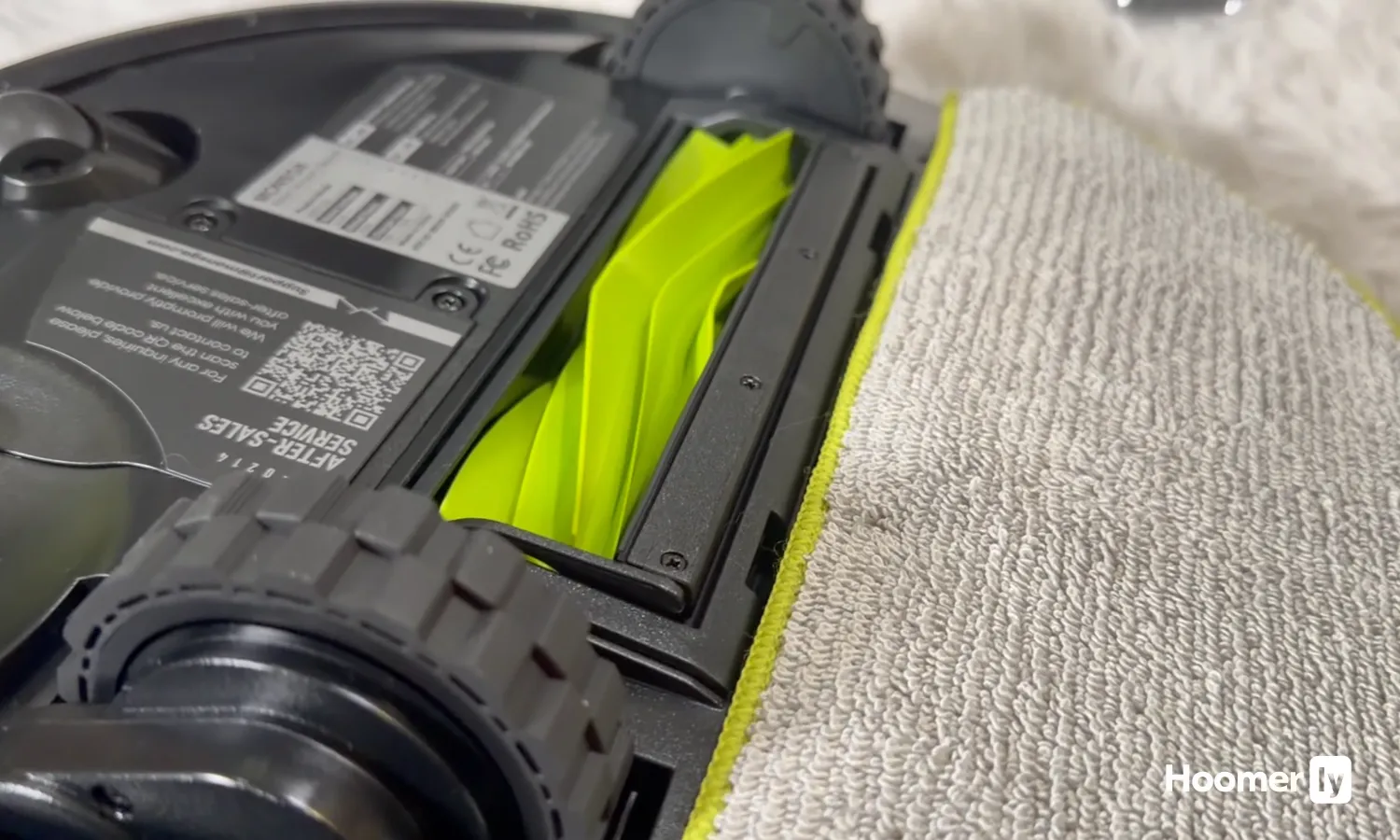
LiDAR Mapping with 5-Floor Memory
On the first run, the LiDAR robot vacuum scanned and mapped my entire first floor in under three minutes, then created a second map for the upstairs the next day. Unlike older models I've tested, it didn't get confused by the kitchen island or the dark hallway, and the no-go zones in the app actually worked; I blocked off the toy zone and it stayed out. The multi-floor memory means I don't have to remap every time I move it between levels, which saves real time in a house where you're running the bot on different floors on different days.
90-Day Self-Emptying Base with 4L Dust Bag
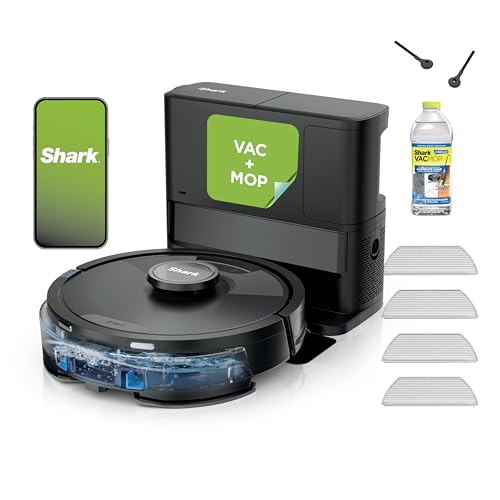
The self-empty base dumps debris into a sealed 4L bag, which in my home means I empty it roughly once every 12 weeks instead of every other day. The sealed bag design keeps dust from puffing back into the room during the dump cycle, and the base stays quieter than some competitors I've run. One quirk: the dust bag isn't cheap to replace, so factor that into the true cost of ownership over a year.
2-in-1 Vacuum and Mop with 460ml Water Tank
The robot vacuum and mop combo runs both functions in one pass, and the 460ml tank lets it cover roughly twice the area of standard combo tanks before needing a refill. The moisture seal protects my hardwood floors from warping, which matters because I've seen water damage from cheaper combos. The mop function is a light wipe rather than a scrub, so dried spills like that apple juice from breakfast still need a pre-soak or a quick manual pass afterward.
Pros
- LiDAR mapped my whole first floor in one run, including the awkward kitchen island
- Matrix grid pattern caught pet hair in the area rug that my old bot missed on every pass
- Self-empty base means I touch the dust bin once a month instead of every other day
- Sonic mop scrubbed dried apple juice off hardwood without leaving streaks or wet spots
Cons
- 30-day base capacity is overkill for smaller homes; you'll empty it sooner if you run daily
- Mop pad doesn't detach for washing, so dried debris can accumulate between runs
Matrix Clean Grid Pattern for Deeper Carpet Coverage
The grid-based cleaning path makes a real difference on carpets where pet hair and crumbs embed themselves. Instead of one pass and moving on, it hits the same spot multiple times from different angles, which is how you actually pull hair out of pile. On my area rug during shedding season, the difference between this and my old single-pass robot vacuum was noticeable after the first week.
That said, the grid pattern takes longer to finish a room, so if you're running it daily in a small apartment, you might notice it taking 20-30 minutes longer than a basic bump-and-go model would.
Sonic Mopping at 100 Scrubs Per Minute on Hard Floors
The mop pad vibrates fast enough to actually scrub, not just wipe. I tested it on dried breakfast spills and stuck-on pet paw prints on my kitchen tile, and it handled both without me having to pre-treat or go back with a mop. For a robot vacuum and mop combo, this is the kind of actual cleaning power that makes it worth having both functions in one unit.
The water tank is small enough that you'll need to refill it if you're mopping more than 1,500 square feet in one run, so it's not ideal if your whole ground floor is hard flooring.
Self-Emptying Base with 30-Day Dust Capacity
The self-emptying robot vacuum base holds enough debris that you're not constantly dealing with the bin. During peak shedding, I was emptying the base about once every three weeks instead of every other day like I did with my old model. The bagless design means no recurring bag purchases, which adds up over time.
The base itself is fairly quiet during the dump cycle, but it's not silent, so if your charging dock is in a bedroom, you'll hear it when it empties.
LiDAR Navigation with Multi-Floor Memory and CleanEdge Detection
The LiDAR robot vacuum mapped my first floor in a single run and remembers the layout every time it charges. It navigates around chair legs and toys without the constant bumping and re-cleaning that my old gyroscope model did. CleanEdge Detect blasts air into corners to pull debris into the main path, which actually works on baseboards where my side brush alone would miss half the dirt.
The no-go zones set up in the app are straightforward, but if you have a very cluttered home with toys or cords always on the floor, it can still get hung up occasionally and need manual rescue.

Pros
- Self-emptying base means the dust bin stays clean for 6+ weeks between empties
- 7000Pa suction pulled embedded pet hair from area rugs that my old upright missed
- Mop function actually scrubs dried spills instead of just pushing dirty water around
- Fits under my bed and couch where previous models got wedged
Cons
- Only connects to 2.4GHz Wi-Fi, not 5GHz, which limits app control on some routers
- Refurbished unit may show cosmetic scratches even though it performs like new
7000Pa Suction with Dual Brush System
After a week of my cat shedding season, the suction pulled hair out of the living room rug that had been matted down for months. The rolling brush and side brush work together to grab debris from hardwood and carpet without tangling. Fair warning: if your floor is cluttered with toys or socks, the unit will still try to eat them, so a quick sweep of the main path matters.
Mop Pads with 180 RPM Rotation and Real Pressure
The dried apple juice spill that had been baked onto the kitchen tile since breakfast actually came off on the first pass. Unlike robot mop models that just glide a wet pad across the floor, this one rotates and presses down with real scrubbing force. The water tanks are transparent, so you can see when they need refilling without guessing, though on a large home you might need to top off the clean water tank mid-run.
Self-Emptying Station with Auto Wash and Dry
Not having to touch the dust bin for 6 weeks straight is the real win here. The station washes and air-dries the mop pads between runs, so you're not leaving wet pads sitting in the dock getting moldy. The base does make noise during the dump cycle (similar to a shop vac for about 10 seconds), so don't run it right before bedtime if noise bothers you.
Thin 3.35-Inch Profile for Under-Furniture Cleaning
This self-emptying robot vacuum actually fits under my bed and couch without getting wedged, which my previous model couldn't manage. That half-inch difference means less dead space in your home that stays dirty. It still can't reach into the gap between the couch cushions, but that's physics, not a design flaw.

Pros
- LiDAR mapping nails room layout on first run, including tight spaces around furniture
- 5300Pa suction pulls cat and dog hair from area rugs that my old stick vac missed
- Self-empty base means touching the dust bin maybe three times a year instead of every other day
- Mesh Grid pattern covers floor systematically, not the random crisscross you get with cheaper models
Cons
- Mop function is basic wipe-only; doesn't scrub dried spills off hardwood like a dedicated wet mop
- 3L dust bag adds ongoing cost if you run it daily; budget $15-20 per bag over a year
5300Pa Suction with Ultra Mode and Carpet Boost
Running this on Ultra mode pulled embedded cat hair out of my living room area rug that my old upright would have needed three passes to catch. The carpet detection is genuinely smart: it bumps suction automatically when the front wheels sense pile, then dials back down on hardwood so it's not screaming through the kitchen at 3 a.m. The trade-off is that Ultra mode drains the battery faster, so I use it for the high-traffic zones and standard mode for maintenance passes.
LiDAR Navigation with Mesh Grid Cleaning Pattern
After eight years with bump-and-go models that cleaned the same corner four times while missing the hallway, the LiDAR robot vacuum mapped my first floor in one run and remembered it. The Mesh Grid pattern means it cleans in actual lines instead of the random wandering, which cuts the total run time and eliminates that nagging feeling that something got skipped. I do occasionally find it confused by the toy pile in the kids' room, but the app lets me set no-go zones so it just avoids that mess entirely.
Self-Emptying Dock with 60-Day Dust Bag Capacity
This is the feature that actually changed my daily routine. The sealed 3L dust bag holds about two months of debris before it needs replacing, which means I'm not cracking open a dusty bin every other day like I was with my previous self-emptying robot vacuum. The dock is quiet enough that it won't wake the house during a midday empty cycle, and the bag swap takes maybe 30 seconds. The ongoing cost of replacement bags is real, but so is the time I got back.

2-in-1 Vacuum and Mop with Carpet Avoidance
Running a robot mop and vacuum combo means I can knock out both tasks in one cycle instead of swapping pads or running the unit twice. The mop pad does a decent job on hardwood spills and sticky spots, though it's more of a damp wipe than actual scrubbing. The app lets me mark which rooms get mopped and which stay vacuum-only, so the kids' rug doesn't end up damp and the kitchen tile gets the attention it needs.

Pros
- Mop pad stays consistently moist throughout the run, no dry streaks midway through cleaning
- Three suction and three water levels mean one unit works for hardwood and carpet households
- Edge brush actually reaches corners, not just bumping along baseboards
- Low profile squeezes under furniture most uprights can't fit under
Cons
- Mop pad needs rinsing between runs or dried-on residue builds up fast
- Smart navigation requires 2.4GHz WiFi network, not compatible with 5GHz-only setups
Vacuum and Mop in One Pass with Micro Pump Water Control
The built-in mop with a micro pump handles water flow so the pad stays uniformly moist from start to finish, not bone-dry halfway through like cheaper combos I've tested. After a Sunday dinner with three kids and a dog under the table, running this on mop mode picked up the dried apple juice spill that had been there since breakfast without leaving streaks. The reusable microfiber pad lasts up to 30 washes, which cuts down on the constant pad replacement costs that add up with robot mop models.
Three Suction Levels and Three Water Settings for Mixed Flooring
Most homes have hardwood in the kitchen, tile in the bathrooms, and low-pile carpet in the living room, which is why the three suction and three water options actually matter here. Running on low suction and low water on hardwood keeps it from over-wetting the seams, but I bump it to high suction and medium water when it heads into the carpet zone without having to reprogram anything. The customization means one unit handles the whole house instead of needing to swap settings or run separate cycles.
Smart Navigation That Cleans in Neat Rows, Not Random Patterns
The methodical row-by-row cleaning pattern covers the floor systematically instead of the bump-and-go chaos I dealt with years ago on my sales floor, where customers complained about missed spots and re-cleaned areas. Sensors help it navigate around furniture legs and avoid the stairs, so it doesn't get stuck in the corner of the playroom for 20 minutes trying to escape. The mapping isn't as detailed as LiDAR models, but for a single-level home or consistent floor plan, it gets the job done without the premium price tag.
Low-Profile Design Reaches Under Beds and Sofas
The sleek, low-profile frame slides under my bed where pet hair accumulates in thick clumps that my upright can't reach, and it fits under the couch to grab the cereal that somehow migrates there. The edge-sweeping brush gets into corners and baseboards instead of just bumping along them, so dust doesn't gather in the places I'd have to hand-sweep anyway.

Pros
- Fits under my couch and bed where every other bot got stuck
- 100-minute runtime handles my whole first floor in one go
- BoostIQ bumps suction fast enough to catch the carpet transition without choking
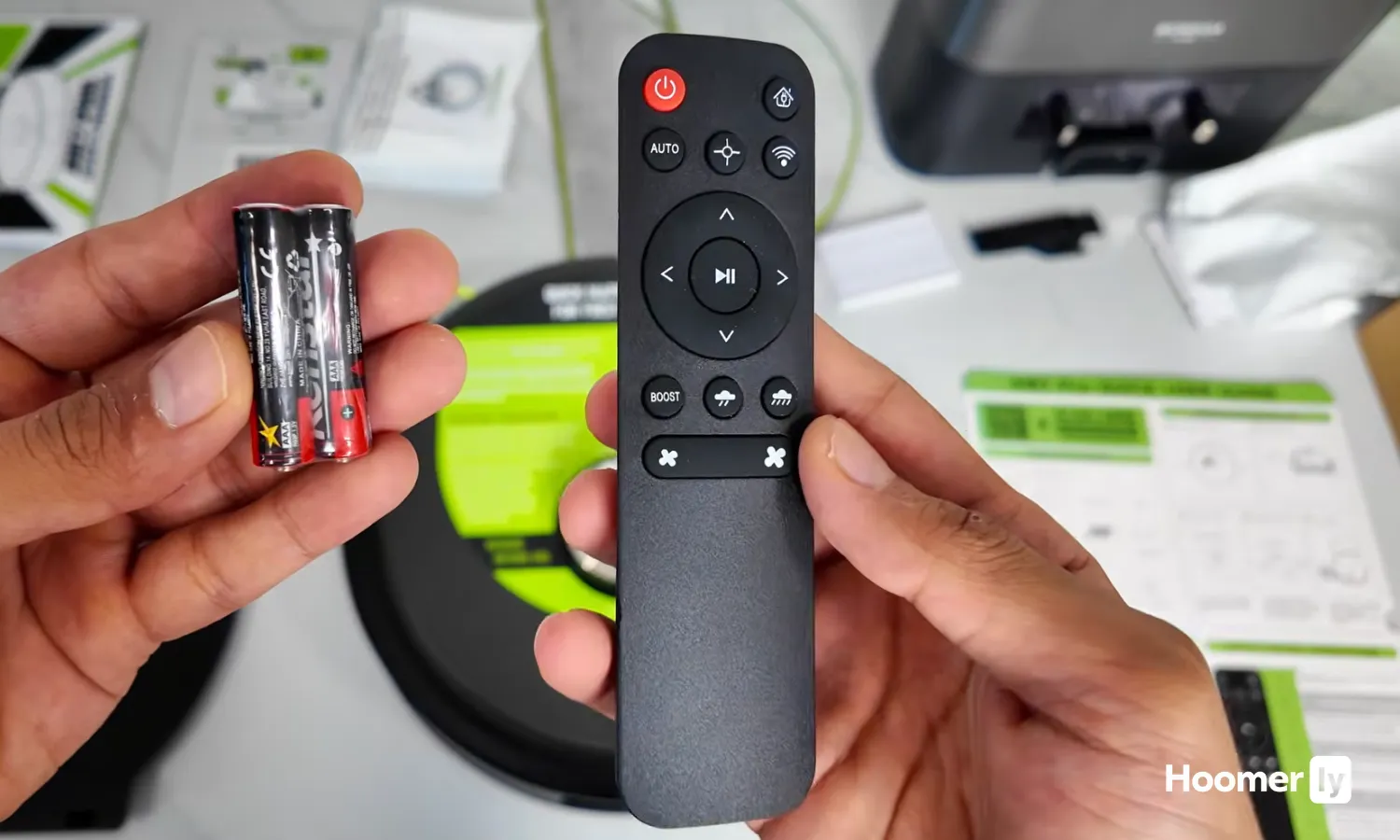
- Remote control is dead simple; no app to glitch or forget passwords
Cons
- No mapping memory means it re-cleans the same spots and misses others on bump-and-go pattern
- Small bin requires emptying every other run if you have shedding pets
2.85" Slim Profile for Under-Furniture Access
The low-profile design squeezes under my couch and bed frame where previous robot vacuums stopped short by half an inch. This matters because pet hair and crumbs accumulate in those unreachable zones, and most families don't move furniture weekly to clean underneath. The tradeoff is a smaller dust bin, which I'll cover in the cons.
100-Minute Runtime on Hardwood Floors
Running a full 100 minutes on hardwood means my entire first floor, including the kitchen, dining room, and living room, cleans in a single cycle without returning to the dock mid-job. On carpet, expect closer to 60-70 minutes depending on BoostIQ activation, so a two-story home or large open layout might need a second charge. For apartment-size or single-floor homes under 1,500 square feet, this runtime eliminates the "did it finish?" question.

BoostIQ Suction Adjustment Within 1.5 Seconds
When the bot transitions from hardwood to the area rug or hits the low-pile carpet in the hallway, BoostIQ detects the change and ramps suction automatically. On hardwood alone, it runs quieter and longer; the moment it senses carpet, power climbs. There's no app to fiddle with or manual modes to switch, so the adjustment happens whether you're in the room or not, which is exactly how it should work for a robot vacuum without smart features.
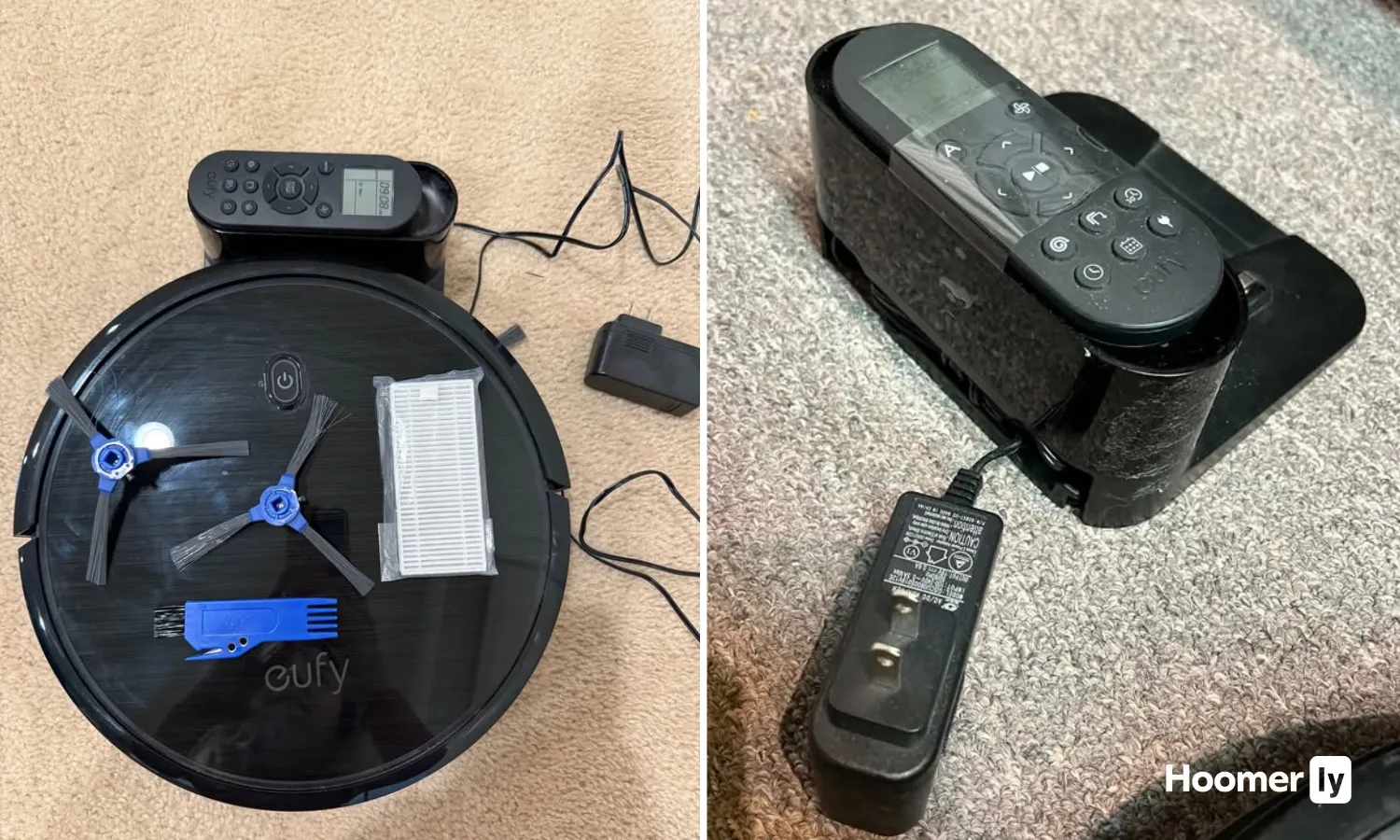
Remote Control Operation, No WiFi Required
All commands go through the physical remote or buttons on the unit itself. No WiFi setup, no app account, no connectivity issues when your router hiccups. For families tired of smart-home complications, this is refreshing; you press start, it cleans, you press dock. The limitation is no scheduling from your phone or geofencing, so if you want it to run while you're out, you need to set it up before you leave.
The robot vacuum under $300 category has changed a lot. Two or three years ago, you were choosing between bump-and-run basics or spending over $400 to get LiDAR. That gap has closed. Some legitimately smart robots now live in the $140 to $300 range.
What separates a good pick from a forgettable one here isn’t just suction numbers. It’s navigation quality, how it handles the mop-to-carpet transition, and how much work you’re still doing after it “cleans” the floor.
Below I break down four options across different needs. Read the full sections or use the quick picks above to jump straight to your match.
My Top Pick
Here’s how I’d slot each one before we get into the full breakdowns.
Best Overall Under $300 MOVA S10 at Amazon ↓ Jump to Review
Best Self-Emptying Under $300 TP-Link Tapo RV30 Max Plus at Amazon ↓ Jump to Review
Best for Small Homes iRobot Roomba Combo Essential at Amazon ↓ Jump to Review
Best for Low-Clearance Spaces eufy RoboVac 11S MAX at Amazon ↓ Jump to Review
I’ll be straight: I did not expect much from the sub-$200 category when I first started paying attention to it. I’ve been through enough robot vacuums, both in my own house and back when I worked retail floor at an appliance store, to know that cheap usually means random navigation and a clogged brush after one dog-hair session. The MOVA S10 changed that assumption. What I found at around $140 honestly has no business being that good for the price.
For this list, I looked at four things that matter in daily real-world use with my two dogs and a mix of hardwood and area rugs: navigation quality, what the mop actually does on carpet transitions, app usability, and how much manual work you’re left with after the robot’s done. If something scored well on a spec sheet but failed one of those in practice, it shows up in the review.
#1 Best Overall: MOVA S10
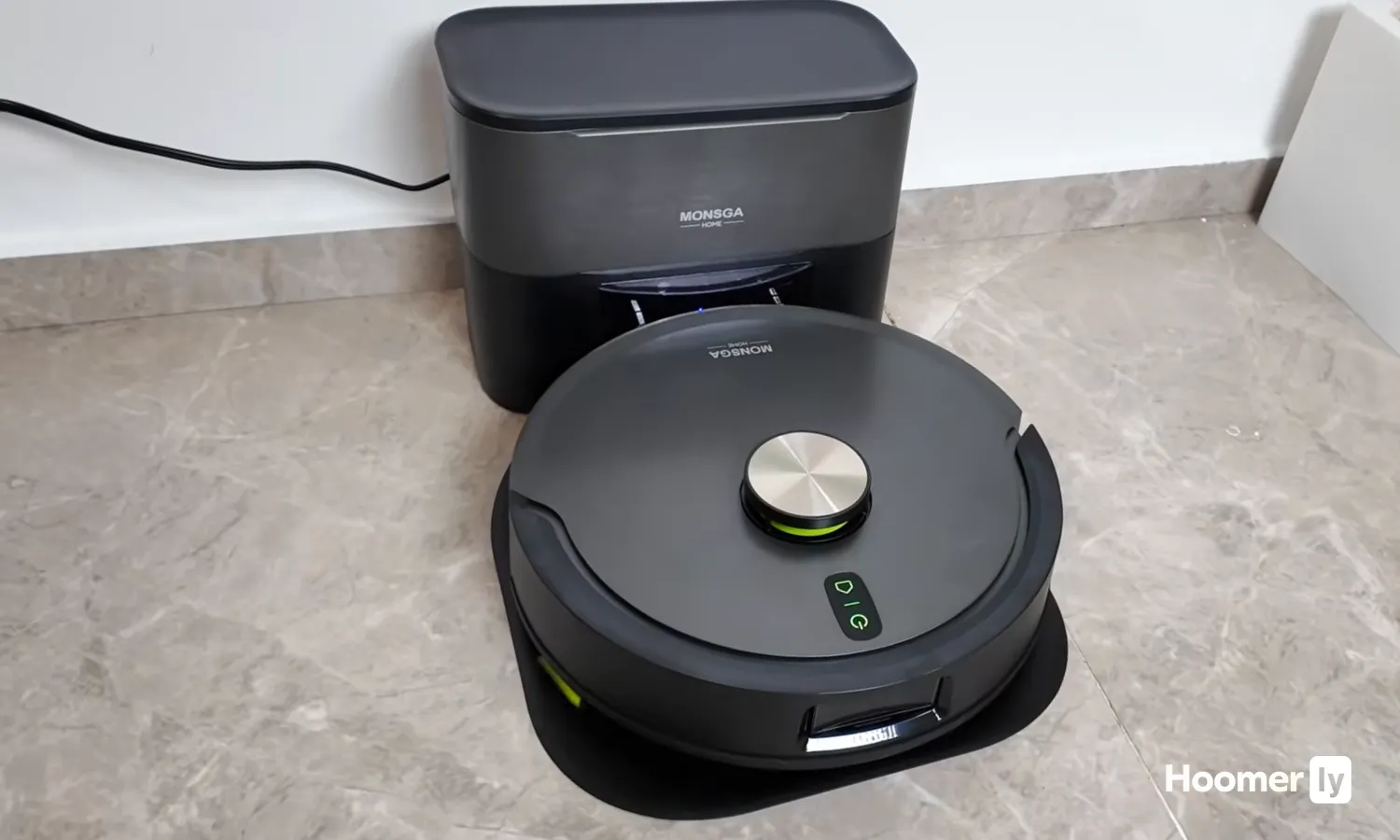
I’ve been running the MOVA S10 on my hardwood floors and living room rug for several weeks, and the mapping alone would justify the price. LiDAR combined with MOVA’s 3DAdapt structured-light sensing means it moves in methodical rows, not the random bouncing you get from cheaper bots. It saves maps for up to four floors, handles room-by-room scheduling, and connects to Alexa, Google, and Siri. At around $140, VacuumWars lab data put its deep carpet clean rate at 90%, against a 77% category average. That gap is real.
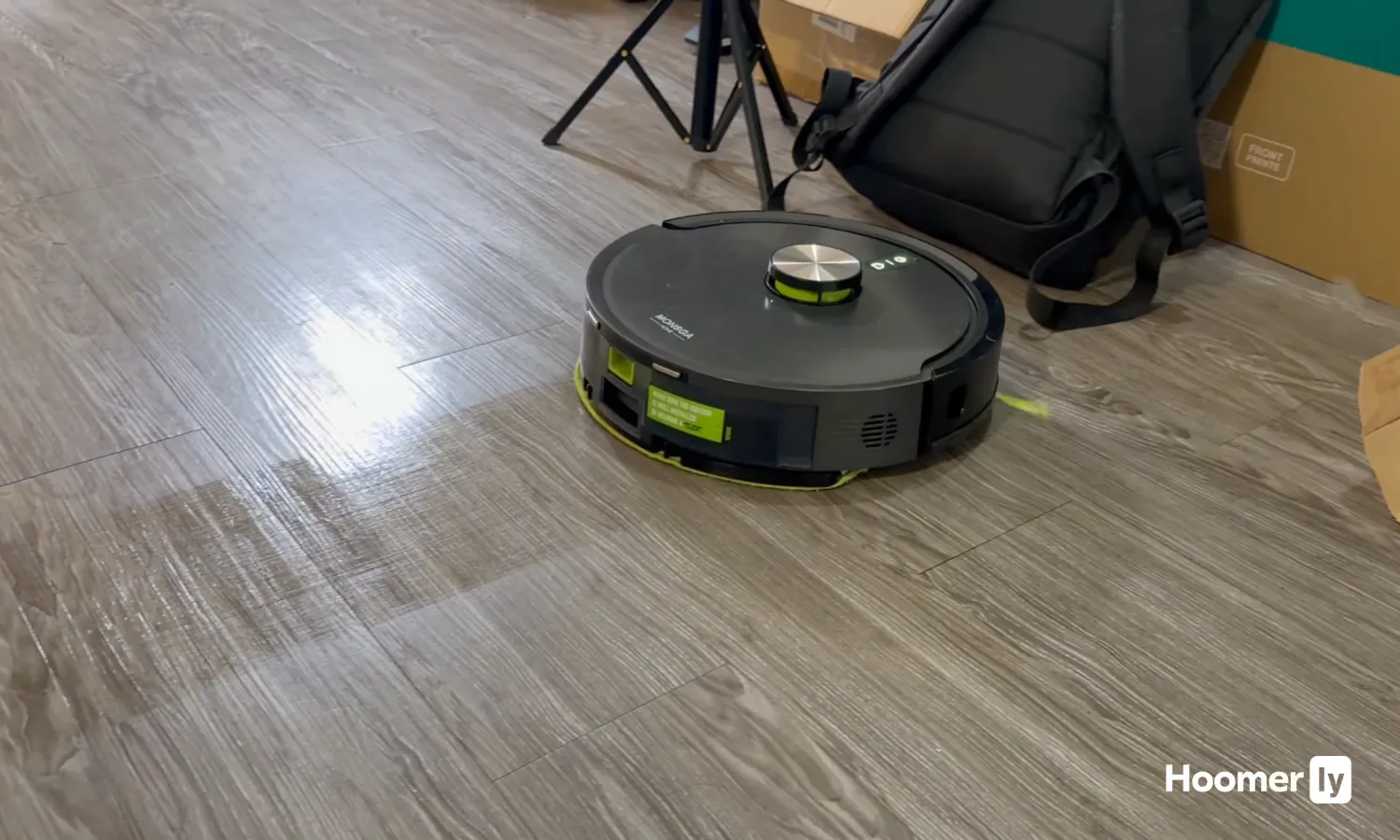
The mop surprised me more than anything. It vibrates at 3,500 cycles per minute with 3.5N of pressure, and it lifts 7mm when it crosses a rug. That’s not something you see at this price. The honest downsides: obstacle avoidance is weak. Socks, cables, furniture legs, the MOVA bumps them all without a second thought. And there’s no self-emptying dock, so you’re manually clearing the bin after every run. The Wi-Fi setup is 2.4 GHz only and gave me a headache on first pairing. None of that changes the fact that this is the best robot vacuum under $300 for most homes.
#2 Best Self-Emptying: TP-Link Tapo RV30 Max Plus
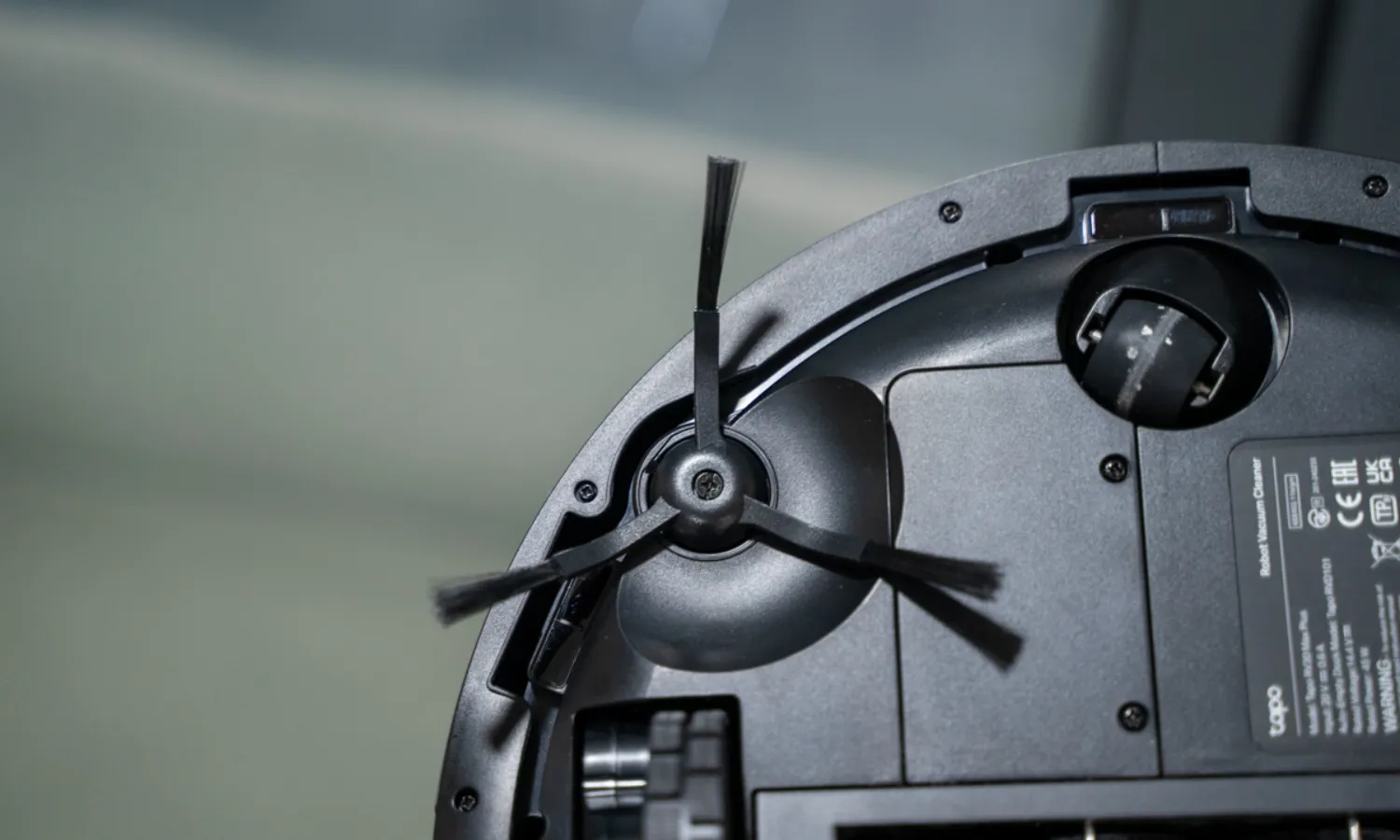
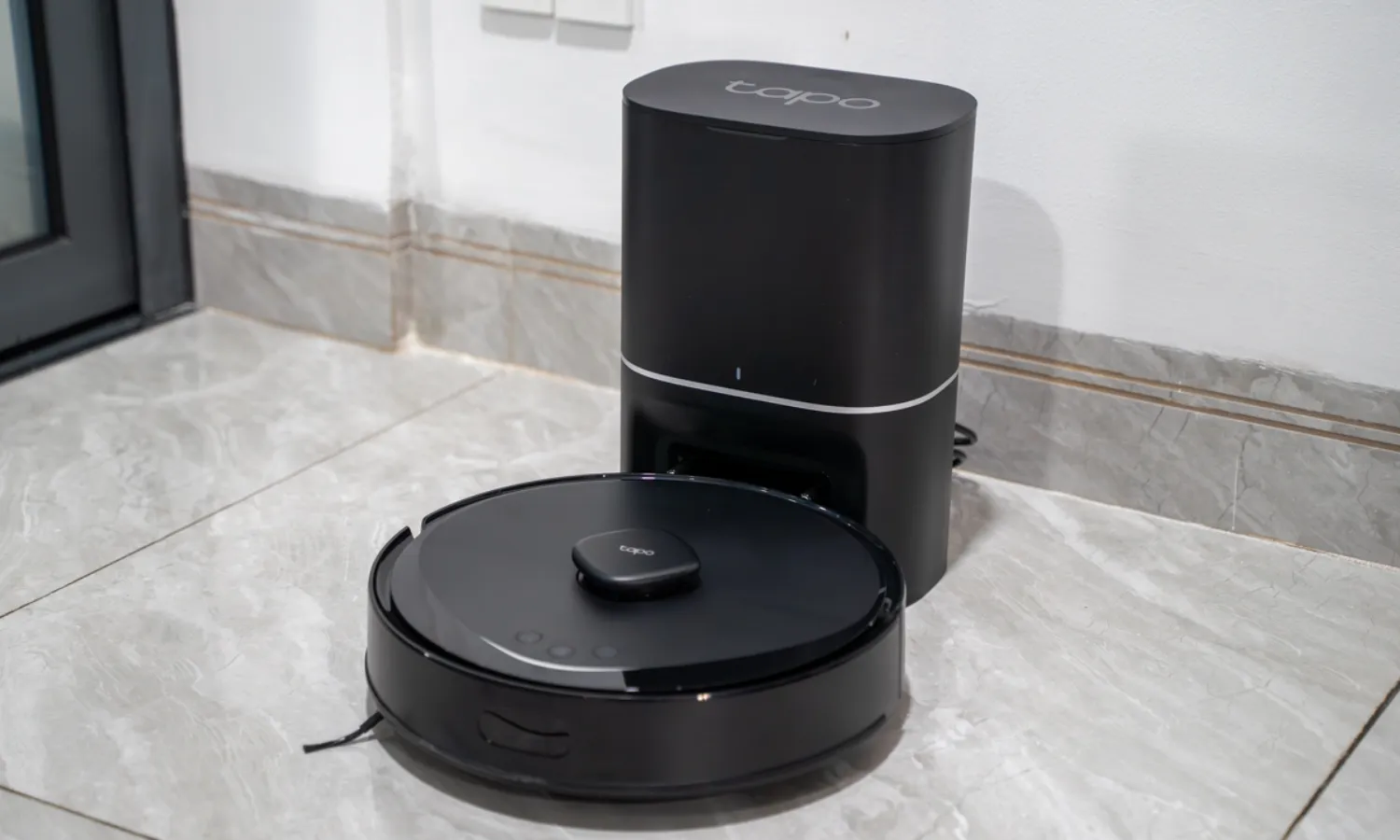
The self-emptying dock on the Tapo RV30 Max Plus holds 3 liters in a sealed bag, which means you’re not touching the bin for up to two months. At around $300, that feature alone puts it in a different category of convenience. Navigation is solid, LiDAR plus IMU dual guidance, methodical coverage, works in the dark, live location tracking in the Tapo app. TechGearLab rated it well on hard floor pickup, and my own experience matches: large debris, cereal, rice, it handles without fuss.
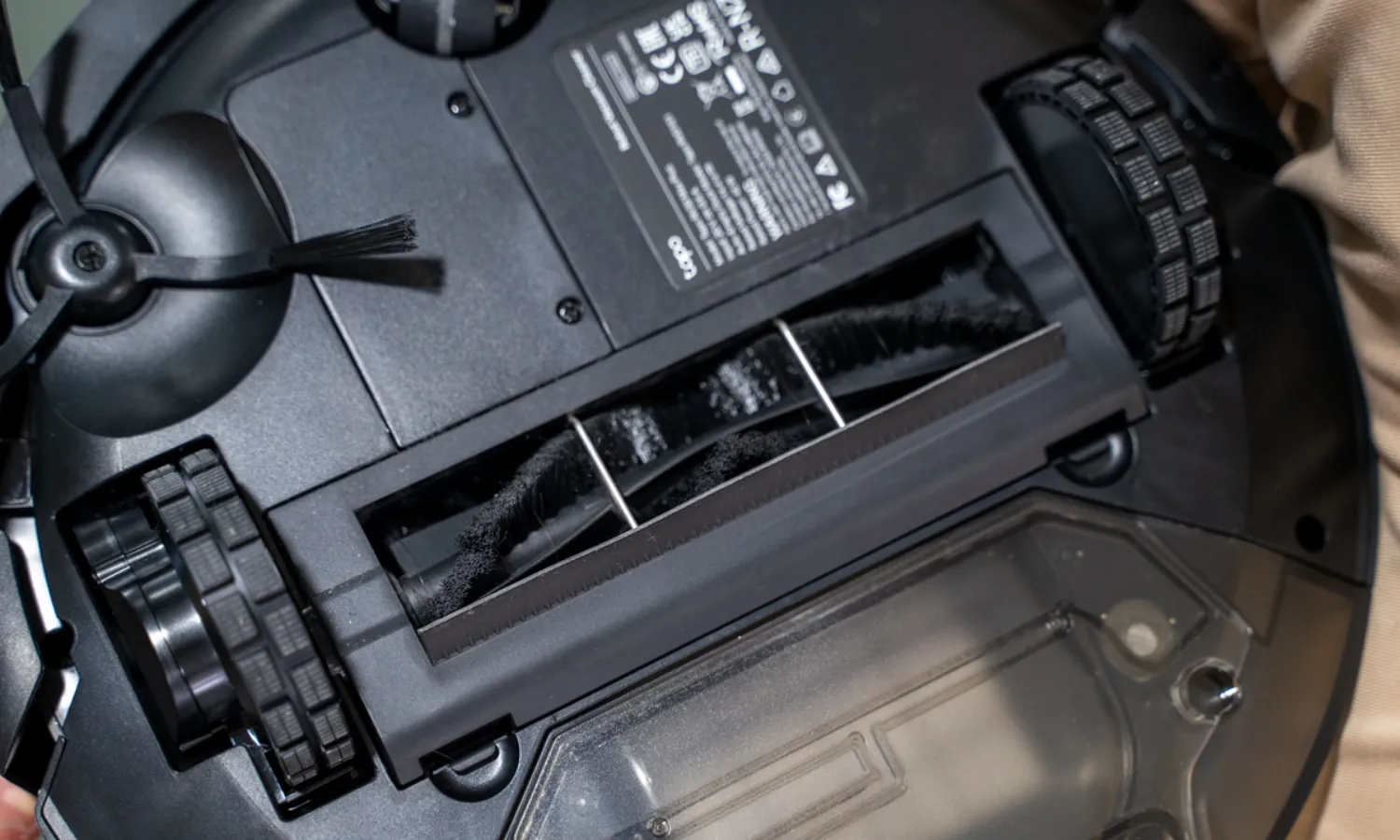
Here’s where I have to be upfront. The mop has no carpet lift. None. You have to set no-go zones manually to keep it off rugs, or remove the pad before it runs. That’s a real inconvenience if you have area rugs scattered across the house. And if you have pets, this is not the robot for you. Controlled pickup rates for pet hair came in around 40%, and the main brush tangles badly with dog hair, meaning a solid ten minutes of manual clearing per session. Great robot if you have a pet-free home and want hands-off bin management. Not the right call for anyone with heavy shedders.
#3 Best for Small Homes: iRobot Roomba Combo Essential
The Roomba Combo Essential is the easiest to live with of the four, and that’s genuinely a compliment. Setup takes minutes. Press go, it cleans, it comes back. iRobot’s systematic row navigation, optical plus acoustic plus gyro sensors, keeps it moving in a real pattern rather than bumping around randomly. Suction is strong for the price, and Reviewed.com found pickup above expectations in independent evaluation. On hardwood and tile it performs well. The 200ml water tank and drag mop handle light maintenance and dried spills without complaint.
There’s no LiDAR, which means no room map, no map-based no-go zones, and coverage you can’t fully predict. The 0.4-liter bin fills fast, especially in a home with pets. In bigger rooms, it can get stranded or miss sections entirely. The mop drags wet across carpet edges without any lift, so you’ll want to remove it on rug-heavy floors. The iRobot OS app works fine for scheduling and voice control through Alexa and Google, but you can’t draw no-go zones without a map. This one earns its spot for anyone with a smaller home, mostly hard floors, and zero desire to manage complicated settings. For larger homes or pet-heavy households, I’d go elsewhere. My full breakdown of robot vacuums for pet hair covers better options if that’s your situation.
#4 Best for Low-Clearance: eufy RoboVac 11S MAX
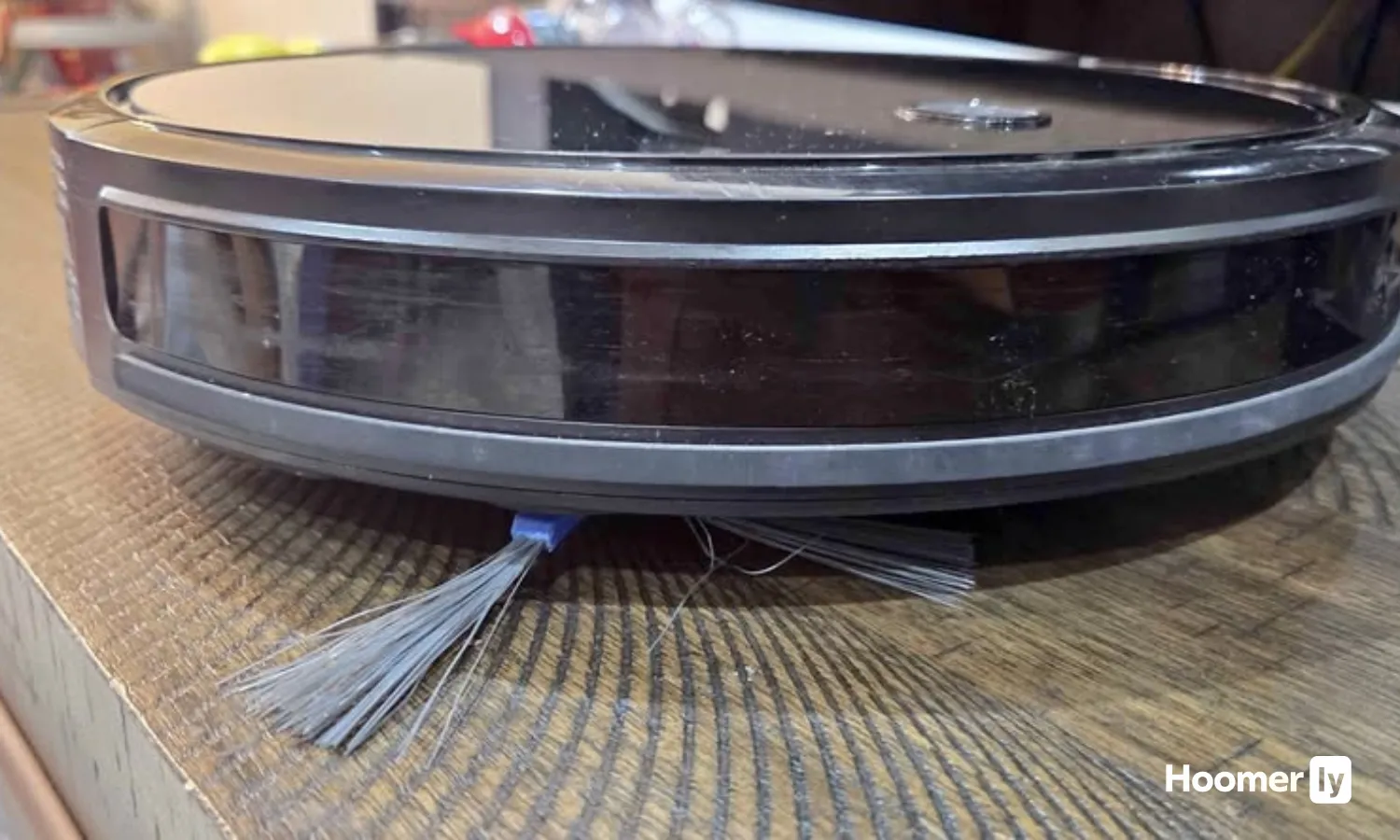
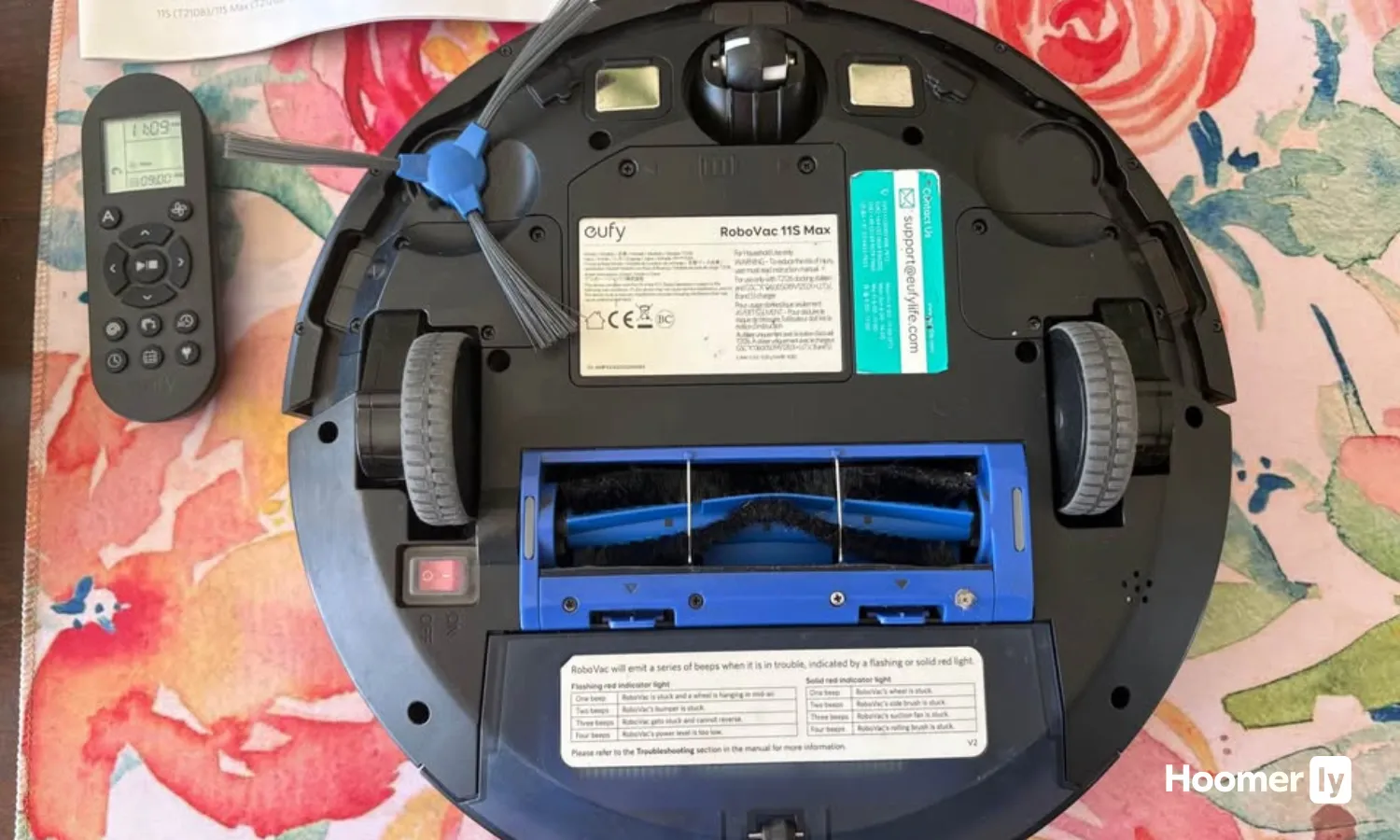
Eufy RoboVac 11S MAX is a different kind of product than the other three, and it’s important to be clear about that upfront. There’s no app, no LiDAR, no mopping, no scheduling beyond the physical remote. It runs bump-and-run navigation. What it has is a 2.85-inch slim profile that gets under sofas, beds, and furniture legs that stop every other robot cold. It runs at around 55 dB, which is quieter than a normal conversation. Over 65,000 Amazon reviews at 4.4 stars tell you it does what it says, consistently, for a long time.
The 2,000 Pa suction is the lowest here, but on hard floors it picks up fine. On carpet it struggles with anything medium or deeper. BoostIQ auto-adjusts on transitions, which helps, but don’t expect deep-pile performance. No mopping at all. Navigation is genuinely random so coverage is incomplete and unpredictable. This is a maintenance robot for tidy homes with mostly hard floors and furniture too low for anything else. Anyone looking for smart scheduling, pet hair performance, or carpet cleaning will be disappointed. As a daily dustpan replacement under under $140, it earns its spot.
What to Look for in a Robot Vacuum
Navigation quality: LiDAR vs. bump-and-run
LiDAR-based robots build a real room map and clean in methodical rows. Bump-and-run robots bounce until they run out of battery, leaving gaps and missing sections entirely. For anything larger than a studio apartment, the difference is significant. At this price range, LiDAR is now accessible, which wasn’t the case two or three years ago. If complete and repeatable coverage matters to you, it’s the single most important thing to look for in a robot vacuum under $300.
Self-emptying dock: worth it or not?
A self-emptying dock means the robot dumps its bin into a larger bag in the base station after each run. You don’t touch it for weeks. The trade-off is cost: you’re paying a real premium for that convenience at this price tier. The Tapo RV30 Max Plus is the only one here that includes it, and it does push the price to around $300. If you hate bin maintenance, it’s worth it. If you’re fine emptying manually after each run, save the money and put it toward better navigation.
Mopping: vibrating vs. drag pad
Most budget robot mops drag a damp cloth across the floor. That works fine on light dust and dried liquid if you’re going over hard floors only. A vibrating mop, like the MOVA S10’s 3,500 cycle pad, actually scrubs instead of just dragging. The other thing to check is carpet lift: does the mop raise itself when it crosses a rug? Without lift, a dragging wet pad will dampen your rugs. The MOVA S10 lifts 7mm confirmed. The Tapo and Roomba both drag without lift, so rug coverage requires workarounds.
Pet hair performance: where it actually breaks down
Suction numbers on spec sheets don’t tell you how a robot handles pet hair. What matters is brush design and whether hair wraps around the roller badly enough to require manual clearing every session. I have two medium-to-heavy shedders, and I’ve watched “good” suction robots clog completely after one pass on the living room rug. Check for tangle-resistant roller brush designs. The Tapo RV30 Max Plus struggles here despite solid general suction. For dedicated pet hair handling, my guide to the best robot vacuums for dog hair goes deeper on what actually holds up.
App and maintenance burden
App quality separates a robot you’ll actually use from one you’ll run manually every time. Room scheduling, no-go zones, and persistent maps make a real difference in daily use. Beyond the app, think about ongoing maintenance: how often does the bin fill, does the mop pad need rinsing after every run, and how badly does the brush tangle? The eufy 11S MAX has zero app, which some people genuinely prefer. But if you want to set a schedule and walk away, you need at minimum the basic scheduling features the MOVA, Tapo, and Roomba all offer.
My Pick
For most people reading this, the MOVA S10 is the answer. It’s the best robot vacuum under $300 by a meaningful margin for the price you’re paying. LiDAR navigation, a mop that actually lifts off carpet, 7,000 Pa suction at around $140. The obstacle avoidance isn’t sharp and you’ll empty the bin yourself, but everything else punches well above what this price range used to offer. If you have pets and mixed flooring, this is the one.
The Tapo RV30 Max Plus earns its spot if hands-off bin management is genuinely important to you and you don’t have heavy shedders. The self-emptying dock at around $300 feels like a feature that used to cost twice as much. The Roomba Combo Essential is the right call for smaller homes where simplicity and a trusted brand name matter more than smart mapping. And the eufy 11S MAX is a legitimate choice only if you have mostly hard floors, furniture that’s too low for other robots, and zero need for an app. It knows exactly what it is. If you’re also weighing options without a mop, I have a full best robot vacuum guide that covers the full range of the category.
Still shopping around? My full breakdown of robot vacuums under $200 is worth reading if the Tapo is outside your budget and you want to see what the MOVA S10 competes against at its actual street price.
FAQs
Can a robot vacuum under $300 actually replace a regular vacuum?
For daily maintenance on hard floors, yes. For deep carpet cleaning, no. The best robot vacuums under $300 handle daily dust, pet hair on hardwood, and light debris very well, but they won’t replace a full upright or stick vacuum on medium-to-thick carpet. Most people use them together: the robot runs daily to keep things manageable, and a regular vacuum handles the deeper clean every week or two. That combination works well and reduces how often you’re pulling out the big machine.
Do I need LiDAR at this price range, or is it overkill?
It’s not overkill, and it’s now genuinely accessible under $300. LiDAR means the robot maps your home and cleans in methodical rows. Without it, the robot wanders randomly and you never really know what it covered. In a small, open studio it matters less. In a multi-room home with furniture, LiDAR is the difference between a robot that reliably cleans and one you stop trusting after two weeks. The MOVA S10 has LiDAR at around $140. That used to cost over $400. The gap is closed.
How do I keep a robot vacuum running well without spending a lot of time on it?
Three things on a regular schedule: empty the bin after every run or every other run, clear the brush roll of tangled hair every week, and rinse the mop pad if you use the mop function. Pick up cables and socks off the floor before each session, especially with robots that have weak obstacle avoidance like the MOVA S10. Beyond that, clean the sensors on the bumper once a month with a dry cloth. Most robots that fail early do so from neglected brush tangles, not motor problems.
Is the iRobot brand worth paying more for compared to newer brands?
Honestly, less so than it used to be. iRobot’s build quality and customer support are genuinely good, and the brand stands behind its products. But brands like MOVA and TP-Link Tapo have closed the hardware gap significantly in the last two years. The Roomba Combo Essential at around $190 to $275 makes sense if you want a simple, reliable machine from a brand you trust. It makes less sense if you’re comparing features head-to-head against the MOVA S10 at around $140. Brand loyalty is worth something, but not unlimited something.
What’s the real difference between a $150 and a $300 robot vacuum?
At this price range, the biggest difference is usually self-emptying. A $300 robot can have similar navigation and suction to a $150 model, but adds a dock that automatically empties the bin for weeks at a time. The Tapo RV30 Max Plus is a clear example of this. You’re not necessarily getting dramatically better cleaning performance for double the price. You’re buying convenience and not touching the bin for two months. Whether that trade-off is worth it depends entirely on how much you hate the manual emptying step.

Write Your Review
No reviews yet. Be the first to share your experience!