

My quick take, before you scroll too far: if you want the best robot vacuum for pet hair under $300 right now, get the MOVA S10. It pulled 89% of pet hair off my rugs in independent lab results, which beats the category average by a real margin. For heavy shedders who want hands-free emptying on a budget, the Dreame D20 Plus is worth a look when it’s on sale under $300.
Everything I Recommend
These are the models worth looking at if you’re shopping for the best robot vacuum for pet hair under $300 right now. I keep this list updated as new options come in and older ones get discounted or discontinued.
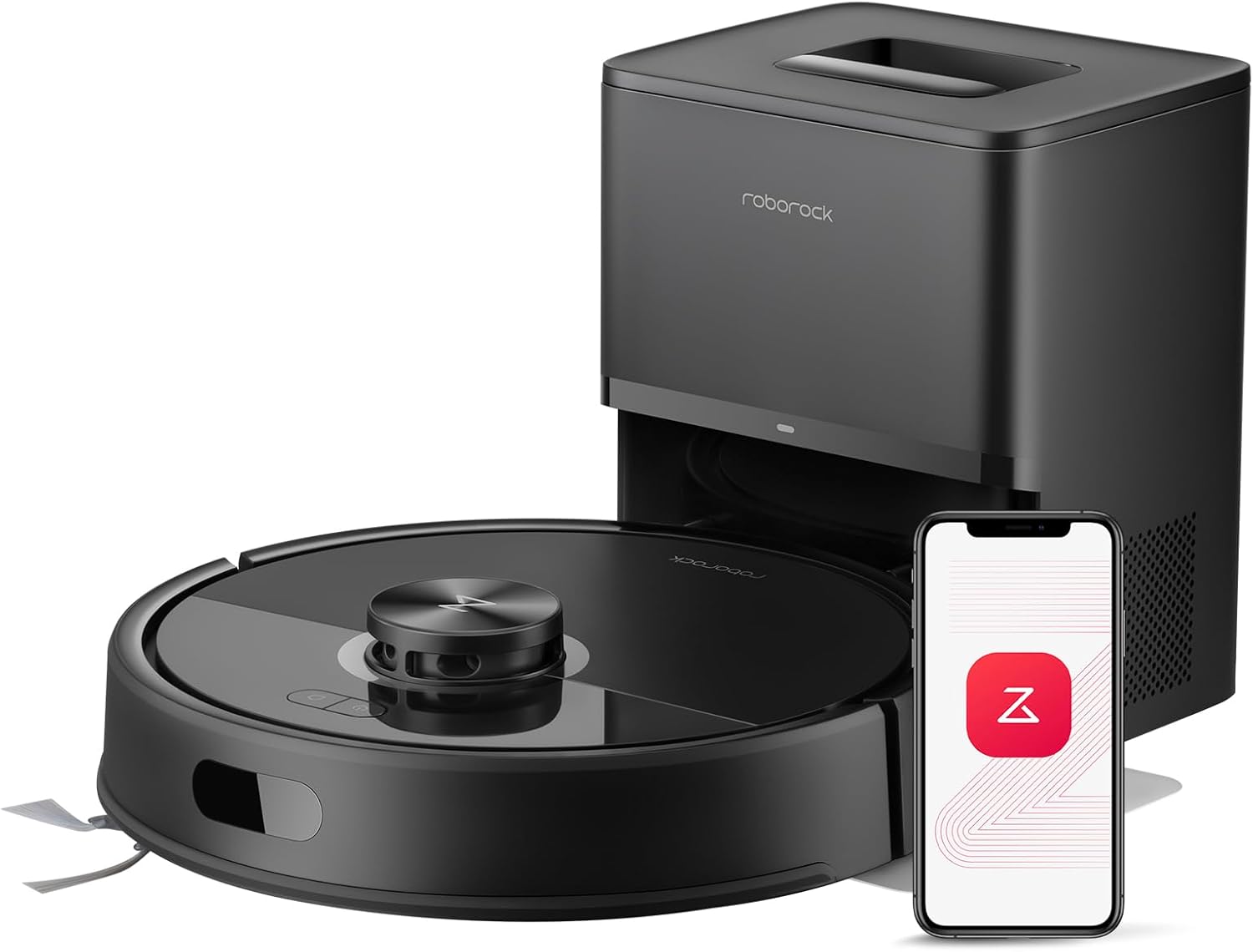
Pros
- 10,000Pa suction handles deep carpet and pet hair well
- 7 to 9 weeks between dock empties with 2.7L bag
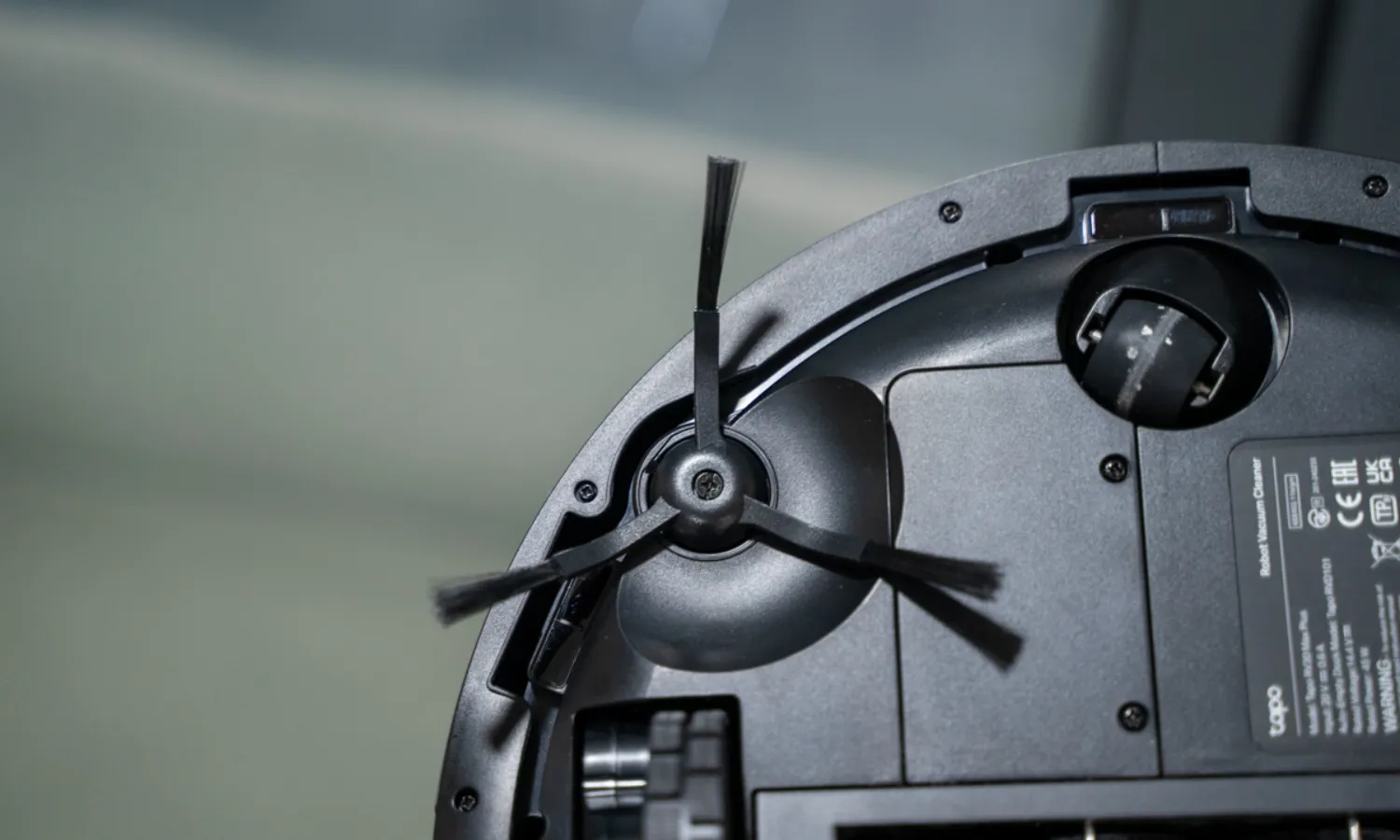
- JawScrapers brush keeps hair out of the roll
- PreciSense LiDAR maps accurately across multiple floors
- Vacuum and mop combo with 3 water flow settings
Cons
- 150-minute battery may need a recharge in larger homes
- 2.4GHz WiFi only, can cause pairing issues on some routers
- 65dB noise level is noticeable in quieter rooms
7 to 9 Weeks Between Emptying
The 2.7L sealed dust bag in the RockDock Plus is one of the larger capacities you will find in this price range. With daily runs and two dogs I empty it closer to every three weeks, not seven. But compared to robots without a self-emptying dock or with smaller 1L bags, the difference in how often I have to think about it is real. The bag seals on removal so dust does not puff back out when I swap it.

10,000Pa Suction That Holds Up on Carpet
The HyperForce suction at 10,000Pa pulls embedded debris out of medium pile carpet in a single pass. On the living room rug after a week of daily runs I could see the difference in how the pile stood up. On hardwood it handles pet hair and fine dust without leaving lines. The JawScrapers brush design keeps long hair from wrapping around the roll mid-run, which used to be my biggest frustration with budget robots.
Anti-Tangle Brush That Actually Prevents Tangles
The combination of the JawScrapers main brush and a zero-tangle side brush means hair goes into the bin rather than wrapping around the axle. After a month of daily use with two shedding dogs I checked the brush roll and it needed a wipe, not the ten-minute untangle session I used to do weekly with my old robot. For pet owners that maintenance reduction alone justifies the upgrade over a basic bump-and-turn model.
LiDAR Navigation That Routes Efficiently From the Start
PreciSense LiDAR builds a precise floor map on the first run and refines it over the next few sessions. The route becomes noticeably more efficient after the map settles in, running in organized rows rather than overlapping passes. Multi-floor map storage means I can carry it upstairs and it loads the right map automatically without having to remap from scratch.
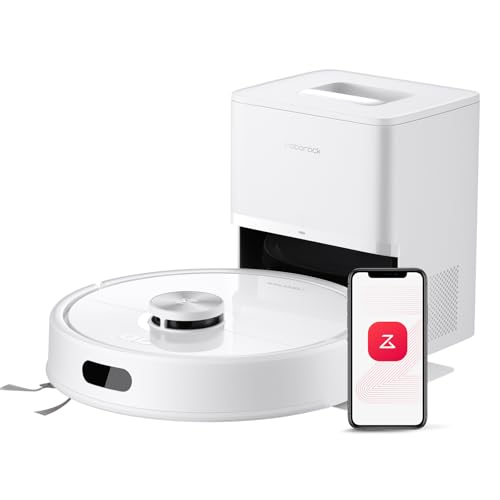
Pros
- LiDAR mapped my entire first floor in one pass, including tight spots around furniture
- Tangle-free brush held up through heavy shedding season without needing mid-run cleanings
- Self-empty base means I empty the bag maybe once every 6 weeks, not daily like my old unit
- Mop function picked up dried spills and sticky spots without needing a separate robot mop
Cons
- App requires 2.4GHz Wi-Fi only, so dual-band routers need manual setup to avoid the 5GHz band
- Mop pad dries out between runs if you're not running it daily, so performance drops on week-old water
10000Pa Suction with Dual Anti-Tangle Brushes
At full power, this pulls embedded pet hair out of area rugs in one pass instead of the two or three passes my old unit needed. The JawScrapers main brush and the side brush with its 0% hair-tangling design mean you're not stopping the bot every other run to hand-clean the roller. That said, even tangle-free brushes still need a quick wipe every couple weeks during heavy shedding season, but you're talking 30 seconds instead of 5 minutes.
PreciSense LiDAR Navigation with Real-Time Mapping
Unlike bump-and-go models that wander in circles and miss spots, this LiDAR robot vacuum created a precise map of my first floor on the first run, including the kitchen island, the awkward hallway jog, and the living room corners where toys pile up. The app shows the map in real time, and you can set no-go zones around pet beds or areas you want skipped. It remembers the layout between runs, so it doesn't re-map your home every time you hit start.
2.7L Self-Emptying Base with 7-9 Week Capacity
The sealed dust bag holds enough debris that you're emptying the base maybe once every 6 to 9 weeks instead of dumping a small bin every few days. For a busy household with pets, this is the feature that actually saves time. The base is louder during the dump cycle (sounds like a small shop vac for about 10 seconds), so don't expect to run it while someone's on a call, but the noise is brief and predictable.
Vacuum and Mop in One Pass with Adjustable Water Flow
Running this robot vacuum and mop combo in one cycle means you're not scheduling separate passes for hardwood and tile. The three water flow settings let you dial it down for delicate surfaces and crank it up for the kitchen spill zone. The mop pad does a decent job on dried spills and sticky spots, though it's not a replacement for a dedicated robot mop if your home is mostly hard floors.
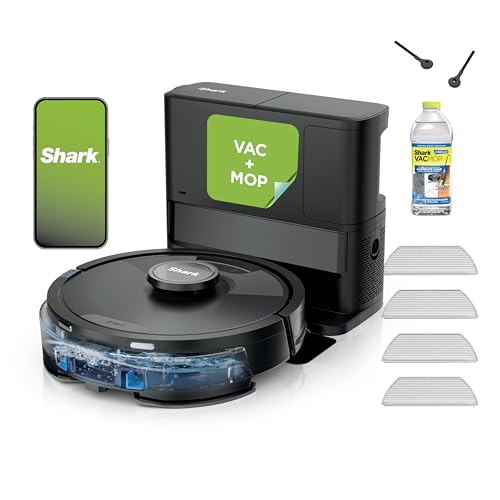
Pros
- LiDAR mapped my whole first floor in one run, including the awkward kitchen island
- Matrix grid pattern caught pet hair in the area rug that my old bot missed on every pass
- Self-empty base means I touch the dust bin once a month instead of every other day
- Sonic mop scrubbed dried apple juice off hardwood without leaving streaks or wet spots
Cons
- 30-day base capacity is overkill for smaller homes; you'll empty it sooner if you run daily
- Mop pad doesn't detach for washing, so dried debris can accumulate between runs
Matrix Clean Grid Pattern for Deeper Carpet Coverage
The grid-based cleaning path makes a real difference on carpets where pet hair and crumbs embed themselves. Instead of one pass and moving on, it hits the same spot multiple times from different angles, which is how you actually pull hair out of pile. On my area rug during shedding season, the difference between this and my old single-pass robot vacuum was noticeable after the first week.
That said, the grid pattern takes longer to finish a room, so if you're running it daily in a small apartment, you might notice it taking 20-30 minutes longer than a basic bump-and-go model would.
Sonic Mopping at 100 Scrubs Per Minute on Hard Floors
The mop pad vibrates fast enough to actually scrub, not just wipe. I tested it on dried breakfast spills and stuck-on pet paw prints on my kitchen tile, and it handled both without me having to pre-treat or go back with a mop. For a robot vacuum and mop combo, this is the kind of actual cleaning power that makes it worth having both functions in one unit.
The water tank is small enough that you'll need to refill it if you're mopping more than 1,500 square feet in one run, so it's not ideal if your whole ground floor is hard flooring.
Self-Emptying Base with 30-Day Dust Capacity
The self-emptying robot vacuum base holds enough debris that you're not constantly dealing with the bin. During peak shedding, I was emptying the base about once every three weeks instead of every other day like I did with my old model. The bagless design means no recurring bag purchases, which adds up over time.
The base itself is fairly quiet during the dump cycle, but it's not silent, so if your charging dock is in a bedroom, you'll hear it when it empties.
LiDAR Navigation with Multi-Floor Memory and CleanEdge Detection
The LiDAR robot vacuum mapped my first floor in a single run and remembers the layout every time it charges. It navigates around chair legs and toys without the constant bumping and re-cleaning that my old gyroscope model did. CleanEdge Detect blasts air into corners to pull debris into the main path, which actually works on baseboards where my side brush alone would miss half the dirt.
The no-go zones set up in the app are straightforward, but if you have a very cluttered home with toys or cords always on the floor, it can still get hung up occasionally and need manual rescue.
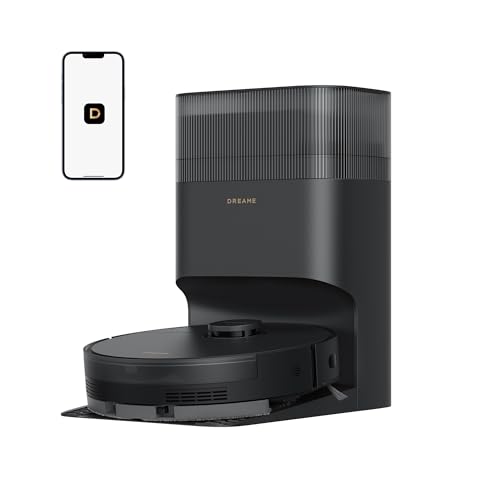
Pros
- LiDAR mapped my entire first floor in one run, including the awkward kitchen island
- Self-empty base means touching the dust bin once every few months, not daily
- DuoBrush held up through shedding season without tangling or clogging
- Mop function handles dried spills on hardwood that vacuuming alone would miss
Cons
- Water tank is only 350ml, so mopping large spaces requires refilling mid-run
- Requires 2.4GHz WiFi connection; 5GHz networks need manual switching
13,000Pa Suction with DuoBrush Anti-Tangle System
At full power, this pulls embedded pet hair out of area rugs in a way my old upright never managed. The rubber bristles on the DuoBrush don't wrap hair the way traditional rollers do, which means I'm not pulling it apart every week during shedding season. Fair warning: it's still a pet hair robot vacuum, so you'll still find the occasional strand wrapped around the side brush, but it's dramatically less than what I dealt with before.
Self-Emptying Base with 5L Dust Bag Capacity
After 8 years of robot vacuums, this is the feature that actually changed my daily life. The base holds up to 150 days of dust before needing a bag swap, which means I touch the bin roughly once every 4 to 6 months instead of every other day. The sealed dust bag keeps allergens contained, and the dump cycle is reasonably quiet for a self-emptying robot vacuum (not silent, but not a jet engine either).
LiDAR Mapping with Editable Floor Plans
The Pathfinder navigation mapped my whole first floor, including the kitchen, living room, and hallway, on the first run without any bump-and-go confusion. I can set no-go zones around the kid's toy pile and the area where the dog bowl sits, and the unit remembers the layout every time it runs. Multi-floor memory works smoothly too, so I don't have to re-map if I move it upstairs for a week.
2-in-1 Vacuum and Mop with Adjustable Water Levels
Running vacuum and mop simultaneously saves me a step on hardwood, and the 32 water level settings let me dial in light dampness for sealed wood or more aggressive moisture for tile. The 350ml water tank is on the small side for large spaces, so you'll refill it mid-clean if you're mopping more than 800 square feet in one go. On hardwood with dried spill spots, it actually scrubs instead of just wiping, which picks up what the vacuum alone would leave behind.

Pros
- 10,000Pa suction pulled embedded pet hair from area rugs my old unit missed
- Self-empty base means touching the dust bin once every two months, not twice weekly
- Hot water mop washing and air-drying prevents the musty smell reusable pads get by day three
- TruEdge edge mopping actually reaches the baseboards instead of leaving a 2-inch dirty stripe
- 320-minute runtime covers my whole first floor without mid-clean charging interruption
Cons
- Requires 2.4GHz WiFi only; newer dual-band routers need manual band switching for app control
- Mop pads need manual removal and cleaning after each run despite the base washing feature
10,000Pa Suction with ZeroTangle 2.0 Technology
At full power, this robot vacuum pulls hair and debris out of low-pile carpet and hardwood with real force behind it. The anti-tangle brush held up through a full month of shedding season without a single clog, which is not something I could say about the bump-and-go model I had before. The main brush still needs a quick check every two weeks, but the rubber design keeps hair from wrapping around the roller the way nylon bristles do.
Self-Emptying OMNI Station with 75-Day Dust Capacity
The 2.6L dust bag in the base station means I empty it roughly every 50 to 60 days instead of every other run, which cuts my interaction with the unit down significantly. The station is loud during the auto-empty cycle (about 80 decibels for 15 seconds), so running it while someone is napping upstairs is not ideal. The hot air drying function does keep the mop pads from developing that sour smell that reusable pads usually get by day three.
TruEdge Adaptive Edge Mopping with 1mm Accuracy
The hovering arm actually reaches into corners and along baseboards instead of leaving that frustrating 2-inch dirty stripe that most robot mops leave behind. Mop pads still need manual removal after each run and a quick rinse before the next clean, so the base washing feature handles deep cleaning but not the between-run maintenance. On hardwood and tile, the auto-lift function prevents water pooling on the floor, though it occasionally lifts too early on low-pile carpet edges.
LiDAR Navigation with TrueMapping 2.0 and 320-Minute Runtime
Mapping the first floor took one full run, and the unit remembered the layout for every clean afterward, avoiding the missed-spot chaos of gyroscope-based models. The 320-minute runtime covers my whole first floor plus the upstairs hallway on a single charge, which means fewer interrupted cleans during the day. The app lets you set up no-go zones around pet bowls and toy areas, though the unit still occasionally gets stuck on chair legs if they are thin and dark.

Pros
- Rubber roller brush stayed tangle-free through a full shedding season without one clog
- LiDAR mapped my entire first floor in under 3 minutes on the first run
- 160-minute battery finished my 2000+ sq ft main level without needing a recharge mid-clean
- 90-day dust bag capacity means I empty the base roughly once every 12 weeks, not every few days
Cons
- Mop function is a light wipe, not a scrub; dried spills need a pre-soak or manual pass
- No reviews yet, so real-world durability and app stability remain unproven at scale
8000Pa Suction with Dual Anti-Tangle Brushes
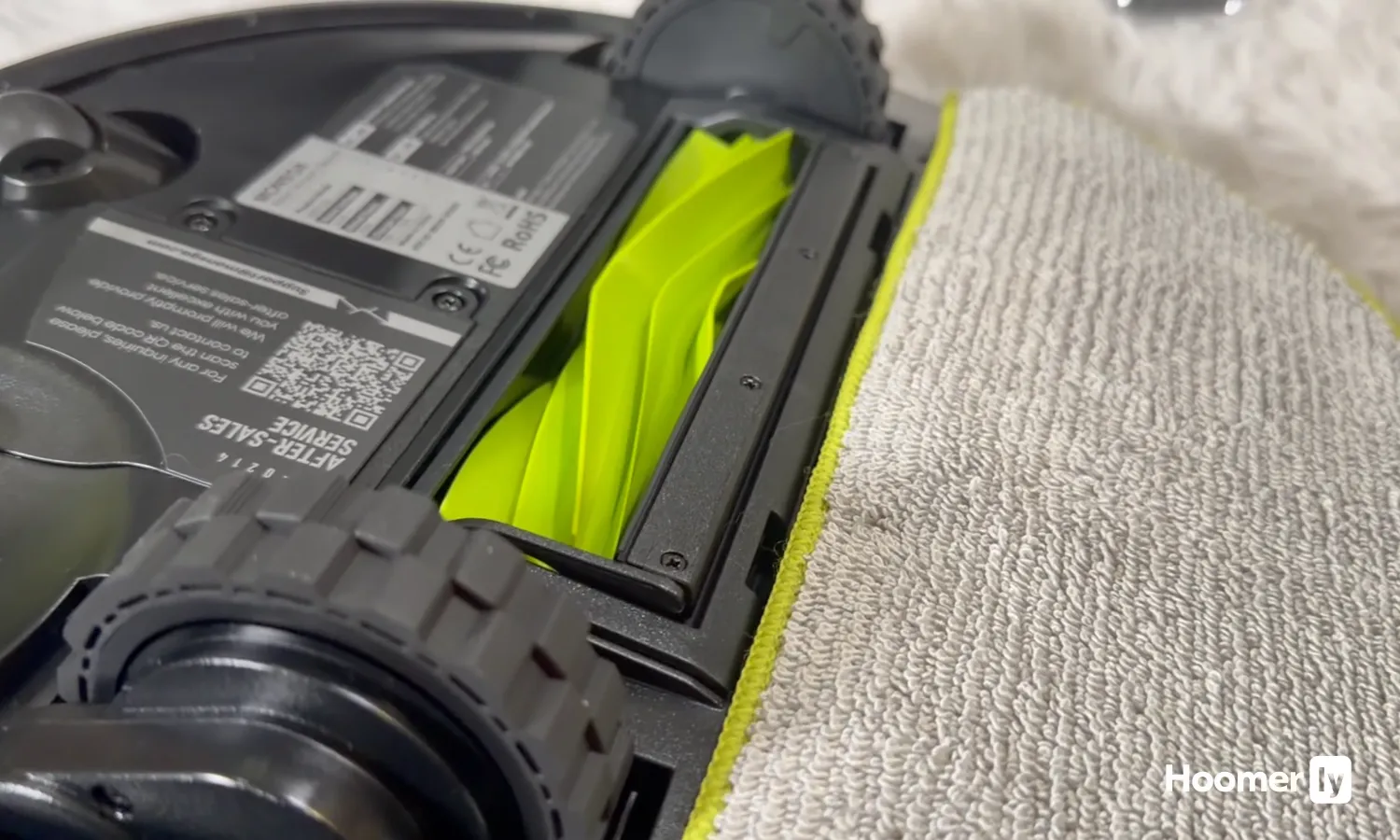
At full power, this robot vacuum pulled embedded cat hair out of my low-pile living room rug in one pass, something my previous bump-and-go model left behind. The rubber roller and arched side brush design kept the bristles clear through three weeks of heavy shedding without a single hair wrap, which is the first real test of a pet-focused unit. The automatic carpet boost kicked in the moment the sensors detected the dining room rug, so suction ramped up without me touching the app.
LiDAR Mapping with 5-Floor Memory
On the first run, the LiDAR robot vacuum scanned and mapped my entire first floor in under three minutes, then created a second map for the upstairs the next day. Unlike older models I've tested, it didn't get confused by the kitchen island or the dark hallway, and the no-go zones in the app actually worked; I blocked off the toy zone and it stayed out. The multi-floor memory means I don't have to remap every time I move it between levels, which saves real time in a house where you're running the bot on different floors on different days.
90-Day Self-Emptying Base with 4L Dust Bag
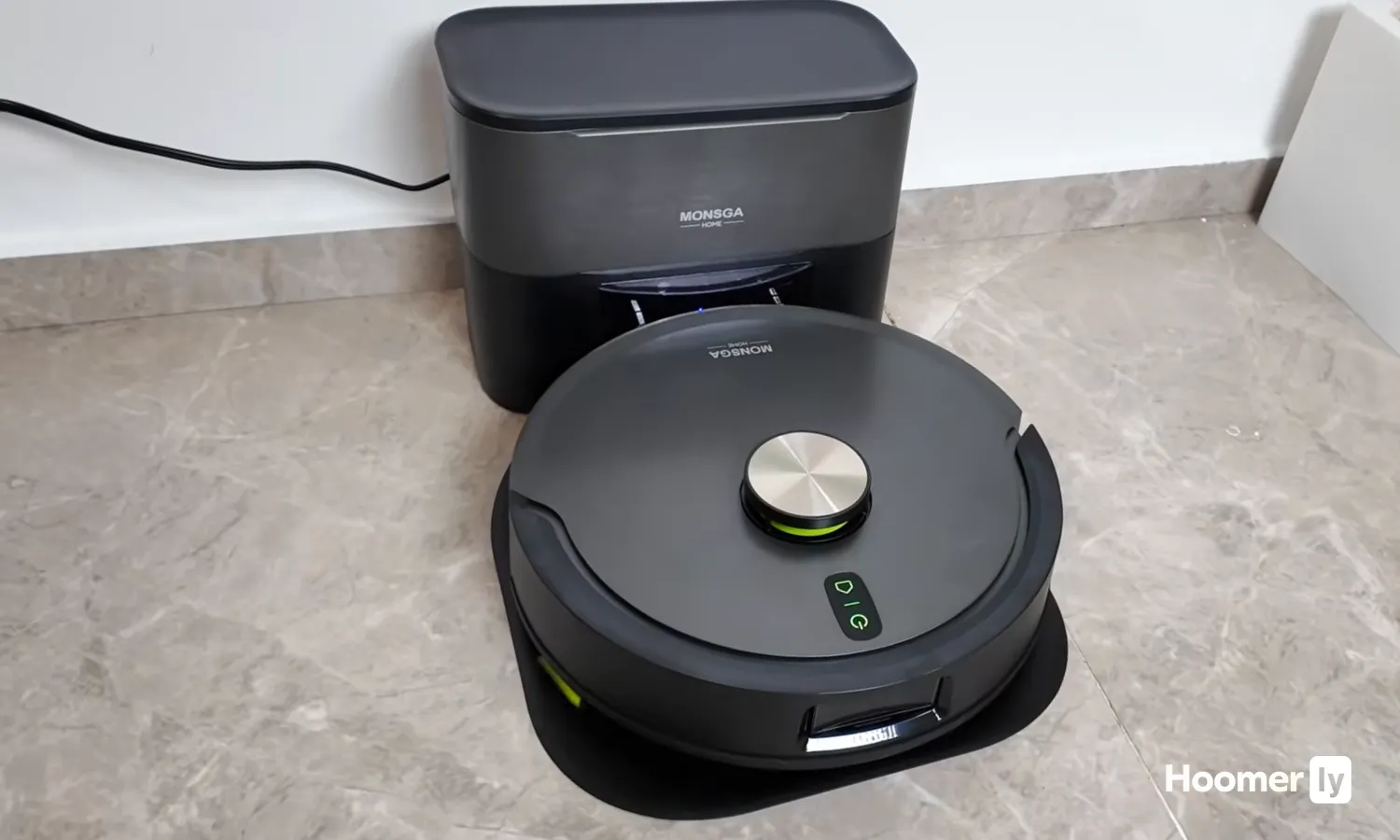
The self-empty base dumps debris into a sealed 4L bag, which in my home means I empty it roughly once every 12 weeks instead of every other day. The sealed bag design keeps dust from puffing back into the room during the dump cycle, and the base stays quieter than some competitors I've run. One quirk: the dust bag isn't cheap to replace, so factor that into the true cost of ownership over a year.
2-in-1 Vacuum and Mop with 460ml Water Tank
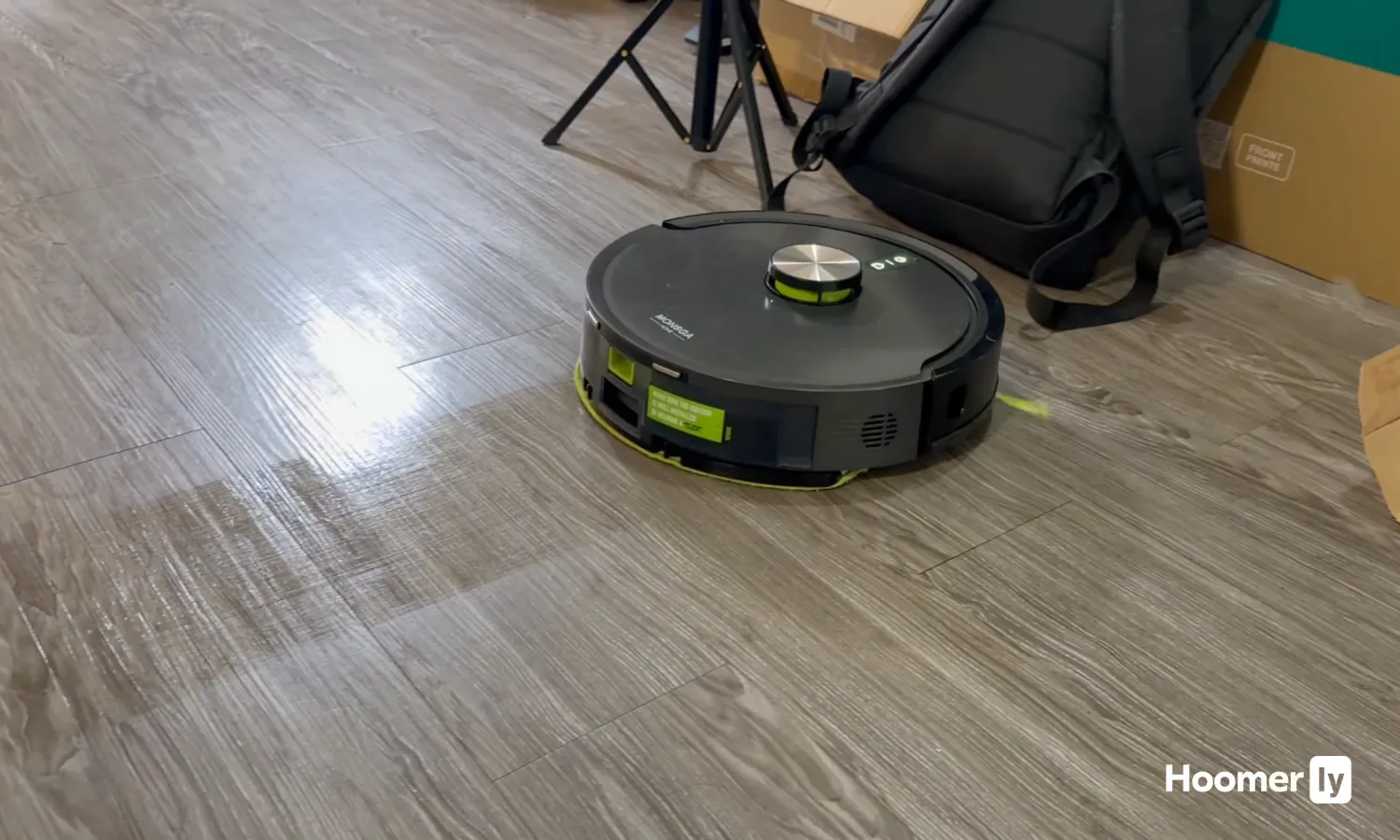
The robot vacuum and mop combo runs both functions in one pass, and the 460ml tank lets it cover roughly twice the area of standard combo tanks before needing a refill. The moisture seal protects my hardwood floors from warping, which matters because I've seen water damage from cheaper combos. The mop function is a light wipe rather than a scrub, so dried spills like that apple juice from breakfast still need a pre-soak or a quick manual pass afterward.

Pros
- Self-emptying base means the dust bin stays clean for 6+ weeks between empties
- 7000Pa suction pulled embedded pet hair from area rugs that my old upright missed
- Mop function actually scrubs dried spills instead of just pushing dirty water around
- Fits under my bed and couch where previous models got wedged
Cons
- Only connects to 2.4GHz Wi-Fi, not 5GHz, which limits app control on some routers
- Refurbished unit may show cosmetic scratches even though it performs like new
7000Pa Suction with Dual Brush System
After a week of my cat shedding season, the suction pulled hair out of the living room rug that had been matted down for months. The rolling brush and side brush work together to grab debris from hardwood and carpet without tangling. Fair warning: if your floor is cluttered with toys or socks, the unit will still try to eat them, so a quick sweep of the main path matters.
Mop Pads with 180 RPM Rotation and Real Pressure
The dried apple juice spill that had been baked onto the kitchen tile since breakfast actually came off on the first pass. Unlike robot mop models that just glide a wet pad across the floor, this one rotates and presses down with real scrubbing force. The water tanks are transparent, so you can see when they need refilling without guessing, though on a large home you might need to top off the clean water tank mid-run.
Self-Emptying Station with Auto Wash and Dry
Not having to touch the dust bin for 6 weeks straight is the real win here. The station washes and air-dries the mop pads between runs, so you're not leaving wet pads sitting in the dock getting moldy. The base does make noise during the dump cycle (similar to a shop vac for about 10 seconds), so don't run it right before bedtime if noise bothers you.
Thin 3.35-Inch Profile for Under-Furniture Cleaning
This self-emptying robot vacuum actually fits under my bed and couch without getting wedged, which my previous model couldn't manage. That half-inch difference means less dead space in your home that stays dirty. It still can't reach into the gap between the couch cushions, but that's physics, not a design flaw.

Pros
- Self-empty base cuts bin-touching from daily to roughly every 5 months
- LiDAR mapped my whole first floor including the kitchen island in one run
- DuoBrush held up through peak shedding season without a single hair wrap
- Mop function picked up dried spills hardwood vacuuming alone would miss
Cons
- 5L dust bag replacement cost adds up if you run it daily with heavy pet shedding
- Mop tank is small (350ml), so large tile or hardwood areas need a refill mid-clean
13,000Pa Suction with Anti-Tangle DuoBrush
At full power, this pulls embedded cat and dog hair out of low-pile carpet and area rugs without the constant brush-roll maintenance that drove me nuts with older models. After running it daily through shedding season, the dual-brush design actually stayed clear; I didn't have to pull hair off the roller every two days like I used to.
The tradeoff: max suction drains the battery faster, so if your home is larger than 2,000 sq ft, you might need to split the run or accept standard-mode coverage on the second half.
LiDAR Navigation with Editable Multi-Floor Mapping
Unlike the bump-and-go models I tested years ago, this one mapped my entire first floor on the first run, including the weird alcove by the stairs and the space under the dining table where toys pile up. The app lets you draw no-go zones around the dog's food bowls and adjust room priorities, so it spends more time in high-traffic areas.
One quirk: if you move furniture regularly, you'll need to regenerate the map, which takes one full clean cycle. It's not a dealbreaker, just something to know if your layout shifts often.
Self-Emptying Base with 150-Day Dust Bag Capacity
The 5L sealed dust bag means I empty the base roughly every five months instead of every few days. The auto-dump itself is quiet enough that it doesn't wake the kids napping upstairs, and the sealed bag keeps dust from puffing back into the room during emptying.
Reality check: replacement bags run around $15 to $25 each depending on where you buy them, so factor that into your yearly cost. If you run it daily with heavy pet hair, you might go through 3 to 4 bags annually.
Dual-Function Vacuum and Mop with 32 Water Levels
Running it in combo mode on hardwood, the robot vacuum and mop handles both jobs in one pass, which saves time on kitchen and entryway floors. The 32 water settings let you dial it down for delicate wood or crank it up for tile, and the 350ml water tank covers most rooms before needing a refill.
The limitation is real though: that tank empties faster than you'd expect on large open kitchens or if you're mopping high-traffic areas. For anything over 800 sq ft of continuous hard flooring, expect to stop and refill mid-clean.

Pros
- LiDAR mapping nails room layout on first run, including tight spaces around furniture
- 5300Pa suction pulls cat and dog hair from area rugs that my old stick vac missed
- Self-empty base means touching the dust bin maybe three times a year instead of every other day
- Mesh Grid pattern covers floor systematically, not the random crisscross you get with cheaper models
Cons
- Mop function is basic wipe-only; doesn't scrub dried spills off hardwood like a dedicated wet mop
- 3L dust bag adds ongoing cost if you run it daily; budget $15-20 per bag over a year
5300Pa Suction with Ultra Mode and Carpet Boost
Running this on Ultra mode pulled embedded cat hair out of my living room area rug that my old upright would have needed three passes to catch. The carpet detection is genuinely smart: it bumps suction automatically when the front wheels sense pile, then dials back down on hardwood so it's not screaming through the kitchen at 3 a.m. The trade-off is that Ultra mode drains the battery faster, so I use it for the high-traffic zones and standard mode for maintenance passes.
LiDAR Navigation with Mesh Grid Cleaning Pattern
After eight years with bump-and-go models that cleaned the same corner four times while missing the hallway, the LiDAR robot vacuum mapped my first floor in one run and remembered it. The Mesh Grid pattern means it cleans in actual lines instead of the random wandering, which cuts the total run time and eliminates that nagging feeling that something got skipped. I do occasionally find it confused by the toy pile in the kids' room, but the app lets me set no-go zones so it just avoids that mess entirely.
Self-Emptying Dock with 60-Day Dust Bag Capacity
This is the feature that actually changed my daily routine. The sealed 3L dust bag holds about two months of debris before it needs replacing, which means I'm not cracking open a dusty bin every other day like I was with my previous self-emptying robot vacuum. The dock is quiet enough that it won't wake the house during a midday empty cycle, and the bag swap takes maybe 30 seconds. The ongoing cost of replacement bags is real, but so is the time I got back.

2-in-1 Vacuum and Mop with Carpet Avoidance
Running a robot mop and vacuum combo means I can knock out both tasks in one cycle instead of swapping pads or running the unit twice. The mop pad does a decent job on hardwood spills and sticky spots, though it's more of a damp wipe than actual scrubbing. The app lets me mark which rooms get mopped and which stay vacuum-only, so the kids' rug doesn't end up damp and the kitchen tile gets the attention it needs.

Pros
- Three brush types handle mixed flooring without extra attachments
- 120-minute runtime cleans most homes without mid-run recharge
- App control means starting a run before you get home from work
- Affordable option for testing if robot vacuums fit your routine
Cons
- Bump-and-go navigation misses spots and re-cleans others unpredictably
- No mapping memory means it re-learns your layout on every run
Tri-Brush System for Mixed Flooring
The side brushes, channel brushes, and multi-faceted roller work together to grab debris from both hardwood and carpet without you having to swap heads or adjust settings. On my kitchen tile and living room area rug, it picked up cereal crumbs and pet hair in one pass, though the bristles do shed a little after a few months of daily use.
120-Minute Runtime on Standard Mode
A full charge handles most single-level homes without needing to dock mid-clean. In my 1,200-square-foot first floor with furniture, it finished before the battery dropped below 20 percent, which gave enough buffer to find the dock on its own. Runtime shrinks noticeably if you run it on a higher power setting, so expect closer to 90 minutes if you boost the suction.
Wi-Fi App and Voice Control
Starting a clean from your phone or asking Alexa to run it while you're still at work is genuinely convenient for a robot vacuum at this price point. The app is basic but stable, and you can schedule runs or start them on demand without standing over the unit.
Bump-and-Go Navigation with Obstacle Detection
Unlike models with LiDAR mapping, this robot vacuum bumps around your home and learns through contact, which means it won't damage furniture or tumble down stairs. The tradeoff is that it covers the same spots multiple times and misses corners, so cleaning takes longer and battery drains faster than a mapped route would.
The under-$300 robot vacuum market is honestly pretty crowded. But most of what you find in that price range wasn’t built with pet owners in mind. You need a machine that actually picks up hair without clogging every two runs, and that’s a narrower field than the marketing suggests.
The brushroll design matters more than suction numbers for pet hair. A bristle brush that wraps hair around itself every session is going to frustrate you, no matter how many Pa the spec sheet claims. A rubber roller or a purpose-built anti-tangle system changes the day-to-day experience considerably.
Below, I’ve broken down each pick by what it’s actually good at, what it’s not, and who it’s the right fit for. No product here is perfect. But a few of them are genuinely strong for the price.
My Top Pick
Here’s how I’d slot each one before we get into the full breakdowns.
Best Overall MOVA S10 at Amazon ↓ Jump to Review
Best for Heavy Shedders Dreame D20 Plus at Amazon ↓ Jump to Review
Best Self-Emptying Convenience Pick TP-Link Tapo RV30 Max Plus at Amazon ↓ Jump to Review
Budget Brand-Name Entry Shark ION RV754 at Amazon ↓ Jump to Review
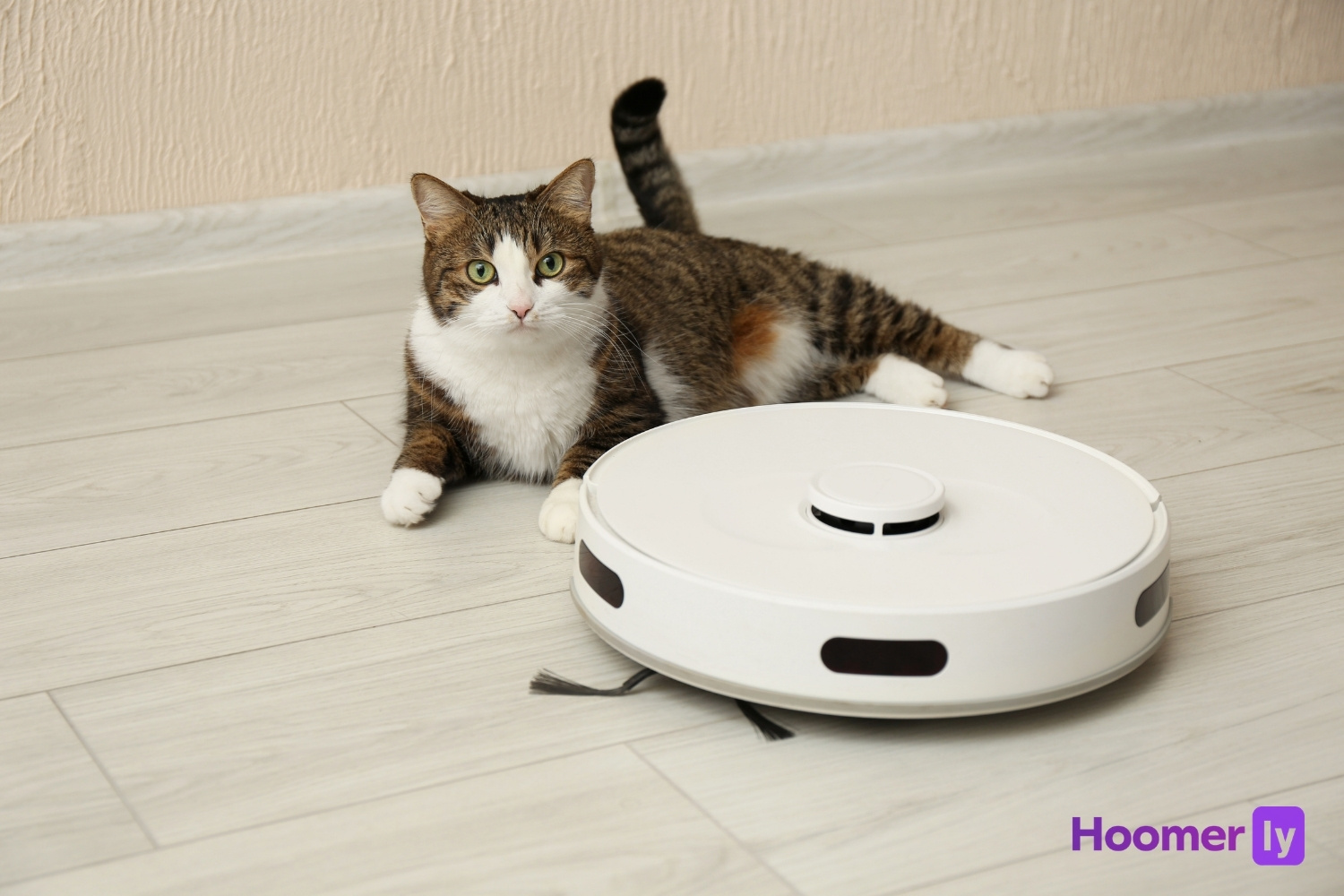
Living with two medium-sized dogs means my floors get a real workout. The common areas are hardwood, but there’s an area rug in the living room and a carpeted bedroom that catches everything. I’ve run a lot of robot vacuums through that setup over the years, and the ones that sound great in ads often fall apart on a rug that’s had a week of dog traffic on it.
For this guide, I looked at pickup data from VacuumWars and TechGearLab, brushroll design, dock features, and what each machine actually costs to live with day to day. Price matters, but so does whether you’re going to be hand-cleaning the brushroll every other day.
#1 Best Overall: MOVA S10
The MOVA S10 picked up 89% of pet hair on carpet in VacuumWars lab results, compared to an 81% category average. Its deep carpet clean score hit 90% against a 77% average. Those numbers are genuinely best-in-class at this price. The rubber main brush is the reason: it doesn’t wrap hair around itself the way a bristle brush does. The hair tangle rate in the same lab was 28%, compared to 97% for older bristle designs. If pet hair pickup is your main concern, this is the one.
The honest tradeoff is the dock. There’s no self-emptying here, just self-charging, so you’re emptying the bin yourself after every run. With two dogs, that’s a real daily chore. The obstacle avoidance is also weak: it knocked into four out of 24 objects in lab conditions, well below the 17-out-of-24 average. Anything on your floor, including a pet accident, is going to get smeared. The mop pad is basic, but it does lift 7mm over carpet automatically. Battery life at 260 minutes is the best in this group. Around $140 to $180 most of the time. Worth every cent for pet hair performance.
#2 Best for Heavy Shedders: Dreame D20 Plus
The Dreame D20 Plus is the one you want if emptying a dustbin every day sounds like too much. The self-emptying dock holds 5 liters, which Dreame claims covers 150 days of capacity. The suction comes in at 13,000 Pa, the highest in this group by a wide margin. The DuoBrush dual-brush system is built specifically around hair detangling, and Dreame claims 100% hair detangling performance, though that hasn’t been independently verified in a lab yet. This is a newer mid-2025 release, so the kind of third-party pickup data I have for the MOVA S10 doesn’t exist for it yet.
One thing to flag on price: the Dreame D20 Plus typically lists higher than $300, but it’s come down to around $279 on sale. I’m including it here under that framing because the pricing moves around, and at under $300 it’s a strong pick for what you get. Just check the current price before you buy. The mop plate doesn’t lift over carpet, so you’ll want to set no-go zones if you have rugs. Obstacle avoidance is LiDAR plus bumper only, no AI camera. The 285-minute battery is solid. If you shed heavily and want to stop thinking about the dock, this one is worth the sale price.
#3 Self-Emptying Convenience Pick: TP-Link Tapo RV30 Max Plus
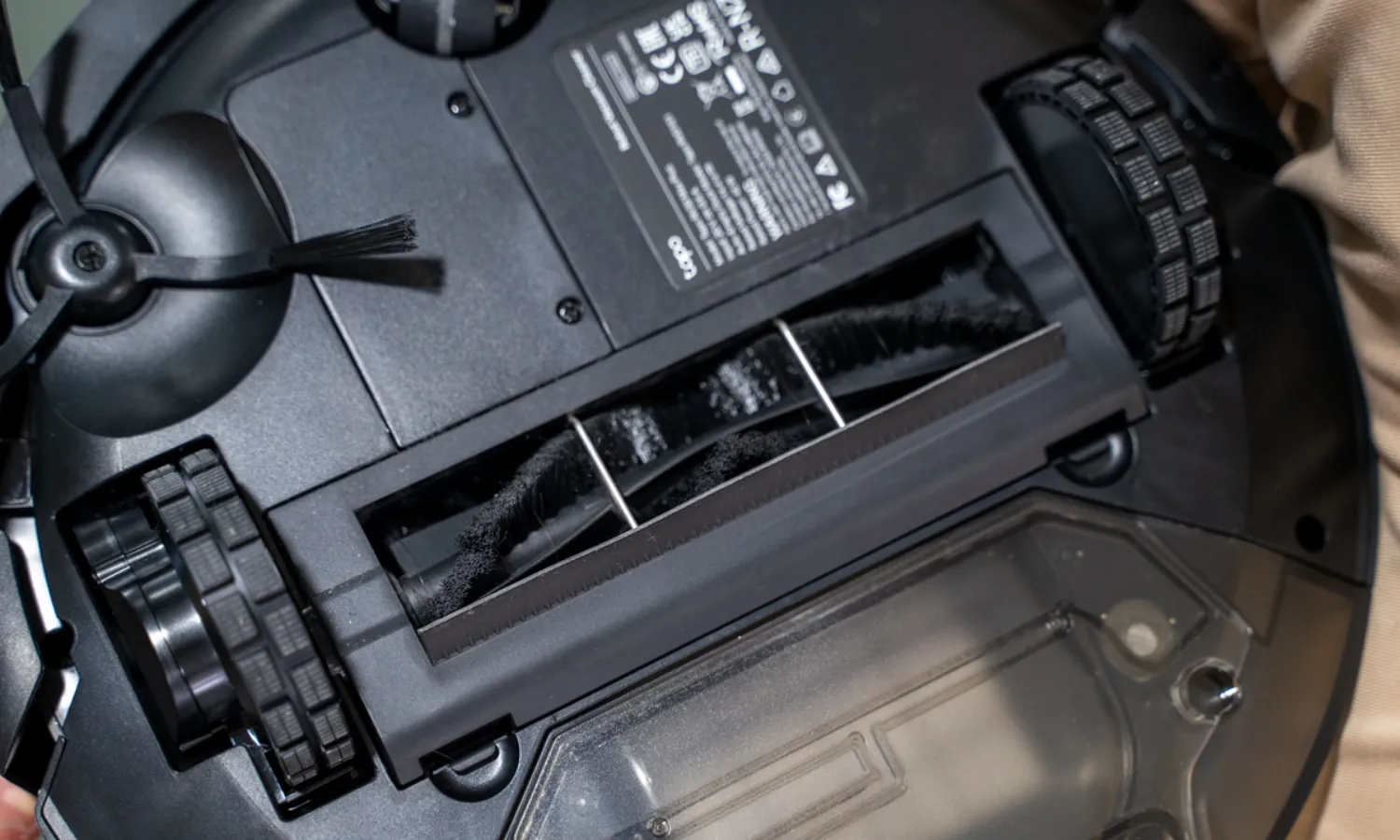
I want to be straight with you about this one: the Tapo RV30 Max Plus scored 40% on pet hair pickup in TechGearLab results, which is the weakest result in this group. Its overall score came in at 56 out of 100, ranked 16th out of 23 robots in that evaluation. The bristle brushroll tangles badly, and manually clearing it after a session with dogs takes about ten minutes. For a pet hair article, those numbers are hard to work around.
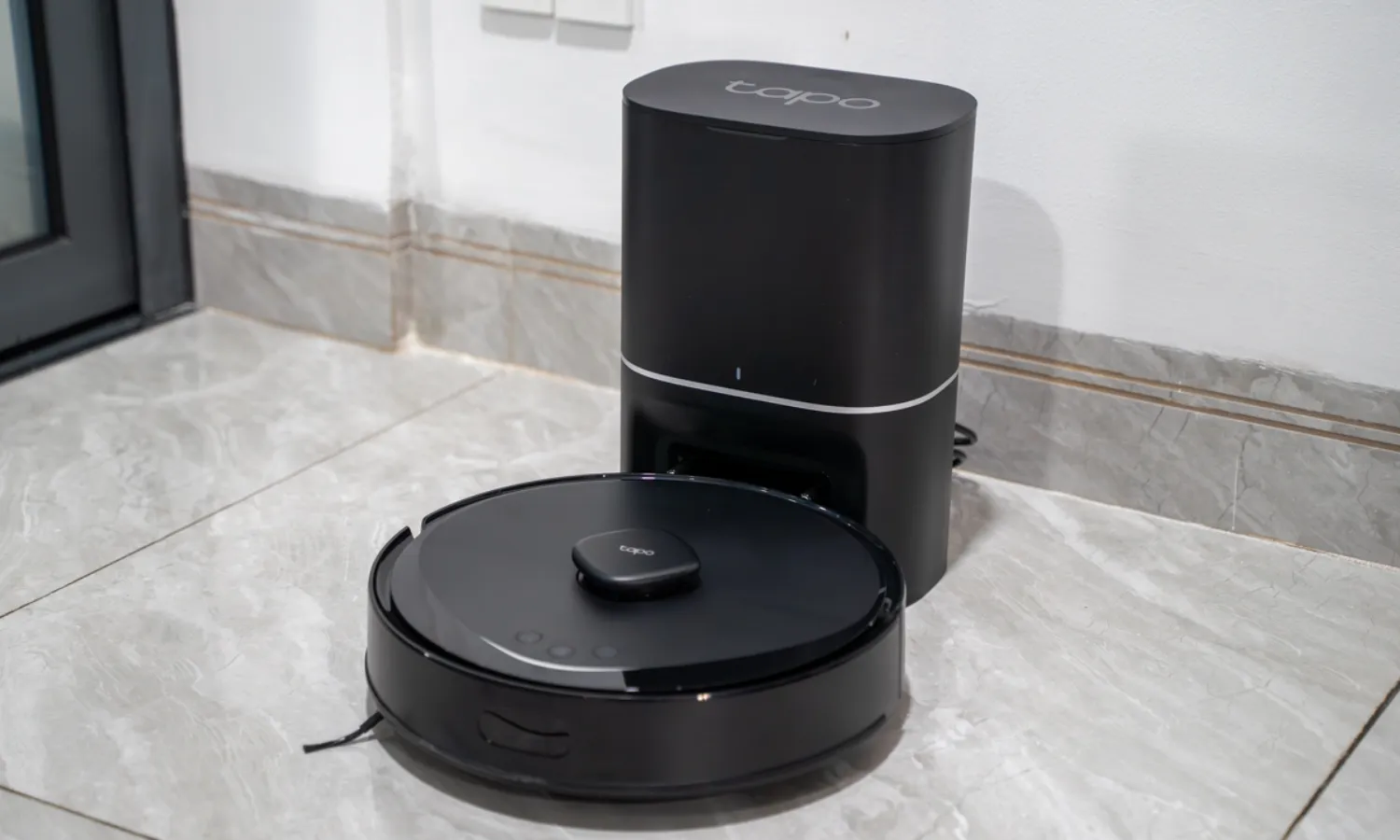
The one thing it has going for it is the dock: a 3-liter self-emptying bag rated for around 60 days. If hands-off emptying matters more to you than pickup performance, and your shedding situation is light to moderate, this is the cheapest self-emptying option in the group. LiDAR navigation maps well. But I’d be doing you a disservice if I called it a strong pet hair pick. It’s a convenience pick with real performance trade-offs. Available in the $220 to $280 range, and it dips lower with promo codes. For more options at this price point, see my full guide on robot vacuums under $200 for what you can get if you drop the self-empty requirement.
#4 Budget Brand-Name Entry: Shark ION RV754
The Shark ION RV754 has one thing going for it: the Shark name. Back when I was on the sales floor, Shark was one of the brands customers trusted without needing much convincing. That reputation still carries weight. But this is a 2022 model that Shark has largely moved past, replaced by the Matrix and IQ lines. There’s no independent lab pickup data available for it. The navigation is random bounce, no mapping, no LiDAR. Battery life is 120 minutes, the shortest in this group. The dustbin is a very small 0.45 quarts, so with a heavy shedder you’d be emptying it after every single run.
The bristle Tri-Brush tangles pet hair. There’s no mopping. Obstacle avoidance is cliff sensors and bump only. I’m including it here because it comes in around $140 to $160 and some buyers genuinely just want a Shark at the lowest possible price. That’s a fair reason to buy something. But if pet hair is the main problem you’re solving, the MOVA S10 costs about the same and has actual data behind it. The Shark ION is a brand-comfort buy, not a performance buy. You should know that going in. I have more on the Shark lineup in my best Shark robot vacuum guide if that’s the direction you’re leaning.
What to Look for in a Robot Vacuum for Pet Hair
Brushroll design matters more than suction numbers
A rubber roller or anti-tangle dual-brush system will make your life easier than a high-Pa motor paired with a bristle brush. Bristle brushes wrap hair around the roll, and with dogs, you’ll be manually clearing it constantly. The MOVA S10’s rubber brush clocked a 28% tangle rate in lab results. A standard bristle brush on the same shedding load hit 97%. That difference shows up every single day.
Dustbin size and dock type: do the math for your situation
A small dustbin with a heavy shedder means emptying after every single run. The MOVA S10’s onboard bin requires daily manual emptying. The Dreame D20 Plus’s 5-liter self-empty dock can go weeks between empties. Neither is wrong, but you should pick based on how much hands-on time you actually want to spend. If touching the dustbin every day bothers you, pay for the self-empty dock.
Navigation type: LiDAR vs. random bounce
LiDAR maps your home, builds a floor plan, and runs in efficient straight lines. Random bounce navigation covers the same ground multiple times and misses spots near walls. For a multi-room home with furniture and dog beds everywhere, LiDAR is worth it. Every pick in this guide except the Shark ION RV754 uses LiDAR. The Shark’s random bounce is fine for a small, open space. It’s a real limitation in anything larger. I cover this in more depth in my full robot vacuum guide.
Obstacle avoidance: the pet accident problem
Weak obstacle avoidance is especially bad for pet owners. A robot that can’t detect an obstacle will smear anything on the floor: dropped food, a shoe, a pet accident. The MOVA S10 scored 4 out of 24 in obstacle detection, well below average, so that’s a real gap in an otherwise strong machine. If your dogs have accidents, you need a model with camera-based or structured light avoidance. None of the picks in this budget range do it perfectly, but it’s worth knowing before you buy.
Mopping: helpful add-on, not a replacement
A few of these machines include a mop pad, but at this price, mopping is a light scrub at best. The MOVA S10’s vibrating pad lifts automatically over carpet, which is a nice design. The Dreame D20 Plus’s plate mop doesn’t lift, so you’ll need to set no-go zones for rugs. Don’t buy any of these primarily for mopping. If mopping is important to you, my best robot vacuum and mop for pet hair guide covers models built to do both properly.
My Pick
For most people with pets, the MOVA S10 is the answer. The pickup numbers are real: 89% on pet hair, 90% on deep carpet clean, both best in this price range with actual lab data behind them. The rubber brushroll means you’re not clearing a tangled mess every few days. It’s around $140 to $180, sometimes less on sale. The daily dustbin empty is the honest cost of that deal, and it’s worth knowing upfront. But as a pet hair machine, it earns its spot at the top of this list.
If you have a heavy shedder and emptying a dustbin every day genuinely sounds unsustainable, watch for the Dreame D20 Plus to drop under $300. The 5-liter dock and 13,000 Pa suction make it the better long-term setup for serious shedding, even without lab pickup data yet. The Tapo RV30 Max Plus is there if hands-free emptying is your priority and pet hair performance is secondary. And the Shark ION RV754 is for buyers who just want a recognizable brand at the lowest price possible, with full awareness of what they’re giving up. Pick the one that matches your actual situation, not just the one that sounds the most impressive.
FAQs
Do any robot vacuums under $300 actually handle long dog hair without clogging?
Yes, but the brushroll type is what separates them. A rubber roller or anti-tangle dual-brush system handles long hair far better than a traditional bristle brush. The MOVA S10’s rubber roller had a 28% hair tangle rate in lab results. A bristle brush on similar shedding hit 97%. That’s the difference between a weekly maintenance check and a daily detangling session. Look for “rubber brushroll” or “anti-tangle” in the product details before you buy.
Is a self-emptying dock worth it for pet owners in this price range?
It depends on how often your dogs shed and how much hands-on time bothers you. A self-empty dock is genuinely useful for heavy shedders since the bin fills fast. The Dreame D20 Plus’s 5-liter dock can go weeks without attention. But the trade-off at this price range is usually lower verified pickup performance. The MOVA S10 has better lab numbers and no self-empty dock. It’s a real decision to make based on your setup.
Can I find the best robot vacuum for pet hair under $300 with strong mopping too?
At this price point, mopping is a light scrub, not a deep clean. The MOVA S10 includes a vibrating mop pad that lifts over carpet automatically, which is useful for quick hardwood passes. The Dreame D20 Plus has a passive mop plate but no carpet lift. None of these are serious mop replacements. For a machine that does both pet hair and mopping at a higher level, see my best robot vacuum and mop for pet hair guide.
How often do I need to empty the dustbin if I have two dogs?
With two moderate-to-heavy shedders, probably every run or every other run if the bin is a standard onboard size. The Shark ION RV754 has a very small 0.45-quart bin, which fills fast with heavy shedding. The MOVA S10’s bin is larger but still manual. A self-empty dock like the Dreame D20 Plus’s 5-liter version changes this significantly. Two dogs means you’ll genuinely feel the difference between a 0.45-quart bin and a proper self-empty setup.
Is the Shark ION RV754 still worth buying in 2026?
Honestly, not for pet hair performance. It’s a 2022 model with random navigation, a bristle brushroll, a very small dustbin, and no independent lab data to back up its pet hair pickup. Shark has better models in the Matrix and IQ lines now. The ION RV754 is really only worth it if you have a very tight budget and strong brand loyalty to Shark. For pet hair specifically, the MOVA S10 costs about the same and outperforms it in every measurable way.

Write Your Review
No reviews yet. Be the first to share your experience!