

Try Amazon Prime free for 30 days
Fast free delivery on heavy items, plus Prime Video, Prime Music and member-only deal prices.
My quick take: the best robot vacuum for LVP floors right now is the iRobot Roomba j7+. It has rubber rollers instead of bristles, so there’s no real scratch risk, and the obstacle avoidance is genuinely the best I’ve seen at this price. For a strong mopping option, the Roborock S5 Max is the one I’d point you toward. It handles both jobs well and gives you real control over how much water actually hits your floors.
Everything I Recommend
These are the models worth a close look if you’re searching for the best robot vacuum for LVP floors right now. I keep this updated as things get discontinued or prices shift significantly.

Pros
- Exceptional obstacle detection prevents common accidents like pet waste and tangled cords
- Self-emptying base reduces maintenance to monthly bag changes instead of frequent bin emptying
- Personalized cleaning schedules adapt to your lifestyle and seasonal cleaning needs
- Dual rubber brushes handle multiple floor types without tangling pet hair
- 120-minute battery with smart recharge and resume completes full-home cleaning cycles
Cons
- Higher price point compared to traditional robot vacuums without self-emptying capability
- Requires initial setup and app configuration for optimal smart mapping performance
- Ongoing cost of replacement bags for the Clean Base disposal system
The iRobot Roomba j7+ is a premium self-emptying robot vacuum designed for pet owners and busy homeowners who want cleaning automation without the constant maintenance. This model combines intelligent navigation, powerful suction, and hands-free convenience into a single device that learns your home and adapts to your lifestyle.
What sets the Roomba j7+ apart is its PrecisionVision Navigation system, which uses a built-in camera to identify and avoid obstacles in real time. Unlike earlier robot vacuums that randomly bump into obstacles, the j7+ recognizes pet waste, charging cords, socks, shoes, and other hazards before they become problems. The camera even sends you photos of detected obstacles, giving you visibility into potential issues. Combined with 10x more powerful suction than older Roomba models and dual multi-surface rubber brushes, this vacuum tackles pet hair and debris effectively across carpets, hardwood, and hard surfaces.
The self-emptying Clean Base is a game-changer for convenience. Rather than emptying the dustbin every few days, the j7+ automatically empties into an enclosed bag system that can go up to 60 days between changes. The enclosed design means no dust clouds or mess when disposing of dirt, keeping your hands clean and your air quality better. The robot learns your cleaning habits and suggests extra cleaning sessions during peak pet shedding or high pollen days, showing genuine intelligence about your specific needs.
Battery life reaches 120 minutes, and the smart recharge and resume feature allows the vacuum to return to its dock, charge only as much as needed, and resume cleaning where it left off. Voice assistant integration with Alexa and Google Home, plus the iRobot app, gives you complete control to trigger spot cleaning or schedule automatic cleaning when you leave home. The vacuum stops automatically when you return, so you only see the clean result.
The main drawback is cost, as this model commands a premium price due to its advanced features. Additionally, the ongoing expense of replacement bags for the Clean Base disposal system should be factored into the total cost of ownership. Setup and initial app configuration require some attention to maximize the smart mapping capabilities. For pet owners and those seeking truly automated, intelligent cleaning with minimal hands-on involvement, the Roomba j7+ delivers exceptional value despite its higher upfront investment.
PrecisionVision Navigation: Camera-based obstacle detection identifies pet waste, cords, and debris in real time, with photo alerts sent to your phone.
Self-Emptying Base: Automatically empties into an enclosed bag system lasting up to 60 days, eliminating frequent bin emptying and dust clouds.
10x Stronger Suction: Dual multi-surface rubber brushes and 3-stage cleaning system deliver powerful performance on carpets, hardwood, and hard floors.
Imprint Smart Mapping: Learns your home layout and stores multiple maps for different levels, allowing room-by-room and zone-based cleaning control.
Adaptive Cleaning Intelligence: Learns your cleaning patterns and suggests extra sessions during pet shedding season or high pollen days.
Voice and App Control: Compatible with Alexa, Google Home, and the iRobot app for scheduling, spot cleaning, and away-mode automation.
Smart Recharge and Resume: Returns to dock to charge only what is needed, then resumes cleaning to complete full-home coverage on a single cycle.
Cleaning Power: 10x suction compared to Roomba 600 series, dual multi-surface rubber brushes
Navigation: PrecisionVision Navigation with camera, Imprint Smart Mapping, Reactive Sensor Technology, Dirt Detect
Battery: Lithium Ion, 120 minutes runtime, smart recharge and resume
Cleaning Path Width: 7 inches
Dimensions: 13.3 inches L x 13.3 inches W x 3.4 inches H
Weight: 3.4 kilograms
Floor Compatibility: Carpet, hardwood, hard surfaces
Special Features: Self-emptying, anti-fall sensors, auto-docking, edge cleaning, multi-floor mapping, pet hair pickup, room-by-room navigation, scheduling
Control Methods: App, touch controls, voice assistant (Alexa, Google Home, Siri)
Compatible Devices: Amazon Echo, Google Home, smartphones, tablets
Included Components: Clean Base Automatic Dirt Disposal, Roomba j7+ vacuum, extra corner brush, dirt disposal bag, filter, power cord
Pros
- Advanced dual-camera system with infrared night vision provides superior obstacle detection compared to single-camera competitors
- Exceptional 2500Pa suction power automatically boosts on carpets for thorough dirt extraction
- Flexible app controls allow granular customization per room including suction intensity and mopping schedules
- Quiet 67dB operation enables scheduling around family routines without disruption
- TUV Rheinland privacy certification and instant image processing deletion provide peace of mind for security-conscious users
Cons
- Requires 2.4GHz WiFi connectivity, which may be problematic for users with older routers or mesh networks
- App-dependent interface means functionality is limited without smartphone access or voice assistant setup
- SnapMop system sold separately, adding to overall cost for users wanting full mopping capabilities
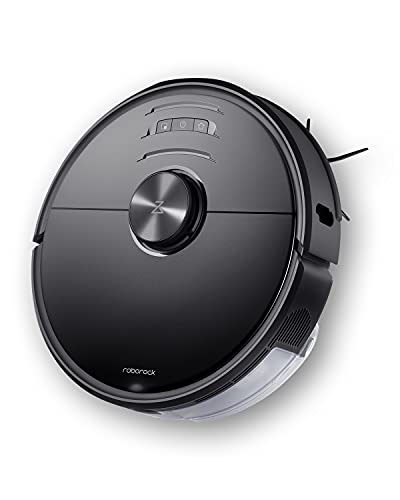
The Roborock S6 MaxV represents a significant advancement in robotic vacuum technology, targeting tech-savvy homeowners and pet owners who demand intelligent cleaning solutions. This model combines dual-camera vision with LiDAR navigation to create a robot that understands its environment rather than simply following pre-programmed paths. The addition of infrared imaging allows it to function effectively in low-light conditions, making it genuinely useful for homes with varied lighting throughout the day.
The standout feature is undoubtedly the ReactiveAI obstacle avoidance system. Unlike basic bump-and-turn models, the S6 MaxV actively identifies obstacles such as pet waste, charging cables, chair legs, and shoes before collision occurs. Real-world performance shows this system successfully navigates complex household environments while maintaining cleaning efficiency. The 2500Pa suction power delivers impressive results on both hard floors and carpets, with automatic carpet detection that boosts suction to maximum levels when needed. The smart mopping system adds genuine value, allowing users to define water flow by room and establish no-mop zones for protecting area rugs and hardwood floors.
Build quality is solid with a 8.2-pound chassis designed for durability. The robot measures 19.25 inches in length and operates at a quiet 67 decibels, making it suitable for daytime cleaning without excessive noise. Battery performance is reliable, delivering up to 180 minutes of runtime in quiet mode, sufficient for covering 2580 square feet. The 460ml dustbin and 290ml water tank are appropriately sized for typical household cleaning cycles, though larger homes may require multiple runs.
The primary drawback involves app dependency and WiFi requirements. The robot requires 2.4GHz WiFi connectivity, which can be problematic for users with modern mesh networks or limited router coverage. While voice control through Alexa, Google Home, and Siri provides alternatives, the full feature set requires smartphone access. Additionally, the SnapMop system is sold separately, meaning users wanting complete mopping functionality must make an additional purchase.
The Roborock S6 MaxV delivers exceptional value for households prioritizing intelligent obstacle avoidance and customizable cleaning patterns. Its dual-camera system, strong suction performance, and flexible app controls make it particularly suitable for pet owners and multi-level homes. While the WiFi dependency and separate mopping accessory represent minor limitations, the overall package provides genuine intelligence and reliability that justifies the investment for users seeking premium robotic cleaning.
Navigation and Mapping: Dual cameras with LiDAR navigation, multi-level mapping for up to 4 floors, up to 10 no-go zones, 10 no-mop zones, and 10 invisible walls per level.
Cleaning Performance: 2500Pa maximum suction power, 2580 square foot coverage area, up to 180 minutes battery life on a single charge (quiet mode), 460ml dustbin capacity.
Mopping System: 290ml electric water tank with adjustable water flow control by room, requires separate SnapMop attachment for full mopping functionality.
Battery and Power: Lithium-ion battery with 180-minute runtime, automatic return to dock for recharging, batteries included.
Control Options: Roborock app control, Mi Home app compatibility, Amazon Alexa voice control, Google Home voice control, Siri Shortcuts voice control, vacuum button touch control.
Physical Dimensions: 19.25 inches length x 6.75 inches width x 15.9 inches height, 8.2 pounds weight, black color.
Noise Level: 67 decibels during operation, quiet-mode compatible.
Additional Features: Infrared night vision, washable filter, remote viewing capability, obstacle recognition display on app, selective and sequence cleaning.
Is This Right For You? The S6 MaxV excels for pet owners, multi-level homeowners, and users seeking advanced obstacle avoidance technology. If you have pets that occasionally have accidents or live with children who leave toys on floors, this robot's dual-camera system prevents messy collisions. The customizable room-specific controls appeal to users with mixed flooring types who need different cleaning intensities in different areas.
WiFi and Connectivity Requirements: Before purchasing, verify your home has reliable 2.4GHz WiFi coverage throughout all cleaning areas. Modern mesh networks sometimes operate exclusively on 5GHz, which this model does not support. If WiFi is unstable in your home, consider this a significant limitation, as the robot requires connectivity for full functionality.
Mopping Considerations: The SnapMop system is sold separately. If mopping is essential to your cleaning routine, budget for this additional accessory. The smart water-level control by room justifies the investment for users with mixed flooring, but those primarily seeking vacuuming may not need it.
Comparison Context: This model positions itself above entry-level robotic vacuums through dual-camera technology and sits at a mid-to-premium price point. It competes with other high-end models but distinguishes itself through obstacle recognition rather than basic avoidance.
Long-term Value: The washable filter reduces ongoing maintenance costs compared to models requiring frequent filter replacements. The privacy certification and instant image deletion address growing concerns about smart home data security, adding intangible value for privacy-conscious consumers.
Pros
- Exceptional corner and baseboard cleaning thanks to the D-shaped design and larger brush
- Advanced laser navigation ensures thorough, systematic cleaning without missed spots
- Powerful allergen filtration makes it excellent for homes with pets and allergy sufferers
- Flexible scheduling and zone cleaning adapt to your lifestyle without manual intervention
- Multi-floor support with independent No-Go Lines prevents getting stuck on multiple levels
Cons
- 120-minute runtime may require multiple charging cycles for very large homes despite auto-resume
- No-Go Lines require a saved floor plan and robot must start from charge base, limiting flexibility
- Limited to 2.4 GHz and 5 GHz Wi-Fi connectivity, which may cause connectivity issues in some homes
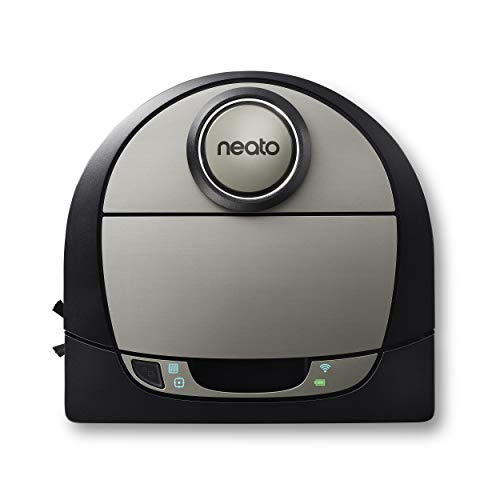
The Neato Botvac D7 Connected is a premium robot vacuum designed for homeowners who want intelligent cleaning without the hassle of manual vacuuming. It combines laser-guided navigation with a uniquely engineered D-shaped body to tackle the toughest cleaning challenges, especially in homes with pets. This model is ideal for anyone with multiple floor levels, pet hair concerns, or allergies who values both cleaning performance and smart home integration.
What sets the D7 apart is its laser mapping technology, which creates a detailed digital map of your home and enables straight-line cleaning patterns that ensure no spots are missed. Unlike random-walking robot vacuums, the D7 navigates methodically around furniture and automatically stops at stairs. The distinctive D-shaped design houses a brush up to 70% larger than competitors' round models, making it exceptionally effective at capturing pet hair on carpets and hard floors. The HEPA filter traps 99% of dust mites and allergens as small as 0.3 microns, providing real relief for allergy sufferers. With 120 minutes of battery life and the ability to auto-recharge and resume cleaning, it can handle large homes in a single cycle.
The D7's smart features enhance convenience significantly. The Neato app lets you create custom cleaning zones for problem areas like under the dining table or pet entry points, schedule cleaning routines that fit your lifestyle, and set up virtual No-Go Lines to protect items on the floor or pet bowls. The multiple floor plan feature stores layouts for up to three levels, allowing independent scheduling and boundary management for each floor. Voice control through Amazon Echo, Google Home, and Apple Watch adds another layer of hands-free convenience.
Build quality is solid with a 3.6 kg weight that feels sturdy without being unwieldy. The 0.7-liter dust bin is adequate for most weekly cleaning sessions, though homes with heavy pet shedding may need more frequent emptying. One limitation is that No-Go Lines require a saved floor plan and the robot must start from its charge base to use them, which can reduce spontaneous cleaning flexibility. Additionally, while dual Wi-Fi band support is included, some users in older homes with limited 5 GHz coverage may experience connectivity inconsistencies.
The Neato D7 Connected represents an excellent investment for pet owners and allergy sufferers seeking a reliable, intelligent cleaning solution. Its combination of advanced navigation, superior corner cleaning, powerful filtration, and smart home integration justifies the premium price point. The main consideration is ensuring your home has adequate Wi-Fi coverage and that the multiple floor plan requirement fits your usage patterns. For most multi-story homes with pets, this is a standout performer that genuinely reduces cleaning workload.
Battery and Power: 14.4V NiMH battery, 120 minutes runtime per charge, auto-recharge and resume functionality (up to 2 recharge cycles per cleaning session), 2 power levels (Eco and Turbo modes)
Filtration and Cleaning: HEPA ultra-performance filter capturing 99% of dust mites and allergens (0.3 microns), combo brush with spiral design, side brush, 0.7-liter dust capacity, suitable for carpets, hardwood, and wood floors
Navigation and Mapping: LaserSmart laser navigation with home mapping, straight-line cleaning pattern, automatic stair detection, multiple floor plans (up to 3), zone cleaning, No-Go Lines, dark vision capability
Smart Features: Wi-Fi connectivity (2.4 GHz + 5 GHz), voice control (Amazon Alexa, Google Assistant, Vera), app-based scheduling and control, Apple Watch compatibility, over-the-air software updates
Physical Dimensions: 33 inches L x 33 inches W x 7 inches H, 3.6 kilograms, D-shaped design, available in Black or White, portable form factor for indoor use only
Who Should Buy: Pet owners with allergies, multi-story homes, or large floor plans will see the most value from the D7. If you have multiple floors and want independent cleaning schedules for each level, or if pet hair and allergens are persistent problems, this model directly addresses those needs. The D-shaped design and large brush specifically benefit homes with corner clutter and baseboards where pet hair accumulates.
Key Considerations: Ensure your home has reliable Wi-Fi coverage on both 2.4 GHz and 5 GHz bands for optimal connectivity. Consider your floor plan complexity: the D7 stores up to three floor plans, which works well for townhomes and three-story houses but may be limiting for very large single-floor homes. If you have frequent obstacles on floors (clothes, toys, pet items), the No-Go Lines feature is invaluable, but remember they require a saved floor plan and the robot must start from its dock.
Comparison Context: The D7 is Neato's premium model, offering zone cleaning and multiple floor plans not available on the D4 or D6. If you only need single-floor cleaning or don't have pet hair concerns, the D6 provides laser navigation at a lower price point. The D7's extended 120-minute runtime matches the D6, but the D7 adds zone cleaning flexibility that justifies the premium for homes with problem areas.
Maintenance: Plan to empty the dust bin weekly in homes with pets, clean the filter monthly, and check brush condition periodically. The HEPA filter should be replaced according to manufacturer recommendations to maintain allergen filtration effectiveness. Regular software updates via Wi-Fi keep the robot optimized without additional effort.

Pros
- Intelligent AI object recognition prevents collisions with shoes, cables, and other obstacles
- Dual functionality eliminates need for separate vacuum and mop, saving time and storage space
- Extended 3-hour battery life handles large homes and open floor plans efficiently
- Multi-floor mapping stores separate layouts, automatically adapting to each level
- Highly customizable cleaning with room-specific settings and no-go zones via mobile app
- Live video monitoring provides peace of mind for pet owners and home security
Cons
- 3.9 out of 5 star rating suggests some users experience durability or performance inconsistencies
- Water tank capacity may require refilling for very large homes or frequent mopping sessions
- OZMO Pro scrubbing mop and auto-empty station sold separately, adding to total investment
The ECOVACS Deebot T8 AIVI is a hybrid robot vacuum and mop designed for homeowners who want comprehensive floor cleaning without manual effort. This device combines suction, sweeping, and mopping capabilities in a single unit, making it particularly valuable for households with mixed flooring types and busy schedules. The robot is engineered for multi-floor homes and offers extensive customization through its mobile app.
The standout feature is the AIVI technology, which uses AI-powered object recognition to identify and avoid obstacles like shoes, cables, and pet toys at speeds 2X faster than previous models. This means fewer collisions, less need to pre-clean your floors, and more reliable coverage. The precision laser mapping system creates detailed floor plans with 4X greater accuracy than standard laser navigation, and the robot can save and manage maps for multiple floors simultaneously. The 240mL water tank covers over 2,000 square feet per fill, and the carpet detection system intelligently boosts suction power on carpets while avoiding mopping them entirely.
Performance-wise, the 5200 mAh battery delivers up to 3 hours of runtime, enabling the robot to clean large areas up to 3,200 square feet on a single charge. Users can customize suction power, water flow levels, and cleaning frequency for individual rooms, and set unlimited virtual boundaries to restrict access to sensitive areas. The on-demand HD live video feature allows remote monitoring through the app, including the ability to speak through the robot's built-in speaker, adding a security dimension beyond cleaning.
The main drawbacks include a moderate 3.9 out of 5 star rating, which suggests some users have experienced durability or performance issues. Additionally, while the device includes a washable mopping pad and five disposable cloths, the water tank may need refilling during extended mopping sessions in large homes. Premium features like the OZMO Pro oscillating mop and 2.5L auto-empty station are sold separately, potentially increasing the total cost of ownership.
Verdict: The Deebot T8 AIVI is a feature-rich hybrid cleaner that delivers excellent value for homes with mixed flooring and multiple levels. Its intelligent object recognition and customizable cleaning make it suitable for families with pets or complex floor plans. Best suited for users who prioritize convenience and app-based control over budget-conscious shoppers.
AI Object Recognition (AIVI Technology): The robot identifies obstacles like shoes, cables, and pet toys 2X faster than previous models, making real-time decisions about navigation and cleaning patterns. This reduces collisions and minimizes the need to pre-clean your floors before running the robot.
Simultaneous Vacuuming and Mopping: The integrated OZMO system vacuums and mops in one pass with a 240mL water tank providing precise water flow control at three different levels. Disposable mopping cloths are included for convenience, though washable options are also available.
Precision Laser Mapping: The TrueMapping system uses advanced dTOF sensors combined with laser technology to create highly accurate floor maps with 4X greater precision than standard laser navigation. The robot can save and manage maps for multiple floors, automatically identifying which floor it is on and adapting its cleaning accordingly.
Customizable Cleaning: Through the mobile app, you can divide or merge areas, label rooms, set cleaning sequences, and customize suction power, water flow, and cleaning frequency for each room independently. Virtual boundaries and no-mop zones prevent the robot from entering restricted areas.
Extended Runtime: The 5200 mAh lithium-ion battery delivers up to 3 hours of operation in standard mode, enabling the robot to clean large areas up to 3,200 square feet without returning to the charging dock.
On-Demand Live Video Monitoring: Stream HD video from the robot's camera through the app to monitor pets, check doors and windows, and capture still images. The built-in speaker enables two-way communication for remote interaction.
Navigation & Mapping: TrueMapping laser navigation with advanced dTOF sensors, multi-floor mapping capability, precision laser technology for 4X accuracy.
Obstacle Detection: AIVI AI object recognition identifies obstacles 2X faster, with intelligent decision-making for navigation around shoes, cables, and pet toys.
Battery & Runtime: 5200 mAh lithium-ion battery, 3-hour runtime per full charge, 14.4 volts, up to 3,200 square feet coverage in standard mode.
Water System: 240mL water tank capacity, electronically controlled water pump with 3-level precise water flow control, includes 1 washable mopping pad and 5 disposable mopping cloths.
Dimensions & Weight: 13.7 inches length, 13.7 inches width, 3.6 inches height, 7.8 pounds total weight, portable design.
Smart Home Compatibility: Works with Amazon Alexa, Google Assistant, and dedicated mobile app for iOS and Android devices. Voice commands enable hands-free operation.
Filter & Maintenance: Cartridge-type filter, high-efficiency design included. Bonus replacement side brushes and air filter provided in the box.
Noise Level: 66 decibels during operation, suitable for daytime cleaning without excessive disturbance.
Additional Compatibility: Upgradable to OZMO Pro oscillating mop and 2.5L auto-empty station (sold separately) for enhanced mopping performance and hands-free operation.

Pros
- Self-emptying base significantly reduces hands-on maintenance compared to traditional robot vacuums
- Superior pet hair pickup with high-efficiency filter capturing dust, dander, and allergens
- Row-by-row cleaning pattern ensures methodical, complete home coverage
- Voice and app control integration provides convenient scheduling and monitoring
- Recharge and resume capability allows efficient cleaning of larger floor plans
Cons
- 60-minute battery life may require multiple charging cycles for homes over 2,000 square feet
- Non-washable filter requires eventual replacement, adding to long-term maintenance costs
- No reviews available yet, limiting real-world performance validation from actual users
The Shark RV912S EZ Robot Vacuum is a self-emptying robotic cleaner designed specifically for pet owners and busy households seeking automated floor maintenance. This bagless system combines smart navigation technology with powerful suction in a compact, cordless form factor that integrates seamlessly into modern smart homes.
The standout feature is the self-emptying base, which automatically collects debris after each cleaning session and can hold up to 30 days worth of dirt and pet hair. This means you can genuinely forget about vacuuming for a month, making it particularly valuable for multi-pet households. The row-by-row cleaning system delivers 50% better coverage than Shark's ION RV750 model, using methodical room-by-room navigation rather than random patterns. For pet owners, the multi-stage filtration system captures dust, dander, and allergens while the multi-surface brushroll handles both carpeted and hard floor surfaces effectively.
Performance-wise, the RV912S offers solid suction power across various debris types, from large pet hair to fine dust. The dual spinning side brushes ensure no debris escapes along edges and corners. Battery life reaches 60 minutes on a full charge with recharge and resume capability, allowing the vacuum to return to its base, recharge, and continue where it left off. This is practical for homes between 1,500 and 2,500 square feet, though larger spaces may require multiple sessions. Voice control integration with Alexa and Google Assistant, plus app-based scheduling, makes operation convenient and hands-free.
The main limitations include the non-washable filter requiring eventual replacement and a relatively modest 60-minute runtime that may necessitate multiple cleaning cycles for expansive floor plans. Additionally, as a newer model with no user reviews yet available, real-world performance data from actual owners is currently unavailable.
The Shark RV912S represents a solid mid-range option for pet owners prioritizing convenience and consistent coverage over premium features. Its self-emptying base and intelligent navigation make it a practical choice for households with shedding pets, though larger homes may want to consider models with extended battery life.
Power and Performance: 36-watt motor with 1.8 amps, powered by lithium-ion battery with 60-minute runtime and 3 power levels. Cleaning path width is 5.63 inches.
Smart Features: Wi-Fi enabled with app control, voice compatibility with Google Assistant and Alexa, cliff sensors for safety, and remote control included. Features room-by-room navigation, multi-floor mapping, and auto-docking capabilities.
Filtration and Cleaning: Non-washable high-efficiency filter, multi-surface brushroll, dual spinning side brushes, and bagless self-emptying base holding up to 30 days of debris.
Physical Specifications: Dimensions 18.5L x 13.38W x 11.42H inches, weighing 12.2 pounds. Available in dark gray. Includes robot vacuum, self-empty base, 2 side brushes, and filter. Covered by 1-year limited manufacturer warranty.
Why This Vacuum Works for Pet Hair: The Shark RV912S is specifically engineered for households with pets. The powerful suction combined with a multi-surface brushroll effectively captures pet hair from both carpets and hard floors. The multi-stage filtration system doesn't just remove hair but also captures pet dander and allergens, improving indoor air quality for allergy-sensitive family members.
Maintenance Benefits: The self-emptying base is a game-changer for pet owners. Rather than emptying a traditional dustbin multiple times weekly, the bagless base holds up to 30 days of accumulated pet hair and debris. This reduces exposure to allergens and makes the cleaning process significantly less labor-intensive.
Coverage and Consistency: The row-by-row cleaning pattern ensures systematic coverage of your home, which is crucial when dealing with pet hair distribution. Unlike random-pattern robots that may miss certain areas, this model methodically cleans room by room for complete coverage.
Best Practices: For optimal pet hair performance, ensure side brushes are regularly checked for tangled hair, and schedule regular cleaning sessions using the app or voice commands. The recharge and resume function is particularly useful for multi-level pet homes, as the vacuum can continue cleaning after recharging rather than stopping mid-session.
Finding the best robot vacuum for LVP floors is a bit different from shopping for carpet or tile. LVP is one of those floor types people assume is indestructible because it’s tougher than hardwood. But it still scratches, and it’s very sensitive to water sitting in the joints. A robot vacuum that drags a stiff bristle brush across it, or one with a sloppy mop pad that dumps water everywhere, is going to cause damage over time. The best robot vacuums for hardwood floors and LVP share a lot of the same requirements, but mopping control becomes even more important with LVP.
What separates a smart pick from a regrettable one here comes down to three things: brush roll material, mop water control, and whether the robot actually avoids obstacles before bumping into them. A robot that repeatedly knocks into your furniture legs is going to chip your LVP edges faster than any brush will.
I looked at five models across a range of prices and use cases. Below you’ll find the full breakdowns, including where each one falls short.

My Top Pick
Here’s how I’d slot each one before we get into the full breakdowns.
Best Overall for LVP iRobot Roomba j7+ at Amazon ↓ Jump to Review
Best with Mopping Roborock S5 Max at Amazon ↓ Jump to Review
Best Corner Cleaning Neato Botvac D7 at Amazon ↓ Jump to Review
Best Budget Self-Emptying iRobot Roomba i3+ at Amazon ↓ Jump to Review
Budget Pick Shark RV912S EZ at Amazon ↓ Jump to Review
LVP has gotten really popular over the past few years, and I get why. It’s durable, it looks good, and it holds up better than hardwood in high-traffic areas. My own floors are hardwood, but I’ve had neighbors, family members, and honestly more customers than I can count ask me about cleaning LVP without wrecking it. So I’ve paid attention.
The way I approached this roundup: I focused on brush type first (rubber vs. bristle), then looked at how each robot handles mopping moisture, and finally at obstacle avoidance. A robot that scratches, floods, or constantly bashes your baseboards doesn’t belong on LVP, no matter how good its suction numbers look.
#1 Best Overall for LVP: iRobot Roomba j7+
The dual rubber rollers are the first reason this one works so well on LVP. No bristles means no risk of the brush dragging grit across your floor finish over hundreds of runs. The PrecisionVision camera AI is genuinely impressive in real use. It identifies pet waste, charging cords, socks, and shoes before making contact, which matters a lot when you’ve got furniture with wooden legs sitting on LVP. According to Vacuum Wars, the j7+ has the best obstacle avoidance of any robot vacuum currently on the market.
The trade-offs are real, though. The battery is only 75 minutes, which won’t finish a large open-plan home in one go. Suction power isn’t published in Pascal ratings, and while pickup scores on hard floors are solid, some fine debris can get left behind in deeper LVP joint grooves. There’s no mopping. If mopping matters to you, look at the Roborock below. But for pure vacuuming on LVP without scratch risk, this is the one I’d buy.
#2 Best with Mopping: Roborock S5 Max
The mop system on the S5 Max is what makes it stand out for LVP. It uses an electronic pump with four adjustable water flow levels, so you’re not just hoping the pad doesn’t soak your floor. You can actually set it to low flow and trust that the joints aren’t getting flooded. Modern Castle found 100% pickup on hardwood in their evaluation, and performance on hard floors generally is very strong. LiDAR navigation keeps it moving in systematic rows rather than bouncing around randomly.
The main brush has bristles rather than pure rubber, which is worth noting for people with very sensitive LVP finishes, though user reports don’t flag real-world scratching as a common issue. The bigger practical limitation: the mop pad doesn’t lift automatically when the robot hits carpet. You have to set no-mop zones in the app manually. Also no auto-empty dock. At around $360-500 for a 2019 model, it’s still a fair deal if mopping is your priority. Check out my full robot vacuum and mop roundup if you’re weighing combo options.
#3 Best Corner Cleaning: Neato Botvac D7
The D-shape design gives the Botvac D7 something round robots simply can’t match: a 10.9-inch wide brushroll that gets into corners and along baseboards in a way that genuinely makes a difference on LVP. Hair and debris collect along LVP wall edges constantly, and most round robots leave a visible strip behind. The D7 handles that well. LiDAR navigation, multi-floor mapping, and no-go zones round out a solid feature set for a robot in this class.
Here’s the thing you need to know before buying: Neato is out of business and the D7 is a discontinued product. You’re buying end-of-life inventory, which means no guaranteed software support going forward. The brush has rubber flaps with bristle strips (not a pure rubber design), and while user reports don’t flag scratching as a real problem, it’s not the cleanest solution for LVP purists. Worth it if corner cleaning is your priority and you find it at a good price. Go in with eyes open about the availability risk.
#4 Best Budget Self-Emptying: iRobot Roomba i3+
The rubber dual-brush system is what saves this one for LVP. No bristles, same safe-for-floors design as the j7+, and TechGearLab found 100% cereal pickup and 99% all-debris pickup on hard floors in their evaluation. Impressive numbers. The Clean Base self-empty dock holds up to 60 days of debris, which is genuinely convenient if you run it daily and don’t want to empty it constantly. For a self-emptying robot under $430, that’s a solid package.
The obstacle avoidance is the weak point for LVP specifically. The i3+ uses a physical bumper only, no camera, no LiDAR. That means it contacts your furniture legs before rerouting, which is a repeated-impact risk for LVP edges over time. There’s also no room mapping and no no-go zones. Reviews are bimodal, with a decent share of reliability complaints dragging the average down. It’s a good pick if you have a simpler layout and your furniture isn’t densely packed. Not the one I’d choose for a room full of chair legs and table legs sitting on nice LVP.
#5 Budget Pick: Shark RV912S EZ
The rubber brushroll is the right call for LVP, and the Shark RV912S gets that part right. It also comes with a bagless self-empty base that holds up to 30 days of debris, which is useful at this price point. Pet hair and general surface debris pickup on bare floors is solid in real use. The IQ Navigation runs in systematic rows, so it’s not just bouncing randomly around the room.
The limitation for LVP is the same one the i3+ has: physical bumper contact before rerouting. The robot bumps your furniture legs, reroutes, and does it again next run. On LVP, that repeated edge impact adds up. There’s no LiDAR and no camera, so navigation is less precise than the j7+ or S5 Max, and it may miss areas in more complex room layouts. Suction power isn’t published. Honestly, this is a decent floor cleaner for a straightforward room, but if your LVP edges or furniture legs are things you care about protecting, the j7+ is worth the extra spend. You can also browse the best Shark robot vacuums if you’re set on the brand.
What to Look for in a Robot Vacuum for LVP Floors
Brush Roll Type: The Most Important Factor in the Best Robot Vacuum for LVP Floors
LVP finishes vary in hardness and texture, and a stiff-bristle brushroll running over your floor thousands of times adds up. Rubber rollers (like the ones on the Roomba j7+ and i3+) flex rather than scrape, which makes them the genuinely safer choice. Combo brushes with rubber flaps and some bristle strips (like the Neato D7 and Roborock S5 Max) are a middle ground. User reports on those don’t flag scratching often, but if your LVP has a softer finish, pure rubber is the cleaner answer.
Mop Water Control Matters More on LVP Than on Most Floors
LVP is water-resistant, not waterproof. The weak spot is the joints between planks. Mop pads that saturate those joints consistently can cause swelling and warping over time. What you want is adjustable water flow you can actually control, like the electronic pump on the Roborock S5 Max set to low. Gravity-fed mop pads with no flow control are a risk on LVP. If you’re going to mop, make sure the robot gives you real control over moisture levels.
Why Obstacle Avoidance Matters When Choosing the Best Robot Vacuum for LVP Floors
This one doesn’t get talked about enough for the best robot vacuum for LVP floors searches. A robot that repeatedly drives into your chair legs and furniture bases is going to chip LVP edges over months of daily use. Camera-based AI avoidance (Roomba j7+) identifies objects before contact. LiDAR (Roborock, Neato) handles large obstacles but still uses a physical bumper for small ones. Physical-bumper-only robots (i3+, Shark RV912S) are the highest risk for LVP edges in furniture-dense rooms.
Suction on Smooth Surfaces Is Different from Carpet Suction
On LVP, debris sits on a smooth, low-friction surface, so high Pascal suction is less critical than it is on carpet. Mechanical pickup from a well-designed brushroll does most of the work. The j7+’s suction numbers aren’t published, but its hard floor pickup scores are consistently solid because the rubber rollers do their job. What you want is consistent coverage and a brush that actually moves debris toward the suction inlet, not just flings it sideways.
No-Go Zones Let You Protect Problem Areas
On LVP specifically, no-go zones aren’t just a convenience feature. They let you block off transition strips, area rug edges, and tight spots where a bumper-only robot tends to get stuck and spin. The Roborock S5 Max and Neato D7 both offer app-based no-go zones via LiDAR mapping. The Roomba j7+ handles this through Smart Mapping with Keep Out Zones. The i3+ and Shark RV912S don’t offer this, which is a real gap if your LVP layout has tricky spots.
My Pick
For the best robot vacuum for LVP floors without any caveats, the Roomba j7+ is where I’d spend the money. Rubber rollers, camera-based obstacle avoidance before contact, and systematic cleaning via a real room map. The 75-minute battery is the one genuine limitation, so if your space is large, plan for multi-run sessions. For anyone who wants mopping included, the Roborock S5 Max is the pick, just set the water flow low and map your no-mop zones before you run it on LVP.
The Neato D7 earns its corner-cleaning reputation honestly, but buying a discontinued product is a risk I’d only take if you find it deeply discounted and corner debris is genuinely your biggest problem. The Roomba i3+ is a capable floor cleaner on a budget, and the rubber brushroll is right for LVP, but the bumper-only obstacle avoidance makes me nervous for furniture-heavy rooms. The Shark RV912S is a reasonable budget option for simple layouts. If you’re also weighing options for pet hair specifically, the best robot vacuums for pet hair on hardwood floors overlap significantly with what works on LVP.
FAQs
Can I use any robot vacuum on LVP, or do I need a specific type?
You can use most robot vacuums on LVP, but brush type matters. Bristle-heavy brushrolls can scratch softer LVP finishes over time with repeated use. Rubber rollers are the safer default. Beyond that, if your robot has a mop function, make sure it has adjustable water flow. Passive gravity mop pads with no flow control can saturate LVP joints, and that’s where water damage actually happens on these floors.
Is the best robot vacuum for LVP floors the same as the best for hardwood?
Mostly yes, with one key difference: mopping water control is more important on LVP than on hardwood because LVP joints are more vulnerable to moisture over time. The brush roll and navigation requirements are essentially the same. If you’re already looking at robots for hardwood, you’re looking at the right category. My hardwood floor robot vacuum guide covers a lot of the same ground.
How often should I run the best robot vacuum for LVP floors?
Daily or every other day works well for most households. LVP attracts grit and fine debris that acts like sandpaper under foot traffic. Running your robot frequently keeps that layer off the surface before it causes wear. If you have dogs or kids, daily runs make a noticeable difference. The self-emptying models (j7+, i3+, Shark RV912S) make daily scheduling genuinely low-effort since you’re not emptying a bin every time.
Will a robot vacuum scratch LVP over time?
A robot with rubber rollers and well-maintained side brushes is very unlikely to scratch LVP in normal use. The real scratch risks are grit trapped under a stiff brushroll, or a bumper-only robot spinning against a furniture leg repeatedly and grinding debris into your floor edge. Keep the brushes clean, check that no debris is wrapped around the rollers, and you’ll be fine with any of the rubber-roller options on this list.
What about robot vacuums with mopping on LVP? Are they worth it?
They can be, but only if the mop system has real water flow control. A robot that drags a soaking wet pad across LVP and lets water sit in the joints is going to cause damage over months of use. The Roborock S5 Max handles this better than most at its price point because the electronic pump gives you four distinct levels to work with. Set it to low on LVP and it’s fine. Passive mop pads with no adjustment I’d skip entirely for LVP.

Write Your Review
No reviews yet. Be the first to share your experience!