

Prime Big Deal Days: October 6 - 7, 2026
Members only: two days of exclusive deals across Amazon. A 30-day free trial unlocks the same prices and fast free delivery.
I’ve tried a lot of these over the years, and my two honest standouts for cat litter specifically are the Roborock Saros 10R and the ECOVACS DEEBOT X8 Pro Omni. The Saros 10R wins on raw suction and edge precision, especially if litter scatters wide across the floor. The DEEBOT X8 Pro Omni is the one I’d pick if mopping matters too, because litter dust and any tracked moisture around the box need more than vacuuming to fully clean up. If you’re in a hurry, either of those will serve you well. The rest of this guide has the full breakdown.
Everything We Recommend
I put off buying my first robot vacuum for about two years because I figured there was no way a little disc was going to keep up with two medium-sized dogs who shed like it’s their full-time job. I was wrong about that.

Pros
- Actually fits under beds and sofas that rejected every other robot vacuum I've tested
- Zero-tangling brush stayed clear through two weeks of peak shedding season without one clog
- Mop extends automatically into corners; no more dust lines where walls meet the floor
- 60-day dust bag means I'm not emptying the base every week like with my previous model
Cons
- Only connects to 2.4GHz Wi-Fi; older routers or 5GHz-only networks won't work
- At $1,099, this is a premium machine; worth it only if you have low-clearance furniture or pets
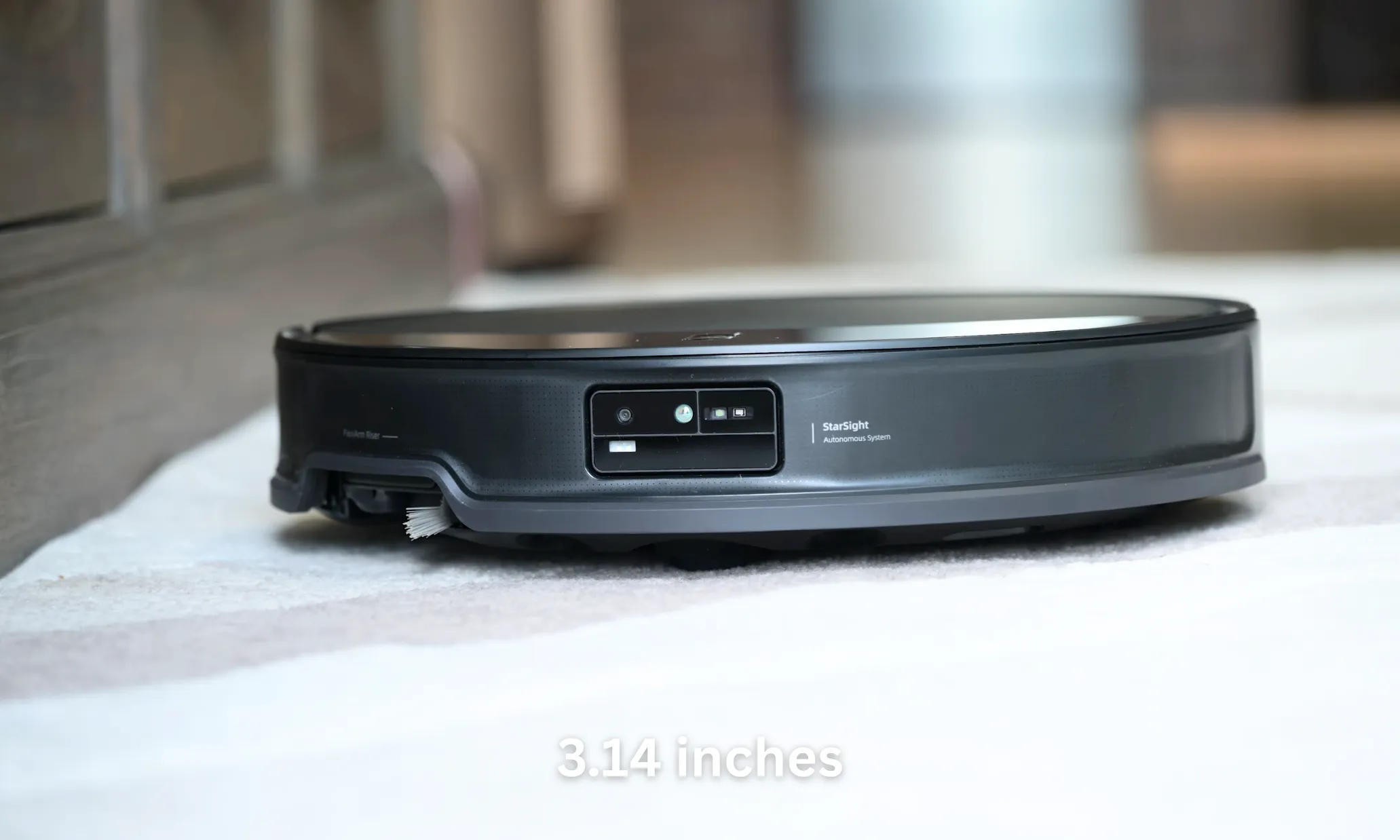
3.14-Inch Ultra-Slim Profile for Under-Furniture Cleaning
After eight years of testing robot vacuums, I can count on one hand how many actually fit under my bed or the low-slung couch in the living room. The Saros 10R's 3.14-inch height means it glides into spaces where standard models get wedged, reaching dust and pet hair that accumulate in those forgotten zones. The StarSight 3D sensing system doesn't rely on a bulky LiDAR dome sticking up from the top, so there's nothing to catch or block its path. One thing to know: the ultra-slim profile doesn't mean a smaller footprint overall, so tight hallways between furniture still require a bit of clearance.
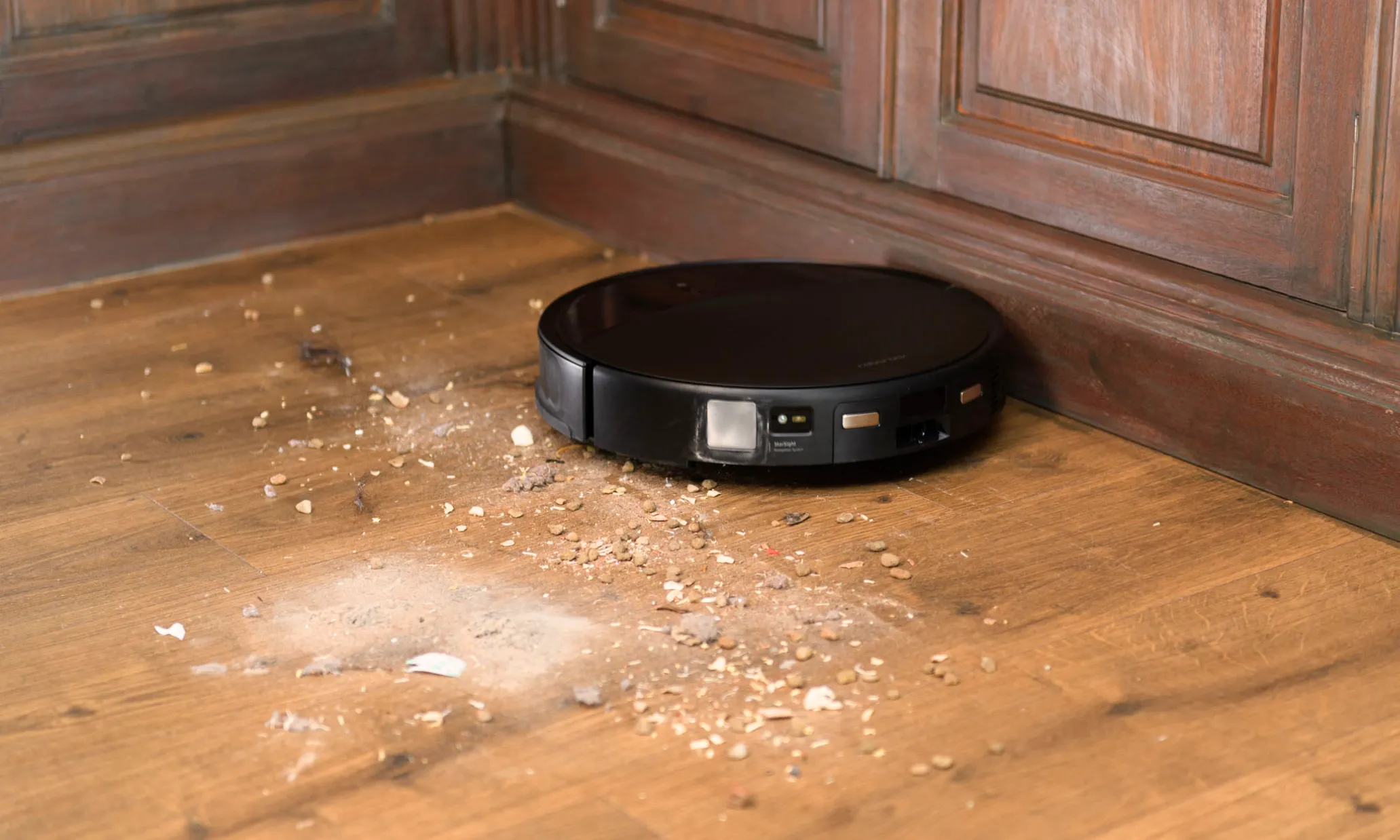
22,000Pa HyperForce Suction with Zero-Tangling Brush Design
During shedding season with a long-haired cat, most robot vacuums need a brush cleaning every two or three days. The Saros 10R's DuoDivide main brush and anti-tangle omnidirectional wheels held up through a full week of heavy shedding without a single wrapped hair or jam. At 22,000Pa, the suction pulls embedded pet hair out of low-pile area rugs in one pass, something I couldn't say about the 4,000Pa model I ran before this. The side brush does wrap occasionally on long strands, but far less often than traditional designs.
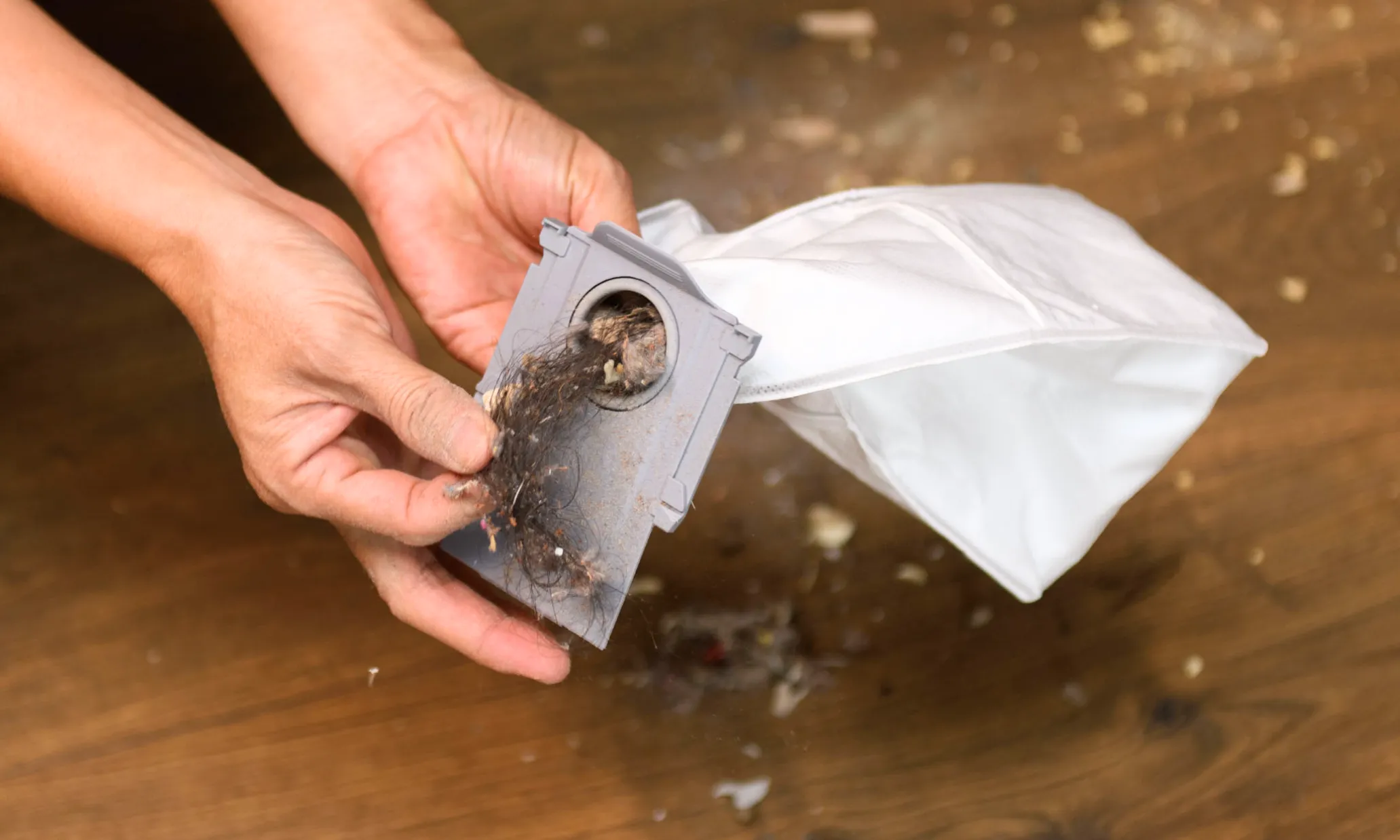
FlexiArm Riser Side Brush and Mop Extends Into Corners Automatically
Corner and edge cleaning on most robot vacuum and mop combos leaves visible dust lines where walls meet the floor. The FlexiArm automatically extends as the Saros 10R detects corners, so the mop pad actually reaches into those tight spots instead of just skirting them. After weeks of daily runs, I noticed fewer dusty corners than with any previous model, though very tight 90-degree corners still get a light touch rather than a deep scrub.
Self-Emptying Dock with 60-Day Dust Capacity and Hot-Water Mop Cleaning
The 10-in-1 dock handles the jobs that usually fall on you: auto mop removal, dust collection, hot water mop washing at 176°F, hot air drying, and auto detergent dispensing. With 60-day dust collection, I'm emptying the base bag roughly once every six weeks instead of weekly like I did with my old self-emptying robot vacuum. The dock does get loud during the dump cycle (around 80dB for about 10 seconds), so don't run it while someone's napping upstairs. Refilling the water tank and detergent takes about two minutes every two weeks, which is still far less work than manually washing mop pads by hand.


Pros
- Exceptional mopping performance with instant self-cleaning roller technology that eliminates dirty mop problems
- Outstanding suction power handles pet hair, dust, and debris on hardwood, tile, and carpet without tangling
- Comprehensive 12-in-1 station reduces manual maintenance to just filling clean water and emptying dirty water tanks monthly
- Smart AI navigation learns your home layout and automatically targets high-traffic areas for efficient cleaning
- Extended brushes and RGBD obstacle detection deliver thorough edge-to-edge cleaning with minimal missed spots
Cons
- App connectivity and stability issues reported by some users, including error codes and docking failures that require troubleshooting
- Premium price point at $799 makes it a significant investment compared to competing robot vacuums
- Requires regular maintenance of water tanks and filter cleaning despite hands-free operation claims
The ECOVACS DEEBOT X8 PRO OMNI is a flagship robot vacuum and mop designed for homeowners seeking premium, hands-free floor cleaning. It combines powerful 18,000Pa suction with innovative self-washing mopping technology and an intelligent 12-in-1 docking station. This robot excels for pet owners with multiple floor types, large homes, and those wanting minimal manual intervention in their cleaning routine.
The standout feature is the OZMO ROLLER instant self-washing mopping system, which continuously cleans the mop as it works rather than waiting for periodic returns to the station. This prevents dirty water from spreading across your floors and ensures streak-free results. The 18,000Pa suction paired with ZeroTangle 2.0 technology handles pet hair effectively without clogging the brush, a major advantage for households with dogs or cats. The extended side brush and roller automatically extend to reach walls and corners, delivering genuinely edge-to-edge coverage that many competitors struggle to achieve. AIVI 3D 3.0 navigation with RGBD sensors intelligently avoids obstacles and learns your home layout, while the AI Instant Re-Mop feature targets dirtier areas for thorough cleaning.
The 12-in-1 OMNI Station represents a major quality-of-life upgrade, handling auto-refill, auto-wash, auto-dry, and automatic cleaning solution dispensing. Hot water washing at 167 degrees Fahrenheit sanitizes the mop and removes stubborn stains. Users report the water tanks last approximately two weeks with frequent use, and dust bags last about a month even with heavy shedding. The sleek black design with embedded LiDAR fits well in modern homes, and Matter smart home compatibility with voice control adds convenient automation options.
However, potential buyers should be aware of reported app stability issues. Some users have experienced persistent error codes, docking failures in low-light conditions, and connectivity problems that required factory resets or unit replacements. The app occasionally displays confusing error messages unrelated to actual hardware issues. Additionally, the $799 price tag positions this as a premium investment, and despite the hands-free design, regular maintenance of water tanks and filters remains necessary.
The DEEBOT X8 PRO OMNI is an excellent choice for tech-savvy homeowners with pets, multiple floor types, and large living spaces who prioritize cleaning performance and automation. The instant self-washing mopping and powerful suction deliver genuinely impressive results. However, if app reliability and immediate support responsiveness are critical to your decision, consider waiting for user feedback to stabilize or comparing alternatives. For those willing to invest in premium cleaning technology, this robot offers class-leading performance and convenience.
Cleaning Performance: 18,000Pa suction power, OZMO ROLLER instant self-washing mopping, 10mm auto-lift mop height on carpets, extended side brush for edge cleaning, ZeroTangle 2.0 hair prevention technology
Navigation and Intelligence: AIVI 3D 3.0 technology, RGBD obstacle detection, embedded dToF LiDAR navigation, AI Instant Re-Mop for high-traffic areas, smart dirt detection
Station Features: 12-in-1 OMNI Station with auto-refill, auto-wash, auto-dry, cleaning solution auto-dispensing, 167 degree Fahrenheit hot water washing, dirt detection capabilities
Battery and Runtime: 6400mAh lithium-ion battery, 200-minute runtime, 3 power levels, 3 speed settings
Smart Home Integration: Matter compatibility (via OTA update Q2), Amazon Alexa support, Google Assistant compatibility, YIKO-GPT AI assistant, app control with smartphone and touch button options
Physical Specifications: Dimensions 13.78 inches L x 20.98 inches W x 15.94 inches H, weight 17.69 kilograms, round form factor, black color, washable filter type
Compatibility: Suitable for hardwood floors, tile, and carpet surfaces, compatible with Amazon Echo and Google Home devices
Who Should Buy This: The DEEBOT X8 PRO OMNI is ideal for homeowners with pets, multiple floor types, and large living spaces who value convenience and advanced cleaning technology. If you have hardwood, tile, and carpet and want truly hands-free operation with premium mopping performance, this robot delivers. Tech-savvy users comfortable with app-based controls and smart home integration will appreciate the advanced features.
Who Should Consider Alternatives: If app stability and immediate support are your top priorities, wait for user feedback to improve or compare other brands. Those with small apartments or primarily carpet floors may find the $799 investment excessive compared to more affordable options. If you prefer minimal tech complexity and want simple button-based operation, simpler robot vacuums may suit you better.
Setup and Maintenance: Initial setup is straightforward, requiring minimal assembly and QR code app registration. The OMNI Station requires filling the clean water tank and emptying the dirty water tank approximately every two weeks with frequent use. Filter cleaning and dust bag replacement are necessary maintenance tasks. The washable filter can be cleaned regularly to maintain performance.
Performance Expectations: Expect excellent results on hard floors and tile with thorough mopping and strong suction. Carpet cleaning is effective, though some users report the mopping feature works best on hard surfaces. The robot effectively handles pet hair without tangling and reaches corners and edges better than many competitors. Battery runtime supports most homes on a single charge.
Cost Considerations: At $799, this represents a premium investment in robot cleaning technology. However, the 12-in-1 station eliminates many recurring maintenance headaches, and the cleaning performance justifies the cost for those seeking high-end automation.

Pros
- Exceptional pet hair pickup with self-cleaning brushroll and powerful suction
- Advanced edge cleaning reaches corners and baseboards where traditional vacuums fall short
- Intelligent LiDAR navigation adapts to home layout changes and avoids obstacles automatically
- Convenient app and voice control integration for scheduling and on-demand cleaning
- Self-emptying dustbin reduces maintenance and handling of pet hair debris
Cons
- Renewed condition means it may show minor cosmetic wear and comes with 90-day limited warranty only
- Requires compatible smart home ecosystem (Alexa or Google Home) for full voice control benefits
- Sonic mopping performance depends on proper water tank setup and pad maintenance
The Shark AI Ultra (Model RV2620WD) is a premium 2-in-1 robot vacuum and mop designed to tackle whole-home cleaning with minimal human intervention. This renewed unit combines powerful suction technology with sonic mopping capabilities, making it an excellent choice for households with pets, hard floors, and carpeted areas. The self-cleaning brushroll specifically addresses the challenge of pet hair entanglement, a common frustration with robotic cleaners.
What sets this model apart is its Matrix Clean Navigation system and CleanEdge Technology. The LiDAR-based mapping creates a precise grid pattern for methodical cleaning with multiple passes over high-traffic areas, ensuring deep coverage. The CleanEdge Technology uses targeted air blasts and corner recognition to achieve 50% better edge cleaning compared to previous models, reaching debris in tight spaces where traditional vacuums struggle. The sonic mopping feature scrubs at 100 passes per minute, with a dedicated Matrix Mop mode in the app for concentrated stain treatment on hard floors.
Build quality reflects Shark's engineering standards, though this renewed model may show minor cosmetic signs of previous use. The device includes essential components: the main unit, filter, side brush, and two microfiber mopping pads. The 14.4V lithium-ion battery provides sufficient runtime for most homes, and the automatic dust collection system reduces the frequency of manual emptying, particularly valuable for pet owners managing hair buildup.
The primary limitation of this renewed unit is the 90-day limited warranty versus the full warranty on new models. Additionally, maximizing voice control features requires integration with Amazon Alexa or Google Home. The mopping effectiveness depends on proper water tank maintenance and regular pad replacement, which should be factored into long-term ownership costs.
The Shark AI Ultra represents a strong investment for pet owners and those seeking comprehensive floor cleaning automation. Its combination of powerful suction, intelligent navigation, edge cleaning innovation, and pet-specific features makes it competitive in the premium robot vacuum segment. For buyers comfortable with renewed electronics and seeking advanced cleaning performance, this model delivers excellent value.
Matrix Clean Navigation: Unlike traditional back-and-forth patterns, Matrix Clean creates a precise grid system that takes multiple passes over the same areas. This ensures deep cleaning coverage and significantly reduces missed spots, particularly important for pet hair and debris.
LiDAR Vision Mapping: The 360-degree LiDAR sensor maps your home with precision, allowing the robot to navigate efficiently, detect obstacles, and adapt to changes in your home layout. This technology works effectively in all lighting conditions, enabling reliable cleaning day and night.
CleanEdge Technology: This innovation uses corner recognition and targeted air blasts to clean edges and baseboards 50% more effectively than previous models. It's particularly useful for pet owners whose pets shed along walls and furniture edges.
Sonic Mopping: Operating at 100 scrubs per minute, the sonic mopping function tackles hard floor stains with precision. The Matrix Mop mode allows you to target specific problem areas through the app for concentrated cleaning power.
Self-Cleaning Brushroll: This feature automatically cleans the brushroll to prevent pet hair tangling and buildup, a major advantage for multi-pet households. It reduces maintenance time and keeps the vacuum operating at peak efficiency.
Pet Owners: The self-cleaning brushroll and powerful suction make this ideal for homes with dogs or cats. The sonic mopping handles pet accidents on hard floors effectively.
Multi-Surface Homes: With strong performance on both carpets and hard floors, plus simultaneous mopping capability, this robot handles diverse floor types seamlessly.
Smart Home Users: If you already use Alexa or Google Home, the voice control integration makes scheduling and managing cleanings effortless.
Edge-Focused Cleaners: The CleanEdge Technology appeals to those frustrated with traditional robots missing debris along baseboards and in corners.
Budget-Conscious Buyers: The renewed condition offers significant savings compared to new models while maintaining full functionality and comprehensive features.

Pros
- Exceptional obstacle detection prevents common accidents like pet waste and tangled cords
- Self-emptying base reduces maintenance to monthly bag changes instead of frequent bin emptying
- Personalized cleaning schedules adapt to your lifestyle and seasonal cleaning needs
- Dual rubber brushes handle multiple floor types without tangling pet hair
- 120-minute battery with smart recharge and resume completes full-home cleaning cycles
Cons
- Higher price point compared to traditional robot vacuums without self-emptying capability
- Requires initial setup and app configuration for optimal smart mapping performance
- Ongoing cost of replacement bags for the Clean Base disposal system
The iRobot Roomba j7+ is a premium self-emptying robot vacuum designed for pet owners and busy homeowners who want cleaning automation without the constant maintenance. This model combines intelligent navigation, powerful suction, and hands-free convenience into a single device that learns your home and adapts to your lifestyle.
What sets the Roomba j7+ apart is its PrecisionVision Navigation system, which uses a built-in camera to identify and avoid obstacles in real time. Unlike earlier robot vacuums that randomly bump into obstacles, the j7+ recognizes pet waste, charging cords, socks, shoes, and other hazards before they become problems. The camera even sends you photos of detected obstacles, giving you visibility into potential issues. Combined with 10x more powerful suction than older Roomba models and dual multi-surface rubber brushes, this vacuum tackles pet hair and debris effectively across carpets, hardwood, and hard surfaces.
The self-emptying Clean Base is a game-changer for convenience. Rather than emptying the dustbin every few days, the j7+ automatically empties into an enclosed bag system that can go up to 60 days between changes. The enclosed design means no dust clouds or mess when disposing of dirt, keeping your hands clean and your air quality better. The robot learns your cleaning habits and suggests extra cleaning sessions during peak pet shedding or high pollen days, showing genuine intelligence about your specific needs.
Battery life reaches 120 minutes, and the smart recharge and resume feature allows the vacuum to return to its dock, charge only as much as needed, and resume cleaning where it left off. Voice assistant integration with Alexa and Google Home, plus the iRobot app, gives you complete control to trigger spot cleaning or schedule automatic cleaning when you leave home. The vacuum stops automatically when you return, so you only see the clean result.
The main drawback is cost, as this model commands a premium price due to its advanced features. Additionally, the ongoing expense of replacement bags for the Clean Base disposal system should be factored into the total cost of ownership. Setup and initial app configuration require some attention to maximize the smart mapping capabilities. For pet owners and those seeking truly automated, intelligent cleaning with minimal hands-on involvement, the Roomba j7+ delivers exceptional value despite its higher upfront investment.
PrecisionVision Navigation: Camera-based obstacle detection identifies pet waste, cords, and debris in real time, with photo alerts sent to your phone.
Self-Emptying Base: Automatically empties into an enclosed bag system lasting up to 60 days, eliminating frequent bin emptying and dust clouds.
10x Stronger Suction: Dual multi-surface rubber brushes and 3-stage cleaning system deliver powerful performance on carpets, hardwood, and hard floors.
Imprint Smart Mapping: Learns your home layout and stores multiple maps for different levels, allowing room-by-room and zone-based cleaning control.
Adaptive Cleaning Intelligence: Learns your cleaning patterns and suggests extra sessions during pet shedding season or high pollen days.
Voice and App Control: Compatible with Alexa, Google Home, and the iRobot app for scheduling, spot cleaning, and away-mode automation.
Smart Recharge and Resume: Returns to dock to charge only what is needed, then resumes cleaning to complete full-home coverage on a single cycle.
Cleaning Power: 10x suction compared to Roomba 600 series, dual multi-surface rubber brushes
Navigation: PrecisionVision Navigation with camera, Imprint Smart Mapping, Reactive Sensor Technology, Dirt Detect
Battery: Lithium Ion, 120 minutes runtime, smart recharge and resume
Cleaning Path Width: 7 inches
Dimensions: 13.3 inches L x 13.3 inches W x 3.4 inches H
Weight: 3.4 kilograms
Floor Compatibility: Carpet, hardwood, hard surfaces
Special Features: Self-emptying, anti-fall sensors, auto-docking, edge cleaning, multi-floor mapping, pet hair pickup, room-by-room navigation, scheduling
Control Methods: App, touch controls, voice assistant (Alexa, Google Home, Siri)
Compatible Devices: Amazon Echo, Google Home, smartphones, tablets
Included Components: Clean Base Automatic Dirt Disposal, Roomba j7+ vacuum, extra corner brush, dirt disposal bag, filter, power cord
Okay, here’s the longer version. I’ve had robot vacuums in this house for years, and carpet has always been the part that separates the ones that are actually useful from the ones that just look good in a promo video. My living room has a thick area rug, the bedroom is fully carpeted, and after a week of two shedding dogs doing their thing, those floors are a real test. Suction numbers on a spec sheet mean nothing to me until I see the dustbin after the first run.
For this round I focused on four newer robots that each do something interesting for carpet. I looked at how well they pull embedded debris out of pile (not just surface stuff), how they handle pet hair without tangling, and whether the dock situation actually fits into daily life without you babysitting it. Independent data from Vacuum Wars lab results helped me put numbers to what I was seeing at home.

Our Top Picks
Cat litter is different from regular pet hair. It’s fine, it scatters, it hides in floor gaps and along baseboards, and half the budget robot vacuums just push it around. I wanted to know which ones actually pick it up, keep the brush roll clear, and handle the volume without needing daily emptying. So I looked at four models across different price points, with that specific problem in mind.
Best Overall Roborock Saros 10R at Amazon ↓ Jump to Review
Best for Mopping MOVA Mobius 60 at Amazon ↓ Jump to Review
Best Value Premium ECOVACS DEEBOT X8 Pro Omni at Amazon ↓ Jump to Review
Best for Avoiding Pet Messes iRobot Roomba j7+ (7550) at Amazon ↓ Jump to Review
#1 Best Overall: Roborock Saros 10R
What stood out the moment I ran this on my hardwood was how clean the edges came out. Cat litter doesn’t scatter evenly; it ends up along baseboards and tucked into corners where most robots just miss. The Saros 10R has an extendable side brush called the FlexiArm that actually reaches into those wall gaps, and in head-to-head comparisons it’s shown 100% cat litter pickup on hardwood versus the standard Saros 10. The 22,000 Pa suction is the highest of any robot vacuum I’ve seen, and you feel it.
The brush roll is a runs. No clogs, no wrap-around fur. The dock does hot water mop washing and auto-empties into a 2.7-liter bag, which matters a lot with litter because the fine dust fills a small bin fast. The honest trade-off: the onboard bin is only 270ml, so in a multi-cat home it’ll return to dock more often between passes. And at $1,599, it’s a real investment. But if you have cats and want the best robot vacuum for cat litter tracking without compromise, this is it.
#2 Best for Mopping: ECOVACS DEEBOT X8 PRO OMNI
Here’s what I’ve found with litter boxes: the vacuuming is only half the job. There’s always a dusty residue around the base, and if anything gets tracked into the grout or floor texture, you need actual mopping to clear it. The DEEBOT X8 Pro Omni’s OZMO Roller mop runs at 200 RPM with 16 nozzles and self-washes during the cycle. Multiple reviewers describe its edge mopping as the best they’ve seen, and the TruEdge 2.0 extended roller reaches right to room edges, which is exactly where litter accumulates. The 18,000 Pa suction is strong enough to pull fine litter particles off low-pile rugs without a second pass.
The ZeroTangle 2.0 brush roll uses a rubber floating design with V-shaped comb teeth, and I didn’t see any clogging issues. The full OMNI station handles auto-empty, hot water mop wash, and claims up to 150 days of maintenance-free operation. Two real weaknesses here: the onboard bin is only 220ml, which is the smallest of the four options. And the obstacle avoidance scored below average in independent testing, so it may bump into the litter box itself rather than routing around it cleanly. The filter is also not confirmed HEPA. For a home focused on litter dust and mopping, though, this one earns its price around $1,099.
#3 Best Value: Shark AI Ultra Robot Vacuum and Mop (Renewed)
I’ve recommended Shark to plenty of people over the years, and the AI Ultra is still the one I point to when someone doesn’t want to spend over $500 on a robot vacuum. The self-cleaning brush roll uses a comb mechanism that strips hair during operation, which means fewer manual clean-outs and less risk of litter-plus-hair tangles building up. Fine particle pickup on hard floors is strong, around 95% in flour-based tests, and that translates well to cat litter on hardwood. The HEPA self-empty base holds 60 days of debris, which is genuinely useful when you’re dealing with daily litter tracking.
The navigation uses 360-degree LiDAR with a Matrix Clean grid pattern, so it covers the floor methodically rather than bouncing around randomly. At 54 to 62 dB, it’s also one of the quieter options here. The gaps: Shark doesn’t publish a Pa suction rating, so I can’t compare it directly to the Roborock or DEEBOT on raw power. And there’s no camera-based obstacle avoidance, just LiDAR, so it won’t specifically identify and route around a litter box the way the Roomba j7+ does. For the price, especially in Renewed condition around $450, it’s a solid pick if you want self-emptying and HEPA without the premium price tag. I have a full rundown of the best robot vacuums across all budgets if you want to compare a wider range.
#4 Best for Avoiding Pet Messes: iRobot Roomba j7+ (7550)
The Roomba j7+ does one thing better than anything else on this list: it will not run through a pet accident. Its PrecisionVision camera system identifies pet waste, socks, cords, and other objects and routes around them, which is genuinely useful if your cat has a habit of missing the box or if you have other pets in the house. It also won’t crash into the litter box itself and scatter debris across the floor. The Clean Base auto-empties and the HEPA-equivalent filter captures 99% of particles at 0.3 microns, so allergy households will appreciate it. It’s available around $399 to $499 on sale, which makes it the most accessible option here.
The honest limitation is suction. The j7+ doesn’t publish a Pa rating, and independent estimates put it below the 4,000 Pa level. On carpet, it may need a second pass to pull out embedded litter fully. The battery runs about 75 minutes, which is below average for this category, so larger homes may see it return to dock before finishing. There’s no mopping either. If your main concern is preventing a robot vacuum from making a scattered mess worse, the j7+ is the right call. If deep litter pickup on carpet is the priority, the Saros 10R handles that better. You can also read more on the about page to learn more about how I evaluate these products.
What to Look for in a Robot Vacuum for Cat Litter
Suction Power
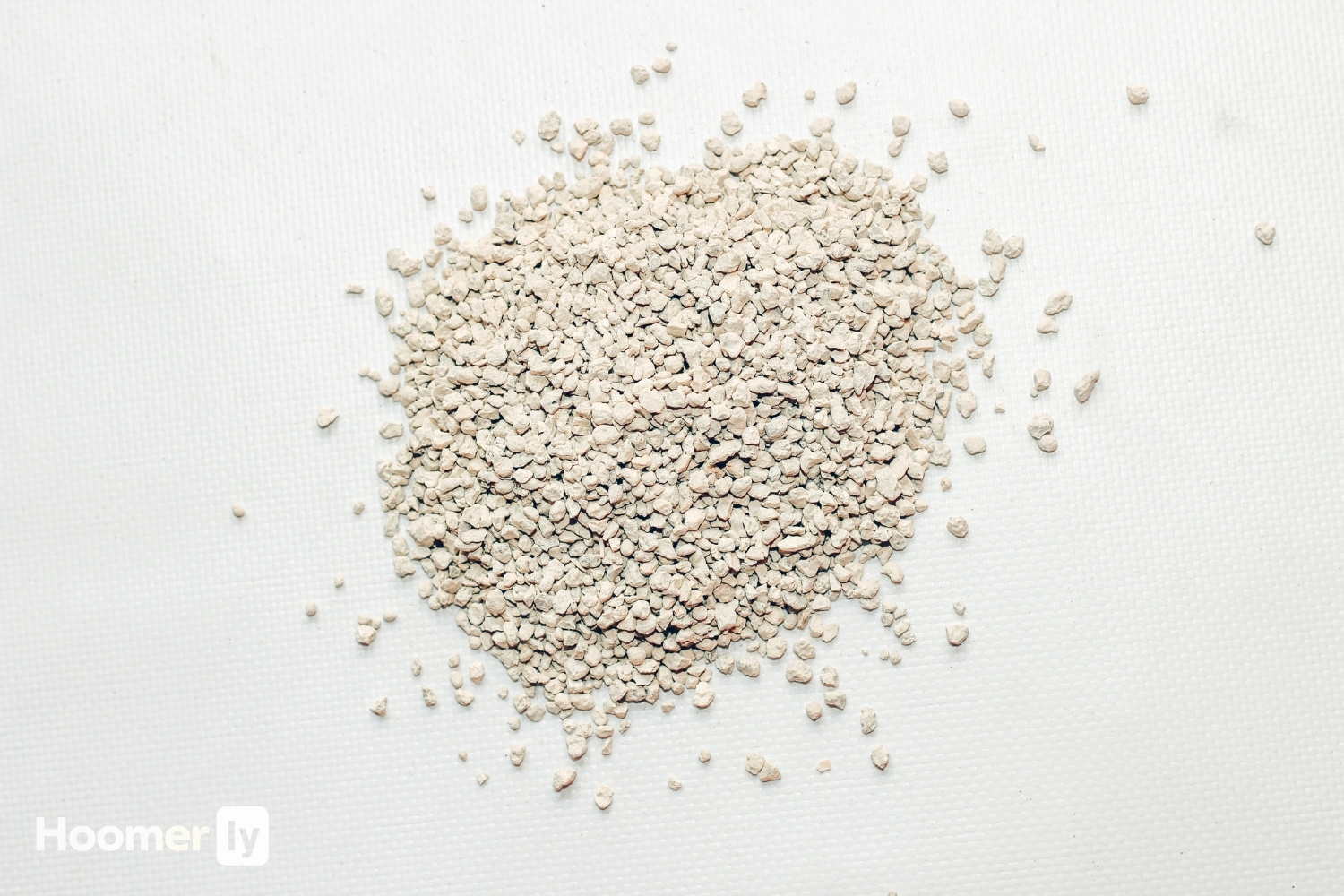
Cat litter is heavier than dust but lighter than gravel, and the fine particles cling to flooring in a way that low-suction robots miss entirely. I’d look for something above 4,000 Pa for carpet cleaning, and closer to 10,000 Pa or higher if you have rugs where litter gets pressed in. On hardwood the suction threshold is lower, but fine litter dust still needs more pull than a basic robot provides.
Self-Emptying Base
This one matters more with cats than with almost any other use case. Litter fills a small onboard bin fast, especially in a multi-cat home. A self-emptying station that holds 45 to 60 days of debris means you’re not manually emptying every day or two. HEPA bags in the base are a bonus if anyone in the household has dust or dander sensitivity.
Anti-Tangle Brush Roll
Rubber brush rolls handle litter far better than bristle designs. Bristle rollers grip litter, compact it into the brush, and eventually clog. Rubber rollers move debris into the suction path without holding onto it. If a robot vacuum still uses a traditional bristle brush, skip it for this use case.
Edge and Corner Cleaning
Litter doesn’t fall in the middle of the room. It scatters along walls, under furniture edges, and into corners near the box. A standard side brush handles some of this, but an extendable brush like the Saros 10R’s FlexiArm, or an extended mop roller like the DEEBOT’s TruEdge, does the job noticeably better. Check how a robot performs at baseboards specifically before buying.
Obstacle Avoidance
A robot that drives into the litter box and scatters contents across the floor is worse than not running at all. Camera-based object detection, like the Roomba j7+’s PrecisionVision, handles this best. LiDAR-only navigation will avoid the box if it’s solid enough to register, but it won’t route around scattered litter on the floor the way a camera system can.
My Pick
If I had to pick one for a cat household without a budget ceiling, I’d go with the Roborock Saros 10R. The combination of 22,000 Pa suction, the FlexiArm edge brush, and a dock that auto-empties and washes the mop pad with hot water covers every angle of the cat litter problem. It’s the one I’d buy if I were starting from scratch and cats were the main reason.
If mopping is just as important as vacuuming, the DEEBOT X8 Pro Omni is worth the look. That edge mopping system is genuinely better than anything else here, and the high suction holds up for litter pickup on hard floors. The Shark AI Ultra in Renewed condition is the one I’d point a friend to if $500 is the ceiling and they need self-emptying with a reliable brush roll. And if the household has a nervous cat that misses the box sometimes, or other pets that create avoidable messes, the Roomba j7+ is the one that won’t make things worse. It won’t deep-clean carpet litter, but it won’t scatter pet accidents either. That trade-off is worth it for some people. For more on robot vacuums across different categories, check out my full robot vacuum guide.
FAQs
How often should a robot vacuum run in a home with cats?
Daily is the practical answer for most cat households. Litter tracks throughout the day, and letting it build up means the robot has to work harder on each run and the bin fills faster. If you have a self-emptying model, daily scheduling is easy to set and forget. I’d run it in the evening after the household has settled so it can cover the full floor without obstacles.
Can robot vacuums handle clumping vs non-clumping litter differently?
Clumping litter tends to be slightly heavier and less prone to airborne dust, which makes it easier for suction to pick up. Non-clumping litter is lighter and more powdery, and it scatters further from the box, which is where strong edge cleaning matters most. Both types are manageable for the models on this list. If you use a very fine, dusty litter, a HEPA filter in the base station is worth prioritizing.
Will a robot vacuum eventually wear out from running over litter regularly?
The gritty nature of litter does put more wear on brush rolls and suction pathways than regular dust does. Rubber brush rolls hold up better than bristle ones over time. I’d recommend cleaning the brush roll and checking the filter every two weeks in a cat household, versus once a month in a pet-free home. Most manufacturers sell replacement brush rolls separately, and they’re not expensive.
Is it safe to run a robot vacuum near a cat litter box?
Yes, but placement matters. Give the robot a clear path around the box rather than routing it directly underneath a hooded box. Some cats are startled by robots running nearby, especially when they’re using the box. Scheduling the run for a time when the cats are typically elsewhere, like mid-morning, helps avoid that. The Roomba j7+’s obstacle avoidance is the most reliable option if the box is in a tight space.
Do robot vacuums help with litter odor?
Indirectly, yes. Picking up tracked litter daily reduces the surface area of litter that can break down and release ammonia odor. Models with a mopping function, like the DEEBOT X8 Pro Omni, go further by cleaning any residue left on the floor around the box. For odor at the source, you still need to scoop the box regularly. The robot handles the perimeter; the box itself is still your job.

Write Your Review
No reviews yet. Be the first to share your experience!