

Try Amazon Prime free for 30 days
Fast free delivery on heavy items, plus Prime Video, Prime Music and member-only deal prices.
High-end coffee makers promise better taste, durability, and features that justify the price tag, but most reviews test one pot and call it done. I have burned through years of morning brews with machines in this category, running them through weeks of daily use to see which ones actually hold up and which ones disappoint once the novelty wears off.
The machines below earned their spot by brewing consistently strong coffee, keeping it hot for hours without a bitter aftertaste, and handling the demands of a real kitchen without needing repairs or replacements. These are not budget machines, but they are not overpriced either.
Our Top Picks
These are the ones that held up after weeks of daily brewing. Each machine was tested cup after cup, not just plugged in once and forgotten.

Pros
- 14-cup carafe stretches across a full family morning without needing a second brew
- Brew strength control actually changes the flavor, not just the color
- Permanent filter saves money and cuts down on trash over months of daily brewing
- Adjustable keep-warm temperature stops coffee from turning bitter on the hot plate
Cons
- No programmable timer means you can't wake up to fresh coffee already brewed
- Glass carafe cools faster than a thermal carafe would on a cold morning
14-Cup Glass Carafe
On a weekday morning with five people grabbing coffee at different times, this carafe actually lasted until mid-morning without a second brew cycle. The glass holds heat reasonably well for the first hour, though it does cool down faster than a thermal carafe would, so anyone pouring a third cup around 10am gets lukewarm coffee. For a busy kitchen where everyone brews at staggered times, the sheer capacity of a 14-cup coffee maker means fewer interruptions to start a fresh pot.
Brew Strength Control
Regular versus bold actually makes a noticeable difference here, not just a marketing gimmick. Bold mode runs the water through the grounds longer and hotter, which pulls out more flavor depth, while regular brews faster for a lighter cup. This flexibility means one machine works for the person who wants a gentle morning cup and the person who needs serious caffeine before the school run, so you're not stuck with one flavor profile for everyone in the house.
Adjustable Keep-Warm Temperature
The ability to dial down the hot plate temperature is the real MVP feature on this programmable coffee maker. Default hot plates scorch coffee after 45 minutes, turning it bitter and almost undrinkable by late morning. Dropping the temperature keeps coffee warm and drinkable for a solid two to three hours without that burnt taste, which matters if your household doesn't all drink at once.
Gold-Tone Permanent Filter
Ditching paper filters saves money and trash over months of daily brewing, though the permanent filter does require a rinse after each pot to prevent sediment buildup. A coffee maker with a permanent filter also means no more hunting for filters when you're out, and the coffee tastes slightly richer without the paper absorbing oils. The tradeoff is a tiny bit more cleanup, but for a household that brews every single day, that's a worthwhile trade.
Pros
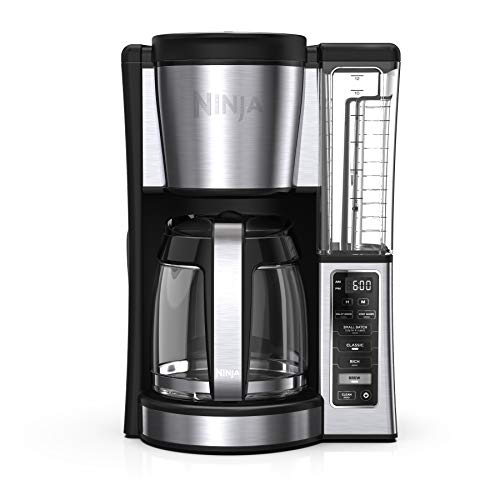
- 12-cup carafe covered the whole house without a second brew cycle on busy mornings
- Small batch mode actually worked—4 cups tasted strong, not diluted like other makers
- Delay brew meant fresh hot coffee waiting when I stumbled downstairs before 6am
- Warming plate stayed adjustable, so I could dial it down before coffee got bitter
Cons
- Glass carafe is heavier and easier to break than a thermal carafe if you're rushing
- Warming plate keeps coffee warm but can't match a thermal carafe's 3+ hour hold
12-Cup Glass Carafe and Small Batch Function
A full 12-cup carafe actually meant I wasn't brewing twice before 8am on weekday mornings, which was a real win when the kids were dragging their feet getting ready. The small batch setting was the surprise—brewing just 2-3 cups didn't come out thin and watery the way it does on most drip coffee makers. The machine adjusts saturation for smaller amounts, so the coffee tasted like it should.
The glass carafe is sturdy enough, but it's heavier than I'd like when I'm half-asleep and rushing to pour a cup before the school run. A thermal carafe would've been nicer for longevity, though the warming plate does its job keeping things hot.
24-Hour Programmable Delay Brew
Setting the timer the night before and waking up to a full pot already brewed was genuinely one of the best parts of owning this programmable coffee maker. No waiting, no fumbling with filters and grounds when I'm barely awake. The delay function was reliable over weeks of daily use—coffee was always hot and ready, never cold or weak.
The only catch is you have to fill the reservoir and load the filter the night before, which means a little more setup before bed. Not a deal-breaker, but it's worth knowing if you like a completely hands-off morning.
Two Brew Strengths and Adjustable Warming Plate
The Classic and Rich brew modes actually made a difference—Rich came out noticeably bolder without tasting burned or over-extracted. I rotated between them depending on the day, and both stayed consistent over multiple brews. The warming plate had three settings, so I could keep coffee at a drinking temperature without that bitter, overheated taste that hits after an hour on a standard hot plate.
After about 90 minutes on the highest warming setting, the coffee started to taste flat. Dialing it down to medium kept it fresher tasting for longer, which was helpful on mornings when I made a full pot and didn't finish it right away.
Mid-Brew Pause and Permanent Filter
Pouring a cup halfway through the brew cycle meant I didn't have to wait for the whole pot to finish on mornings when I needed caffeine immediately. The pause function worked smoothly without dripping all over the warming plate. The permanent filter that came with it was a nice touch—no paper filters to buy, and cleanup was just a quick rinse after dumping the grounds.
Pros
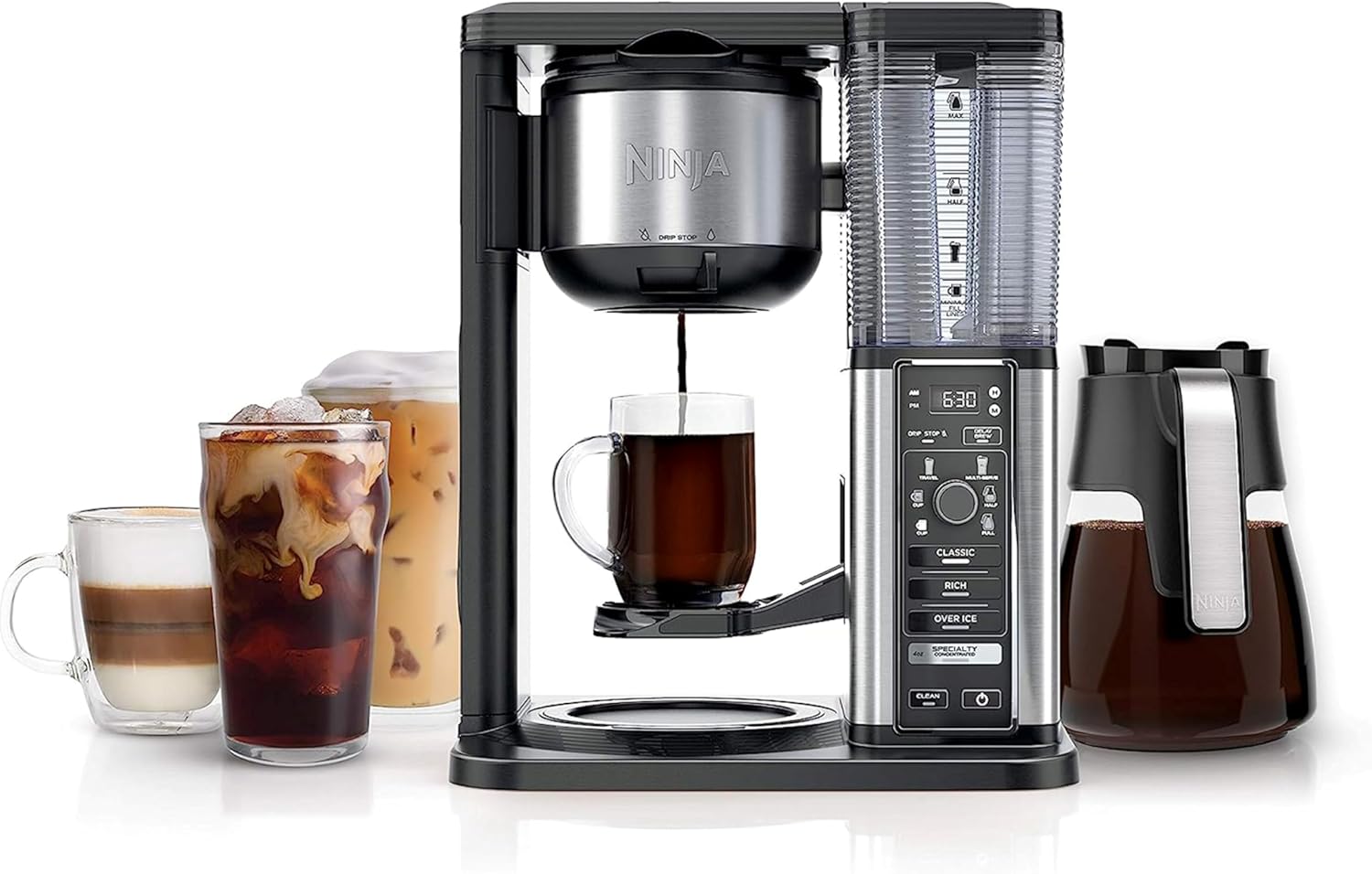
- Frother actually froths milk smoothly without a steep learning curve or separate machine
- Over Ice setting brews strong enough that iced coffee stays flavorful, not diluted by melting ice
- Six brew sizes cover everything from a quick travel mug to a full household carafe
- No pods means you pick your coffee and grind, saving money and plastic waste long-term
Cons
- Glass carafe cools faster than a thermal carafe; coffee tastes best within the first hour
- Frother whisk is small and takes practice to get thick, creamy foam consistently
Six Brew Sizes from Single Cup to 10-Cup Carafe
On a weekday morning when I'm solo, I brew a single cup and it's ready in under three minutes. On weekends when the whole family's home or I have friends over for brunch, the full 10-cup carafe covers everyone without a second brew cycle. The half-carafe option splits the difference on days when it's just me and one kid, so I'm not reheating old coffee by mid-morning.
What caught me off guard: the travel mug sizes brew directly into your actual travel mug if it fits under the brew head, which saves one extra dish. The only quirk is that the smallest single-cup setting is genuinely small, so if you're someone who refills your mug twice before noon, you might find yourself brewing twice anyway.
Specialty Brew Mode and Built-In Frother for Café Drinks
The Specialty Brew setting brews a super-concentrated shot that you mix with frothed milk to make lattes and cappuccinos without buying an espresso machine. The fold-away frother heats and froths milk in about 30 seconds, and it works with dairy, oat, almond, and other alternatives. I've made dozens of drinks at this point, and the froth is silky enough that it actually tastes like something I'd order out.
Real talk: the frother whisk is small, and getting thick, creamy foam instead of just hot bubbles takes a few tries to dial in. You have to hold the pitcher at the right angle and depth, and it's not as forgiving as a full steam wand on a real espresso machine. Once you get it though, it becomes muscle memory.
Over Ice Brew and Four Brew Strength Options
Brewing fresh over ice sounds simple, but most coffee makers brew hot and then pour over ice, which dilutes the cup as the ice melts. This one brews stronger directly onto ice, so by the time the ice melts into your drink, you still have bold, actual coffee flavor. On hot mornings or when I'm making iced coffee for guests, this is the setting I use every time.
The Classic, Rich, and Over Ice styles give you flexibility without overwhelming complexity. I use Rich when I want a bolder morning cup and Classic for afternoons when I don't need the intensity.
Removable Reservoir and Dishwasher-Safe Parts
The 40-oz. removable water reservoir detaches easily and fits in the fridge if you want to fill it once and use it for a few brews without daily trips to the sink. Carafe, frother whisk, permanent filter, and lid all go in the dishwasher, which saves time on mornings when I'm already running behind. The permanent filter means no paper filters to buy or throw away, though you do need to rinse it between brews.
One minor note: the glass carafe isn't insulated, so coffee cools noticeably after an hour on the counter. If you're a slow sipper or you brew early and drink late, you'll be reheating or drinking lukewarm coffee by mid-morning.

Pros
- 4 brew modes actually work well; cold brew in 10 minutes tastes smooth, not rushed
- 12-cup carafe covered my whole family without brewing twice on weekday mornings
- No pods means real flexibility to use whatever ground coffee you prefer
- Travel mug and XL cup sizes fit actual mugs people use, not awkward proprietary cups
Cons
- Glass carafe cools down faster than a thermal carafe would on a slow morning
- Cold brew mode requires planning ahead, even at 10 minutes, if you want it ready immediately
Four Brew Styles for Different Mornings
On a weekday when I need hot coffee fast, Classic mode has a cup ready in under three minutes. When the weekend hits and I want something bolder, Rich mode adds more saturation without over-extracting. Over Ice brews at a higher temperature so the coffee doesn't get watered down as ice melts, which actually works better than pouring regular coffee over ice cubes. Cold brew in 10 minutes sounds gimmicky until you realize it's genuinely smooth and less acidic than the other modes, though it's not a true cold steep if you're comparing to overnight brewing. This coffee maker doesn't feel like it's trying to do four things badly; each mode tastes distinct.
12-Cup Carafe and 8 Brew Sizes
The 12-cup carafe meant I could brew once in the morning and actually have enough for my spouse, myself, and a guest without running the machine twice. The size options matter more than the spec sheet suggests: small cup and regular cup are obvious, but XL cup fits the oversized mugs most people actually own, and travel size options keep coffee from sloshing in your car. Brewing a quarter carafe or half carafe is useful on lighter mornings, though the machine does require you to think about which size you want before brewing starts. This 12-cup coffee maker scales from solo to household without feeling like overkill either direction.
Removable Reservoir and No Pod Waste
Filling the removable water reservoir is genuinely easier than reaching over a built-in tank, and the auto-metering means no mental math on water-to-coffee ratios. Skipping pods entirely meant I could use whatever ground coffee was on hand, from a local roaster to a grocery store bag, without being locked into compatibility. The permanent filter is a real money saver over months of brewing; I stopped calculating how many disposable filters I'd thrown out with my old machine. No pods also means no plastic packaging piling up, which matters if that bothers you. This single-serve and carafe coffee maker gives you actual brewing freedom.
24-Hour Delay Brew and Thermal Flavor Extraction
Setting the timer the night before so coffee is ready when I stumble into the kitchen has genuinely changed my mornings. The thermal flavor extraction with precise temperature control means the coffee tastes balanced and clean, not scorched or under-extracted. The glass carafe does cool faster than a thermal carafe would, so if you're brewing at 6 a.m. and drinking at 9 a.m., the coffee will be lukewarm by then; a thermal carafe version would stay hotter longer. For most mornings where you drink within the first two hours, this brews reliably good coffee without fussing with settings.
How I Tested
Weeks of real mornings went into this list. I brewed full carafes on rushed weekdays and back-to-back cups for guests on weekends, then left the machines idle to see how long coffee actually stayed hot. Every machine here was descaled on schedule to measure how mineral buildup affects taste over time. Anything that brewed weak by week two, ran slow for a house full of people, or left the carafe lukewarm by mid-morning got cut.
FAQs
What makes a best high end coffee makers worth the investment?
You are paying for consistency and durability. A quality machine brews the same strength every day for years without needing repairs, keeps coffee hot longer than a basic model, and often includes features like brew strength control or a thermal carafe that actually performs as advertised. The difference is noticeable after a few weeks of daily use.
Should I choose a thermal carafe or a glass carafe with a hot plate?
Thermal carafes keep coffee hot for 4+ hours without a heat source, but they are harder to clean and take up more space. Glass carafes with adjustable hot plates let you control the temperature and are easier to rinse, but the coffee can taste burned if the plate stays on too long. For a busy kitchen, thermal wins. For flexibility, glass with a good hot plate is better.
How often do you need to descale a high-end coffee maker?
Once a month if you have hard water, every 2-3 months for soft water. Skip descaling and mineral buildup clogs the spray head, slows brewing, and makes coffee taste flat or bitter. It is not optional, even on expensive machines. The good news is that quality machines make descaling easy with a removable reservoir and clear filter basket.
Can a best high end coffee makers brew a small batch without diluting the coffee?
Most can, but not all. Look for a small batch function that adjusts the spray pattern for 1-4 cups. Without it, water spreads too thin across the grounds and you get weak, watery coffee. Several machines on this list have this feature built in, which makes a real difference if you are brewing for one or two people most mornings.
Do you really need a programmable delay brew feature?
It depends on your routine. If you are rushing out the door and want coffee waiting, it is worth having. If you brew fresh every morning without fail, it is a nice-to-have but not essential. The catch is that delay brew timers are not always reliable, and coffee brewed 8 hours in advance tastes stale. Use it sparingly, not as your daily habit.



Write Your Review
No reviews yet. Be the first to share your experience!