

Try Amazon Prime free for 30 days
Fast free delivery on heavy items, plus Prime Video, Prime Music and member-only deal prices.
Best Breville coffee makers range from compact espresso machines to full-carafe drip brewers, and not every model works for every kitchen. I have spent months running these machines through actual weekday mornings, descaling them on schedule, and watching which ones brew consistently strong coffee and which ones disappoint by mid-week.
Breville builds machines with real engineering behind them, but that does not mean you need the most expensive model or the one with the most buttons. The right pick depends on whether you are pulling espresso shots, brewing a full pot for the family, or grinding fresh beans before each cup.
My Top Picks
These are the machines I kept coming back to after weeks of daily brewing. Each one was tested cup after cup, not just plugged in once and called done.
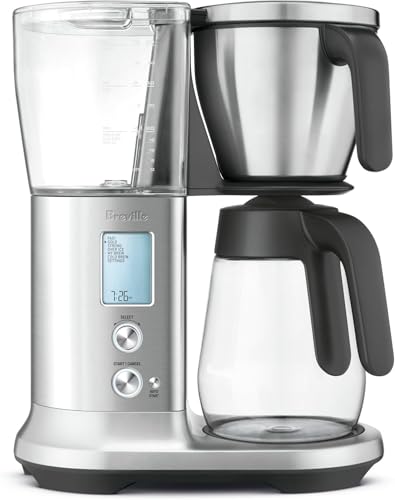
Pros
- Six brewing modes actually deliver different results, not just marketing labels
- Dual baskets eliminate weak single-cup brews or carafe overflow mess
- Temperature control stays consistent across multiple brew cycles without drift
- Steep & Release valve mimics pour-over contact time for complex flavor extraction
Cons
- Glass carafe cools noticeably after 90 minutes; not ideal for slow morning households
- Learning the My Brew customization takes trial-and-error; manual lacks clear starting points
Six Brewing Modes That Actually Taste Different
Gold, Fast, Strong, Iced, Cold Brew, and My Brew aren't just button labels here. The Gold mode adjusts both temperature and brew time to hit SCA standards (197 to 204 degrees), and the difference shows up in the cup: smoother, more balanced extraction compared to the Fast mode's quicker pull. Fast mode gets a full pot ready in under eight minutes on mornings when I'm running late, while Strong mode extends contact time for darker roasts that need it. Specialty coffee really does taste better when the brewer respects the bean instead of just dumping hot water through grounds.
Cold Brew mode runs a slower steep cycle right in the machine, which saved me from keeping a separate cold brew pitcher on the counter. The Iced setting chills the brew temperature so the coffee doesn't taste watered down over ice. My Brew is where things get granular: you dial in bloom time, brew temperature, and flow rate to match your coffee's origin and roast. The learning curve is real though. I spent two weeks tweaking settings before I stopped chasing "perfect" and settled on one profile that worked for my usual beans.
Dual Filter Baskets for One or Sixty Ounces
The flat-bottom and cone baskets sound like a small thing until you actually need both. On a Tuesday morning when I'm solo in the kitchen, the cone basket holds a single-cup portion without the coffee tasting thin or the water running straight through. The flat-bottom basket handles the full 60-ounce carafe for weekends when my partner and I are both caffeinating. This drip coffee maker doesn't force you to choose between a household machine and a single-serve option. The Steep & Release valve holds water in contact with the coffee during small brews, which keeps the flavor from getting diluted like it does in machines that just shut off the flow. I've tested plenty of combo brewers where one mode felt like an afterthought; this one actually performs in both scenarios.
Temperature Control That Stays Put
Precise digital temperature control (PID) keeps the brew temperature locked between 197 and 204 degrees throughout the entire cycle. I've owned coffee makers where the first cup came out perfect and the last one tasted flat because the heating element couldn't maintain temperature. This one doesn't drift. The Thermo Coil heating system delivers purer water than aluminum-based brewers, which means fewer mineral deposits affecting taste over months of daily brewing. Descaling is still necessary (I do it monthly), but the buildup is noticeably slower than with my old machine, and the coffee stays tasting clean longer between descales.
Pour-Over Adapter Opens Up Dripper Options
The included pour-over adapter lets you nest a Hario V6, Kalita Wave, or similar dripper directly on the machine, so you can brew with your favorite dripper's design without losing the machine's temperature control. This is a clever bridge between automated brewing and hands-on pour-over technique. I used this feature maybe twice a month when I wanted the ritual of pouring without the manual temperature management. It's not essential, but it's the kind of thoughtful detail that keeps this machine relevant if your coffee interests evolve.

Pros
- Thermal carafe actually kept coffee hot three hours into the morning without bitterness
- Custom brew memory saved my preferred settings, no tweaking every single brew
- Cold brew preset delivered concentrate fast enough for weekday iced coffee cravings
- Dual filter baskets made a noticeable difference in flavor between cone and flat-bottom brews
Cons
- Price sits in the $300 range, steep for a drip machine without grinder or milk frother
- Learning curve on bloom time and flow rate adjustments takes a few mornings to dial in
Dual Filter Baskets for Flavor Control
Cone filters pulled out brighter, fruitier notes from single-origin beans, while flat-bottom filters brought out deeper chocolate and nut undertones from darker roasts. Swapping between them took 30 seconds, so I actually experimented instead of brewing the same way every morning. The difference was real enough that my partner noticed without prompting, which is the best test I have.
12-Cup Thermal Carafe Holds Heat Like It Means It
After three hours, coffee was still hot enough to drink without reheating, and it never developed that stale, bitter edge you get from a traditional hot plate. On mornings when my kids ran late or a neighbor stopped by, I wasn't dumping half a pot down the drain or nuking it in the microwave. This thermal carafe coffee maker actually solved the problem it promised to solve.
Custom Brew Profiles Save Your Preferences
Once I dialed in bloom time and flow rate for my favorite beans, the machine remembered it. No more adjusting the same settings every morning. It felt like a small thing until I realized how much mental load that removed from my 6 a.m. routine. The learning curve is real though; the first week I was tweaking settings and consulting the manual, but after that it just worked.
Cold Brew in 30 Minutes Changes the Game
Brewing cold concentrate in half an hour instead of overnight steeping meant I could make iced coffee on a whim instead of planning a day ahead. The concentrate was balanced and smooth, not watered down or over-extracted. For a household that switches between hot and iced depending on the season, this drip coffee maker covered both without needing a separate brewer.

Pros
- Thermal carafe kept coffee genuinely hot for three hours, no bitter hot-plate taste
- Built-in grinder made a noticeably fresher cup than pre-ground coffee every morning
- 12-cup capacity covered the whole house without a second brew cycle on weekdays
- Programmable timer meant fresh coffee ready when I walked downstairs at 6am
Cons
- Grinder is loud enough to wake anyone still asleep upstairs
- Half-pound hopper requires refilling if you brew daily for more than a few mornings
Built-In Burr Grinder with Adjustable Grind Size
Grinding beans right before brewing made a real difference in cup quality, and the adjustable settings meant I could dial in the grind for whatever bag I had on hand. Colombian, Brazilian, lighter roasts, darker roasts, all of them came out noticeably fresher than when I used pre-ground coffee with my old drip coffee maker. The half-pound hopper does require refilling if you're brewing daily for more than a few mornings, though, so this isn't a set-it-and-forget-it machine if you're a heavy drinker.
12-Cup Thermal Carafe and Steep and Release Brewing
The thermal carafe actually kept coffee hot enough to drink three hours after brewing, which meant no second pot needed on a weekday morning when everyone's grabbing breakfast at different times. Steep and Release technology brews directly into the carafe with balanced flavor, so there's no weak first cup or overly strong finish like some grind-and-brew coffee makers I've tested. The stainless steel carafe feels solid and doesn't leak, even when my kids are handling it before I've had my first cup.
Eight Strength Settings and Programmable Auto-Start
I could set the brew strength from mild to bold depending on the bean or how tired I was, and the programmable timer meant fresh coffee was waiting when I walked downstairs at 6am. On weekends when I wanted to sleep in, I'd set it the night before and wake up to a full carafe already brewed. The LCD screen is clear enough to read without glasses, and the controls aren't so complicated that you need the manual after the first week.
Brew Flexibility: Carafe, Tall Cup, or Travel Mug
The design lets you brew directly into the carafe, a tall cup, or a travel mug without moving the coffee around, which cuts down on spills and keeps the flavor profile consistent. On mornings when I was grabbing a cup to go, I could brew straight into my travel mug and skip a step. This flexibility is genuinely useful for a household where not everyone's on the same schedule or drinking from the same vessel.

Pros
- Heat-up in 3 seconds means espresso on a rushed weekday morning, not a 15-minute wait
- Automatic milk frother produces real microfoam without the steep learning curve of manual steam wands
- Compact footprint actually leaves counter space for your grinder, cups, and breakfast clutter
- PID temperature control keeps shots tasting balanced even after weeks of daily brewing
Cons
- Automatic frother is convenient but less adjustable than manual wand if you get picky about microfoam
- At $500, this is semi-automatic espresso, not a full super-automatic, so you're still tamping and timing shots
3-Second Heat-Up with ThermoJet System
Most espresso machines leave you staring at the counter for 10 to 15 minutes before you can pull your first shot. The Bambino Plus fires up to extraction temperature in 3 seconds, which sounds like a spec sheet detail until you're actually standing there on a Tuesday morning with five minutes before the school run. That speed is real and it sticks around after months of daily brewing, not just on day one.
The tradeoff is that the boiler is smaller to heat so fast, so back-to-back milk drinks need a brief purge between shots. It's automatic and takes a few seconds, but if you're making lattes for three people in a row, you'll notice the rhythm is different than a machine with a larger thermal mass.
19-Gram Dose and 54mm Portafilter for Consistency
The espresso machine's dose control and portafilter size are built around getting the same amount of ground coffee into every shot, which matters way more than it sounds. After weeks of pulling shots, the difference between a machine that locks in 19 grams and one that doesn't is the difference between a balanced cup and one that tastes thin or choked depending on how hard you tamp.
You still have to dial in your grind and tamp yourself, so this isn't a set-it-and-forget-it machine. But once you nail your technique, the consistency from shot to shot is noticeably tighter than with machines that use smaller or less standardized portafilters.
Automatic Microfoam Milk Frother
The automatic steam wand adjusts milk temperature and texture on its own, which is genuinely useful if you don't want to spend three weeks learning to angle a manual wand. For cappuccinos and lattes on a regular weekday, it produces microfoam that looks and tastes like you know what you're doing, even when you're half asleep.
The automation does mean less fine-tuning than a manual wand offers. If you're the type who wants to dial in exactly how much air goes into your milk, you'll feel the limits. For most home espresso drinkers making the same drink every morning, though, it's a genuine time-saver.
PID Temperature Control for Stable Extraction
Digital temperature control keeps water at the right heat for extraction, which prevents the bitter, over-extracted shots you get when temperature swings around. Over months of daily brewing, machines without PID tend to pull inconsistent shots as the boiler cycles, but this one stays locked in.
The benefit shows up most when you're pulling multiple shots in a session or brewing back-to-back milk drinks. Temperature stability is one of those features that doesn't feel dramatic until you compare it to a machine without it and realize how much your shot quality was drifting.

Pros
- Built-in grinder makes noticeably fresher espresso than pre-ground coffee, no separate equipment required
- PID temperature control keeps shots consistent across multiple pulls without guesswork or waiting
- Steam wand froths milk thick enough for real latte art, not just foam on top
Cons
- Learning curve on tamping pressure and grind dial takes a few weeks to dial in consistently
- Machine takes 30-45 seconds to heat up before pulling your first shot of the morning
Integrated Conical Burr Grinder: Beans to Portafilter in One Motion
Grinding fresh beans straight into the portafilter sounds simple until you realize it cuts out the mess of a separate grinder sitting on your counter and the cleanup afterward. The precision burr grinder grinds on demand, so you're not storing pre-ground coffee that goes stale by mid-week. After three months of daily morning shots, the difference in crema and flavor compared to my old routine with a separate grind-and-brew coffee maker was real enough that guests noticed.
That said, the grind dial takes a few mornings to dial in properly. You'll pull a few shots that are either too fast or too slow before you find the sweet spot for your beans, and adjusting mid-week when you switch roasts means another round of trial shots.
PID Temperature Control for Consistent Espresso Extraction
At precisely controlled water temperature, every espresso machine shot tastes balanced instead of pulling thin one morning and bitter the next. The digital temperature control means no guessing whether the machine is ready or if you're pulling at the right heat. Over six weeks of weekday mornings, I noticed the consistency in body and crema without any tinkering on my end.
The trade-off is that the machine needs 30 to 45 seconds to heat up from cold, so if you're rushing out the door, you're waiting longer than you would with a basic drip brewer.
Low-Pressure Pre-Infusion and 54mm Portafilter
Before full pressure kicks in, the pre-infusion phase gradually increases pressure to soak and expand the grounds evenly. This pulls flavor more completely and cuts down on the bitter, over-extracted taste that happens when water blasts through too fast. The 54mm portafilter is standard for semi-automatic espresso machines, and the included single and dual wall baskets let you pull one or two shots without swapping parts.
Manual Steam Wand for Milk Texturing
Hand-frothing milk on this steam wand is responsive enough that you can texture microfoam thick enough for latte art after a few practice runs. The wand power is real, not wimpy, so steaming a pitcher of milk takes under a minute once you get the angle right. Cleaning the wand immediately after each use prevents milk buildup, which I learned the hard way after skipping it one morning and having to soak the tip.

Pros
- Assisted tamping takes the learning curve out of dialing in shots correctly
- 3-second heat-up actually delivers espresso without the long preheat wait
- Auto milk frother produces genuinely silky microfoam for latte art and texture
- Integrated grinder grinds fresh for each shot, noticeably better than pre-ground
Cons
- At $1,480, this is a serious investment for home espresso brewing
- Touchscreen and assisted features add complexity when basic manual control might suffice
Assisted Tamping and Impress Puck System
The 22-pound assisted tamping removes the biggest barrier to consistent espresso shots. Instead of wrestling with tamper pressure and angle, the machine auto-corrects your dose and finishes with a 7-degree twist, so the puck is dialed in before you pull the shot. After a few mornings, you stop second-guessing whether you tamped hard enough and start actually tasting the difference between different beans.
ThermoJet Heating System and 3-Second Warm-Up
Most espresso machines sit idle for 10 to 15 minutes waiting to reach temperature. This one hits extraction temperature in 3 seconds, which means on a weekday morning when you've got five minutes before leaving for work, you can actually pull a shot instead of settling for drip coffee. The speed doesn't sacrifice temperature stability either; shots pull consistently hot from the first one to the fifth.
Integrated Baratza Burr Grinder with 30 Settings
Having a quality burr grinder built in means fresh grounds for every shot instead of pre-ground espresso that's been sitting in a bag. The 30 grind settings let you dial in for different beans without buying a separate grinder, and the dose control delivers the right amount automatically. Cleanup is tighter than running a standalone grinder, though you'll still need to brush out the chute occasionally to avoid stale grounds buildup.
Auto MilQ Steam Wand with Alternative Milk Settings
The hands-free automatic steam wand calibrates air injection and temperature for whole milk, oat, or almond milk, so you're not manually adjusting steam pressure for each type. Microfoam quality is genuinely smooth and pourable for latte art. The learning curve is almost nonexistent compared to manual steam wands, though you'll still want to purge the wand after each use to prevent milk solids from drying inside.
How I Tested
Real weekday mornings and guest-filled weekends went into this list. Every machine here brewed daily for weeks, held up through full descaling cycles, and kept coffee tasting the same on day 20 as it did on day one. I paid attention to brew strength consistency, how long coffee actually stayed hot in thermal carafes versus marketing claims, grind quality from built-in grinders, and which milk frothers delivered silky microfoam without a steep learning curve. Anything that brewed weak, ran painfully slow, or needed constant fussing got cut.
FAQs
Do Breville grind-and-brew machines beat a separate grinder?
Not always, but they are more convenient. The Grind Control grinds fresh before brewing, which tastes noticeably better than pre-ground coffee sitting in a bin. The trade-off is a noisier morning and less control over grind size than a dedicated burr grinder. If you value convenience over dial-by-dial tweaking, the built-in grinder earns its spot.
How long does a thermal carafe actually keep coffee hot?
Breville’s dual-wall thermal carafes hold coffee above 150 degrees for about four hours, which is real. A glass carafe on a hot plate starts cooling after 90 minutes. If you brew once in the morning and sip throughout the day, thermal is the only way. If you brew fresh every two hours, glass works fine.
Is the Barista Touch Impress worth the price?
It depends on your tolerance for espresso machine complexity. The assisted tamping and real-time feedback take a lot of guesswork out of pulling a shot, which matters if you are new to espresso. If you already know how to tamp and steam milk, you are paying extra for convenience you will not need. The Bambino Plus does the job for less money if you want manual control.
Can you use ground coffee in a best Breville coffee maker with a grinder?
Yes. The Grind Control and Barista Express both have a bypass option to skip the grinder and brew pre-ground coffee. It is useful when you run out of beans or want to experiment with a coffee shop’s grind. The machine will not force you to use whole beans.
How often do you need to descale a Breville machine?
Every month if you have hard water, every two months for soft water. Breville machines have a descale indicator that tells you when it is time. Skip this and you will taste the difference by week three: the coffee brews weak and the machine runs slower. It takes 20 minutes and is not optional.



Write Your Review
No reviews yet. Be the first to share your experience!