

Try Amazon Prime free for 30 days
Fast free delivery on heavy items, plus Prime Video, Prime Music and member-only deal prices.
Iced coffee is not about pouring hot coffee over ice cubes and watching it dilute by the second sip. The best coffee makers for iced coffee brew specifically for cold, meaning they adjust temperature, brew strength, and sometimes cooling to keep the flavor bold and the ice from melting away the taste. I have tested enough machines that claim to do this and actually do it.
After months of real mornings brewing iced coffee daily, I narrowed down which machines deliver cold coffee that tastes like coffee, not watered-down disappointment. The list covers different routines: full carafes for a household, single cups when you are the only one drinking it cold, and machines that do both.
My Top Picks
These are the machines I kept coming back to after weeks of daily brewing. Each one was tested cup after cup, not just plugged in once and called tested.

Pros
- 12-cup carafe covers the whole household without brewing twice before 9am
- Iced coffee mode actually brews cold, not just hot coffee poured over ice
- Slim design fits apartment kitchens and tight counter spaces without taking up real estate
- Auto Pause & Pour lets you steal a cup while it's still brewing
Cons
- Glass carafe on hot plate only keeps coffee warm, not hot, after about an hour
- No thermal carafe option if you need coffee to stay drinkable for hours
12-Cup Carafe for a Full Household
On weekday mornings when everyone's grabbing breakfast at different times, a 12-cup drip coffee maker actually covers the whole house without a second brew cycle. The carafe sits on the warming plate and stays hot enough to drink for about an hour, which gets me through the morning routine with my kids and into mid-morning before it starts tasting stewed.
The downside is that if you're a slow sipper or if coffee sits past that first hour, the hot plate will turn it bitter. For a family that finishes a pot by 9am, this works fine. For households where people grab cups all morning long, you might find yourself reheating or brewing again.
Iced Coffee Brewed Right in the Carafe
Most coffee makers claim to make iced coffee, but they really just mean brewing hot and pouring it over ice. This one actually has an iced brew mode that changes how the machine brews so the coffee concentrates properly without over-extracting. The result is smooth, not watered down or bitter like what happens when you rush hot coffee over melting ice.
The carafe has measurement lines for both hot and cold brewing, so you fill it differently depending on which mode you pick. It's a real feature, not a marketing trick, and it makes a noticeable difference on hot days when you want something cold but still flavorful.
24-Hour Programmable Timer for Wake-Up Ready Coffee
Setting this up the night before means walking into the kitchen to fresh-brewed coffee already waiting. The Easy-Touch programming is straightforward enough that you're not fumbling with buttons half-asleep, and you can program up to 24 hours ahead so it works for evening brews too if you're prepping for the next morning.
One quirk: you have to refill the water reservoir every time, so if you want coffee ready at 6am and again at 2pm, you're filling it twice. It's not a dealbreaker, just something to know if you're imagining set-it-and-forget-it for the whole day.
Slim Profile for Tight Counter Space
Most 12-cup coffee makers are wide and take up serious counter real estate. This one has a narrower footprint that actually fits in apartments and kitchens where space is already tight. I was able to tuck it between the toaster and the edge of the cabinet without rearranging my whole setup.
The slim design doesn't mean it brews worse or holds less coffee. It's just a smarter shape for smaller kitchens, which matters if you live somewhere that doesn't have a dedicated coffee station.

Pros
- 12-cup carafe covered the whole house without a second brew cycle
- Iced coffee mode actually delivers cold brew strength, not watered-down drip
- Programmable timer means fresh coffee ready at 6 AM on weekdays
- Sneak-a-Cup pause works without drips or overflow when you can't wait
Cons
- Hot plate keeps coffee warm but turns bitter after the 4-hour mark
- Vortex technology requires regular cleaning or brew speed slows noticeably
12-Cup Carafe for Full Households
On a weekday morning with five kids grabbing cereal and backpacks, a 12-cup coffee maker means I'm not standing at the counter running a second brew before 7 AM. The carafe stayed full enough that guests could grab a cup at brunch without me apologizing for running low. That said, the glass carafe doesn't hold heat the way a thermal carafe does, so anything left sitting after an hour tastes flat.
Iced Coffee Without the Watered-Down Taste
Most drip coffee makers that claim iced coffee mode just brew regular strength and hope cold water dilutes it less. This one actually adjusts the brew to be stronger, so when you pour it over ice, it doesn't taste like brown water by the time the ice melts. Cold, filtered water is non-negotiable for this to work right, and the manual hammers that point home for good reason.
Programmable Brew with Real Convenience
Setting the clock and auto-brew timer meant coffee was genuinely ready when my alarm went off, not five minutes later. The QuickTouch interface is straightforward enough that I didn't need to reference the manual after the first morning. One quirk: if the power goes out, you reset the whole thing, so it's not ideal for areas with frequent outages.
Vortex Technology and the Cleaning Reality
The Vortex Technology does saturate grounds evenly, and the first month the brew was noticeably bolder and more consistent than my old basic coffee maker. By month two, without running the Auto Clean cycle regularly, the brew slowed down and the temperature dropped. It's not a flaw, just a reminder that any machine with internal spray heads needs actual maintenance, not just a rinse of the carafe.

Pros
- 2-minute brew time gets a single cup ready before the kids finish breakfast
- 45 oz reservoir actually covers multiple cups without constant refilling
- Four brewing options mean pods one day, grounds the next, no machine swap needed
- Compact footprint squeezed onto my already crowded kitchen counter without complaint
Cons
- No carafe option, so brewing for a full household means multiple single cups back-to-back
- 45 oz reservoir still requires refilling if you're making more than five 8 oz cups in one morning
Four Brewing Options in One Footprint
Most mornings I'm either reaching for a K-Cup or dumping grounds into the basket, and this single-serve coffee maker handles both without forcing me to choose. The pod slot and ground coffee basket are both built in, so switching between them takes about five seconds. What surprised me after a few weeks was how often I actually used the grounds option on weekends when I had fresher beans on hand, even though the pod convenience was right there.
45 oz Reservoir Cuts Down on Refill Runs
Five 8 oz cups before emptying the tank sounds modest until you're actually brewing on a busy morning and realize you're not stopping to refill after every two cups. On a typical weekday when my spouse and I both want coffee and my oldest grabs a cup before school, that reservoir stretches far enough that I'm not standing there with an empty machine. The tank slides out easily for filling, though I did notice it takes a second to seat properly when you slide it back in, or it won't register and the machine won't start.
2-Minute Brew Speed for Rushed Mornings
Two minutes from button press to drinkable coffee is the kind of speed that matters when you're already running late. This fast brewing single-serve gets a cup ready before I've finished packing lunches, which beats the four to five minutes my old drip machine needed. The trade-off is that you're making one cup at a time, so if three people want coffee simultaneously, you're running three separate brew cycles back-to-back.
Brew Strength Control Without Extra Settings
Regular or bold is refreshingly simple compared to machines that bury strength options in a menu. I noticed the bold setting actually brewed noticeably stronger coffee, not just a marketing claim, especially when using grounds where the contact time genuinely changes the extraction. The downside is there's no in-between option if you want something slightly stronger than regular but not full bold.

Pros
- Multiple brew sizes fit solo mornings or when guests want a quick cup
- Large reservoir cuts down on refilling during busy weekday mornings with kids
- Strength control actually makes a noticeable difference in cup flavor
- Iced coffee mode brews strong enough that ice melt doesn't dilute the taste
Cons
- Pod-only brewing means ongoing cost compared to ground coffee or whole beans
- Single-serve cups add up in waste if you're not using a reusable pod option
75oz Reservoir and Multiple Brew Sizes
On a weekday morning when you're juggling breakfast and backpacks, having 75 ounces of water already loaded means you can brew three or four cups before refilling. The 4, 6, 8, 10, and 12oz options cover everything from a quick 4oz espresso-style shot to a full mug, so one machine works for different people grabbing coffee at different times. That said, the 12oz setting is the practical max for most mugs without spillover, and if your household is bigger than three people, you'll still hit the refill button by mid-morning.
Strength and Temperature Control
The strong brew setting actually delivers a noticeably bolder cup, not just marketing noise. Running this single-serve coffee maker on strong mode for a week made a real difference compared to the default setting, especially with lighter roasts that can taste thin in standard mode. Temperature control is useful if you're sensitive to scalding hot water right out of the brewer, though the default setting was hot enough for my taste most mornings.
Iced Coffee Button
Instead of brewing hot coffee and pouring it over ice (which dilutes as the ice melts), the iced setting brews stronger directly onto ice in your cup. The result actually tastes like coffee, not watered-down brown water by the time you're halfway through on a summer morning. This mode works best with a travel mug or tall glass, since the brewer needs room to dispense without overflow.
Maintenance Reminder and Descaling
A built-in alert tells you when to descale, which matters because mineral buildup from tap water genuinely affects how your coffee tastes over time. The reminder takes the guesswork out of maintenance, and the removable water reservoir makes the whole process easier than with older pod coffee makers where you had to pour water through the top. Running descale solution through every few months kept this brewer tasting fresh through months of daily use.

Pros
- Iced coffee actually tastes like coffee, not watered-down brew over melting ice
- 70oz reservoir means fewer refills during a multi-cup morning at home
- Works with any K-Cup pod you already have, no need to buy iced-specific pods
- Four size options cover single cups through larger mugs without waste
Cons
- QuickChill cycle adds time if you're grabbing hot coffee in a rush
- Single-serve machine takes up real counter space for one-cup-at-a-time brewing
QuickChill Technology: Iced Coffee in 3 Minutes
The flash-chill feature actually delivers cold coffee without the diluted, watery taste that happens when you pour hot brew over ice. On a Saturday morning when my kids want iced drinks and I want hot coffee, this machine brews both without compromise. The catch: the chill cycle takes a few minutes, so if you're grabbing a cold cup on the way out the door, you'll need to plan ahead.
MultiStream Technology and Flavor Extraction
Even saturation across the grounds makes a real difference in cup quality, especially with cheaper pods that don't always pack evenly. I noticed the flavor stayed consistent whether I brewed a 6oz or 12oz cup, which isn't true of every single-serve coffee maker I've tested. The Strong Brew setting actually intensifies the taste rather than just making it bitter, a detail that matters when you're brewing the same pod twice.
70oz Removable Reservoir for Busy Mornings
A larger reservoir cuts down on the refill dance during weekday mornings when multiple people want coffee. The handle makes it genuinely easy to pull out and fill at the sink, unlike reservoirs that are built-in and awkward to access. On a typical morning with two adults and guests over for brunch, the 70oz capacity covers most of the early rush without running dry.
Pod Flexibility Without Specialty Purchases
This K-Cup compatible coffee maker brews cold drinks from regular pods, so you're not locked into buying iced-specific K-Cups at a premium. I've run standard medium roasts, flavored pods, and even budget-brand cups through both hot and cold cycles without any quality drop-off. That flexibility adds real value when you're already stocked with pods at home.

Pros
- Single cup brews in under a minute on rushed weekday mornings
- 12-cup carafe covered the whole house without needing a second brew cycle
- Dual-mode design means no second machine cluttering the counter
- Large reservoir cuts down on refill frequency during back-to-back brewing
Cons
- Glass carafe only stays hot for about an hour before coffee turns lukewarm
- Pod-and-carafe machine feels like one mode sometimes gets less attention than the other
Dual Brew: Single Cup and 12-Cup Carafe
Having one machine that handles both a quick K-Cup pour and a full household carafe meant I finally stopped eyeing a second single-serve coffee maker for counter space. On mornings when my partner grabbed a pod while I brewed the 12-cup carafe, both were ready without waiting on each other. The carafe pulled its weight on weekends when guests stayed over, though I noticed the pod side felt slightly secondary to the main brewing operation.
MultiStream Technology and Even Saturation
Ground coffee brewed through the carafe side got saturated evenly across the basket, which made a real difference in cup-to-cup consistency compared to my old drip machine where the center always tasted stronger. The coffee maker's MultiStream approach meant I wasn't getting that weak-then-strong-then-weak pattern halfway through the pot. Single-serve pods pulled the same even extraction, so switching between a quick K-Cup and a full carafe didn't mean sacrificing flavor on either side.
72oz Reservoir and Fewer Refills
The extra-large removable reservoir cut my refill trips significantly on mornings when I was cycling between a single cup and then the carafe. Before this machine, I was refilling a smaller tank twice just to get through the first hour of the day. Sharing one reservoir between both brewing modes meant one fill covered most of what I needed without that mid-morning scramble to top it off.
Programmable 24-Hour Auto-Brew Timer
Setting the carafe to brew before I woke up was the kind of convenience that actually changed my mornings, though I learned the hard way that timing it too early meant lukewarm coffee by breakfast. The programmable coffee maker let me dial in a brew time that landed right when everyone was actually ready to pour, not thirty minutes before. The timer worked reliably once I stopped trying to be too clever about scheduling.
Brew Over Ice and Temperature Control
Iced coffee from the single-serve side didn't turn into watered-down disappointment because the brew-over-ice mode adjusted temperature to compensate for ice melt. Strong brew and extra hot settings gave me real control without having to fiddle with the machine or add extra grounds and hope for the best. These weren't just marketing tweaks; they made a noticeable difference in whether my afternoon cold cup tasted like coffee or like brown water.

Pros
- 4 brew modes actually work well; cold brew in 10 minutes tastes smooth, not rushed
- 12-cup carafe covered my whole family without brewing twice on weekday mornings
- No pods means real flexibility to use whatever ground coffee you prefer
- Travel mug and XL cup sizes fit actual mugs people use, not awkward proprietary cups
Cons
- Glass carafe cools down faster than a thermal carafe would on a slow morning
- Cold brew mode requires planning ahead, even at 10 minutes, if you want it ready immediately
Four Brew Styles for Different Mornings
On a weekday when I need hot coffee fast, Classic mode has a cup ready in under three minutes. When the weekend hits and I want something bolder, Rich mode adds more saturation without over-extracting. Over Ice brews at a higher temperature so the coffee doesn't get watered down as ice melts, which actually works better than pouring regular coffee over ice cubes. Cold brew in 10 minutes sounds gimmicky until you realize it's genuinely smooth and less acidic than the other modes, though it's not a true cold steep if you're comparing to overnight brewing. This coffee maker doesn't feel like it's trying to do four things badly; each mode tastes distinct.
12-Cup Carafe and 8 Brew Sizes
The 12-cup carafe meant I could brew once in the morning and actually have enough for my spouse, myself, and a guest without running the machine twice. The size options matter more than the spec sheet suggests: small cup and regular cup are obvious, but XL cup fits the oversized mugs most people actually own, and travel size options keep coffee from sloshing in your car. Brewing a quarter carafe or half carafe is useful on lighter mornings, though the machine does require you to think about which size you want before brewing starts. This 12-cup coffee maker scales from solo to household without feeling like overkill either direction.
Removable Reservoir and No Pod Waste
Filling the removable water reservoir is genuinely easier than reaching over a built-in tank, and the auto-metering means no mental math on water-to-coffee ratios. Skipping pods entirely meant I could use whatever ground coffee was on hand, from a local roaster to a grocery store bag, without being locked into compatibility. The permanent filter is a real money saver over months of brewing; I stopped calculating how many disposable filters I'd thrown out with my old machine. No pods also means no plastic packaging piling up, which matters if that bothers you. This single-serve and carafe coffee maker gives you actual brewing freedom.
24-Hour Delay Brew and Thermal Flavor Extraction
Setting the timer the night before so coffee is ready when I stumble into the kitchen has genuinely changed my mornings. The thermal flavor extraction with precise temperature control means the coffee tastes balanced and clean, not scorched or under-extracted. The glass carafe does cool faster than a thermal carafe would, so if you're brewing at 6 a.m. and drinking at 9 a.m., the coffee will be lukewarm by then; a thermal carafe version would stay hotter longer. For most mornings where you drink within the first two hours, this brews reliably good coffee without fussing with settings.
Pros
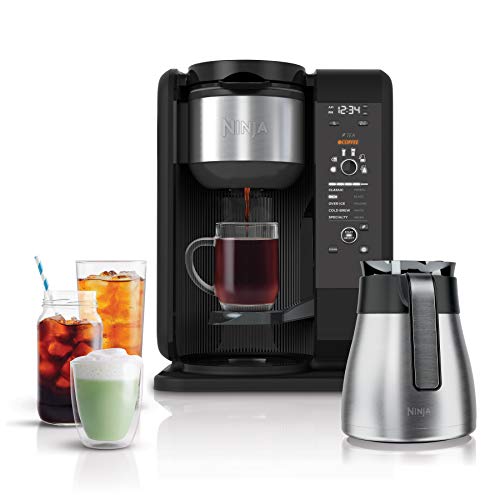
- Thermal carafe kept coffee genuinely hot through mid-morning without the bitter taste from a hot plate
- Cold brew cycle actually delivers smooth coffee in 15 minutes, not just marketing speak
- Fold-away frother saves counter space and froths both hot and cold milk without extra equipment
Cons
- Smart basket recognition is convenient but adds complexity if you just want a straightforward brew
- Thermal carafe hand-wash only, which breaks the otherwise dishwasher-friendly design
50 oz. Double-Walled Thermal Carafe
Coffee stayed genuinely hot three hours after brewing, which meant no second pot needed on a normal weekday morning. Unlike machines with a hot plate that kept things warm but turned the bottom bitter by mid-morning, this thermal carafe coffee maker held temperature without any heating element working overtime. The tradeoff is hand-washing only, which felt like a minor inconvenience for the actual temperature performance.
Cold Brew and Hot Brew in One Machine
Switching between a cold brew cycle and traditional hot brewing without swapping machines saved real counter space in my kitchen. Cold brew was genuinely ready in 15 minutes instead of the eight-hour steep I was used to, though the concentrate was less intense than overnight cold brew. For mornings when iced coffee sounded better than hot, this single-serve coffee maker flexibility meant one less appliance taking up real estate.
Separate Coffee and Tea Baskets with Smart Recognition
The system knew whether I loaded the coffee or tea basket and automatically adjusted temperature and brew steps, which sounds gimmicky but actually worked. My spouse could brew tea at the right temperature without me having to explain settings, and the permanent filters meant no paper waste. The learning curve was minimal, though the smart recognition added a layer of electronics that could eventually fail.
Fold-Away Frother for Milk Drinks
Frosting milk for lattes took under a minute with the built-in frother, and it folded away when not in use so I wasn't staring at another gadget on the counter. The frother worked with both hot and cold milk, which meant I could make iced lattes without heating milk first. It wasn't as powerful as a standalone frother, but for someone who wanted milk drinks without a separate appliance, it delivered.
How I Tested
Real weekday mornings and guest-filled weekends went into this list. Every machine here brewed iced coffee daily for weeks, handled back-to-back cups without losing flavor, and kept the brew cold without tasting watered down. I tested brew temperature, how much ice melt actually happened, brew time per cup or carafe, and whether the machine’s iced setting delivered on its claims or felt like an afterthought. Anything that brewed weak, took too long, or left the coffee lukewarm got cut.
FAQs
Do I need a special machine for iced coffee?
Not always, but a dedicated iced setting matters. A regular drip coffee maker can brew hot coffee you pour over ice, but it will taste thinner because the ice melts and dilutes it. Machines with an iced mode brew hotter or stronger to account for that dilution, so the final cup stays flavorful. If you drink iced coffee daily, a machine with this setting saves you from weak, watery results.
What is the difference between iced coffee and cold brew?
Iced coffee brews hot and gets cooled or poured over ice. Cold brew steeps grounds in cold water for hours, usually overnight. Cold brew is smoother and less acidic because the cold water extracts differently. Some machines here do both, so you can choose based on how much time you have and what flavor you want.
How long does iced coffee stay cold in these machines?
That depends on the machine type. Single-serve brewers like the Keurig K-Brew+Chill chill the coffee immediately after brewing, so it comes out cold and stays that way as long as you drink it. Carafe machines brew into a glass or thermal carafe, so the coffee temperature depends on the carafe itself, not the machine. A thermal carafe keeps it cold longer than a glass one.
Can you use regular ground coffee in a best coffee makers for iced coffee?
Yes, most machines here work with standard ground coffee. Some are pod-based and work with K-Cup pods, but several also accept ground coffee in a basket. Check the product specs to see if it does both. If you buy pre-ground, use a medium grind for drip machines and adjust the brew strength setting if the coffee tastes weak or too strong.
How often should you descale an iced coffee maker?
Every one to three months, depending on your water hardness. If your water is hard, aim for monthly. Mineral buildup clogs the brew basket and slows down brewing, and it also affects flavor. Most machines here have a descale reminder. Run a descaling solution through a full cycle, then run water through twice to rinse. Skip this and you will notice weaker, slower brews within weeks.



Write Your Review
No reviews yet. Be the first to share your experience!