

A real espresso machine under $2000 does not mean you are settling. I have worn out machines in this price range pulling shots every morning for months, and some of them punch way above what you would expect for the money. The difference between a weak, watery pull and a shot with actual crema comes down to a few things: pump pressure, temperature stability, and whether the steam wand actually froths milk or just spits hot water. This list is machines I would actually buy if I were shopping today.
Most reviews test one shot and call it done. I ran these through weeks of daily mornings, guest-filled weekends, and full descaling cycles. The ones that pulled weak shots, ran slow to heat up, or left the steam wand sputtering got cut. Here is what held up.
Our Top Picks
These are the machines that earned a spot after months of real daily use. Each one was tested shot after shot, not plugged in once for a showroom demo.
Pros
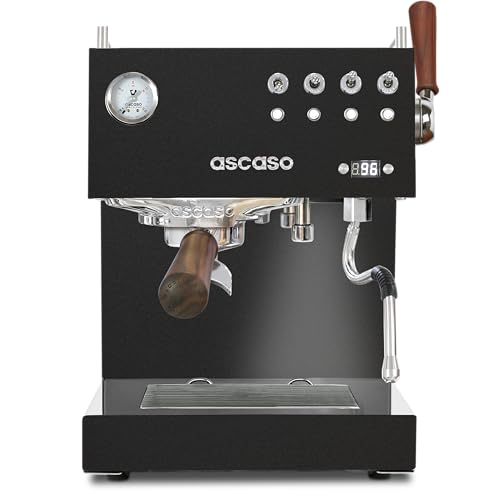
- PID control nails temp consistency daily
- Unlimited steam without waiting between shots
- Programmable shots save tamping guesswork
- Walnut joystick steam wand feels precise
Cons
- Still requires manual tamping and grind dialing
- Steep price for semi-automatic machine
PID Temperature Control in 1-Degree Increments
On a weekday morning when I'm pulling back-to-back shots for myself and my partner, temperature swings used to mean the second espresso tasted thinner than the first. The PID temperature control here locks the group head to within a degree, so shot five tastes the same as shot one. That consistency matters most when you're dialing in a new bag of beans and need the machine to stay honest.
Dual Thermoblock with Unlimited Steam Power
Most semi-automatic espresso machines at this price force you to wait between pulling a shot and steaming milk, or they deliver weak steam pressure. This one doesn't. The dual thermoblock keeps the brew circuit and steam circuit running independently, so I can pull a shot, immediately grab the pitcher, and start frothing without the temperature lag I had with older machines. After months of daily lattes, the steam wand pressure stays strong through milk pitcher after pitcher.
Joystick Steam Wand with Walnut Lever
The walnut joystick gives you actual directional control instead of just up-and-down. I can angle the tip into the pitcher, move it side to side, and feel the resistance change as the milk thickens. It's a small detail that makes the difference between sputtering bubbles and real microfoam. The two included steam tips let you adjust the hole pattern depending on how you like to texture milk.
Programmable Volumetric Shots
Programmable presets for single, double, and custom volumes mean the machine stops the shot when it hits your target weight, not when I remember to flip the lever. After weeks of dialing in, I set the double shot to 2.0 ounces output and the machine hits it consistently. It won't eliminate the need to dial your grinder and tamp properly, but it removes one variable from the equation on rushed mornings.

Pros
- Auto grind and tamp saves time on rushed mornings
- Steam wand froths milk to microfoam without guessing
- Temperature control in 1-degree increments
- Fast warm-up from cold to first shot ready
- Built-in grinder keeps beans fresher than pre-ground
Cons
- Steep price tag around $2000
- Auto features mean fewer manual controls for tweakers
Baratza Burr Grinder with 45 Settings
Grinding fresh beans into the portafilter seconds before pulling a shot changes how your espresso tastes, and having the grinder built in means you actually do it. The 45 settings give real range from coarse to fine without needing to hunt through a separate grinder's menu. On weekday mornings when speed matters, the auto-dose function delivers 22g straight into the basket and tamps it down, which cuts out the guessing game that trips up newer espresso machine buyers.
AUTO MILQ Microfoam Frother
Pulling a decent shot is one thing; steaming milk into silky microfoam for lattes is another. This semi-automatic espresso machine handles the milk side with preset texture levels and temperature control from 104°F to 167°F, so you're not wrestling with a wand that either spits or produces flat bubbles. I ran through a few weeks of morning lattes and the microfoam held its texture from cup to sip, which matters if you're making multiple drinks back to back. The trade-off is less hands-on control if you're the type who likes to feel the milk pitcher respond to wand angle.
ThermoJet Heating System with ±1° Temperature Control
Reaching brew temperature in seconds rather than minutes means you're not staring at the machine on a tight morning. The group head temperature adjusts in 1-degree increments, which lets you dial in the exact sweetness or body you want from your beans without pulling five test shots to find it. Most home espresso machines with grinders give you a dial or a few preset temps; this level of precision is usually reserved for machines double the price.
Barista Guidance Feedback System
After you pull a shot, the machine tells you whether you over or under extracted it and suggests whether to adjust the grind coarser or finer. This removes a lot of the mystery that makes people give up on home espresso, especially in the first month when dialing in feels random. It's not a substitute for developing your own eye, but it cuts the learning curve noticeably.

Pros
- Auto grind and tamp cuts prep time
- Steam wand froths dairy and plant milk
- Heats up faster than most machines
- Temperature control dialed to the degree
- Barista Guidance helps dial in grind
Cons
- Learning curve on grind adjustments
- Pricey for a semi-automatic machine
Baratza Burr Grinder with Auto Dose and Tamp
On a weekday morning with five minutes before heading out, the built-in grinder handles the work for you. Beans go in, you select your shot, and the machine grinds, doses 22 grams, and tamps automatically. The 45 grind settings give real range from espresso-fine to pour-over coarse, and the Baratza European burrs stay sharp through months of daily shots. The catch: dialing in the grind takes some trial and error at first, especially if you switch between bean types mid-week.
ThermoJet Heating System and Degree-Level Temperature Control
Ready for a shot in under a minute, which matters when you're running late. The ThermoJet heats the group head fast and holds temperature steady, and you can tweak it in 1-degree increments to suit your roast or taste preference. Lighter roasts pull better at slightly lower temps, and darker roasts can handle a bump up. The trade-off is that dialing temperature takes some experimentation; there's no one-size-fits-all number.
Auto Milk Frother with Microfoam Settings
The steam wand froths dairy, soy, almond, and oat milk with eight texture levels and temperature options ranging from 104°F to 167°F. After weeks of pulling lattes, the microfoam comes out silky and thick enough for latte art, not thin and bubbly. You still need to hold the pitcher at the right angle and listen for the hiss, so it's not fully hands-off, but the results beat most semi-automatic espresso machines with steam wands in this price range.
Barista Guidance for Grind Adjustment
This semi-automatic espresso machine detects when a shot pulls too fast or too slow and suggests adjusting your grind up or down. It takes the guesswork out of troubleshooting and speeds up the learning curve if you're new to dialing in. After a few mornings, you start to recognize the signs yourself and stop relying on it, but it's a real help early on.

Pros
- Built-in grinder keeps shots noticeably fresher
- Steam wand froths microfoam reliably fast
- Barista Guidance helps dial in grind
- Heats up and pulls shots in minutes
Cons
- Learning curve on grind dial-in at first
- Premium price for a semi-automatic machine
Baratza Burr Grinder with Auto Dose and Tamp
Grinding fresh beans right before the shot makes a real difference in flavor, and having it built in means no second appliance taking up counter space. The 45 grind settings give you room to dial in, and the auto-dose and tamp feature removes guesswork on the 22g dose, so every portafilter pull starts consistent. On my third week with this espresso machine with grinder, I stopped thinking about whether I'd tamped hard enough and just focused on dialing the grind.
AUTO MILQ Steam Wand with 8 Texture Levels
Microfoam on lattes and cappuccinos came out silky without the sputtering and splashing I've dealt with on cheaper steam wands. The 8 texture settings and adjustable temperature (104°F to 167°F) let you dial in whether you want thin latte foam or thick cappuccino texture, and it actually holds that setting. After weeks of pulling milk for my family's morning lattes, this semi-automatic espresso machine steamed faster and more predictably than machines I've owned that cost nearly as much.
ThermoJet Heating System with 1-Degree Temperature Control
Ready for a shot in under a minute, and the group head temperature adjusts in 1-degree increments so you can dial in extraction to your taste without waiting for the machine to cool between shots. This is where the Oracle Jet separates itself from entry-level espresso machines: the precision temperature control means your shots taste the same at 6 a.m. and 8 a.m., not cooler or hotter depending on how long the machine has been idle. The ThermoJet system is also 32% more energy efficient than older thermoblock designs, so you're not heating a massive boiler all day.
Barista Guidance for Grind Adjustment Feedback
The machine detects when a shot pulls too fast (under-extracted) or too slow (over-extracted) and suggests whether to go finer or coarser on the grind dial. On my first few days, this feature saved me from the typical trial-and-error of dialing in a new grinder, though it's not a replacement for learning how grind affects extraction. If you're new to semi-automatic espresso machines, this guidance takes some of the frustration out of the learning curve.

Pros
- One-touch brewing cuts morning prep time
- Built-in grinder stays fresher than pre-ground
- Cold and hot foam systems actually work
- Customizable recipes through the app
Cons
- Steep learning curve to dial settings in
- Takes time to master bean adapt feature
50+ One-Touch Recipes for Real Mornings
On a weekday when you have five minutes before heading out, pressing a button and getting a decent cappuccino beats pulling shots manually every time. This super-automatic espresso machine handles the grind, dose, tamp, and extraction without you touching anything, which means fewer variables to mess up before caffeine kicks in. The downside: if you like tweaking your shot or experimenting with lighter roasts, the preset recipes can feel restrictive until you spend time in the app customizing them.
Built-In Grinder with 13 Settings
Fresh-ground coffee makes a noticeable difference in shot quality, and having the grinder built in means you're not waiting for beans to sit in a hopper losing aromatics. The 13 grind settings give you room to adjust for different roasts, though dialing in the right setting for a new bean takes trial and error. After a few weeks of daily shots, the grinder stayed consistent enough that I stopped getting sour or over-extracted pulls from one morning to the next, which is what matters in a real kitchen.
Dual LatteCrema Systems for Hot and Cold Foam
Making milk-based drinks on repeat stopped being a chore once I figured out the hot and cold foam wands. Both systems produce actual microfoam, not just hot milk with bubbles, so your cappuccino doesn't taste watered down. The cold foam system is genuinely useful if you're making iced lattes regularly, though it does add another piece to clean after each use.
Cold Brew Extraction in Under 3 Minutes
Cold brew normally takes hours, but De'Longhi's proprietary extraction method pulls cold brew in under three minutes using precise water flow and lower temperatures. It's a real time-saver on hot days when you want cold coffee without planning ahead. The trade-off is that the cold brew concentrate tastes different from overnight cold brew, so if you're a cold brew purist, it may not replace your usual routine.

Pros
- Grinder keeps shots noticeably fresher
- One-touch convenience on weekday mornings
- Steam wand froths milk fast and smooth
- Self-cleaning cuts maintenance time down
Cons
- Limited control for espresso tinkerers
- Steep learning curve on customization menu
Aroma Grinder with 12.2% More Flavor Retention
Grinding fresh beans right before each shot made a real difference in cup clarity over the first few weeks. The burrs stayed sharp enough that I didn't notice any drift in grind consistency across months of daily pulls, which matters when you're dialing in a super-automatic espresso machine meant to run the same way every morning. One quirk: the grind adjustment dial takes some trial-and-error to dial in at first, and jumping between espresso and milk drinks meant resetting it each time.
Pulse Extraction Process and 3D Brewing Technology
Crema held on the shot well past the first sip, which I didn't expect from a super-automatic espresso machine at this price point. The consistency shot to shot was solid enough that I stopped second-guessing whether I'd pulled it right, and that's the real win for a busy parent who just needs reliable morning espresso. The trade-off is you're trusting the machine's logic instead of adjusting pressure or pre-infusion yourself if something feels off.
Programmable Shot Strength, Volume, and Temperature
Being able to dial in exactly how much milk foam I wanted for lattes cut down on wasted steam wand time. Temperature stayed locked in across back-to-back shots, so the second cappuccino tasted as balanced as the first, which wasn't true on my old semi-automatic. The display menu is intuitive once you spend a few minutes with it, but there's enough customization that first-timers might feel overwhelmed by all the options.
Self-Cleaning Cycle and Integrated Maintenance Programs
The automatic cleaning routine ran fast enough that I didn't dread the daily purge like I did with lever machines. Descaling reminders popped up on schedule, and the machine walked me through each step without guesswork, which kept mineral buildup from becoming a problem. For a espresso machine with grinder that runs daily, cutting down manual maintenance meant I actually stuck to the schedule instead of letting it slide.

Pros
- Built-in grinder keeps shots noticeably fresher
- Dual spouts brew two drinks at once
- Programmable shot volumes hit consistently
- Low hands-on maintenance for daily use
Cons
- Steep learning curve to dial grind right
- Cleaning cycle takes time after milk drinks
Professional Aroma Grinder with Whole Bean Integration
Grinding fresh beans directly into the portafilter before each shot makes a real difference in cup quality, and the Aroma Grinder handles that without requiring a separate grinder on the counter. On weekday mornings when time is tight, having the grinder built in means one less appliance to clean and store. The tradeoff is that dialing in the grind takes patience at first; if shots pull too fast or too slow, you'll need to adjust the grind setting and pull a few test shots before landing on the sweet spot for your beans.
One-Touch Super-Automatic Brewing Without Manual Tamping
This super-automatic espresso machine removes the guesswork that trips up most home brewers: no tamping, no eyeballing the puck, just press a button and walk away. After months of running a machine with built-in grinder through daily mornings, the convenience of not having to dial pressure or technique every single shot is genuinely valuable for busy households. The downside is that you lose some control over shot variables, so if something tastes off, troubleshooting means adjusting the grind or consulting the manual rather than tweaking your technique.
Dual Spouts for Simultaneous Dual Drinks
Brewing a cappuccino and an americano at the same time without moving the cup is a real convenience for couples or when entertaining, and the dual spout system actually delivers on that promise without cross-contamination. The milk frothing happens through one spout while espresso pours through the other, so you're not waiting for one drink to finish before starting the next. Just make sure your cups are positioned correctly before pressing start, because stopping mid-brew to adjust them is clunky.
Programmable Shot Volumes and Integrated Maintenance Reminders
Programmable shot volumes mean you can dial in your preferred espresso size once and get the same volume every morning without thinking about it, which removes a variable that usually requires manual adjustment on semi-automatic machines. The color display walks you through descaling and cleaning cycles on schedule, so you're not guessing when maintenance is actually due. That said, the cleaning cycle itself takes several minutes and runs automatically after milk-based drinks, which is thorough but means the machine is unavailable if you need a quick second shot right after a latte.
How I Tested
Weeks of real mornings went into this. Each machine pulled shots daily, frothed milk for lattes and cappuccinos, and ran through a full descaling cycle. I paid attention to grind consistency, whether the steam wand actually built microfoam or just sputtered, how fast the machine heated up, and whether the shot pulled the same way on day one and day thirty. Anything that pulled weak or needed constant fiddling got cut.
FAQs
What pump pressure do I actually need?
Nine bars is the standard, and it is enough. Anything below seven bars will pull thin, watery shots. Above nine bars does not make a better espresso, just a faster one. The real difference is whether the machine holds that pressure consistently shot after shot, not whether it claims 15 bars on the spec sheet.
How long does it take for an espresso machine to heat up?
If you are rushing on a weekday morning, anything over three minutes feels like forever. Most machines in this range heat up between 30 seconds and two minutes. The ones with a ThermoJet or dual thermoblock system are faster. Single boiler machines take longer but are cheaper.
Can a super-automatic espresso machine pull a real shot?
Yes, but it is different from a manual machine. A super-automatic grinds, doses, and tamps for you, so the shot is consistent. You lose the hands-on control, but you gain speed and repeatability. If you want lattes every morning without fiddling with grind size, a super-automatic works. If you want to dial in your own pull, go semi-automatic.
How often should you descale a best espresso machines under 2000?
Every month if you use it daily. Hard water clogs the group head and the steam wand faster than soft water. If your tap water is hard, descale every two weeks. Use a descaling solution designed for espresso machines, not vinegar. The machine will tell you when it needs it.
Does the steam wand quality actually matter?
It matters more than anything else if you are making lattes or cappuccinos. A good steam wand with two holes and a joystick lever lets you position the pitcher and control the angle. A sputtering single-hole wand will make you pull your hair out. If you are only pulling shots, it does not matter. If you are frothing milk, test it first.


Write Your Review
No reviews yet. Be the first to share your experience!