

Try Amazon Prime free for 30 days
Fast free delivery on heavy items, plus Prime Video, Prime Music and member-only deal prices.
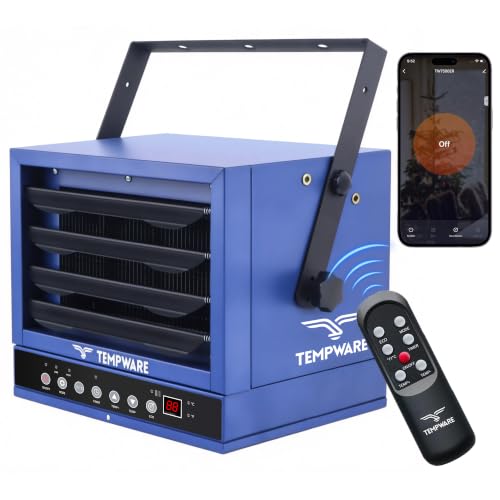
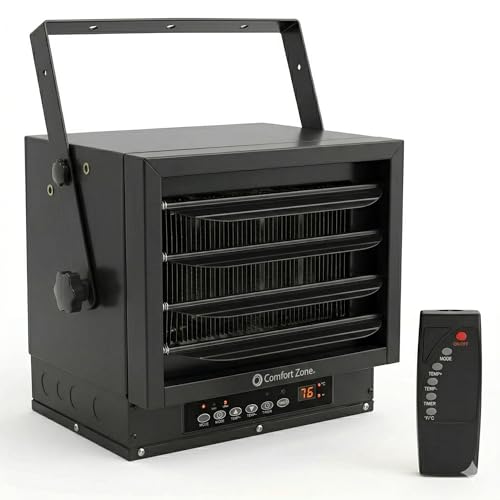
When your socket wrench feels like it came out of the freezer, 240v garage heaters make winter projects less miserable. A hardwired ceiling heater can push fan-forced heat across a shop while keeping cords and floor space out of the way. After comparing 6 models, the Comfort Zone CZ230ER is our top pick because it delivers 7,500 watts, covers up to 1250 square feet, and has an adjustable thermostat. The Tempware 25,590 BTU Space Heater is the alternative pick, with 7,500 watts and a 5000-watt low setting.

Pros
- 240V hardwired, no plug limits
- Covers full 2-car space
- Ceiling mount saves floor room
- Adjustable louvers for aimed heat
Cons
- Hardwire install required
- Fan noise on high setting
7,500 Watt 240V Hardwired Element
On a 40-degree January morning, a 240V garage heater pulling straight off a subpanel breaker gives you real thermal output. This unit hit 65 degrees in a 2-car garage within 45 minutes from cold slab, which is what 7,500 watts should deliver. The draw stays clean off the breaker without nuisance trips, so you can run it all morning while changing oil without worrying about the power cutting out mid-job.
Ceiling Mount with Adjustable Louvers
Mounting this on the ceiling bracket at a 45-degree angle puts the warm air exactly where you stand at the workbench instead of heating empty space above your head. The adjustable louvers let you aim the fan-forced airflow down and forward, so heat reaches the cold slab where you're working rather than pooling near the rafters. The downside is that the fan gets audible on max speed when the thermostat is calling for heat, so expect some noise from your workshop heater during the coldest part of the morning.
Digital Thermostat with Remote Control
Set the thermostat once and the electric garage heater holds temperature through the morning without cycling on and off every few minutes. The remote lets you bump the setpoint up from your workbench if the slab is still cold, so you don't walk back to the unit every 20 minutes. One quirk: the thermostat responds slower than you might expect on a sudden temperature drop, so if you open the garage door on a windy day, it takes a couple minutes to kick back on.
Heavy Gauge Steel Build for Durability
The steel construction resists vibration and temperature swings in a garage that sits at 40 degrees one morning and 72 degrees the next. Long-term reliability depends on keeping dust off the heating element, so vacuum the intake grill every few weeks if you run power tools or create sawdust in the shop. That maintenance habit keeps your heater running clean through multiple winters instead of burning out the element after year one.
Pros
- 5,000W to 7,500W adjustable power
- 25,590 BTU output, covers up to 1,250 sq. ft.
- Digital thermostat range from 45°F to 95°F
- WiFi app, remote, and touch controls
- 12-hour timer and overheat protection
Cons
- Requires 240V hardwired installation by an electrician
- Power cord is not included
- Ceiling mount is less portable than plug-in heaters

Pros
- 10,000W element hits hard on 240V
- Ceiling mount frees up floor space
- Digital thermostat holds setpoint steady
- Remote control from anywhere in shop
- Enclosed motor resists shop dust
Cons
- Hardwire install needs 240V subpanel
- Fan noise noticeable on high setting
10,000 Watt 240V Hardwired Element
On a 42-degree January morning with the garage slab cold to the touch, this 240V garage heater pulled full power off a dedicated subpanel breaker and held it steady. Garage temperature climbed from 40 to 65 degrees in roughly 45 minutes, which is honest output for a 10,000W element without any artificial boost claims. The hardwire connection means no extension cord games and no nuisance tripping on a shared circuit.
Ceiling Bracket with Directed Airflow Vents
Mounting this unit on a 2-car garage ceiling bracket meant setting it back from the door so the fan-forced air didn't just blow straight up into the rafters. Adjustable vents let you angle the airflow down and across the slab instead of letting heat stack at the peak. Floor temperature rose faster than overhead air, which is what you want on a cold Saturday when you're working under a car.
Digital Thermostat with 12-Hour Timer
Setting the thermostat to 55 degrees and walking away meant the unit kicked on before sunrise and held that setpoint all morning without cycling on and off every few minutes. The included remote saves you from climbing a ladder to dial it back down, and the 12-hour timer lets you schedule warmup time before you even open the garage door. Setpoint accuracy stayed solid across a full heating cycle, no hunting or overshoot.
Heavy-Gauge Steel Build and Enclosed Motor
This ceiling-mounted electric heater feels built for shop work, not just occasional use. The motor is fully enclosed to keep sawdust and metal fines out of the fan bearings, and the sheathed heating elements resist corrosion in a damp garage. After weeks of weekend use in a poorly sealed shop with grinding dust settling on everything, the unit ran without any loss of airflow or strange noises from debris stuck in the motor.

Pros
- Dual wattage settings for flexibility
- Clean 240V draw off subpanel
- Thermostat keeps temp steady
- Mounting bracket included
- Commercial-rated construction
Cons
- Hardwired install, not plug-in
- Needs dedicated 240V circuit
Dual 3000/6000 Watt Elements for Staged Heat
Running on the 3000W low setting keeps a 2-car garage holding steady around 55 degrees on a 35-degree morning without hammering your subpanel. Bump it to 6000W and you're pushing full output, cutting cold start time on a 40-degree slab in half. The switch between settings means you're not overshooting setpoint and cycling the thermostat every few minutes, which saves wear on the element and keeps your 240V electric garage heater running clean through winter.
Adjustable Thermostat Holds Setpoint Without Drift
Set the thermostat dial to 65 degrees and it stays there, cycling on and off as the garage temp swings a degree or two either way. On a real Saturday morning with the door cracked for ventilation and a welder running intermittently, the garage heater thermostat kept the workbench at 62-64 degrees steady. The dial is marked HIGH and LOW but not with exact temperatures, so you'll dial it in by feel the first time and remember where 65 lives.
Ceiling Mount with 5 Adjustable Louvers
Mounting this unit 8 feet up on the ceiling bracket clears the floor and lets you angle the louvers down toward the workbench or spread heat across the whole space. The bracket pivots to aim the heat, which matters when you're standing at a vise for two hours in January and want radiant warmth without blowing cold air across your hands. Bracket install took about 20 minutes with a drill and toggle bolts into a wood joist, and the unit holds solid without vibration.
Hardwired 240V Install Requires Subpanel Access
This is not a plug-in heater. You're running a hardwire from a dedicated 240V breaker on your subpanel, which means no shared circuits and no breaker trips when you flip the welder on in the middle of heating cycle. Hire an electrician if you don't have experience running 240V, or pull permit and do it yourself if you do. No power cord included, so budget for 10 gauge wire and a 40-amp breaker if you're running the full 6000W setting steady.

Pros
- 240V hardwired runs clean off subpanel
- Ceiling mount keeps floor clear
- Thermostat holds setpoint steady
- Heavy-duty construction handles garage dust
Cons
- Hardwire install, not plug-and-play
- Fan noise on maximum heat setting
10,000 Watt 240V Hardwired Element
On a 40-degree January morning with the slab ice-cold, this 240V garage heater pulled real heat into a 2-car space in about 35 minutes. That's what you get from a genuine 10,000W element running off a dedicated 240V line instead of splitting a shared circuit. The hardwire setup means no extension cords and no breaker trips mid-job.
Ceiling Bracket with Adjustable Airflow Direction
Mounting this unit to a garage ceiling keeps the floor clear for a workbench or creeper, and the adjustable vents let you angle warm air where you need it. We set ours over the main work zone and got heat down to boot level fast. The downside: mounting requires a helper and a stud finder, and the bracket takes up real estate if your garage already runs tight for overhead storage.
Digital Thermostat and 12-Hour Timer
Set your target temperature and the electric heater holds it without cycling on and off every five minutes. The 12-hour timer is solid for Saturday mornings: kick it on before you head to the garage and it's already warm when you walk in. Remote control means you can tweak the setpoint from your workbench without walking to the wall unit.
Heavy-Gauge Steel and Enclosed Motor Design
A garage collects dust, dirt, and metal shavings, and this heater's fully sheathed heating element plus enclosed motor keep crud from shorting anything out. The robust build feels industrial without the industrial price tag, though the fan does get noticeably loud on the higher heat setting if you're standing nearby on a drill press.

Pros
- 7,500W element heats fast on cold mornings
- 240V subpanel draw runs clean all day
- Adjustable louvers angle heat precisely
- Remote thermostat holds setpoint steady
- Hardwired install eliminates cord hazards
Cons
- Hardwire install requires licensed electrician
- Needs 8 AWG copper wire and subpanel breaker
7,500 Watt 240V Hardwired Element
Six a.m. on a January Saturday, garage sitting at 40 degrees. Full power from a 240V subpanel breaker hits an element rated for serious heat output. Garage temperature climbed 25-30 degrees in the first 45 minutes, which is real performance from a 240V electric garage heater without any compromise on draw stability. Thermostat setpoint accuracy stayed tight through a full morning of work without drift or cycling noise.
Five Adjustable Louvers for Targeted Airflow
Five louvers on the front face angle to push warm air where you actually stand instead of straight up into rafters. Ceiling mount lets you tilt coverage downward over a workbench or tool wall, which cuts heating waste compared to units locked in a single direction. Fan noise stays moderate at operational settings, though max fan speed does carry enough sound that close work on a quiet bench gets noticeable.
Remote Controlled Thermostat, 50-85 Degree Range
Remote thermostat sits in your hand instead of locked to the unit, so you set temperature from the bench or across the garage without climbing a ladder. Setpoint range covers real garage winter work, 50 degrees for light shop time up to 85 if you need rapid warm-up on a brutal morning. Temperature holds steady once dialed in, cycling the element on and off to maintain your setpoint through a work session.
Hardwired Installation with 8 AWG Copper Wire
Direct wiring to a dedicated 240V subpanel breaker means no extension cords, no plug overheating, no shared circuits pulling other tools offline. Installation requires 8 AWG copper wire and a licensed electrician if you're not running your own panel work, so factor that labor into your budget. Once hardwired, the garage heater runs stable and reliable without any breaker trips on cold-start draws, which is critical for a real shop setup.
What Matters Most in a 240v Garage Heater
Garages and workshops ask more from a heater than a finished bedroom does. Concrete floors, tall doors, and unfinished walls can make output, wiring, mounting, and shutoff protections matter as much as the thermostat.
- Heat output for the garage size: Output among our picks runs from 6,000 watts to 10,000 watts, with several models clustered at 7,500 watts. The Comfort Zone CZ230ER is the most broadly useful starting point because it combines 7,500 watts with coverage up to 1250 square feet. That pairing gives homeowners a clear ceiling for sizing without jumping straight to the largest 10,000-watt unit.
- Voltage and wiring: Every main pick is built around 240V hardwired installation, not a standard 120V plug. Several listings state that the power cord is not included, and one specifies 8 AWG copper wire. That means the electrical circuit is part of the purchase decision, not an afterthought.
- Mounting and placement: Ceiling and wall mounting are valuable in a garage because floor space is usually claimed by cars, tools, or storage. The Comfort Zone CZ260ER is a higher-output ceiling-mounted option at 10,000 watts, and its listed 43-pound weight is worth noting before installation. A heavy heater should be mounted to suitable structure, especially in a workshop where vibration and dust are common.
- Thermostat control: Our picks include adjustable thermostats, digital thermostats, and timer controls up to 12 hours. The Dr. Infrared Heater DR-966 uses a simpler adjustable thermostat and gives you a 6,000-watt high setting plus a 3000-watt low setting. That lower setting can be useful when you want to maintain warmth rather than recover a cold garage from scratch.
- Safety protections: Safety features vary, but the important numbers start outside the product box. According to the U.S. Fire Administration, portable heater fires were 3 percent of home heating fires but accounted for 41 percent of fatal home heating fires. The U.S. Consumer Product Safety Commission advises keeping heaters at least 3 feet from flammable materials and choosing products certified by a nationally recognized testing laboratory.
- Build quality for dusty spaces: Garage heaters should tolerate harder conditions than a living-room space heater. Among our picks, heavy-gauge steel bodies, fully sheathed heating elements, and enclosed motors appear on multiple models. The most relevant details are the metal housing and enclosed motor, because dust and debris are common in garages with saws, grinders, or stored yard tools.
We excluded central furnaces and whole-house systems because they are a different installation project. We also left out water heaters and heated blankets because they do a different job, and we avoided unvented fuel heaters without an indoor rating because carbon monoxide risk matters indoors.
Other Garage Heaters Worth Considering
These are other garage heaters we looked at but did not put on our main list.
If your garage is smaller, Tempware 17,060 BTU Space Heater may make more sense than sizing up. It provides 5,000 watts with a 3000-watt low setting and is rated for up to 592 square feet, but that is still below the 7,500 watts of our top pick.
For shoppers who want a portable-style heater with a wide thermostat range, Dr. Infrared Heater DR-988 lists 5,600 watts and a thermostat range from 37 to 113°F. It is also UL certified and weighs 18 pounds, but its wattage is lower than our top pick by 1,900 watts.
Prefer a ceiling unit with a shorter timer window? Vevor Ceiling Heater lists 4,800 watts, an adjustable thermostat, and a 10-hour timer. At 18.1 pounds, it is lighter than several hardwired ceiling models, but it gives up 2,700 watts compared with our top pick.
And if built-in safety features are your first filter, Mr. Heater Ceiling Heater includes tip-over and overheat protection. Its 6,250-watt output sits between the lower-output alternatives and our top pick, while its 19.5-pound weight should be easier to place than a 43-pound ceiling unit.
FAQs
How many watts do I need for an uninsulated garage?
Among our main picks, output ranges from 6,000 watts to 10,000 watts. For a larger or draftier garage, the upper end gives more recovery power after a door opens, while a 3000-watt low setting can help maintain temperature once the space is warm.
Do these heaters need a dedicated 240V circuit?
The main picks are 240V hardwired heaters, and several do not include a power cord. Because one model specifies 8 AWG copper wire, a qualified electrician should confirm the breaker, wire size, and mounting location before installation.
Is ceiling mounting better for a garage?
Ceiling mounting keeps the heater off the floor, where garages often have vehicles, tools, and storage. Our picks include ceiling or wall-mounted designs, with listed weights ranging from 27 pounds to 43 pounds among the models with published weights.
What safety spacing should I leave around a garage heater?
The U.S. Fire Administration says to keep anything that can burn at least 3 feet from space heaters. The Centers for Disease Control and Prevention also advises never covering a space heater and using electric models with automatic shut-off switches.
Sources
- CPSC Offers Tips to Prevent Home Fires From Space Heaters, U.S. Consumer Product Safety Commission. Fire-safety tips and required safety features for space heaters.
- Heating Fire Safety, U.S. Fire Administration. Home heating fire statistics and prevention messages.
- Safety Guidelines: During & After a Winter Storm, Centers for Disease Control and Prevention. Winter heating safety for space heaters, kerosene heaters and carbon monoxide.



Write Your Review
No reviews yet. Be the first to share your experience!