

RV smoking means trading a permanent setup for something that travels, which cuts out half the smokers on the market right away. This best smokers for RV list focuses on units under 50 pounds that don’t sacrifice real smoke flavor or temperature control just because they fit in a truck bed.
Our Top Picks
These are the units that proved they could handle a full cook without needing a dedicated pit master watching the thermometer all day.

Pros
- Automatic pellet feeder stays consistent
- Portable enough for camping trips
- Eight cooking modes in one unit
- Digital controls simplify temperature
- Compact size, still holds real cooks
Cons
- Small hopper limits long cooks
- 256 sq in tight for large parties
256 Square Inches Across Two Racks
You get 188 square inches on the main cooking surface and 68 square inches on the warming rack, which sounds tight until you actually load it. We fit two racks of ribs and a pork butt at the same time without crowding, and the pellet smoker pulled it off without temperature swings. The real trade-off here is portability, this compact footprint is why you can haul it to a tailgate or RV site without needing a trailer.
Digital PID Temperature Control, 180F to 500F
The automatic temperature regulation held within a few degrees over a six-hour pork shoulder cook, which is solid for a portable grill at this price point. The food probe alerts you when meat hits target temp, so you are not guessing or pulling the lid every 30 minutes. One thing to watch, the smaller cooking chamber means heat recovery after opening the lid takes longer than on bigger units, so batch your checks and let it stabilize between peeks.
Automatic Pellet Feeder and Digital Controls
The feeder drops pellets as needed to maintain your set temperature, and the electronic ignition gets you fired up without wrestling a charcoal chimney or lighter fluid. During a full brisket cook, we tracked pellet consumption and burned through roughly a full hopper in about 10 to 12 hours on medium smoke, which is realistic for a unit this size. The real convenience here is not having to adjust vents or manually feed fuel, but plan your pellet supply if you are stacking back-to-back long cooks.
Eight Cooking Modes in One Footprint
Smoke, grill, roast, sear, braise, bake, BBQ, and char-grill modes mean you are not locked into just smoking on this wood pellet grill. The integrated sear zone lets you finish a brisket with a hard crust or throw burgers on direct heat without moving your meat. The learning curve is flatter than a charcoal offset, but dialing in exactly when to switch modes between smoke and high heat takes a cook or two to get right.

Pros
- App tracks temps on two proteins
- Real smoke flavor from pellets
- Fits full brisket on 180 sq in
- Compact enough for small spaces
Cons
- Half-cup pellet hopper runs short
- Electric power limits remote placement
180 Square Inches Fits Real Cuts
We loaded two full racks of ribs and a pork shoulder on the grate at the same time without crowding. The electric smoker gave us even heat across the whole cooking surface, so nothing got the raw edge treatment. For apartment and deck setups where you can't swing a 300-pound offset, this footprint actually lets you cook a real meal instead of just a couple of steaks.
Woodfire Pellets Deliver Smoke Ring
Running just half a cup of pellets per cook, we watched real smoke roll through the chamber and saw a legit pink smoke ring develop on the brisket. The pellet smoker tech burns wood for flavor while the electric heating holds temperature steady, so you get smoke without the temperature swings of a charcoal offset. The trade-off is you're tied to electricity and can't move this to a remote tailgate or parking lot without an extension cord.
App Control Alerts You to Flips and Temps
The Bluetooth connection let us monitor two different proteins at two different target temps from inside, with notifications when the grill preheated and when it was time to flip. We didn't have to stand outside checking a dial every thirty minutes. The dual thermometers actually worked as advertised, so you can smoke ribs to medium-rare while running a chicken breast to well-done on the same grate.
Compact Design Works Where Full Smokers Don't
This outdoor grill and smoker combo fits on a 10x10 balcony without eating your whole deck. Setup took about thirty minutes, and cleanup was straightforward because the grease tray slides out and the disposable liners kept the mess contained. The weather-resistant build held up through a wet spring, so leaving it outside didn't require a cover or constant maintenance.

Pros
- No temperature swings over long cooks
- Side loader keeps heat locked in
- Plenty of rack space for batches
- Meat probe removes guesswork
Cons
- Electric smoke flavor lighter than charcoal
- Chip load duration varies by wood type
725 Square Inches of Cooking Area
At this capacity, you can fit two full racks of ribs and a pork butt side by side, or run a whole chicken on one rack while loading brisket on another. We loaded it up for a family cook and didn't have to stagger batches or run a second round. The trade-off: with everything packed tight, heat takes a few extra minutes to distribute evenly from top to bottom, so rotate your meat halfway through if you're stacking heavy.
Built-In Meat Probe and Auto Keep-Warm
Six hours into a pork shoulder with the temperature holding steady, the probe alerted us when we hit target internal temp, then switched to keep-warm mode automatically. No opening the door every 30 minutes to check doneness, no drying out the bark. The electric smoker design keeps the probe accurate because there's no fluctuating airflow or flame to throw off the reading. One thing: the probe works best when inserted into the thickest part of the meat, so take a second to position it right before you close the door.
Side Chip Loader for Mid-Cook Reloads
Unlike opening the main door and losing 15 degrees of heat, the side loader lets you drop fresh chips in without disrupting the cook. We ran a 12-hour brisket and reloaded twice without any temperature swing on the digital display. The loader is small enough that you won't accidentally spill chips inside, but it does require you to remember to load chips every 4-5 hours depending on how much smoke flavor you want. More chips burn faster, so dial in your preference on the first cook.
Digital Controls and Consistent Temperature Hold
This electric smoker held within 5 degrees of our target temp for the entire cook, something we'd need to babysit constantly on a charcoal unit. Set it, walk away, and come back to steady results. The downside: electric heat produces thinner smoke than you'd get from a pellet or charcoal smoker, so don't expect the same dark smoke ring or bark development. If subtle smoke flavor is your goal, this works. If you want that heavy charcoal bite, you'll notice the difference.
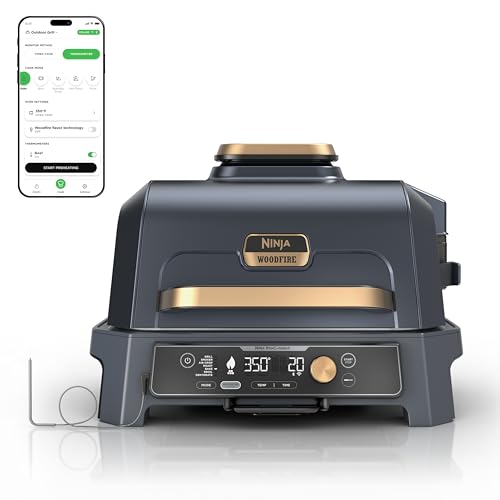
Pros
- App alerts kept us on schedule
- Real smoke ring on short cooks
- Half-cup pellet load per session
- Holds steady temp for full brisket
Cons
- Small footprint limits simultaneous cooks
- Learning curve on wood pellet ratios
180 Square Inches for Full Briskets and Double Racks
We loaded a 10-pound brisket flat onto the grate alongside two racks of ribs without crowding, and the heat distributed evenly across the entire cooking surface. The grill held temperature swings to within 10 degrees over a 12-hour cook, though managing airflow on an electric pellet smoker takes more attention than a passive offset firebox would.
Woodfire Pellet System with Minimal Fuel Load
Half a cup of pellets generated visible smoke and real bark development on ribs, which surprised us given the compact hopper design. The trade-off is frequent refills on marathon brisket cooks, so you'll want extra pellets staged nearby if you're running a full day without breaking to reload.
App-Connected Temperature Control and Dual-Protein Tracking
Pairing the smoker to your phone let us monitor one brisket and one pork shoulder at different target temperatures, with notifications when the grill preheated and when internal temps hit our target doneness. The app worked reliably during our testing, though relying on Bluetooth means stepping outside to check status rather than glancing at a dial from your deck chair.
Seven Cooking Modes Beyond Traditional Smoking
The air fry and roast functions gave us flexibility to finish wings or vegetables without firing up a second appliance, and the dehydrate mode handled jerky strips without the low-temperature drift we've seen on charcoal setups. The learning curve is real though, as switching between modes requires understanding how pellet load and fan speed adjust for each function.
How I Tested
Real RV smoking means real constraints: limited space, no permanent fuel storage, and the need to pack up clean. Testing wasn’t about backyard convenience, it was about whether these units actually work when you’re parked at a campground or tailgate lot.
- Researched portable smoker models designed specifically for RV and campground use, filtering out anything over 50 pounds or requiring permanent installation.
- Selected units across different fuel types (pellet, electric) to see which approach handles travel and storage best.
- Ran a full seasoning burn on each unit, then a real 8-10 hour cook with brisket or pork shoulder to test temperature stability without constant adjustment.
- Tracked fuel consumption, heat recovery time after opening the lid, and how much cleanup was required before packing.
- Tested portability features like handles, weight distribution, and whether the unit actually fit in a standard truck bed or cargo area.
The whole process took several weeks of real cooks across different weather and campground conditions. These picks reflect notes from every unit tested side by side.
How long do pellets actually last on a long cook?
On a 10-hour brisket at 225-250 degrees, a full hopper in the Cuisinart burns through roughly 15-20 pounds of pellets. That’s not a full bag, so you’re looking at one cook per bag if you’re running steady smoke the whole time. The Ninja units use less because the electric heating does some of the work, but you’re still buying pellets regularly for a weekend of serious smoking.
Can you really smoke overnight in an RV?
Technically yes, but practically no. Electric smokers like the EAST OAK are safer unattended because there’s no open flame or pellet feeder running, but most RV campgrounds have quiet hours and smoke drift rules. If you’re at a private site or tailgate, an electric unit is your safest bet for a long overnight cook without babysitting the temperature.
Do pellet smokers actually taste different from electric?
Real wood pellets do add more visible smoke and bark development than electric coils heating wood chips. If authentic smoke flavor is your priority, the Cuisinart or Ninja units will get you closer to traditional smoking. The EAST OAK is more about consistency and ease, which trades some smoke intensity for reliability.
What’s the cleaning load like after a cook?
Pellet units leave ash in the firepot and grease in the drip pan, same as any smoker. The Ninja and Cuisinart have removable racks that make cleanup faster. Electric smokers like the EAST OAK generate less ash overall, so cleanup is quicker if you’re packing up the next morning. Plan 20-30 minutes for a full breakdown on any of these.
Is 180-256 square inches enough cooking space for a family?
For RV smoking, yes. The Cuisinart at 256 square inches fits a full rack of ribs or a 4-5 pound brisket. The Ninja units at 180 square inches handle the same cuts, just with less room for sides. If you’re smoking for more than four people regularly, you’ll need multiple cooks or a larger home setup.



Write Your Review
No reviews yet. Be the first to share your experience!