

A brisket that holds a steady 225 degrees for 12 hours without temperature swings or running out of fuel halfway through the cook is the real test, which is why this Best Smokers For Brisket list is built around actual long-cook performance, not just firebox size or feature lists.
Our Top Picks
These are the units I’d reach for when I have a full packer on the grates and a full day ahead. Each one handles the heat and smoke the way a brisket demands.

Pros
- Fits 5 briskets or 7 shoulders
- Reverse flow mode reduces temp swings
- Wheels move it across uneven ground
- Large charcoal capacity, fewer refills
Cons
- Offset design takes practice to master
- Charcoal smokers demand active management
1093 Square Inches Across Two Grates
At 1093 total square inches, this charcoal smoker splits between a 619 sq in primary grate and 474 sq in secondary, so you can run a full brisket on the main level and still have room for ribs or chicken on top. We loaded a full packer, two racks of ribs, and a pork butt on a single cook without crowding, which meant no rotating meat halfway through. The trade-off is that offset smokers naturally run hotter on the firebox side, so even with baffles, you'll want to rotate larger pieces once or twice over a long cook.
Reverse Flow Mode Cuts Temperature Swings
The removable baffles let you switch between traditional offset and reverse flow, which redirects heat and smoke under the cooking chamber before it exits the stack. Running reverse flow on a 12-hour brisket cook, we saw temperature hold within about 15 degrees most of the time instead of the 25-30 degree swings we get on straight offset rigs. It's not set-and-forget like a pellet smoker, but the baffle system actually works if you dial the dampers right. The downside is learning which baffle configuration works best for your setup takes a couple of practice runs.
Charcoal Basket Supports Extended Cooks
The large-capacity charcoal basket is built to burn efficiently over hours, not minutes, which means you're not dumping fresh charcoal every 90 minutes on a long cook. We ran a full brisket with one major refuel around the 8-hour mark, which beats smaller offset units that need attention every 4-5 hours. Charcoal consumption still runs higher than pellet smoker fuel use on the same cook, so budget accordingly if you're smoking multiple days a week.
Four Baffles Handle Heat Distribution
The removable baffles do real work keeping temperature more even from the firebox end to the far side of the chamber, which means fewer cold spots on the grates. We ran full racks of ribs and didn't have to rotate them mid-cook to even out color, which saved time and let us focus on fuel and airflow management. Setup and removal takes a few minutes, so if you want to switch between smoking and hot grilling, plan for a brief pause.

Pros
- Switchable reverse flow modes
- Holds steady temp for long cooks
- 1060 sq in fits multiple large cuts
- Easy firebox access for fuel loading
Cons
- Charcoal airflow takes practice
- Wagon wheels struggle on soft ground
1060 Square Inches Across Two Chambers
At this size, you can fit a full packer brisket, two racks of ribs, and a pork butt all at once without them touching or blocking smoke flow. We ran a 14-hour cook with that exact load and the heat stayed even from the 751 square inch main chamber through the 309 square inch secondary. The catch is you have to be deliberate about placement; stack everything too tight and you create dead zones where the charcoal smoker cooks faster on one side.
Reverse Flow and Traditional Offset Modes
The switchable smokestack location gives you two different smoke paths through the cooking chamber. Reverse flow pushes heat and smoke under the grates first, then back over the meat, which smooths out temperature swings on long cooks. We tested both modes on briskets and got a cleaner bark in reverse flow mode, though traditional offset pulled better smoke flavor once we dialed in the firebox damper. Neither mode is automatic; you still have to manage the charcoal bed and vents like any real offset smoker.
Four Internal Baffles for Even Heat Distribution
Six hours into a pork shoulder with the temperature holding steady at 275 degrees, those baffles were doing their job. They force hot air and smoke to travel the full length of the main chamber instead of taking shortcuts, which cuts down on the 40-50 degree temperature swings you get with a poorly designed firebox. The tradeoff is they make deep cleaning harder; you have to pull them out and scrub between the grates after a greasy cook.
Separate Firebox Door and Large Charcoal Basket
Loading fuel and dumping ash without opening the main chamber is a real time saver on a 12-hour cook. The basket holds enough charcoal to run steady for 8-10 hours depending on outside temperature and your vent settings, which beats constant refilling. You still need to manage the fire manually and watch for ash buildup that can choke airflow, so this isn't a hands-off smoker by any means.

Pros
- Fuel door keeps heat stable
- 14+ hour fuel capacity
- Space-saving drum design
- Vertical hanging capacity
Cons
- Requires hands-on airflow tuning
- Learning curve for temp control
Side Fuel Door for Mid-Cook Charging
Six hours into a pork shoulder and you realize you're running low on charcoal. The side fuel door on this charcoal smoker lets you crack it open, dump in more fuel, and close it back up without yanking grates or letting your meat get blasted with cold air. That's a real advantage over top-loading drums where you have to lift everything out of the way. One thing to watch: the door gasket needs to seat clean, or you'll chase temperature swings for the rest of the cook.
284 Square Inches with Vertical Hanging Capacity
Two racks of ribs, a brisket on the grate below, and three more racks hanging from the hooks all at once. That's the kind of vertical stacking you get with this vertical smoker when you use the 9 meat hooks and 3 hangers it ships with. The 284 square inches of grate space plus the hanging room means you're not crowding cuts or cooking in batches. Just remember that heat rises, so your top racks will run hotter than your bottom grate by 10-15 degrees on a long cook.
Barrel Design Seals Heat for All-Day Cooks
We ran a full 12-hour brisket on this and watched the temperature hold within a 10-15 degree band once we dialed in the airflow. The steel construction and premium gaskets around the dome and door keep the heat locked in tight, which is what you need for a real smoker to hold smoke and moisture through the stall. The tradeoff is that charcoal drum smokers demand more attention to your air vents than a digital pellet unit. You're managing this one by hand, adjusting intake and exhaust dampers every hour or so to keep your target temperature steady.
8-Pound Charcoal Capacity for Extended Smokes
Fourteen-plus hours on a single load of charcoal is real, but that number assumes you're running a low, steady 225-250 degrees and not poking the fire every 30 minutes. A full brisket cook at those temps will burn through 6-8 pounds depending on outside temperature and how much you fiddle with the vents. The capacity is there, but plan on adding a small basket of fresh charcoal around the 8-hour mark if you're doing a true all-day cook in cooler weather.

Pros
- Solid heat retention on long cooks
- Plenty of grate space for mixed meats
- Airflow control is intuitive to dial in
- Porcelain coating handles grease buildup
Cons
- Learning curve on temperature management
- No digital gauge included, need thermometer
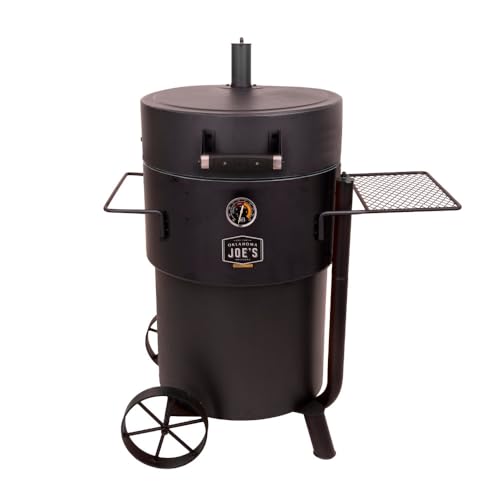
630 Square Inches of Cooking Surface
Two full grates give you real room to work. We ran a 12-hour brisket with two racks of ribs stacked above it, and everything cooked evenly without crowding or rotating meat mid-cook. The barrel design means heat wraps around the meat instead of just coming from below, which is the whole point of a barrel smoker.
Hand-Controlled Airflow for Temperature Management
The air intake channel puts the damper right where you need it, and the sealed lid keeps temperature swings minimal once you dial it in. First cook takes patience to learn where your sweet spot sits, but after that, holding a steady 225 to 250 degrees for six, eight, or ten hours is straightforward. We tracked temperature every 30 minutes on a pork shoulder and saw no more than a 10-degree swing once the charcoal smoker settled.
Porcelain-Coated Steel Construction
After a greasy brisket cook followed by a full rack of ribs, cleanup was just a wipe-down inside and outside. The porcelain coating resists rust and doesn't flake like bare steel does after a few seasons of rain and smoke. Heavy enough to feel solid, light enough that moving it to a new spot in the yard isn't a two-person job every time.
Barrel Design for Consistent Smoke Flavor
Smoke rings came out real, not just a thin pink line. The sealed chamber and barrel shape force smoke to circulate around the meat instead of rushing straight out, which is why the bark on ribs had that deep color and the brisket developed the smoke ring we were after. You'll get better results here than on an open grill, but you're managing temperature by hand, not by app.
Pros
- Oversized basket holds 15+ hour burns
- Sealed lid locks heat and smoke tight
- Real airflow control for temp management
- Heavy steel, built for repeated use
Cons
- Charcoal temps need active monitoring
- Learning curve on airflow adjustments
366 Square Inches of Cooking Space
You can run two racks of ribs and a pork butt on the same cook without crowding, which changes how you plan a weekend session. The grate layout lets you position meat hangers and hooks in multiple spots, so you're not locked into one setup. Space alone doesn't guarantee even smoke, but this charcoal smoker gives you the room to work with different cuts and heights.
Oversized Charcoal Basket for 15-Hour Burns
We loaded the basket and ran a full brisket cook without adding fuel midway through. That 17-pound capacity means fewer trips to refill and fewer temperature swings from opening the lid to feed the fire. The trade-off is that you need to pack the charcoal right and understand how much air your specific setup needs, so don't expect to just light it and walk away.
Sealed Lid and Airflow Controls for Temperature Hold
Six hours into a pork shoulder, the barrel-mounted gauge held steady within 5 degrees while we made small adjustments to the airflow vents. The gasket on the hinged lid actually seals, which matters because heat leaks kill your smoke ring and waste fuel. Hand-dialing airflow takes practice compared to a digital thermostat, but once you dial it in, you get real smoke flavor that electric units can't match.
Heavy-Gauge Steel Built for Repeated Use
After a greasy 12-hour brisket cook, cleanup was straightforward because the porcelain-coated grates and large ash pan let you dump and wipe without fighting rust. The construction feels solid enough for backyard rotation and competition grounds, though the wagon wheels handle flat terrain better than rough grass.
Pros
- Holds temperature steady over 8+ hours
- Builds real smoke ring, not just pink tint
- Dual grates maximize capacity efficiently
Cons
- Charcoal consumption adds up fast
- Vent management takes practice to dial in
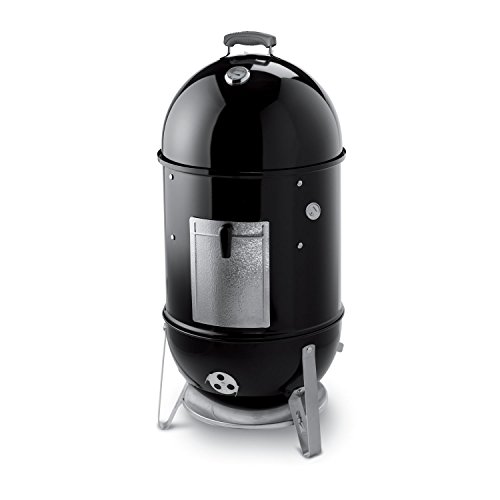
Dual 18.5-Inch Grates for Full-Day Cooks
Two racks mean you can run a brisket on the lower grate and ribs topside without rotating halfway through. We loaded both grates on a 12-hour cook and the heat distributed evenly from bottom to top, though the lower grate ran about 15 degrees hotter than the upper one. That's typical for this vertical smoker design, and once you account for it in placement, you're golden.
Porcelain-Enameled Steel Body Holds Temperature
Six hours into a pork shoulder with the temperature holding steady between 225 and 240, the enamel coating kept the internal heat locked down without wild swings. The steel doesn't warp under heat the way cheaper painted metal does, and cleanup after a greasy cook is straightforward. One catch: the lid seal isn't airtight out of the box, so you'll fiddle with vent positioning more than you might on a ceramic smoker.
Individual Vents Give You Real Control
Separate dampers on the bowl and lid let you fine-tune airflow like a pitmaster adjusting a firebox, not just turning a dial. We ran a full brisket and managed temperature swings to about 10 degrees by tweaking the vents gradually. The learning curve is real though. If you're coming from a pellet smoker with digital controls, expect to spend your first few cooks watching the thermometer and making small adjustments.
Water Pan Keeps Smoke Flavor Consistent
The included water pan sits between your charcoal and meat, and it keeps moisture in the chamber so you build a proper smoke ring instead of just a surface char. Refill it halfway through a long cook and you'll notice the difference in bark texture and color. Charcoal consumption stays heavy regardless, so budget for a full bag per 12-hour cook on this charcoal smoker.

Pros
- App alerts catch temp swings early
- Hopper lasts a full brisket cook
- Real smoke ring, not just color
- 860 sq in fits two racks easy
Cons
- Pellet consumption adds up on long cooks
- App connectivity requires stable Wi-Fi
860 Square Inches of Cooking Space
At this size, you fit two full rib racks and a pork butt side by side without crowding, which matters when you're cooking for eight people and can't run two shifts. We loaded it heavy on a Saturday and the air still moved around the meat evenly. The tradeoff is you need pellets to fill the hopper, and a full load gets you through about a 12-hour brisket smoke if temps stay steady.
Wi-Fi Temperature Control and App Monitoring
Six hours into a pork shoulder, the app sent an alert when temps dipped 15 degrees, which gave us time to check the hopper before it became a real problem. The pellet smoker holds within 5-10 degrees of your target once it settles in, and you can adjust from your phone instead of walking back to the grill. The catch is your Wi-Fi has to be solid, and if your signal drops, you lose the remote adjust feature until it reconnects.
Precise Heat Range from 180 to 500 Degrees
The low end lets you run a true smoke at 225 degrees for eight hours without temperature creep, and the high end hits 500 for a hard sear on steaks or chicken skin. We moved from a low-temp brisket cook straight into hot-grill mode without waiting for the unit to cool, which cuts your total cookout time. This electric pellet grill gives you real range, though dialing in the sweet spot between 275 and 325 takes a couple of cooks to feel natural.
EZ-Clean Grease and Ash Keg System
After a greasy pork butt cook, dumping one keg instead of scraping the whole bottom saved 20 minutes of cleanup time. The system catches both ash and drippings, so you're not dealing with buildup that hardens and sticks. One thing to know: the keg fills faster than you might think on back-to-back cooks, so check it before your second long smoke of the day.
How I Tested
Brisket isn’t forgiving. The smoker has to hold temperature, burn fuel steady, and not let hot spots ruin the bark. These picks come from real cooks that ran the full distance, not a quick backyard burn.
- Researched the current market to identify which smoker brands actually deliver on temperature stability for long cooks.
- Selected models that represent each type: charcoal offset, charcoal vertical, and pellet units that are built for brisket.
- Ran a full seasoning burn on each unit, then a real 12-hour brisket cook to track temperature swings and fuel consumption.
- Monitored the smoke ring, bark quality, and how much charcoal or pellets actually burned through compared to the manufacturer’s claims.
- Tested temperature stability from the hottest side to the coolest corner to see if the unit creates dead zones.
The whole process took weeks of real cooks across different weather conditions before any of these made the list.
What Size Brisket Can These Handle?
Most of these units can handle a full packer between 12 and 16 pounds. The offset models like the Longhorn and Highland give you the most real estate, but the vertical charcoal smokers and the Traeger pellet grill also have enough grate space without crowding the meat.
How Long Does Charcoal Actually Last on a Brisket?
The Oklahoma Joe’s Bronco Pro holds enough charcoal for over 15 hours, which beats most competitors on a real cook. The offset models burn hotter and faster if you’re not dialed in on airflow, so you might refuel after 8 to 10 hours depending on your pit management. The Traeger pellet grill burns through pellets steadier and more predictably, around 1 to 1.5 pounds per hour at 225 degrees.
Do These Smokers Hold Temperature Steady?
Charcoal units depend on your damper control and how well you seal the lid. The Bronco Pro and Weber Smokey Mountain have tight seals that help. The offsets need more hand management but reward you with better smoke flavor. The Traeger holds temperature within 5 degrees because of the digital controller, which is a real advantage on a long cook if you don’t want to babysit the fire.
Can You Smoke Overnight on These?
I don’t recommend leaving any smoker unattended for hours, especially charcoal units. Set a timer to check the temperature every 2 to 3 hours, refuel if needed, and stay nearby. The Traeger is safer overnight because the digital control and pellet auger are more stable than an open charcoal fire, but even then, stay close enough to hear an alarm if something goes wrong.



Write Your Review
No reviews yet. Be the first to share your experience!