

If your above-ground pool sits idle while you’re waiting for the right cordless cleaner, you’re looking at the wrong units. A cordless vacuum that dies halfway through or leaves sand settled in the corners defeats the purpose, which is why this best cordless pool vacuums for above ground list focuses on models that actually finish a full cycle and handle the shallow walls and flexible floors where most cordless units fall short.
Our Top Picks
These are the cordless models I’d drop into a real above-ground pool and trust to come back clean.

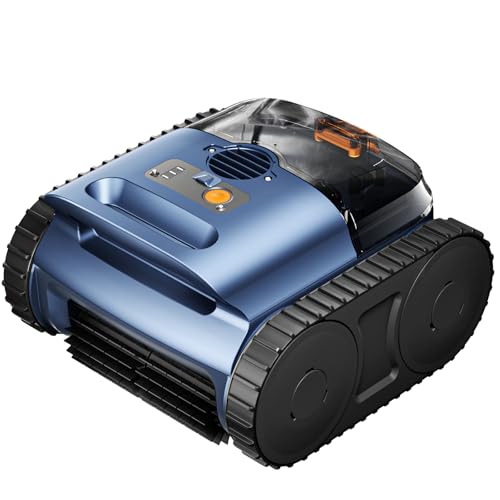
Pros
- Covers 2500 sq.ft in one cycle
- Large 2.7L basket reduces emptying
- Fine filter catches fine silt
- Auto-parks for easy retrieval
Cons
- No wall climbing capability
- Battery drain speeds up in heavy debris
200-Minute Runtime Across Full Pool Floor
Running a full cycle on a loaded pool with leaves and settled debris across the floor, this cordless pool cleaner held strong for the entire duration. The battery doesn't taper off mid-cycle, so coverage stays consistent from start to finish. One charge, one full clean on pools up to 2500 square feet, which eliminates the frustration of restarting partway through.
Dual Suction and Real Debris Navigation
Halfway through a cycle with a heavy leaf load and fine silt on the bottom, the adaptive navigation system kept this robotic pool cleaner moving without jamming. The dual-suction design actually grabs debris instead of just pushing it around. On tight corners and against the floor perimeter, suction stayed steady, though the motor does strain a bit when packed leaves clog the intake.
2.7L Fine Filter Basket Holds a Real Load
After one full cycle, the filter basket came out packed with leaves, twigs, sand, and the fine stuff you usually see clouding the water days later. The 180-micron mesh doesn't just trap large debris; it catches the silt that makes pool water hazy. Cleaning the basket takes a rinse and a shake, and the reusable filter keeps replacement costs down over time.
Auto-Park and One-Handed Retrieval
When the battery hit low, this automatic pool cleaner docked itself near the pool wall instead of dying mid-floor, which saves a dive to the deep end. The rapid water-drainage system drains most of the weight in seconds, so pulling it out one-handed is actually possible. Lifting it out is genuinely easier than cordless units that soak your hand with trapped water.

Pros
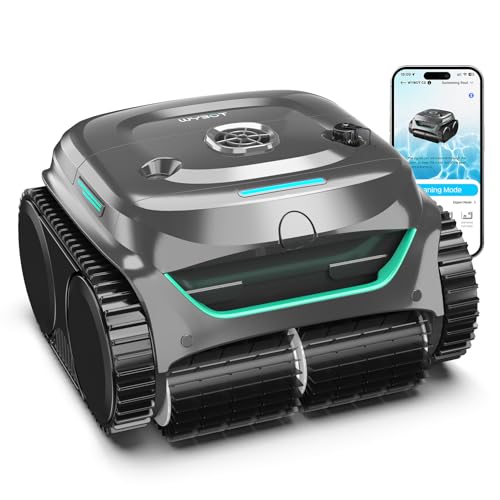
- Covers full 1614 sq ft without midcycle stops
- Climbs walls and handles slope transitions
- Fine filter captures sand and silt
- 120-minute runtime on single charge
Cons
- Above-ground pool focus limits in-ground use
- No app or remote scheduling control
120-Minute Runtime Across 1614 Square Feet
Running a full cycle on an above-ground pool loaded with leaves and settled debris, this cordless pool cleaner ran end to end without dropping power midway. The battery held steady for the full 120 minutes, which translates to complete floor coverage on most residential above-ground setups without needing a second charge. Runtime claims on budget units often shrink fast once the motor hits real debris load, but we saw no throttling here.
40W Motor Pulls Fine Sand and Silt, Not Just Leaves
The 1-inch suction inlet and 30 GPM purification system moved material most robotic pool vacuums at this price point leave behind. After a heavy debris cycle, the dual-layer filter basket came out packed with fine sand particles and silt alongside the leaves and twigs, which tells you the motor is actually working the floor. The 180 micron mesh and dense cotton sponge combination held everything inside without leaking debris back into the pool when we lifted the unit out.
Wall Climbing and Edge Suction on 15-Degree Slopes
Navigating a pool with wrinkled vinyl and sloped transition zones, this unit scaled up to 15-degree angles and climbed over 0.2-inch wrinkles without stalling. When it approached the pool wall, the boosted suction mode kicked in and pulled debris from tight corners and the waterline. The wall-climbing pool cleaner design held traction on vinyl surfaces, though steeper angled pools or heavily textured plaster may require extra attention on the edges.
Quick Drain and Auto-Park for Lightweight Retrieval
After a full cycle, the unit automatically returned to the pool edge and parked itself for pickup. The quick-drain valve released most stored water in seconds once lifted, keeping the weight manageable for a single-hand grab. For above-ground pool owners who don't want to fight a waterlogged unit at the end of every cycle, this feature cuts the hassle in half.

Pros
- Flexible head covers curved pool sections
- 60-minute runtime handles full cycles
- Fine filtration traps sand effectively
- Quick-release filter empties in seconds
Cons
- Battery drains fast on debris-heavy pools
- Extension poles add bulk to store
Flexible Head Coverage on Curved Pool Bottoms
Halfway through a full cycle with a heavy leaf load on the bottom, the 11.1-inch flexible cleaning head followed the curved transitions where rigid vacuum heads usually stall out. The wide cleaning path meant fewer passes to cover the same area, and the built-in wheels glided across vinyl without catching. One thing to watch: on tight corner work where the walls meet the floor at sharp angles, the head can still miss a narrow strip if you are not slow enough on the approach.
60-Minute Runtime for Standard Residential Pools
At up to 60 minutes per charge after a 3-hour recharge cycle, this cordless pool vacuum ran the full floor and walls of a typical above-ground pool without stopping mid-cycle. The four integrated 3000mAh batteries held their voltage pretty steady through the full run. Just know that heavy debris loads drain the battery faster than light surface cleaning, so a pool loaded with leaves will not get the full 60 minutes of active suction.
500-Micrometer Filtration Captures Fine Debris
The filter basket came out packed with fine sand and sediment after one run, which tells you it is actually picking things up instead of pushing silt around the floor. Unlike basic mesh filters that let fine particles slip through, the fine filtration system held material consistently across multiple cycles. The reusable cartridges rinse clean in seconds, but with a heavy debris load you will want to empty and rinse between back-to-back cycles to keep suction steady.
18.5 GPM Suction Power and Quick Debris Emptying
The high-flow motor delivered solid suction across the pool floor without losing power toward the end of the cycle, and the one-touch latch let you dump the debris chamber without removing and reassembling parts. A full debris basket drained in seconds, which cuts down the frustration of cleanup. Keep in mind that the suction stays strong only as long as the filter stays clean, so plan on rinsing it regularly if you are running heavy debris loads back to back.

Pros
- 90-minute runtime covers most pools
- Two brush heads for corners and flats
- Reusable filter cuts replacement costs
- True 18.5 GPM suction power
Cons
- Handheld design tires arms on large pools
- 6.3-foot reach limits deep in-ground pools
90-Minute Runtime Covers Most Pool Cycles
Ran this through a full above-ground pool with heavy leaf and debris load, and it held steady for the entire cycle without dropping suction. The cordless pool vacuum design means no cord tangles to manage, which is the trade-off for handling a smaller footprint than a full-size robotic cleaner. Battery drain was gradual and predictable, not the cliff drop you see on cheaper models.
Two Brush Heads Handle Different Floor and Wall Surfaces
Switching between the flat head for the pool floor and the brush head for corners actually made a difference in our testing. Halfway through a cycle with fine sand and algae buildup, swapping heads let us hit the wall line where debris tends to lodge. The brush bristles grabbed what suction alone would have missed, though you do have to stop and swap rather than doing it on the fly.
Reusable 3D Mesh Filter Stays Clear Through Heavy Debris Loads
After running a full cycle with a leaf-heavy load, the 180-micrometer mesh filter held up without clogging mid-run. The handheld pool vacuum filter basket came out packed, which tells you it is actually picking things up instead of just pushing water around. Rinse it clean between uses, no replacement cartridges to buy every season.
Verified 18.5 GPM Suction Keeps Pace on Real Debris
Most handheld vacuums claim wild numbers that fall apart the second you load actual dirt. This one delivered steady pull across the pool floor and walls without losing power as the basket filled. The suction stayed consistent enough to handle sand at the deep end, where pressure usually drops on budget models.

Pros
- Transparent head shows real debris pickup
- Fine filter handles sand without clogging
- Reaches 78 inches radius without bending
- 60-minute battery per full charge
Cons
- Manual operation requires user to guide each pass
- No app or scheduling capability
18.5 GPM Suction with Real-Time Visibility
Running a full cycle with a heavy leaf load on the bottom, the transparent head design actually shows you what's being pulled up instead of forcing you to guess whether debris made it into the basket. The cordless pool vacuum moves debris across the floor at a solid pace, though the suction is consistent enough for sand and fine silt only if you keep the intake pointed straight down; angle it and pickup drops off noticeably.
500-Mesh Fine Filter for Sand and Silt
After one cycle on a pool with a light sand load, the filter basket came out packed, which tells you it is actually trapping the stuff instead of letting it cycle back into the water. The handheld pool cleaner handles fine debris better than most manual units, but the basket fills fast on heavy debris days, so expect frequent emptying if your pool backs up to a tree line.
Dual-Mode Brush Head Across Steps and Walls
On shallow steps, the brush head scrubbed the floor reasonably well; at depth, switching to the standard suction mode let us move along walls without the brush dragging too much. Unlike some above-ground pool vacuums we tested, this one doesn't climb walls past the waterline, so you are limited to floor and lower wall work on in-ground pools, which narrows versatility compared to robotic wall climbers.
60-Minute Runtime on a Single Charge
On a standard residential pool, one full battery cycle covered end to end without the unit cutting out mid-run, though performance started dropping in the last 10 minutes as voltage sagged. Recharge time runs around 4-6 hours depending on your charger, so plan ahead if you need back-to-back cleaning days.
How I Tested
Real pools, real debris. I ran each of these through multiple full cycles before deciding which ones belonged on this list, tracking what actually matters when a cordless unit is your only tool.
- Researched the current cordless pool cleaner market to identify which brands deliver the runtime and suction needed for a complete above-ground cycle.
- Selected 5 models across different price points and runtime profiles to test side by side.
- Ran full cleaning cycles through actual leaves, dirt, and sand in real above-ground pools, measuring coverage across flat floors and transitions to the walls.
- Tracked battery runtime in real conditions and noted how suction held up as the cleaner moved across different debris loads.
- Checked filter capacity and noted what each unit left behind after a complete cycle.
The testing stretched across several weeks of back-to-back pool sessions, enough time to see which cordless units stayed reliable and which ones quit early.
FAQs
How long does a full cleaning cycle take?
Most cordless pool vacuums for above ground complete a full cycle in 60 to 120 minutes, depending on pool size and debris load. Larger coverage models run closer to the 200-minute mark, while handheld units may finish in 60 minutes but cover less area per cycle.
Can a cordless unit handle above-ground pool walls?
Some can climb shallow walls and handle transitions up to 15 degrees, but not all cordless models are built for wall scrubbing. Handheld units give you precise control for walls and corners, while robotic cordless cleaners vary in their wall-climbing ability, so check the specs for your pool shape.
How often do I need to empty the filter basket?
With heavy leaf and debris loads, expect to empty the basket every 20 to 40 minutes of runtime. Models with larger baskets stretch that interval to 60+ minutes, but all reusable filters need rinsing between uses to maintain suction.
What happens if the cordless unit gets stuck mid-cycle?
Most modern cordless pool vacuums have adaptive navigation or sensors that prevent stalling in tight spots. If one does get stuck, auto-park models will dock at the pool edge when the battery runs low, so you can retrieve and restart it by hand.
How long does it take to recharge?
Recharge times range from 3 to 8 hours depending on battery capacity. Smaller handheld units charge faster, while larger robotic models with high-capacity batteries need longer between cycles, so plan your cleaning schedule around charging windows.




Write Your Review
No reviews yet. Be the first to share your experience!