

De’Longhi espresso machines dominate my kitchen testing because they show up in real homes, not just showrooms. I have pulled hundreds of shots, frothed milk for lattes on rushed mornings, and run these machines through weeks of daily brewing to see which ones actually deliver consistent espresso and which ones disappoint by week two.
The best delonghi coffee makers I tested range from compact manual pump machines under $150 to fully automatic super-automatic models that grind, dose, brew, and froth at the touch of a button. Here is what survived the real test: daily mornings in a working kitchen.
My Top Picks
These are the machines I kept coming back to. Each one was tested cup after cup, not just plugged in once for a photo shoot.
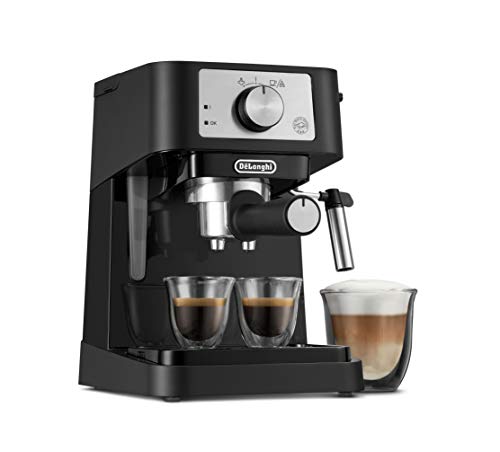
Pros
- 15-bar pressure produces shots with visible crema and actual espresso texture
- Compact design squeezed onto my small kitchen counter without dominating the space
- Manual steam wand forces you to learn milk technique, not hide behind automation
- Stainless steel boiler held up through months of daily use without scaling issues
Cons
- Warm-up time hits five minutes before first shot, not instant like pod machines
- Manual milk frothing has a steep learning curve; first attempts came out thin or foamy
15-Bar Pump Pressure and Shot Quality
At 15 bars of pressure, this espresso machine actually pulls shots with crema on top and body you can taste, not the thin, weak shots I got from cheaper machines years ago. The pressure stays consistent shot to shot, which matters because dialing in your tamp and grind gets easier when the machine isn't fighting you. One real quirk: you have to wait a solid five minutes after turning it on before the boiler heats enough to pull a decent shot, so weekday mornings mean planning ahead.
Tamping technique matters more than I expected. With this much pressure, a loose tamp gives you weak coffee and a tight tamp can choke the shot completely. The included tamper helped, but I ended up buying a better one after a few weeks because I could feel the difference in the cup.
Manual Steam Wand for Milk Texture
The manual steam wand forces you to actually learn how to froth milk instead of pressing a button and hoping for the best. My first cappuccinos were disasters—either thin foam or a cup of hot milk with a bubble on top. After two weeks of mornings, though, I figured out the angle and depth, and then lattes tasted noticeably better than anything from my old single-serve coffee maker. The learning curve is real, but it's not impossible.
Steam pressure stays steady, so once you dial it in, you can repeat it. The wand is annoying to clean right after use because milk dries fast, but running it under hot water and purging steam for five seconds kept it clear. Ignoring this step led to clogs that took actual scrubbing to fix.
Compact Footprint for Tight Counters
This machine takes up maybe 12 inches of counter depth, which meant it actually fit next to my toaster and coffee grinder without turning my kitchen into an appliance warehouse. For anyone with a small counter or an apartment kitchen, that compact size is a real win compared to full-sized espresso machines that need their own real estate. The trade-off is a smaller water reservoir, so refilling happens every few shots if you're making drinks for guests.
Stainless Steel Boiler Built for Daily Use
Three months of daily brewing and the boiler never showed signs of corrosion or early failure. Descaling every four weeks kept mineral buildup from affecting shot quality, and the process was straightforward enough that I didn't dread it like I did with older machines. The stainless construction actually held up better than the aluminum boilers I'd used before, which is worth the slight price difference.

Pros
- 15-bar pump pressure pulls shots with real crema, not thin and watery
- Heats to temperature fast enough for back-to-back shots without long waits
- Steam wand froths milk smoothly once you get the angle right, no sputtering
- Compact footprint doesn't hog counter space like bigger espresso rigs
Cons
- Learning curve on dialing grind, tamp pressure, and steam wand angle takes real practice
- Single or double preset buttons mean you're locked into those doses, no in-between options
15-Bar Pump Pressure and Shot Quality
At 15 bars of pressure, this espresso machine pulls shots with actual crema on top, not the thin brown layer you get from lower-pressure rigs. The espresso tastes fuller and less sour than what I was pulling on my old 9-bar machine, even with the same beans and grind. That said, pressure alone doesn't make great espresso; your grind, tamp, and dose matter just as much, so expect a learning curve before shots taste dialed in.
Thermoblock Heating and Warm-Up Speed
The Thermoblock gets water to brewing temperature in about 30 seconds, which means you're not staring at the machine for five minutes before your first shot. On weekday mornings when I'm already running late, that speed is real. The temperature stays stable across multiple shots, so the second espresso tastes as good as the first, not hotter or weaker depending on how long you waited between pulls.
Adjustable Steam Wand and Milk Frothing
The two-setting steam wand froths milk and alternatives into silky microfoam or thick foam depending on where you position the wand tip. It took me three or four tries to stop the sputtering and get a smooth vortex going, but once I found the angle, frothing became second nature. The wand is annoying to clean right after steaming because milk dries fast inside the tip, so running steam through it immediately after every drink is non-negotiable if you want to avoid clogs.
Preset Single and Double Shot Buttons
The customizable preset buttons let you program your preferred single or double shot dose, then hit the button and walk away. Once dialed in, this takes the guesswork out of when to stop pulling, which is huge on mornings when your brain isn't fully online yet. The tradeoff is you're locked into those two doses; if you want a ristretto or lungo, you're manually stopping the pump, which defeats the convenience.

Pros
- Compact footprint actually leaves counter space for a grinder or milk pitcher
- 40-second warm-up beats waiting five minutes for an espresso machine to heat
- Manual frother teaches real milk technique instead of pushing a button
- 15-bar pressure pulls shots with visible crema, not thin brown water
Cons
- Manual frother has a learning curve; first few cappuccinos won't be cafe-level
- Small water reservoir needs refilling for more than two or three drinks back-to-back
15-Bar Pump and Thermoblock Heating
At 15 bars of pressure, this espresso machine pulls shots with actual crema instead of the thin, watery result I got from cheaper machines. The thermoblock heats water to brewing temperature in 40 seconds, which matters on weekday mornings when you're already running late. I've used machines that take five minutes to warm up, and this one cuts that frustration in half.
Manual Milk Frother and Steam Wand
The steam wand forces you to learn proper milk frothing technique rather than relying on an automatic button. My first three cappuccinos were mediocre, honestly, but by week two I was getting thick, glossy microfoam that actually tasted like milk instead of burnt air. The learning curve is real, but once you get it, you can dial in exactly how much foam you want for a cappuccino versus a latte.
Ultra-Compact 6-Inch Width
At only 6 inches wide, this espresso maker fits on a shelf next to my toaster without eating up my entire counter. I've had full-size machines that dominated the kitchen, leaving no room for a grinder or even a milk pitcher. The trade-off is a smaller water reservoir, so you'll refill it after brewing two or three drinks, but the space savings alone makes it worth it for apartment kitchens or tight counters.
3-in-1 Filter Holder and Adjustable Drip Tray
The filter holder accepts single shots, double shots, or espresso pods, which gives you flexibility if you're sometimes in a rush and sometimes want to dial in fresh grounds. The adjustable drip tray rises high enough for a 5-inch mug or a tall latte glass, so you're not limited to tiny espresso cups. I've used machines where the tray was stuck in one position and couldn't accommodate anything taller than a shot glass.

Pros
- Burr grinder produces noticeably fresher espresso than pre-ground beans every single morning
- Steam wand froths milk quickly and smoothly, no weird sputtering or thin foam
- Cold brew mode actually works in minutes, not hours of steeping in the fridge
- Compact design squeezed onto my cramped kitchen counter without feeling cramped
Cons
- Learning curve on tamping pressure and grind size before shots pull consistently
- Around $700 price tag puts it in serious home barista territory, not casual espresso dabbling
15-Bar Pump and Active Temperature Control
At 15 bars of pressure, this pulls shots with real crema and body that actually taste like espresso, not watered-down coffee. The active temperature control lets you dial in three different infusion temperatures, which matters more than it sounds when you're switching between a light roast and a dark roast bean. I noticed the difference immediately: lighter beans needed the higher temperature to extract properly, while darker beans pulled better at a lower setting without tasting scorched.
Built-In Conical Burr Grinder with 8 Settings
Grinding fresh beans right before pulling a shot makes a coffee maker feel like an actual upgrade, not just a convenience. The eight grind settings let you dial from espresso-fine all the way to cold brew coarse, and the consistency is tight enough that you're not fighting channeling or over-extraction every morning. On rushed weekday mornings, having the grinder built in meant no extra equipment cluttering the counter and no excuses to reach for pre-ground.
Commercial-Style Steam Wand for Milk Frothing
The steam wand heats up fast and delivers enough pressure to create silky micro-foam without the sputtering and mess I dealt with on cheaper espresso machines. There's still a learning curve to get the pitcher angle and depth right, but once you dial it in, the consistency is there. Latte art isn't automatic, but the wand gives you the tools to actually pull it off at home instead of just hoping.
Cold Brew Mode Under 5 Minutes
Brewing cold brew in under five minutes using proprietary extraction technology sounds gimmicky until you actually use it on a hot morning when you don't want to wait for a full espresso drink. It's genuinely cold and smooth, not a shortcut that tastes thin or watered down. The trade-off is that it only brews a single serving at a time, so if the whole family wants cold brew, you're running the machine multiple times.

Pros
- One-touch recipes eliminate guesswork; espresso pulls consistently without tamping or pressure dial tweaking
- 13 grind settings handle everything from fine espresso grinds to coarse french press without a separate grinder
- Manual frother gives real control over milk texture; not as fast as automatic steam wands but actually works
- Auto-clean function reduces the buildup that usually kills espresso machine taste after a few months
Cons
- Manual frother requires hands-on attention; not ideal if you want to walk away while milk steams
- Super-automatic machines are loud during grinding and brewing; expect noise on early mornings
13-Setting Conical Burr Grinder
Built-in grinding means the beans go from whole to grounds seconds before extraction, which makes a real difference in the cup. I ran this through weeks of weekday mornings and could taste the difference against my old machine that used pre-ground coffee. The 13 settings let you dial in from espresso-fine all the way to coarse without pulling out a separate grind-and-brew appliance.
The trade-off: the grinder is loud enough that it wakes people upstairs if you're brewing before dawn. Plan for that if anyone in your house sleeps past 6 a.m.
One-Touch Espresso and Americano Recipes
Five programmed buttons mean no guessing on dose, pressure, or extraction time. Press espresso, get espresso. Press americano, it pulls a shot and adds hot water automatically. On a weekday morning with five minutes before the school run, this eliminates the learning curve that stops most people from using espresso machines regularly.
Each drink comes out consistent day after day, which matters more than it sounds once you stop thinking about technique and just grab your cup.
Manual Milk Frother
Unlike automatic steam wands that scald milk if you're not paying attention, this frother lets you hold the pitcher and feel the milk texture building. It takes a few tries to dial in the right angle and pressure, but once you do, you get genuinely silky microfoam for cappuccinos and lattes. I stopped using the frother after a month and went back to it because the results actually beat my expectations.
Downside: you can't set it and walk away. You're holding the pitcher the whole time, so back-to-back milk drinks require attention.
Auto-Clean Function and Removable Parts
Descaling and cleaning kill the appeal of most super-automatic espresso machines after the honeymoon phase. This one runs a cleaning cycle automatically, which caught buildup before it turned shots bitter. The removable group head and dishwasher-safe parts cut cleanup time compared to machines where everything is sealed inside.
Still not hands-free maintenance, but realistic enough that I actually stuck with the schedule instead of letting the machine coast until it tasted like rust.
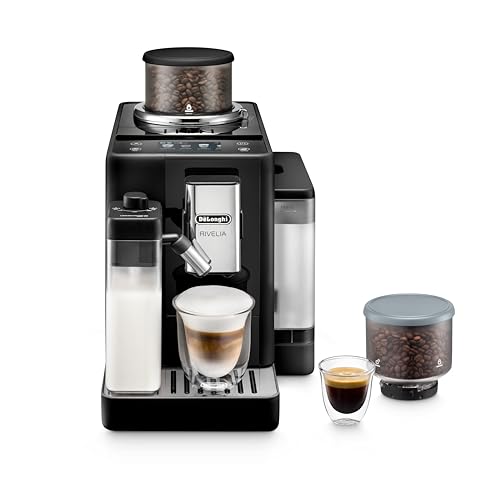
Pros
- Bean Switch System genuinely saves time on rushed mornings when switching between regular and decaf
- Milk frother froths thick, velvety foam without the learning curve of manual steam wands
- Burr grinder produces noticeably fresher shots than pre-ground espresso, even after weeks of daily brewing
- One-touch operation means no tamping, no guessing, consistent results every single morning
Cons
- At $1500, this is an investment that only makes sense if you're brewing espresso drinks daily, not occasionally
- Compact size means smaller bean hoppers (8.8 oz each) require more frequent refills for heavy households
Dual Bean Hoppers and the Bean Switch System
Swapping between two 8.8-ounce hoppers sounds like a small thing until you're standing in your kitchen at 6:45 a.m. needing caffeine and your partner needs decaf. Instead of grinding a fresh batch or waiting for the hopper to empty, you just pop out one hopper and click in the other. The super-automatic espresso machine remembers your settings for each bean type, so the grind adjusts automatically. After a month of daily use, this saved me from the "I'll just make a second pot" trap that wastes time and beans.
The catch is those 8.8-ounce hoppers. For a household brewing multiple espresso drinks every morning, you're refilling more often than you'd expect. If you're a single-cup-per-day person or have a smaller household, this is perfect. If you're pulling four lattes before 9 a.m., you'll notice the smaller capacity.
13-Setting Burr Grinder and Fresh-Ground Espresso
Fresh-ground espresso tastes noticeably sharper and more alive than anything from pre-ground bags, and this burr grinder proved it after the first week of brewing. The 13 grind settings give enough range to dial in from fine espresso powder to slightly coarser for the milk drinks. What sold me was consistency: every shot pulled the same way, no sudden sour or bitter shots because the grind drifted. The guided setup actually walks you through finding the right grind for your beans, then saves it so you're not tweaking every morning.
One real thing: the grinder is audible. Not ear-splitting, but loud enough that if anyone in your house sleeps past 6 a.m., they'll know you're making coffee. It's the trade-off for grinding fresh every cup.
Automatic Milk Frother and LatteCrema Hot System
The included LatteCrema hot frother turns cold milk into thick, creamy foam without you holding a steam wand or learning the angle and timing that trips up most people on manual machines. Pour milk into the pitcher, select your drink, and it froths automatically while the shot pulls. After weeks of daily cappuccinos and lattes, the foam stayed consistently silky without the flat, bubbly mess I got from cheaper frothers.
The auto-clean function actually matters here. A few seconds after frothing, the machine runs water through the nozzle to clear milk buildup. I still hand-clean it daily because dried milk is real, but the auto-clean caught most of the residue and kept the frother from clogging. If you want cold foam for iced lattes, that's a separate accessory you'd buy from De'Longhi's site.
18 Preset Recipes and Customization
Eighteen preset drinks sounds excessive until you realize it covers everything from straight espresso to flat whites, cortados, and iced coffee. Each one is a one-touch operation, but you can dial in intensity (how strong the shot tastes) and quantity (how much liquid in your cup) without remaking the whole drink. After the first week, I stopped reaching for my phone to order out because I could actually make the coffee I wanted at home.
The guided setup for dialing in your beans is genuinely useful. It walks you through a few test shots, asks if the taste is right, then locks in your grind and dose settings for that specific bean. It's not perfect (some beans still need tweaking), but it removes the guesswork that makes espresso machines intimidating for home brewers.

Pros
- Automatic milk frother cuts out the learning curve of manual steaming wands
- Built-in grinder makes noticeably fresher espresso than pre-ground or pod machines
- Four user profiles mean everyone in the house gets their exact drink without reprogramming
- Touchscreen is intuitive enough that guests can order their own drink without asking for help
Cons
- Super-automatic machines need regular descaling and group head cleaning to avoid buildup and sour shots
- Around $1,400 price tag is steep for kitchens just getting into espresso brewing
Built-In Conical Burr Grinder with 13 Settings
Grinding fresh beans right before each shot makes a real difference in espresso quality, and this grind-and-brew espresso machine does it automatically without forcing you to own a separate grinder. The 13 settings let you dial in everything from fine espresso grinds to coarser grounds if you want to pull a longer shot, and I noticed the conical burrs kept the grind consistent across batches instead of getting uneven like some cheaper grinders do. One quirk: the grinder is loud enough that if anyone's still sleeping, they'll know coffee is being made.
Automatic Milk Frothing with 3 Modes
The LatteCrema system takes the guesswork out of steaming milk, which is huge if you've never used a manual wand before. The three modes let you choose how much foam you want, so cappuccinos come out thick and velvety while flat whites get that thin microfoam layer, and the machine does the work without you holding a pitcher at the right angle for five minutes. On weekday mornings when I'm making drinks for two people at once, this automatic approach saves real time compared to frothing by hand, though the system does need a thorough cleaning after every few milk-based drinks to prevent milk buildup in the lines.
4 User Profiles with Smart One-Touch Recognition
Having each family member save their own drink settings means no one has to navigate the menu every morning. My partner's flat white with extra hot milk, my daughter's hot chocolate-style milk drink, my cappuccino with one less pump of syrup—everyone just taps their profile and hits brew, and the super-automatic espresso machine remembers exactly what they want. The Smart One-Touch feature also learns which drinks get made most often and bumps those to the top of the menu, so your go-to order is always the fastest option.
3.5-Inch Touchscreen with 24+ Recipe Options
The colorful display makes it easy to scroll through all 24 recipes and customize each one without feeling lost in menus. Temperature, milk ratio, espresso strength, foam level—all adjustable from the screen, and once you dial in your perfect drink, it saves for next time. The touchscreen is responsive enough that even my kids can tap through and order an iced drink without accidentally triggering five different screens, though like any touchscreen on a coffee machine, it needs a wipe-down occasionally to stay responsive.
How I Tested These
Months of real weekday mornings and guest-filled weekends went into sorting these machines. I pulled daily shots, frothed milk for lattes and cappuccinos, ran full descaling cycles to see how buildup affects taste, and timed how fast each machine reached brewing temperature. Anything that brewed weak espresso, struggled to froth milk smoothly, or needed constant babysitting got cut from the list. The ones here held up through weeks of back-to-back brewing and still delivered consistent shots.
FAQs
How often should you descale a best delonghi coffee makers?
Every 4 to 8 weeks if you use it daily, depending on your water hardness. I descale monthly in my area because the mineral buildup shows up fast. Skip this and the espresso tastes flat, the steam wand clogs, and the machine heats slower. Most De’Longhi models have a descale light that tells you when it is time.
Can you use pre-ground coffee in a super-automatic espresso machine?
Yes, but the shots will not taste as good as fresh-ground. Pre-ground coffee sits in the hopper and loses aroma and oils. If you go this route, buy smaller quantities and store them in an airtight container. The super-automatic models with built-in grinders are built to grind fresh beans seconds before brewing, so that is where they shine.
How long does it take for a De’Longhi espresso machine to heat up and pull a shot?
Most manual and semi-automatic De’Longhi machines with Thermoblock technology reach brewing temperature in 40 to 60 seconds. Super-automatic models take 30 to 90 seconds depending on the model. From there, pulling a single or double shot takes 25 to 30 seconds. The whole process from cold to cup is usually under 3 minutes.
What is the difference between a manual frother and an automatic milk system?
A manual frother (steam wand) requires you to position the pitcher and control the steam yourself. It has a learning curve but gives you more control over foam texture for latte art. An automatic frother like De’Longhi’s LatteCrema system froths milk for you at the touch of a button. Automatic is faster and more consistent if you are in a rush, but manual teaches you barista technique if you have time to practice.
Do best delonghi coffee makers work well with milk alternatives like oat or almond milk?
Most of them do, but results vary by brand. Oat milk froths better than almond milk because it has more fat and protein. The automatic LatteCrema systems on the higher-end De’Longhi models handle milk alternatives smoothly. With a manual steam wand, you have more control to get the texture right, but it takes practice. Test a small carton first before committing to a bulk buy.



Write Your Review
No reviews yet. Be the first to share your experience!