

The best coffee makers easy to use get out of your way on a rushed weekday morning. I have owned machines that required a manual, ones that brewed weak coffee no matter what I did, and ones that left the carafe lukewarm by 10am. The ones on this list do one thing well: they brew good coffee without fussing.
Whether you want a simple drip maker, a compact espresso machine, or something that handles both single cups and a full carafe, simplicity matters more than features you will never use. I tested each one through weeks of real mornings to find the machines that actually deliver.
My Top Picks
These are the ones that earned a spot after months of actual daily mornings, not one test pot in a showroom.

Pros
- Brews concentrated espresso without electricity or batteries on any stovetop
- Compact size fits easily in backpacks, RVs, and tiny apartment kitchens
- Cast aluminum holds up through months of daily brewing without degradation
- Safety valve prevents over-pressurization and makes operation straightforward
Cons
- 2-cup capacity means single-serve or small household only before refilling
- Requires hand-washing and careful assembly to maintain brewing consistency
120ml Capacity for Solo Mornings and Pairs
Two cups sounds small until you actually brew with it. This stovetop espresso maker pulls a concentrated shot that stretches further than it looks, especially if you're cutting it with hot water or milk. For one person or a couple sharing a morning brew, the 120ml size hits the sweet spot without wasting counter real estate.
The trade-off is obvious: if your household runs three or more coffee drinkers, you're refilling mid-morning. No way around that with a moka pot this size.
Cast Aluminum Build for Repeated Daily Heat
After months of stovetop heating, the aluminum body stays solid. No warping, no leaks at the seams, and the threads on the top and bottom chamber hold tight through dozens of assembly cycles. The cool-touch handle actually stays cool enough to grab without thinking, which matters when you're half-asleep waiting for the brew.
The safety valve does its job quietly. You hear the coffee start to rise, not an angry hiss that wakes the whole house.
Works Anywhere: Gas, Electric, Ceramic, Propane
Tested this on a ceramic cooktop at home and a propane burner while camping. No finicky behavior either way. A camping coffee maker that actually works on propane is the real win here, since most drip machines need a power source. For road trips or cabin mornings, this pulls its weight.
Heat distribution is even enough that you don't have to baby the flame. Medium heat does the job without scorching the bottom chamber.
Hand-Wash Only: A Real Limitation, Not Marketing
The instruction about preserving coffee oils makes sense in theory, but in practice it means no dishwasher shortcut. After brewing, you're rinsing three pieces by hand and drying them before reassembly. Soap residue does affect the next brew's flavor if you're not careful, so this isn't just a suggestion.
If you're the type who throws everything in the dishwasher and moves on, this espresso maker requires a different routine. It's not hard, just intentional.

Pros
- 12-cup capacity covered the whole house without a second brew cycle
- Non-drip spout actually worked; no dribbles on the counter or stovetop
- Vortex showerhead brewed noticeably fuller flavor than basic flat-spray machines
- Sneak-a-Cup let me grab a cup without waiting for the full pot
Cons
- Hot plate keeps coffee warm but turns bitter after about an hour of sitting
- Carafe is glass, not thermal; coffee cools faster than I'd prefer for afternoon cups
12-Cup Carafe for a Full Household
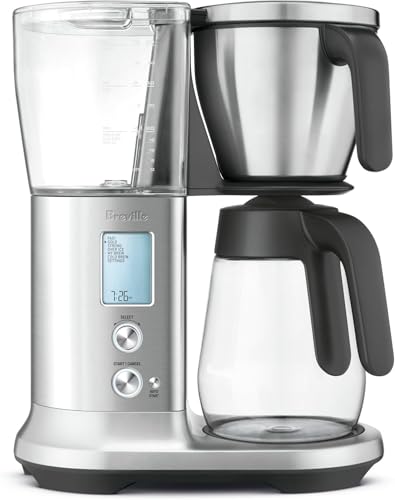
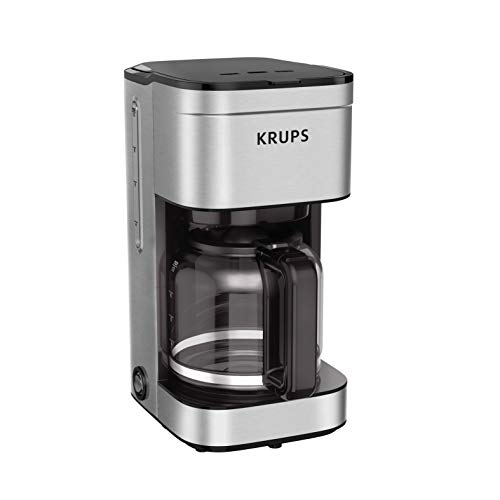
On a weekday morning with five minutes before the school run, this 12-cup coffee maker meant I could brew once and cover the whole kitchen without firing up a second pot. The carafe holds enough for me, my partner grabbing a travel mug, and a guest who stops by without anyone waiting around for a refill.
That said, the glass carafe cools faster than a thermal carafe would. By mid-morning, coffee that's been sitting is noticeably cooler, though the heated plate keeps it warm enough to drink if you pour within the first hour or so.
Vortex Showerhead and Ground Saturation
The exclusive showerhead design actually made a difference in the cup. Instead of water trickling down one side of the grounds like cheaper drip coffee makers do, the Vortex sprays evenly across the filter basket, pulling more flavor from the coffee. The brew came out richer and more balanced than machines I've used before that left dry spots in the grounds.
Consistency was solid across multiple brews, which matters when you're running on a schedule and need your morning coffee to taste the same way every day.
Sneak-a-Cup Feature and Timing
The Sneak-a-Cup pause function stopped the flow long enough to grab a first cup without making a mess, but you have to remember to put the carafe back on the hot plate within 30 seconds or it overflows. It's not a huge deal once you get the rhythm, but it's not something you can ignore while you're making toast.
For mornings when you absolutely need coffee before the pot finishes, this saved me from waiting those last few minutes while the machine dripped.
Non-Drip Spout and Easy Pour
The no-drip spout actually lived up to its name. Pouring from this carafe didn't leave dribbles running down the side onto the counter or stovetop like it does with basic coffee maker designs. It's a small thing, but on a rushed morning, not wiping up spills makes a real difference in how smoothly the routine goes.

Pros
- Compact footprint actually fits small kitchens without sacrificing counter real estate
- Touchscreen memory means your go-to shot settings load with one button
- Steam wand froths milk smoothly once you dial in the angle and depth
- Self-cleaning cycle handles most buildup without running descaling solution constantly
Cons
- 41oz tank runs out quickly if you're brewing back-to-back cups for guests
- Espresso machines need 30-45 seconds warm-up time, not instant like drip brewers
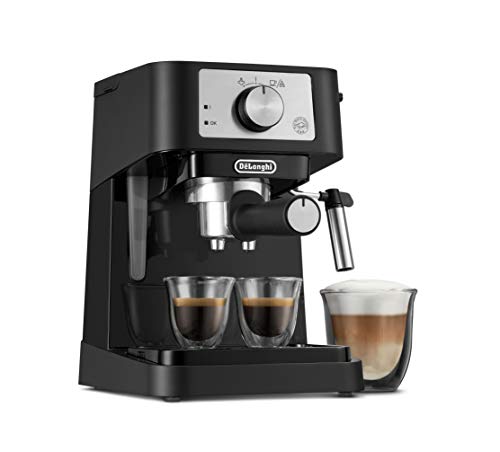
20-Bar Pressure and Shot Quality
At 20 bars, this espresso machine pulls shots with a visible crema layer and real body, which is the whole point of stepping up from drip coffee. The 1350W boiler heats fast enough that you're not staring at the machine for five minutes before pulling your first shot. That said, pressure alone doesn't guarantee a perfect cup; grind size and tamping still matter, so expect a small learning curve if you've never pulled espresso before.
Adjustable Steam Wand for Milk Frothing
The steam wand froths milk into something closer to what you'd get at a café than the sad foam from a basic frother. Getting consistent microfoam takes practice (angle, depth, and speed all matter), but once you find your rhythm, cappuccinos and lattes come out smooth. The adjustable design lets you dial in what works for your technique instead of fighting a fixed wand.
LED Touchscreen with Memory Function
One-touch operation and memory settings mean your favorite espresso shot settings save automatically, so rushed weekday mornings don't require thinking through every parameter. The self-cleaning mode runs a cycle that clears most residue from the group head without you manually backflushing for ten minutes. It won't replace a deep descale every few months, but it keeps daily maintenance from piling up.
41oz Tank and Compact Footprint
The removable water tank refills easily and the small stainless steel body actually fits on a crowded counter without pushing everything else to the edge. The 41oz capacity covers one or two people comfortably, but if you're brewing for guests or a household that drinks multiple shots back-to-back, you'll be refilling between rounds. The drip tray empties without drama and doesn't require constant attention.

Pros
- 12-cup carafe covered the whole house without a second brew cycle
- Sneak-A-Cup actually works; grabbed coffee mid-brew without the mess
- Programmable timer meant fresh coffee waiting on busy school mornings
- Washable filter saved money and reduced paper waste over months of use
Cons
- Hot plate keeps coffee warm but it turns bitter after about an hour
- Basic glass carafe cools faster than a thermal carafe would
12-Cup Carafe for a Full Household
On a weekday morning with five kids grabbing cereal and the school bus in 20 minutes, this 12-cup coffee maker actually covered everyone without me standing at the counter running a second brew cycle. The carafe holds enough to pour for myself, my partner, and still have a cup waiting for whoever comes back for seconds. The glass is sturdy enough that it doesn't feel like it'll shatter the first time someone sets it down hard, and the measurement markings make it easy to fill the right amount of water without guessing.
Sneak-A-Cup Feature That Actually Prevents Drips
Most drip machines that claim to let you grab a cup mid-brew still leak all over the hot plate if you pull the carafe too early. This one's Sneak-A-Cup feature temporarily stops the flow, and it genuinely works. I've poured my first cup at the halfway mark on dozens of mornings without a single drip running down the cabinet. For anyone who can't wait for the full pot to finish, this is the real deal and saves frustration on rushed mornings.
24-Hour Programmable Timer for Wake-Up Coffee
Setting this programmable coffee maker to brew at 6:30 AM meant walking downstairs to fresh, hot coffee already waiting instead of fumbling with buttons while half-asleep. The digital controls are straightforward, the rubberized buttons don't require much pressure, and the easy-read screen shows the clock and brew time clearly. The 24-hour timer means you can set it the night before for morning or program an afternoon pot if you're expecting guests.
Washable Basket Filter and Keep-Hot Plate
Swapping out paper filters for the washable basket filter cut down on waste and cost over time, and it rinses clean in about 10 seconds. The keep-hot plate does its job for about an hour, holding the coffee at a drinkable temperature without much bitterness creeping in. After that, flavor does start to fade if the pot sits on the plate too long, so if you're the type to sip coffee slowly over the morning, a thermal carafe would be a better long-term bet.
How I Tested
Months of real weekday mornings went into this list. Each machine brewed a full carafe or back-to-back single cups, not one showroom pot. I ran them through daily use cycles, checked whether carafes stayed hot for hours or went lukewarm by mid-morning, and paid attention to how easy the actual brewing process felt when I was half-asleep. Anything that needed babysitting, brewed weak, or took longer than reasonable got cut.
Common Questions
How often should you descale a coffee maker?
Every month if you have hard water, every two to three months if your water is soft. Descaling removes mineral buildup that clogs the showerhead and slows brew time. Skip it and your coffee tastes weaker and takes longer to brew. Use a commercial descaling solution and run it through the full cycle.
What is the right coffee-to-water ratio?
Start with one tablespoon of ground coffee per six ounces of water, then adjust to taste. Most people find this ratio balanced, but if you like it stronger, add an extra half tablespoon. If it is too bitter, dial it back. The best coffee makers easy to use have clear water-level markings so you are not guessing.
How long does coffee stay hot in a thermal carafe versus a hot plate?
A thermal carafe keeps coffee drinkable for four to six hours. A hot plate keeps it warm but also cooks it over time, making it taste bitter by the second cup. If you only brew once in the morning and drink it all within an hour or two, a hot plate is fine. For longer brewing sessions or if you want coffee ready at different times, a thermal carafe wins.
Can you use ground coffee in a pod-style espresso machine?
Some machines like the AMZCHEF have a portafilter basket that accepts ground coffee, not just pods. Check your manual to see if your machine has this option. If it does, you get more flexibility and often better flavor than pods alone, plus you avoid the plastic waste.
Is a stovetop moka pot easier to use than an electric machine?
It depends on your comfort level. A moka pot requires you to monitor the stove and listen for the hissing sound that signals it is done. An electric machine handles the timing for you. The moka pot is simpler in design and cheaper, but it demands more attention. If you are home and do not mind watching it, a moka pot works fine. For a rushed morning, an electric machine is more forgiving.



Write Your Review
No reviews yet. Be the first to share your experience!