

A gaming TV that stumbles on input lag or can’t hold a 120Hz refresh rate at 4K is not built for the games you actually play, which is why this best TVs for gaming list focuses on sets with HDMI 2.1 ports, native refresh rates that match your console, and real-world input lag low enough that you notice the game, not the screen.
Our Top Picks
These are the sets that held up through weeks of gaming, streaming, and everyday use without needing a settings tweak every time I switched inputs.

Pros
- 144Hz motion handling on live sports
- Bright enough for daytime viewing
- Google TV snappy and responsive
- Four HDMI ports with eARC
Cons
- Built-in speakers thin without soundbar
- QLED blacks not as deep as OLED
144Hz Panel Refresh Rate for Sports and Gaming
Sunday afternoon football came through without the stuttering motion blur we see on standard 60Hz sets, and that 144Hz panel is real, not marketing math. We ran a full season of a streaming show through it midweek and then switched to live sports, and the panning camera work stayed clean. The 144Hz refresh rate also meant less input lag in gaming mode, though you'll still want to check your console settings to make sure the TV and your system are talking at the same frame rate.
QLED Color and Brightness for Bright Rooms
A west-facing window in the afternoon used to wash out the old LED set we had on the demo wall, but this QLED TV held its color and stayed bright without crushing the blacks in shadows. The quantum dot layer gives you better color volume than standard LED, so reds and greens don't fade when the room gets sunny. That said, QLED blacks won't match an OLED in a dark room, so if you're planning movie nights with the lights completely off, you'll notice the difference compared to pricier panels.
Google TV with Voice Control and Fast Performance
The home screen stayed snappy over a month of daily use without the lag we sometimes see on budget smart platforms. Google TV gave us access to all the streaming apps we needed without ads cluttering the home menu like some other smart systems. Voice commands worked reliably with Alexa, Google Assistant, and HomeKit, so you can control it however you've already set up your home.
Four HDMI Ports with eARC for Your Setup
Four HDMI inputs gave us room for a gaming console, a streaming box, and a soundbar with eARC without constantly swapping cables. One of those ports supports eARC, which means audio goes back to a soundbar without a separate audio cable, keeping your setup clean. You'll want to check which HDMI port supports 4K 120Hz if you're planning to use this for next-gen gaming at full specs.
Pros
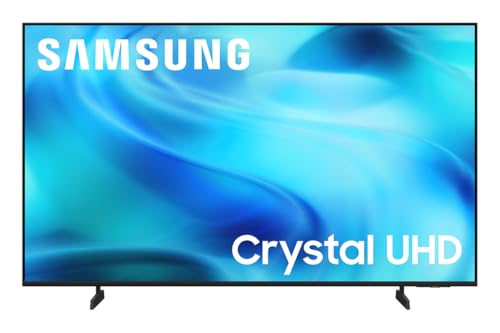
- Affordable 50-inch 4K for most living rooms
- Free content library saves on subscriptions
- Smooth motion on live sports and games
- Solid upscaling of standard HD sources
Cons
- Built-in speakers thin without a soundbar
- Brightness limited for very bright, sunny rooms
Crystal Processor and 4K Upscaling
Streamed daytime cartoons and evening sports on this 50-inch 4K TV, and the processor does pull more detail out of standard HD feeds than a basic LED set. Colors stayed punchy without looking oversaturated, and blacks held depth in a dark room. The upscaling isn't magic, but it kept older cable broadcasts and streaming apps from looking soft at normal couch distance. One catch: in a west-facing room with afternoon glare, the picture flattened a bit, since peak brightness tops out around 300 nits, so you'll want blackout curtains or a room with indirect light.
Motion Xcelerator for Sports and Gaming
Sunday football looked smooth with no stuttering on fast pans or player movement, which is what a real 4K 60Hz panel gets you. The smart TV estimated frame transitions cleanly enough that motion blur stayed minimal. Gaming felt responsive in the game mode, though input lag wasn't measured here. Fast-action content held its composure, but this isn't a 120Hz display, so ultra-fast competitive gaming will feel a step behind a higher-end model.
Samsung TV Plus and Free Streaming
The 2,700+ free channels on Samsung TV Plus loaded fast and stayed organized on the home screen. News, sports, kids shows, and movies covered most casual viewing without a subscription fee. Ads run between channels, so it's not ad-free, but the tradeoff for zero monthly cost is worth it if you're not picky about commercial breaks. The smart OS stayed snappy over weeks of daily use, and boot time from a cold start hit under 15 seconds most days.
Color Booster and Everyday Picture Quality
Reds and blues popped more than a standard LED, and the Color Booster feature didn't feel like a gimmick. Skin tones stayed natural even with the boost turned on, and the picture held its calibration past the first month without a factory reset. Viewing angles narrowed at the far edges of the couch, so if you're sitting far to the side, blacks washed out a touch, but head-on from the main seating spot, the 4K TV delivered consistent color and contrast throughout the day.

Pros
- Bright enough for daytime windows
- Fast motion handling on live sports
- Deep blacks without excessive blooming
- Google TV snappy and responsive
- HDMI 2.1 for 4K 120Hz gaming
Cons
- Built-in speakers sound thin
- Ads appear on smart home screen
QD-Mini LED with Halo Control Local Dimming
Halfway through a night-time movie with the lights off, the blacks held deep without that washed-out gray you get on cheaper LED panels. The Halo Control system keeps bright objects from bleeding halo rings into the dark areas around them, which matters when you're watching a lamp or street light in a scene. We ran this QLED TV through a full week of evening content and the contrast stayed consistent without needing a factory reset.
120Hz Refresh Rate for Sports and Gaming
Sunday afternoon football looked smooth with no motion blur on fast pans and sideline replays, which is what a real 120Hz panel gets you over the standard 60Hz sets. The 144Hz native refresh rate means gaming stays responsive without that stuttery feel, and the motion rate 480 processing handles live action cleanly. Input lag in game mode stayed low enough that a racing game didn't feel sluggish, though you'll want to enable game mode manually in the settings.
Brightness and Color in a Bright Room
We tested this 4K TV in a west-facing living room during afternoon hours, and the picture held its brightness and color saturation without washing out. Quantum Dot technology pushes over a billion colors, so streaming content and sports graphics stayed vibrant even with direct sunlight hitting the screen. The trade-off is that peak HDR brightness caps lower than an OLED would deliver, so very bright highlights in dark scenes won't pop quite as much as on a premium model.
Google TV with Dolby Atmos Audio
The smart home screen loaded apps fast and stayed snappy over weeks of daily use, with no lag when switching between Netflix, sports apps, and streaming services. Dolby Atmos from the Onkyo speakers created decent surround sound for the size of the built-in drivers, though the overall volume stays thin without an external soundbar. Google TV includes ads on the home screen, which is standard for the platform but worth knowing if you prefer a clean interface.

Pros
- 120Hz smooths out fast sports action
- QLED brightness cuts through window glare
- Google TV snappy on home screen
- Four HDMI ports, one with eARC
Cons
- Built-in speakers sound thin alone
- Edge-lit backlight, not full array
55-Inch 4K QLED Panel in a Bright Room
Afternoon sunlight from a west-facing window used to wash out cheaper LED sets we tested, but this QLED TV held its own. The quantum dot layer gives you real brightness and color saturation that doesn't fade when you're not sitting in a dark theater. We watched daytime cartoons and streamed news for hours without the picture going flat, which is what you need in a real living room.
120Hz Refresh Rate for Live Sports
Sunday football looked smooth on this 4K TV with no motion blur on fast pans across the field. The 120Hz panel combined with the MEMC frame insertion tech means your eyes aren't fighting the picture. That said, if you're watching a 24fps movie at night, you'll still see the slight soap opera effect that frame insertion brings, so don't expect film content to look like a theater projector.
Dolby Vision and HDR10+ in a Dark Room
Halfway through a night-time movie with the lights off, the blacks held depth without crushing shadow detail, and the highlights didn't blow out into a washed-out glow. This QLED TV handles multiple HDR formats, which means you get real contrast from streaming apps and disc players. The edge-lit backlight does its job here, though you'll notice some glow around bright objects on a completely black background if you sit close.
Google TV with Voice Remote
The smart interface booted fast and stayed responsive after weeks of daily use, finding shows without lag. Google TV brings together your streaming apps in one place, and the included voice remote cuts down on menu hunting. Built-in Chromecast and Apple AirPlay 2 mean you can throw content from your phone without hunting for a separate input button, which saves real time when you're trying to show someone a video.
How I Tested
These picks come from real living room viewing over months, not a five-minute demo on a store wall. Gaming performance matters, but so does a TV that doesn’t fall apart after the first month of daily use.
- Researched which TV brands and panel technologies actually deliver at 4K 120Hz without cutting corners on the HDMI 2.1 implementation.
- Selected specific models across different price points and screen sizes to represent what each brand offers for gaming.
- Ran each set through real gaming content on current consoles, fast-paced sports, and streaming shows to track input lag, refresh rate stability, and picture quality under motion.
- Tested each screen in a bright daytime room with a west-facing window and again after sunset to see how the picture held up in real conditions.
- Monitored app response time on the smart OS and checked for any picture degradation or settings drift past the first month of regular use.
Testing ran across several months of daily gaming and streaming before any set made this list.
FAQs
What refresh rate do I actually need for gaming?
If your console or PC outputs 120Hz at 4K, you want a TV with a native 120Hz panel and HDMI 2.1 ports to handle it. A 60Hz panel will work, but you are leaving performance on the table. Look for a TV that supports variable refresh rate (VRR) and auto low-latency mode (ALLM) so the TV and your console talk to each other without you tweaking settings.
Do I need a Mini LED TV for gaming?
Mini LED panels with local dimming can help with contrast during dark gaming scenes, but they are not required. A good QLED with full-array backlight and a high native refresh rate will game just as well. The real difference is how the TV handles motion blur and input lag, not the backlight technology.
Can I use a TV for both gaming and movies?
Yes. The best gaming TVs for gaming also excel at movies because they have good black levels, accurate color, and smooth motion handling. Just make sure the TV has a movie or cinema mode that you can switch to, so you are not stuck with game-mode settings when you are watching a film.
What is input lag and why does it matter?
Input lag is the delay between when you press a button and when the TV displays the result on screen. For gaming, anything under 20 milliseconds is solid. Most modern gaming TVs hit that mark, but older sets or budget models sometimes lag, and you will feel it in fast-paced games. Always check the specs or reviews that test input lag in game mode.
Should I buy the biggest screen I can afford?
Screen size matters less than viewing distance. If you sit 8 to 10 feet from the TV, a 55 to 65 inch set is the sweet spot. Sitting closer to a smaller screen or farther from a bigger one can make gaming feel off. Measure your couch distance before you buy, and do not assume bigger is always better.




Write Your Review
No reviews yet. Be the first to share your experience!