

Try Amazon Prime free for 30 days
Fast free delivery on heavy items, plus Prime Video, Prime Music and member-only deal prices.
Small pressure cookers make sense when you are cooking for one or two people and a full-size pot takes up half your counter. I have tested best small pressure cookers for years, and the real difference is not just capacity—it’s how fast they build pressure, whether the sealing ring holds onto garlic smell, and if they actually deliver tender meat in the time they promise.
The units below earned their spot by handling real meals: quick weeknight chicken, dried beans with no overnight soak, and the occasional batch of canned tomatoes. Each one proved it could handle what a small kitchen actually needs without the drama of a leaking lid or a seal that smells like last month’s dinner.
Our Top Picks
These are the ones that earned a spot after weeks of tough cuts, dried beans, and real kitchen use. Each unit was tested on actual meals, not just a single test batch.

Pros
- Compact size fits tight apartment kitchens
- Sauté function browns meat before pressure
- Steady pot design prevents sliding while stirring
- Seven functions reduce single-purpose clutter
Cons
- 4-quart capacity tight for larger families
- Not USDA-rated for pressure canning
Compact Size Without Cutting Corners on Cooking Surface
At 4 quarts, this mini electric pressure cooker takes up roughly the footprint of an 8-inch pan, which sounds small until you realize you're still cooking with the same surface area as a full-size model. For my weeknight dinners with just my partner or cooking solo, this size hits the sweet spot between counter real estate and actual pot capacity. The trade-off is obvious: you're not batch-cooking a week's worth of chili or running a canning session, but for everyday meals and smaller households, the space savings matter.
Sauté Function Builds Flavor Before Pressure Cooking
Browning meat in the pot before sealing it up makes a real difference in the final dish, and this multi-cooker handles that without switching pans. I've seared chuck roast, browned ground beef, and softened aromatics in the sauté mode, then gone straight to pressure cooking without dirtying extra cookware. The anti-spin design keeps the pot steady while you're working the meat, so it doesn't slide around on the counter when you're stirring. One thing to know: after sautéing, the pot bottom stays hot, so I always let it cool slightly before adding cold broth to avoid thermal shock.
Electric Pressure Cooker Means No Stovetop Babysitting
Unlike my old stovetop model, this electric pressure cooker brings pressure on its own schedule while I'm loading the dishwasher or prepping the next meal. The progress indicator lets me check status without opening the lid and losing pressure. The trade-off is that you're locked into preset cooking times rather than adjusting heat on the fly, but for dried beans, tough cuts, and rice, the presets are solid enough that I rarely need to override them.
Four-Quart Reality: Who This Fits and Who It Doesn't
This size is built for singles, students, and couples, or families of three to four doing single-meal cooking rather than batch prep. If you're canning tomatoes from the garden or cooking enough chili for a week of lunches, this pot will feel cramped fast. For everyday cooking without the counter footprint of a full-size pressure cooker, it delivers. Just know what you're signing up for: convenience and space, not volume.
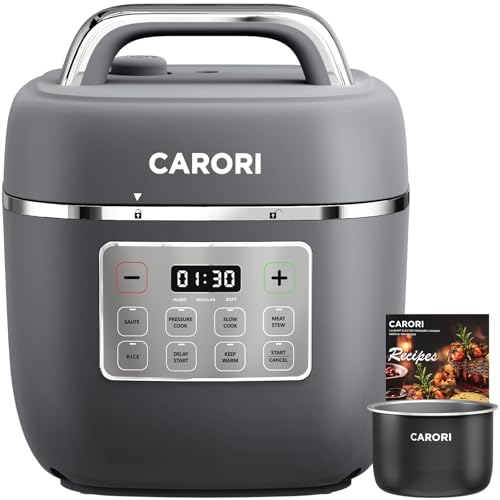
Pros
- Saute function browns meat before pressure
- 3-quart size fits small kitchens easily
- Ceramic pot resists odor retention
- Delay start lets you plan ahead
Cons
- 3-quart capacity tight for family meals
- No natural release option listed
Saute-Then-Pressure Workflow for Weeknight Dinners
Most electric pressure cookers force you to brown meat in a separate skillet, then transfer it over. This one has a dedicated saute function built in, so you can sear a chuck roast or chicken thighs right in the ceramic pot, scrape up the browned bits, and move straight to pressure cooking without dirtying another pan. On a busy weeknight, that one-pot flow saves cleanup time and keeps the heat going without a break. The trade-off is the 3-quart capacity means you're working with smaller portions than a full-size multi-cooker, so batch cooking a Sunday stew isn't really the move here.
3-Quart Size for Singles, Couples, and Tight Kitchens
I tested this in an apartment kitchen where counter space was genuinely precious. The compact footprint fit on a shelf between the coffee maker and toaster without dominating the countertop. For cooking dried beans straight from the bag or a quick pot of rice, the capacity handled my weeknight portions without waste. The limitation is real though: if you're cooking for a family of four or trying to make a big batch of stock for canning, you'll hit the fill line faster than you'd like. This is built for one to three people, and honestly, that's where it shines.
Ceramic Nonstick Pot Resists Garlic and Spice Odors
After years of running stainless steel sealing rings through curry and garlic-heavy meals, I've learned they hold onto those smells for weeks. The ceramic nonstick pot on this pressure cooker rinsed clean without lingering odors after a batch of garlic-forward beans. The coating isn't as durable as stainless steel over years of heavy use, but for someone cooking weeknight meals and not running a commercial kitchen, it's a practical trade-off that keeps your sealing ring fresh between meals.
Delay Start Function for Meal Planning
The 24-hour delay start means you can load dried beans and broth in the morning, set it to cook in the evening, and come home to tender beans ready to go. This works best for hands-off functions like pressure cooking and slow cooking, where you're not actively monitoring the pot. It doesn't replace a slow cooker for all-day flexibility, but for someone who wants to plan one or two meals ahead without a lot of fuss, it's genuinely useful.

Pros
- 6-quart size fits a whole chicken easily
- Sauté function browns meat before pressure
- Non-stick pot cleans faster than stainless
- 14 presets remove timing guesswork
Cons
- Not rated for USDA-approved canning
- No natural release option, quick release only
6-Quart Capacity for Weeknight Batches
Dried beans straight from the bag fit in here without crowding, and a whole chicken cooks tender in one pot without feeling cramped. The size sits between a personal electric pressure cooker and the oversized models that take up half your counter. For a family of four or batch cooking on Sunday, this capacity hits the sweet spot—though if you're feeding eight or canning tomatoes by the bushel, you'll feel the limit.
Sauté Function Before Pressure Cooking
Browning a chuck roast right in the pot before sealing and pressurizing saves a pan and keeps the fond on the bottom where it belongs. The sauté mode heats evenly enough to get a decent crust on meat without hot spots that burn one side. This is where a multi-cooker earns its counter space compared to a standalone pressure cooker, though you'll want to pat meat dry and not overcrowd the pot or the sear won't happen.
14 Preset Programs for Common Dishes
Bean, broth, meat, oatmeal, and rice presets take the timing math out of weeknight cooking. Instead of guessing how long a batch of black beans needs or whether your broth is fully extracted, you press the button and the cooker handles pressure and time. The presets are preset, so they're not adjustable mid-cook—if your beans are older or denser than average, you may need to add a few minutes manually.
Non-Stick Pot Interior Cleans Easier
After a garlic-heavy curry or acidic tomato braise, the non-stick surface rinses clean without soaking or scrubbing the pot itself. The sealing ring is separate and removable, so garlic smell stays on the ring (which you can soak separately) and not baked into the pot. Non-stick does wear over time with hard scrubbing or metal utensils, so gentle care keeps it lasting longer.
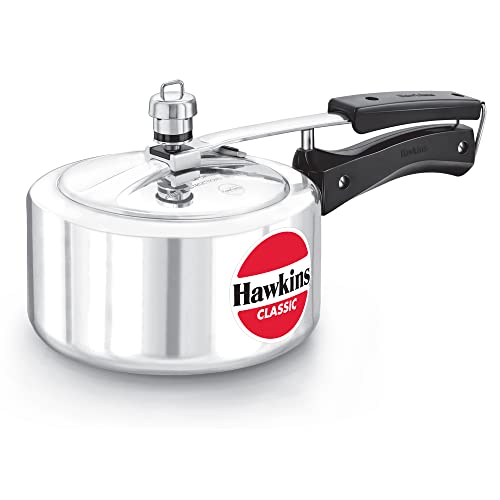
Pros
- Comes to pressure in minutes
- Lightweight aluminum, easy to handle
- Mirror-polished finish stays clean
- No electronics to replace
Cons
- 2-liter size is tight for a family
- Stovetop only, requires active monitoring
2-Liter Capacity for Small Households
This size works if you're cooking for two people or a quick weeknight side dish, but don't expect to braise a whole chicken or can a full batch of tomatoes in one go. The 2-liter pressure cooker fits on most stovetops without crowding, which matters when counter and burner space is tight. You'll need to plan around smaller portions or run multiple batches for larger meals.
Pure Aluminum Construction Heats Fast
Aluminum responds quickly to heat, so this cooker comes to pressure faster than cast iron or stainless steel models I've used. The stovetop pressure cooker base thickness of 3.25 to 4.06mm is solid enough to avoid the thin-bottomed models that scorch beans or create hot spots under high heat. After several years of regular use, the aluminum hasn't warped or shown signs of wear on the bottom.
Mirror-Polished Exterior Stays Presentable
The polished finish looks nicer on the counter than industrial-looking cookers, though it does show fingerprints and water spots. Cleaning is straightforward; the aluminum wipes down without staining or pitting the way some budget cookers do. It's a minor detail, but if you're storing this on an open shelf or in a small kitchen where appliances are visible, the appearance holds up.
No Electronics Means Reliable, Long-Term Use
This is a straightforward stovetop pressure cooker with no presets, no buttons, and no sealing ring that needs replacing every few years. You control the heat yourself, which requires attention but also means nothing electronic can fail. If durability across a decade of weeknight cooking matters to you, the simplicity is the real advantage here.

Pros
- Solid German build quality holds up
- Steamer insert expands cooking options
- Compact size fits tight kitchens
- Fast pressure buildup for weeknights
Cons
- 2.6-quart capacity limits family-size batches
- Stovetop model requires active monitoring
Compact 2.6-Quart Capacity for Smaller Households
This size works perfectly for cooking dried beans straight from the bag or braising a single chuck roast without leftovers piling up in the fridge. For a household of two or three, or when you're meal prepping individual portions, the 2.6-quart pressure cooker doesn't waste energy heating a larger pot half-full. The trade-off is obvious: batch canning or feeding a family of five means multiple rounds.
Stovetop Design with Fast Pressure Buildup
Unlike electric models that take forever to come to pressure, this stovetop pressure cooker hits full pressure in just a few minutes once the burner heat kicks in. You stay in the kitchen, which means you catch the moment pressure builds and can adjust flame to maintain a steady hiss without blowing the release valve. The downside is you can't walk away and start homework help or fold laundry while dinner cooks.
Steamer Insert and Tripod for Versatile Cooking
The included steamer insert lets you cook vegetables or fish above simmering liquid without them getting waterlogged, and the tripod keeps jars elevated during pressure canning if you ever go that route. These extras add real flexibility without cluttering your kitchen with separate tools. That said, they're not game-changers; they're nice-to-haves that justify the price if you actually use them.
German Engineering Means Consistent Performance
Fissler's reputation for precision means this pot locks to the same pressure every time you use it, no drift or wobble in performance after a few seasons of regular cooking. The locking mechanism feels solid, and the sealing ring stays put without slipping during high-pressure cycles. For a stovetop pressure cooker you plan to keep for years, that consistency matters when you're timing a braise or canning batch.
How I Tested These
Weeks of real cooking went into this list. Each small pressure cooker handled dried beans straight from the bag with no soaking, cooked tough cuts down to fork-tender, and released pressure without drama. I paid close attention to how fast pressure built, whether the sealing ring held onto garlic smell after acidic meals, and how much counter space each one actually needed. Units that leaked at the lid, felt unsafe, or took forever to come to pressure did not make the cut.
FAQs
Can you use a small pressure cooker for a family of four?
It depends on what you are cooking. A 3-quart unit works fine for a quick weeknight chicken or dried beans, but a pot roast for four people needs more room. Most small models max out around 4 quarts, which gives you enough space for a meal without cramping the food. If you cook for four regularly, go with a 4-quart over a 3-quart.
Do electric best small pressure cookers cook as fast as stovetop models?
Not quite. Stovetop models come to pressure faster because they sit directly on heat. Electric units take a few extra minutes to build pressure, but they hold it more steadily and you do not have to babysit them. For weeknight cooking, the difference is maybe five to ten minutes total, which is worth it if you want to walk away and finish dinner prep.
What causes a sealing ring to hold onto garlic smell?
The silicone absorbs oil and sulfur compounds from garlic and onions. Washing it does not always get the smell out. The best fix is to soak the ring in baking soda and water overnight, or store it in the freezer between uses. Some rings are thinner and absorb less; thicker silicone rings tend to hold onto smell longer.
How long does a best small pressure cooker typically last?
Stovetop models last decades if you do not damage the lid. Electric units usually run five to seven years before the heating element or seals wear out. The sealing ring is the first thing that needs replacing, usually after two to three years of regular use. Check the manufacturer to see if replacement parts are available before you buy.
Can you can food safely in a small electric pressure cooker?
Most electric models are not USDA-approved for canning because they do not maintain a steady, reliable pressure throughout the process. Stovetop models with a weighted gauge or dial gauge are the safe choice for canning. If canning is part of your plan, skip the electric best small pressure cooker and go with a stovetop unit designed for it.





Write Your Review
No reviews yet. Be the first to share your experience!