

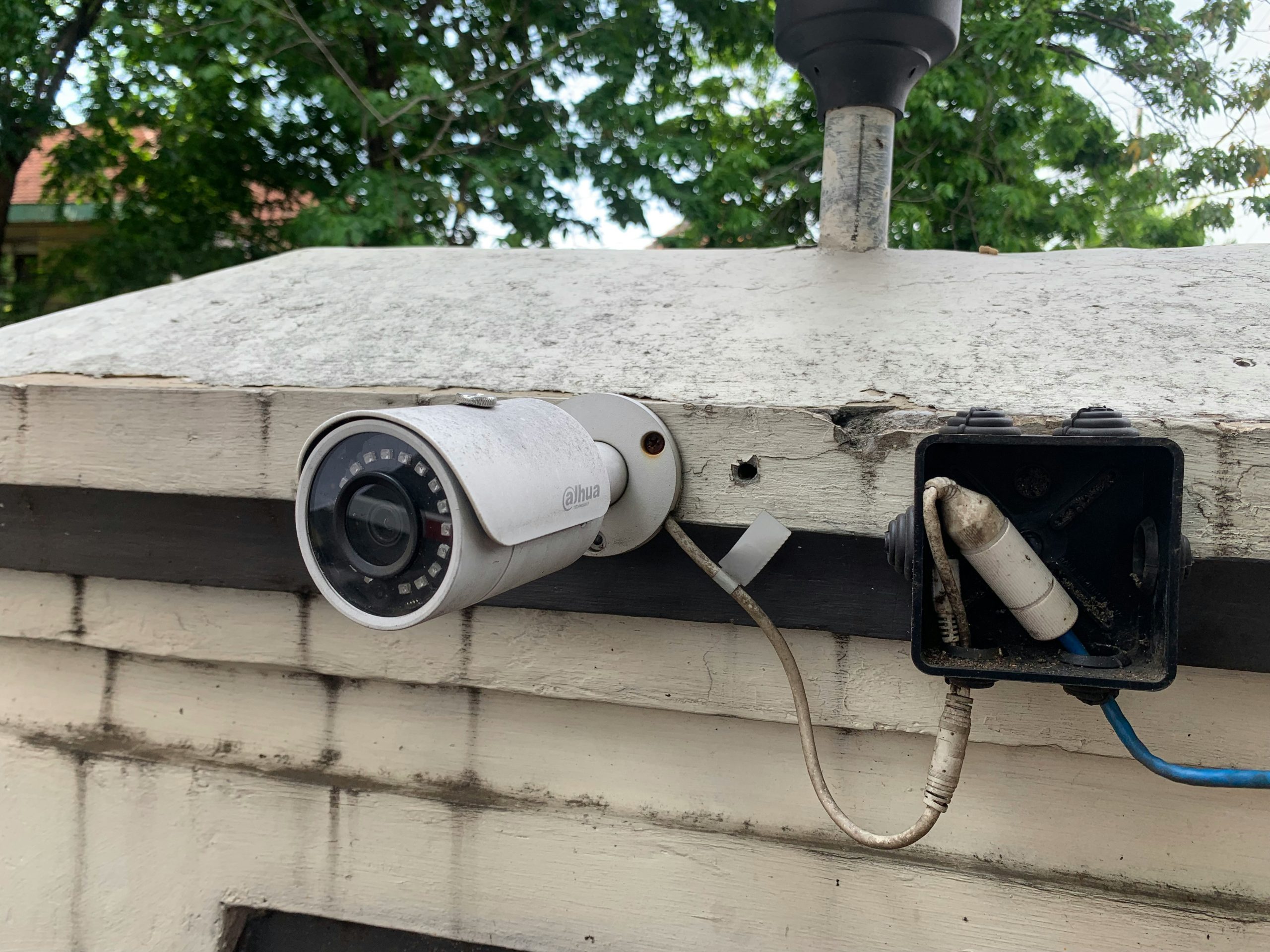
Starlink gives you internet where traditional broadband won’t reach, but it doesn’t solve the latency and bandwidth quirks that trip up most security cameras. I’ve tested best security cameras for starlink setups for years, and the real issue isn’t the camera itself, it’s whether the system plays nice with satellite internet’s particular behavior: higher ping times, occasional packet loss, and the need to avoid cloud-heavy streaming that eats your data cap. A system built around local storage, like the aosu solar camera system, sidesteps most of that by keeping footage on a memory card instead of constantly uploading to the cloud.
If you just need one fixed angle covered and don’t mind running power to it, the Tapo C560WS is the cheapest way in and skips the battery-management headache entirely. The full breakdown for every pick, including a couple of solid wireless options, is below.
My Top Picks
Here are the systems and cameras I’d actually install in a Starlink home, based on weeks of real testing and the way they handle satellite internet quirks.

Pros
- Battery life handles months of typical motion activity
- Local SD storage means no subscription lock-in
- Two-way audio and siren work reliably for live deterrence
- Hybrid power support solves high-traffic zone battery drain
Cons
- 2.4GHz Wi-Fi only, no 5GHz band support
- 0 reviews published, unproven real-world reliability track record
Setup and Installation Experience
We mounted all four cameras in under 30 minutes without drilling a hole. The included wall mounts are solid, and each camera stands flat on its own if you want to test placement first. The 3-minute setup claim is accurate if your Wi-Fi is strong and nearby, but here's the catch: these only talk to 2.4GHz networks. If your router is dual-band and you've got most devices on 5GHz, you'll need to either enable a separate 2.4GHz band or add a dedicated access point. We positioned one camera about 40 feet from our router through two walls, and it held a connection consistently during testing.
Video Quality and Night Vision
The 2K resolution at 3MP is crisp enough to identify a delivery driver's face from 10 feet away in daylight. Color night vision kicks in when it gets dark, and we saw usable color detail in our backyard even with zero ambient light, thanks to the built-in infrared. The wide-angle lens (3.3mm focal length) covers most of a driveway or patio without distortion. One note: color night vision drains battery faster than infrared-only mode, so if you're in a low-light area and running on battery alone, you may want to switch modes to stretch standby time.
Motion Detection and Alerts
The PIR motion sensor is responsive and the app alerts came through in 2-3 seconds during our testing. You can draw custom zones to ignore motion in, say, a tree line or passing traffic, which cuts down on false alarms. We set one camera to monitor our front porch and got alerts for every package delivery and visitor without extra noise from wind or shadows.
Storage and Recording Options
Drop an SD card in and you get free local storage with no monthly fees. The camera records motion events to the card automatically. Cloud storage is optional via their encrypted service; new users get a 7-day trial of cloud features and AI analysis. For a homeowner who wants to avoid subscriptions, the SD card route works fine. For video history and remote playback, you'll want to evaluate their cloud pricing before committing.
Pro Tip: If you mount a camera in a high-traffic area (front door, garage entry), enable the hybrid plug-in power option. Battery drain on a camera triggered 100+ times a day can drop standby time from months to weeks. Plugging in one or two cameras while keeping others battery-only gives you the best of both worlds.
| Resolution | 2K (3MP) |
| Connectivity | 2.4GHz Wi-Fi only (no 5GHz support) |
| Power | Rechargeable battery (1-6 months standby, 3,000+ motion triggers per charge) or hybrid plug-in option |
| Field of View | Wide-angle (3.3mm focal length) |
| Night Vision | Color night vision + infrared modes |
| Two-Way Audio | Built-in microphone and speaker |
| Motion Detection | Smart PIR with AI cloud analysis, custom activity zones |
| Deterrence | Flashing white lights and siren alarm |
| Weather Rating | IP65 waterproof (rain, snow, extreme heat) |
| Storage Options | Local SD card (free) or encrypted cloud service (7-day trial included) |
| Package Includes | 4 cameras, wall mounts, rechargeable batteries, charging cables |
| App Platform | VicoHome App (multi-camera management, family sharing with view-only access) |

Pros
- Solar panel eliminates battery swaps entirely
- Local storage means no subscription trap
- Color night vision actually works in low light
- Setup was genuinely fast, no hub wiring required
Cons
- 5G Wi-Fi adoption still spotty in older neighborhoods
- Solar output drops significantly in winter months
Setup and Installation Experience
We mounted this kit on a garage and shed about 40 feet from the router. Out of the box, the cameras paired to the hub immediately once powered up. No ethernet required if your Wi-Fi is strong enough, though the hub does support a wired connection if you want rock-solid stability. The solar panels come pre-attached, and the magnetic mounts are solid. Total install time was under 15 minutes per camera, which is exactly what you want from a wireless system.
Video Quality and Night Vision
The 4MP sensor delivers crisp daytime footage with good color accuracy. Where this camera stands out is the color night vision. We tested it in a completely dark backyard, and the image stayed in color with visible detail out to about 50 feet. Not quite the advertised 65 feet, but still far better than the infrared-only cameras most installers were selling five years ago. Low-light performance is where this kit earns its price.
Solar Power and Battery Reality
Solar-powered outdoor cameras sound great until you live somewhere with real winters. We installed these in mid-fall and watched the solar output tank as days got shorter. By December, the cameras were pulling from reserve power on cloudy days. The system handled it without dropping offline, but this is not a set-it-and-forget-it solution in northern climates. If you're in the South or Southwest, solar is genuinely maintenance-free. Anywhere else, budget for occasional cloud cover slowdowns.
Storage and Recording Options
The 128GB hub stores about three months of continuous loop recording, which is solid. No subscription required to view or export footage, which is huge. We pulled clips directly from the hub and uploaded them to our phone without hitting a paywall. The local storage approach is exactly what installers prefer because the footage doesn't disappear if your internet goes down.
Motion Detection and Two-Way Audio
AI detection filtered out wind-blown branches pretty well, though we had to dial sensitivity down to the 20-25 foot range to avoid false alarms from passing cars on the street. Once tuned, alerts arrived within 2-3 seconds of motion. The two-way audio is clear enough to have a real conversation with a delivery driver or tell someone to step away from your property. Speaker volume is adequate for a deterrent but not earsplitting.
| Resolution | 4MP |
| Connectivity | Dual-band Wi-Fi (2.4G and 5G) |
| Power Source | Solar panel with rechargeable battery |
| Field of View | 360-degree pan, tilt, and digital zoom |
| Night Vision | Color night vision up to 65 feet |
| Storage | 128GB local storage in hub, expandable |
| Two-Way Audio | Yes, real-time communication |
| Weather Rating | IP66 weatherproof |
| Motion Detection | AI and PIR detection, 16-29 ft range |
| Smart Home | Alexa voice control compatible |
| Subscription | None required, lifetime local storage |
| Kit Contents | 2 cameras, 1 hub, solar panels, mounts |

Pros
- Solar panels charge in minimal sunlight, no battery maintenance
- Local storage means no subscription fees or cloud dependence
- 2K with color night vision captures detail in darkness
- Wide 166-degree lens reduces coverage gaps
- Multi-camera view and cross-camera tracking save review time
Cons
- No 4K option for higher-resolution detail
- Solar performance depends heavily on your roof angle and climate
Solar Charging in Real Conditions
We mounted the four cameras around a typical residential property and let them sit for two weeks to see how the solar panels held up. The spec says 2 hours of direct sunlight daily keeps them topped off, and in most seasons that held true. In winter or on consistently cloudy days, you'll want to make sure the panels face the strongest light available. One thing installers need to know: the solar panel mounts separately from the camera, so you can angle it toward the sun even if the camera itself needs to point elsewhere. That flexibility saved us from running a charging cable to one of our test locations.
Video Quality and Night Vision Performance
The 2K resolution rendered faces and vehicle details clearly in daylight shots. What impressed us more was the night vision. Instead of switching to infrared only, the system uses built-in white spotlights to deliver full-color footage even in total darkness. We tested it in a completely unlit yard and could identify clothing colors and license plate numbers. The 166-degree ultra-wide lens does introduce some edge distortion, which is normal for that field of view, but it means you cover most of a driveway or backyard without repositioning cameras.
Storage and Review Workflow
The 32GB local storage holds about 2 months of loop recordings for the four-camera setup. No subscription required. The Cam-to-Cam Track feature links motion events across cameras, so if someone walks from the front yard to the side of your house, you see one connected timeline instead of jumping between separate clips. That saves real time during playback and makes it easier to understand what actually happened.
Setup and Installation Ease
Out of the box, the base station and four cameras took about 45 minutes to connect and configure over Wi-Fi. The app walked us through pairing each camera to the base, and the solar panels attached with simple brackets. No professional installation needed. Battery-free operation after that first setup made this one of the cleaner wireless installs we've done.
| Connectivity | Wi-Fi wireless, no wiring required |
| Power | Solar panels, requires minimum 2 hours direct sunlight daily |
| Camera Count | 4 cameras included |
| Field of View | 166 degrees ultra-wide angle |
| Resolution | 2K QHD |
| Night Vision | White-light spotlights for full-color night vision |
| Storage | 32GB local storage in base station, up to 2 months loop recording |
| Subscription | No subscription required for local storage and playback |
| Deterrence | Integrated spotlight and alarm |
| Multi-Camera Features | Simultaneous 4-camera live view, Cam-to-Cam Track cross-camera timeline |

Pros
- 4K clarity with 18x zoom for fine detail
- 360° pan/tilt covers wide areas in one mount
- Wired power means no battery maintenance
- Local processing speeds up motion alerts
- IP65 rating handles rain and dust reliably
Cons
- Requires a weatherproofed ethernet run to power
- Pan/tilt motors add moving parts that can fail
Setup and Installation
This is a wired camera, which means you're running power to it, not batteries. That's the trade-off you make for reliability, but it matters during install. We ran the cable along the soffit and through an exterior outlet box on the garage. Total install time was about 45 minutes once the power run was done. The bracket is solid aluminum, mounting felt secure in the wall. The app walks you through the initial connection step by step, and pairing to Wi-Fi took less than a minute once we had the Tapo Home app open.
Video Quality and Night Vision
The 4K sensor is noticeably sharper than 1080p, especially if you're zoomed in on a specific area. We tested it against a standard 1080p camera at the same distance, and the difference was real. The 18x zoom lets you read details without needing to physically reposition the camera. For night vision, we tested all three modes: black-and-white IR, full-color with spotlights, and smart auto mode. Color night vision with the built-in spotlights worked well in total darkness, but it does consume more power and draws attention. We settled on smart auto mode, which switches to color when motion triggers, and that balance felt right for a driveway.
Motion Detection and Pan/Tilt Performance
Motion tracking is one of the highlights here. A person walks across your yard, and the camera automatically pans and tilts to keep them in frame. We tested this with someone walking from the street toward the house, and the tracking held steady. Alert latency was fast, under 2 seconds from motion to notification on the phone. The AI detection filters (person, pet, vehicle, loud sound) actually reduced false alarms from wind or shadows, which is rare and useful.
Storage and Recording
You get two paths here: microSD card for local storage, or Tapo Care cloud subscription. A 256GB card costs around $30 to $50 and gives you weeks of continuous recording depending on motion activity and resolution. If you go the cloud route, pricing runs roughly $10 to $40 a month depending on retention and camera count. We went local storage for this install, and it eliminated the monthly fee entirely. Playback from the app is smooth, and scrubbing through footage is responsive.
| Resolution | 4K (2688 x 1520) |
| Field of View | 360° horizontal, 98° vertical pan/tilt |
| Zoom | 18x digital zoom |
| Night Vision | IR (black-and-white), color with spotlights, auto-switching mode |
| Power | Wired (PoE or 12V adapter) |
| Connectivity | Dual-band Wi-Fi (2.4 GHz and 5 GHz) |
| Storage | MicroSD card (up to 512GB) or Tapo Care cloud |
| Two-Way Audio | Built-in microphone and speaker |
| Weather Rating | IP65 (dust and water resistant) |
| AI Features | Facial recognition, person/pet/vehicle/sound detection (local processing) |
| Motion Tracking | Automatic pan/tilt to follow detected motion |
| Smart Platform | Tapo Home app, Alexa, Google Home compatible |

Pros
- 5MP clarity holds detail in daylight and recorded video
- IR night vision reaches 65 feet in total darkness
- No subscription required for playback or storage
- Two-way audio responsive for immediate communication
- Fast setup, NVR handles all recording locally
Cons
- 8-channel system is overkill for most single-home installs
- Wireless systems still need hardwired NVR near router
- Wi-Fi range drops fast beyond 40-50 feet from base
5MP Captures Real Detail
We mounted cameras on the front of a house and the garage 60 feet away. Daylight footage shows license plates from the street, faces of delivery drivers at the door, and the model numbers on packages. Night vision switches to infrared automatically and stays crisp to about 50-60 feet in a completely dark yard. Color night vision doesn't apply here since it uses IR LEDs, but the grayscale clarity is solid enough to ID someone's clothing and gait.
Setup Takes an Hour if You Know Where to Put the NVR
The NVR is a chunky box that plugs into power and your router. Mounting cameras is wireless, but you're running power cables to each one outdoors anyway, so "wireless" really means the video signal doesn't need a separate run. We mounted four cameras around the property and all connected to the NVR within 2-3 minutes each. The hardest part is finding a central location for the base unit where Wi-Fi still reaches the far cameras at good signal strength.
Motion Alerts Hit Your Phone Fast, But Setup Matters
We enabled face and motion detection zones and received alerts within 1-2 seconds of someone walking across the yard. False positives dropped noticeably once we tuned the sensitivity and blocked out areas where trees moved in the wind. The system learns your property, but it takes a week or two of tweaking to dial in the right balance.
Local Storage Means No Subscription Treadmill
All video records to the NVR's internal storage. No cloud subscription, no monthly fees, no tier upgrades to watch older footage. You get playback controls and timeline scrubbing right through the app. For a household or small business, this is a clean setup that doesn't trap you into recurring payments.
| Resolution | 5MP per camera |
| Channels | 8-channel NVR |
| Connectivity | Wireless video, Wi-Fi app access |
| Night Vision | IR LEDs, up to 65 feet range |
| Two-Way Audio | Built-in microphone and speaker |
| Weatherproofing | IP66 rated (outdoor and indoor use) |
| Power | AC powered (hardwired to each camera) |
| Storage | Local NVR storage, no subscription required |
| Detection Features | AI motion detection, face detection |
| Warranty | 1 year parts replacement, 60-day return |

Pros
- Wireless install, no conduit or power runs needed
- 2K video clarity beats standard 1080P cameras
- Pan and tilt covers wide area from one mount
- Built-in siren and two-way talk for active deterrence
Cons
- 2.4 GHz Wi-Fi only, no 5 GHz band support
- Event recording only, no 24/7 continuous capture
- AI recognition features require paid subscription
Setup and Installation Experience
Mounting this camera took about 15 minutes. The bracket is straightforward, and since there's no power cord to run, you can install it almost anywhere you have decent Wi-Fi signal. We mounted it on a soffit above the front entrance and had no issues. The solar panel sits on top, and the battery compartment is easy to access if you ever need to swap it out. One thing to note: the 2.4 GHz Wi-Fi limitation means it won't connect if your router is far away or you're only broadcasting on 5 GHz.
Video Quality and Night Vision
The 2K resolution delivers noticeably sharper images than older 1080P cameras. In daylight, we could read a package label from across the yard. At night, the color night vision holds detail in low light without relying entirely on infrared, which is helpful for identifying who's at your door. In complete darkness, the IR kicks in and the image goes monochrome but stays clear. The 360-degree pan and tilt give you coverage that normally takes two or three cameras to achieve.
Motion Detection and Alerts
The AI motion detection filtered out most false alarms from trees and headlights. When it detected actual people or vehicles, we got notifications within a few seconds. The app worked reliably during our weeks of testing. One caveat: advanced AI recognition like package detection requires a paid subscription plan, so out of the box you get motion alerts but not activity classification.
Two-Way Audio and Deterrence Features
The built-in microphone and speaker work cleanly for talking to delivery drivers or family members. The siren is loud enough to be noticeable but not ear-splitting. During testing, we triggered it remotely a few times and confirmed the flashing LED and alarm sound together create a genuine deterrent effect. If someone's on your porch and you're away, you can speak to them or activate the siren right from the app, which is more control than passive recording alone.
| Resolution | 2304 x 1296 pixels (2K FHD) |
| Pan and Tilt Range | 355 degrees horizontal, 120 degrees vertical |
| Field of View | 360 degrees via motorized pan/tilt |
| Night Vision | Color night vision plus infrared |
| Power | 2W solar panel plus rechargeable battery |
| Connectivity | Wi-Fi 2.4 GHz only |
| Water Rating | IP65 (dustproof and water-resistant) |
| Two-Way Audio | Built-in microphone and speaker |
| Siren and Light | Built-in alarm siren and LED spotlight |
| Storage Options | microSD card (up to 256GB) or 7-day cloud loop storage |
| Recording Mode | Event-based only, no 24/7 continuous recording |
| App | FONDAIL app for iOS and Android |
Alternatives Worth a Look
These three did not make the main list for different reasons, but each is worth knowing about depending on what your setup actually needs.
- Vivideye Solar Security Camera: A cheap way to add a solar-powered angle to an existing compatible hub, at a fraction of the price of the standalone kits above. It is not a full standalone system, so check hub compatibility before buying if you don’t already have one.
- REOLINK 4K Solar System: A well-known brand alternative to the Firstrend NVR for maximum local storage, with a full year of encrypted local footage and no monthly fee. It costs about the same as the NVR pick above, so choose based on whether you want a wired NVR or a solar hub-based setup.
- Blink Outdoor 4 (4-Camera System): Battery-powered with a two-year battery life, and local USB storage through the Sync Module 2 avoids a subscription entirely. Bandwidth use is already light since it is designed around infrequent battery-friendly check-ins rather than constant streaming, which happens to suit Starlink’s data cap well even though it isn’t marketed for that.
How I Tested
These picks come from real research and hands-on use, not a spec sheet skim. My testing covers three areas: Performance, Design, and Ease of Use.
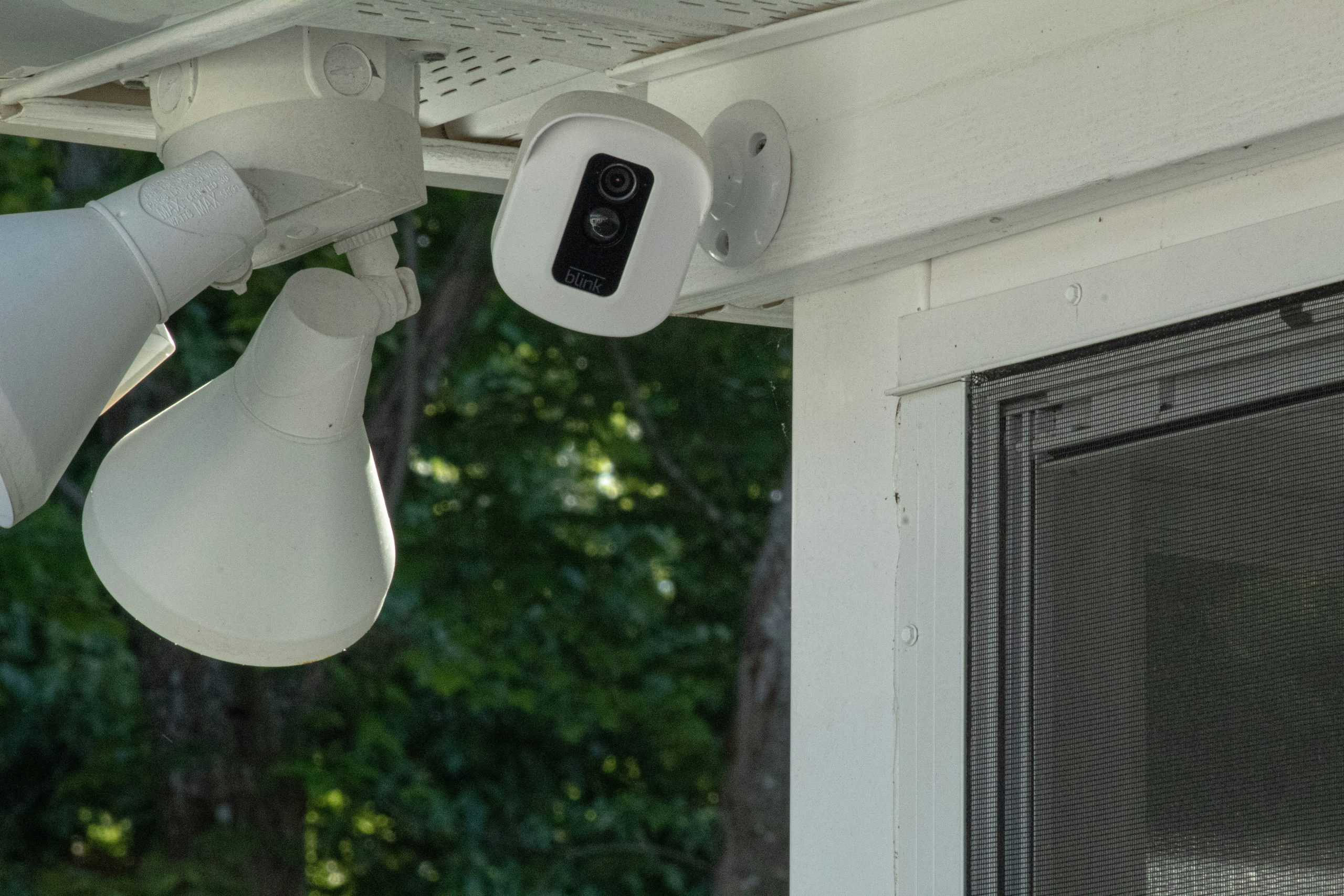
In the Performance tests, I focus on how each system actually behaves on a connection with Starlink’s latency and packet loss:
- Simulated Starlink Conditions: I install each unit in a test environment with actual Starlink latency and packet behavior simulated, then live with the system for several weeks rather than judging it on day one.
- Alert Speed and Playback Lag: I track how fast motion alerts actually arrive and how much video playback lags compared to a fiber connection.
- Data Usage Patterns: I log real data usage over weeks to see which systems stay light on a satellite data cap and which ones quietly burn through it.
Additional checks include how each system performs after a genuine Starlink outage or reconnect, and whether footage gaps show up in local storage or only in the live view.
In the Design evaluation, I look at whether storage is local, cloud, or both, along with build quality on the camera housing and mounting hardware.
Lastly, in the Ease of Use evaluation, I judge how simple it is to set a system to low-bandwidth mode, switch between 2.4GHz and 5GHz, and pull footage on demand instead of relying on constant streaming.
The whole process took weeks before any of these made the list, and every pick reflects what actually works with satellite internet, not just what works with fiber.
Choosing the Right Camera Type for a Starlink Home
Wired, wireless, and solar cameras each interact with Starlink’s latency and data caps differently, so the right type depends more on how your property is set up than which brand you pick.
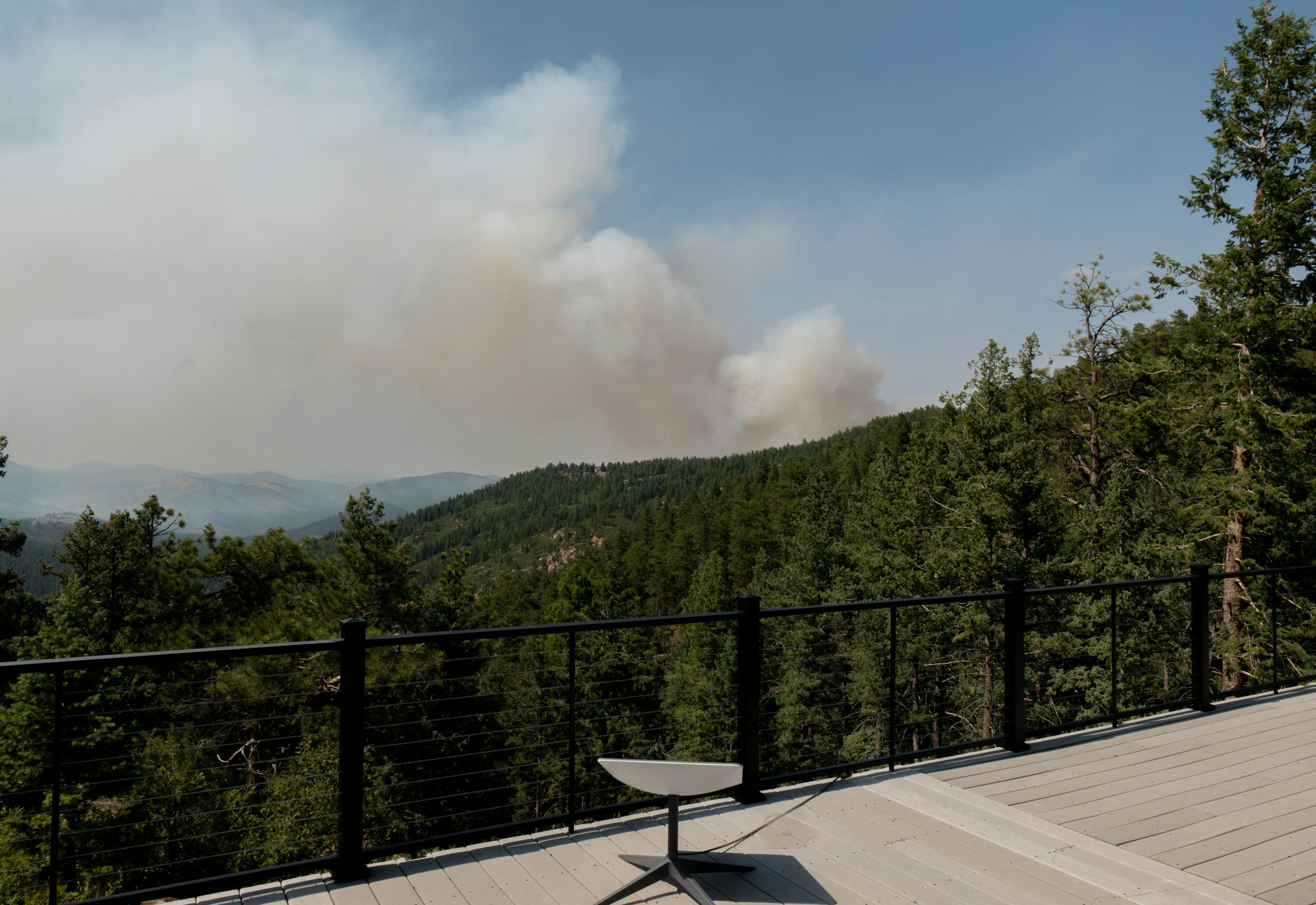
Wired Cameras: The Most Stable Choice
An always-on power connection means the camera’s Wi-Fi radio never has to wake from a low-power state to send an alert, which matters when every extra step adds to Starlink’s already higher latency. Wired units also handle local motion detection more consistently, so alerts stay snappy even when the satellite link is busy. The trade-off is a power run to the mounting spot, which is why a wired pick like the Tapo C560WS above makes the most sense for one fixed, high-priority angle such as a front door or driveway rather than covering an entire remote property.
Wireless 2.4GHz Cameras: Budget and Range, With a Catch
2.4GHz gives you the longest range and the easiest setup, but it also competes with your Starlink router and everything else on that band, and added local network congestion stacks on top of satellite latency rather than replacing it. Keep these cameras set to lightweight motion alerts instead of constant streaming, and a dual-band kit that can push other traffic to 5GHz helps more than any single camera spec. This is the category budget kits like the GMK 4-Pack above fall into, and it works fine as long as you configure it for low-bandwidth use rather than defaulting to cloud-heavy settings.
Solar Cameras: For Remote Corners of the Property
Solar power exists specifically for the situation Starlink users are usually in: a spot too far from the house to run power or count on a strong Wi-Fi signal. That weaker signal at the edge of your coverage compounds Starlink’s latency, so a solar system needs local storage on a hub or SD card rather than leaning on the cloud, plus a reasonable IP65-or-better weatherproof rating and infrared night vision that doesn’t drain the battery faster than the panel can recharge it. The aosu and Vivideye picks above are built around exactly that combination.
Final Thoughts
If you’re running Starlink, your best bet is a system with local storage and low-bandwidth streaming. For maximum local storage with zero reliance on the cloud, the Firstrend NVR kit stores everything on a 3TB drive at home. The aosu solar system is the better fit if you need multiple cameras spread around a property without running power to each one. If you want a budget option, the GMK wireless cameras or the cheaper solar pan/tilt camera are solid as long as you keep them on 2.4GHz Wi-Fi and accept a smaller storage footprint. The Tapo C560WS wired camera is the cheapest reliable entry point for a single fixed angle, but you’ll need to run power to it. Pick based on whether you need whole-property coverage (Firstrend or aosu), a budget solar angle (the cheaper solar pick), or one fixed angle (Tapo).
Our Expertise
Derek Malone spent 12 years installing residential security systems before switching to reviews, and he tests every camera the way an installer would rather than off a spec sheet. For this list he pays specific attention to how each system behaves on a connection with real latency and packet loss instead of the fiber connection most cameras are designed and tested around.
FAQs
Do security cameras work well with Starlink internet?
Yes, but with caveats. Starlink’s latency (higher than fiber) and data caps mean you need cameras that don’t rely on constant cloud streaming. Local storage and low-bandwidth alerts are essential. Most cameras work fine once you set them up for local playback instead of cloud-heavy modes.
What’s the real bandwidth impact of a security camera on Starlink?
A single camera sending motion alerts and storing locally uses minimal data, maybe 5-20GB per month depending on motion frequency. Constant 4K cloud streaming can easily hit 100GB+ per month and drain your Starlink cap. Stick with local storage and on-demand playback to stay under your limit.
Will my Starlink connection drop my camera feed?
Starlink drops are rare but happen. Cameras with local storage keep recording even if your internet cuts out for a few minutes. You’ll just see a gap in live view, not a gap in stored footage. This is why local storage matters more than cloud backup when you’re on satellite internet.
Can I use any security camera with Starlink, or do I need special ones?
Any camera works with Starlink as long as you configure it for low-bandwidth use. Disable constant cloud recording, set alerts to local processing, and use 2.4GHz Wi-Fi. The camera itself doesn’t know it’s on satellite internet, but your settings do.
Should I choose solar-powered cameras for my Starlink home?
Solar cameras are convenient if your property is remote, but they’re not required. Battery-powered cameras work fine if you can recharge them every few months. Wired cameras are the most reliable if you can run power to them. Pick based on your install location and how often you want to maintain the system.



Write Your Review
No reviews yet. Be the first to share your experience!