

Most robot vacuums under $500 struggle with the transition from bare hardwood to a thick area rug, either losing suction on the rug or scattering debris on the hard floor. For shoppers who need a single machine that handles both surfaces without constant intervention, the Dreame X50 Ultra offers adaptive suction that adjusts automatically, while the Roborock Q5 Pro+ keeps the price practical for mixed-floor homes. The real split comes down to whether you need a self-emptying base and how much edge coverage matters on low-pile rugs.
Best Robot Vacuums For Hardwood And Area Rugs Compared
This table breaks down each robot by its strongest use case, key features, and main limitation. Check the current Amazon listing for the latest price.

Pros
- 10,000Pa pulls embedded pet hair from area rugs that upright vacuums always miss
- 70-day dust bag capacity means touching the bin once every two months, not weekly
- LiDAR mapping nailed my first floor layout including the kitchen island awkwardness on run one
- Mop pad auto-lifts on carpets, so no wet spots or damage to rugs during cleaning
Cons
- Only connects to 2.4GHz WiFi, so newer dual-band routers need a separate 2.4GHz network
- Sonic mop vibration is audible and can be loud if you run it during quiet hours
10,000Pa Suction with Dual Anti-Tangle Brushes
At full power, this pulls cat and dog hair out of low-pile carpet and hardwood crevices without the constant hair wrapping that plagued my previous models. The JawScrapers comb main brush and specialized anti-tangle side brush actually work through shedding season without needing to be cleared every other run, though the side brush bristles do thin slightly by month four with heavy pet use.
Real-world difference: a pet hair robot vacuum that doesn't turn into a maintenance chore after the first month. I've run this through two full weeks of heavy shedding and only cleared the brush once, versus the every-other-day ritual my old bump-and-go required.
70-Day Self-Emptying Dust Bag
The 2.7L sealed dust bag in the base station means I actually forget about emptying until I check the app and realize it's been nine weeks. The base itself is quiet during the dump cycle, quieter than I expected, and the sealed bag design keeps allergens contained better than open-bin models I've tested.
One quirk: the bag isn't cheap to replace when it finally fills, so factor replacement cost into your long-term budget. For a busy household with pets, though, the trade-off of emptying it manually once every two months instead of every few days makes this worth the investment.
LiDAR Navigation with Multi-Floor Mapping
The 360-degree LiDAR scan mapped my entire first floor, including the narrow hallway and the awkward space under the dining table, on the first run. It remembers the layout across different floors, so switching between upstairs and downstairs cleaning is seamless without re-mapping each time. The app lets you set no-go zones around the cat's food bowls and the kids' toy corner, and the unit actually respects those boundaries.
Compared to my earlier gyroscope-based model that would miss spots and re-clean others randomly, this LiDAR robot vacuum follows a logical path that covers ground efficiently. It occasionally gets confused by a chair leg in an unexpected spot, but it recovers without getting stuck.
VibraRise 2.0 Sonic Mopping with Auto Carpet Lift
The mop pad vibrates at 3,000 times per minute and actually scrubs dried spills off hardwood instead of just pushing water around. The auto-lift feature detects when it's transitioning onto a carpet and raises the mop pad up to 8mm, so your rugs don't get soaked. The ultrasonic carpet detection is smart enough that you don't need to manually switch modes between rooms.
Limitation worth noting: the mop pad itself needs rinsing between runs if you've mopped a particularly messy kitchen, and the water tank is small enough that you'll refill it if you're cleaning a large home in one session. For a robot vacuum and mop combo that handles daily kitchen mess without destroying your area rugs, this strikes a practical balance.

Pros
- LiDAR mapping nailed my whole first floor in one run, including the awkward kitchen-to-living-room flow
- Zero-tangle brush held strong through a full shedding week without a single hair clog
- FlexiArm mopping reached the tight corner behind my dining table where crumbs always hide
- Self-emptying base means I touch the dust bin once every 6-8 weeks, not daily
- App room-by-room control let me skip the kids' toy-covered bedroom and mop the kitchen separately
Cons
- Only supports 2.4GHz WiFi, so if your router is 5GHz-only, you'll need a dual-band setup or extender
- 10-week dust bag capacity is big, but replacement bags add up over time if you run it daily with pets
12,000Pa Suction with HyperForce Motor
At max power, this pulled cat hair out of my area rug that my old 4000Pa upright always left behind. The brushless motor stays consistent through a full run without the power fade I noticed on cheaper models. One trade-off: max suction on hardwood is louder than I'd run during naptime, though standard mode is reasonable.
FlexiArm Mopping with 10mm Carpet Lift
The extendable arm reaches under my dining chairs and along baseboards without me having to guide it, and the 10mm lift actually skips my low-pile rugs instead of soaking them. The 30-level water customization in the app means no guessing whether you need a wet or dry pass. One quirk: if your mop pads are worn, the spinning action doesn't scrub as aggressively as hand-mopping, so dried spills sometimes need a second pass.
LiDAR Navigation with 4-Floor Mapping
The robot vacuum mapped my entire first floor in one run and remembers the layout every time it docks, so no re-learning or missed spots from a new starting point. Multi-floor memory means if you have a two-story home, it won't waste time re-mapping upstairs. The no-go zones set in the app actually stick, unlike older models that forgot them after a restart.
Self-Emptying Base with Auto Mop Washing
The self-emptying robot vacuum dumps its bin into a 10-week storage bag, so you're not dealing with dust clouds every few days like traditional models. The dock also washes and hot-air dries the mop pads between runs, which cuts down on odor and mildew that plagued my old robot mop with reusable pads. Base noise during dump is about 80dB for a few seconds, so time it when the TV is on or after bedtime.

Pros
- Extendable side brush actually reaches baseboards and corners that standard round units miss
- Self-emptying base cuts weekly maintenance to a fraction of what traditional bins demand
- Mop pad lifts high enough that hardwood floors stay safe during carpet cleaning cycles
- 25,000Pa pulls embedded pet hair out of area rugs in a single pass
Cons
- Automatic water refill requires a separate module purchase to activate the feature
- LiDAR mapping precision depends on clutter-free first run; toys on floor slow initial setup
25,000Pa Suction with 5 Customizable Levels
Running this robot vacuum on boost mode pulled embedded cat hair out of my living room area rug in one pass, something my previous mid-range unit never managed. The 5 suction levels let you dial it back for hardwood floors so it doesn't sound like a jet engine during morning pickup, then crank it for the carpet zones where pet shedding actually lives. Quiet Mode still delivers enough power for daily maintenance without waking a napping toddler.
Extendable Brush and Mop Reaching Corners
After years of watching robot vacuums stop a half-inch short of the baseboards, the extendable side brush on this unit actually tucks into corners and under the kitchen island where cereal and crumbs hide. The extending mop pad follows suit, so you're not left with clean stripes and dirty edges. It's not perfect on every corner angle, but the coverage is noticeably better than fixed-brush models.
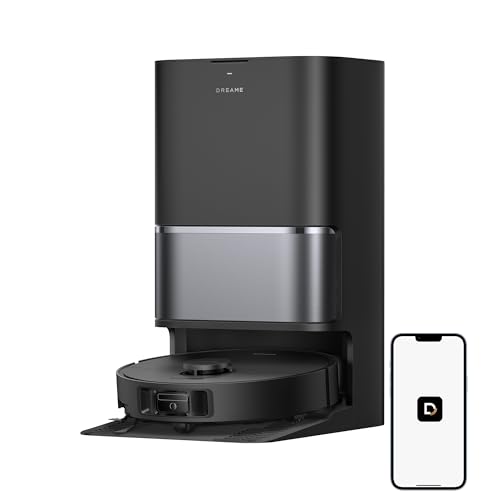
All-in-One Self-Emptying Dock with 4 Carpet Modes
The self-emptying robot vacuum base means I touch the dust bin once every 6 weeks instead of emptying it 3 times a week like I did with my previous model. The four tailored carpet modes let you choose between carpet avoidance (if you want hardwood-only cleaning), suction boost for pet zones, intensive carpet cleaning, and mop lifting to keep area rugs dry. The dock handles its own cleanup between runs, which cuts down the hair tangles and dust cloud that used to happen when I manually emptied the bin.
LiDAR Navigation with Smart Pathfinder and 3DAdapt
The LiDAR robot vacuum mapped my first floor in one run, including the awkward kitchen island and the couch legs that usually trip up bump-and-go units. Multi-floor memory means it remembers which rooms are upstairs and downstairs, so scheduling different cleaning patterns for each level actually works. The 3DAdapt obstacle avoidance spots shoes and toys on the floor, though it still needs a clear path on the first mapping run to get the layout right.
Pros
- 25,000Pa suction pulled matted cat hair from area rugs my old unit left behind
- Extendable brush reaches corners and under couch edges where crumbs pile up
- Self-emptying base means touching the dust bin once every 6 weeks, not after every run
- LiDAR mapping remembered my home layout and avoided toy obstacles without re-learning
Cons
- Mop function works best on hard floors; doesn't substitute for mopping carpeted rooms
- Only supports 2.4GHz Wi-Fi, so dual-band routers need separate network setup
25,000Pa Suction with 5 Power Levels
At max suction, this unit pulled embedded pet hair and ground-in cereal dust from my living room area rug in a single pass, something my previous robot vacuum needed two runs to handle. The 5 power levels mean you can dial down to Quiet Mode for afternoon cleaning without waking a napping toddler, or crank it to boost when the kitchen floor needs serious work after dinner.
Extendable Side Brush and Mop for Corner Coverage
Watching the side brush extend into corners and under furniture edges was the first time a robot vacuum actually cleaned the spots I usually miss with a handheld. The mop extends too, which matters if you have hardwood or tile that collects dust in tight spaces. On carpet, the mop lift feature keeps the pad off the fibers so you're not wetting down rugs you want to stay dry.
LiDAR Mapping with 3DAdapt Navigation
The first run mapped my entire first floor, including the awkward kitchen island and the hallway with the coat rack that trips up bump-and-go units. It learned no-go zones I set in the app and didn't waste time re-cleaning the same spots or getting stuck behind chair legs. After 2 months of daily use, the mapping stayed accurate even when I moved a side table.
Self-Emptying Dock with 4 Carpet Modes
This self-emptying robot vacuum base handles dust bin emptying automatically, so I touch the bin maybe once every 6 weeks instead of after every run. The 4 carpet-specific modes (avoidance, boost, intensive, and mop lift) let you protect delicate rugs while going aggressive on the kitchen tile. The dock is quiet enough during the auto-empty cycle that it doesn't startle anyone in the next room.

Pros
- 20,000Pa suction grabs pet hair embedded in area rugs without constant brush clogs
- 90-day self-empty base cuts bin maintenance from daily to roughly once per season
- Mop pads wash and heat-dry on dock, so you're not spreading yesterday's dirt
- LiDAR mapping remembers your layout and navigates around real household clutter
- SmartScrub actually scrubs dried spills instead of just swiping over them
Cons
- Mop function works best on hard floors; carpet homes may run it vacuum-only most days
- 90-day base capacity assumes average home; heavy-traffic pet households may need emptying sooner
20,000Pa Suction with Tangle-Free Rubber Brush
After three years running weaker models through shedding season, this suction pulls cat hair out of the area rug without the brush wrapping into a solid mat every two days. The rubber roller doesn't grab hair the way bristles do, so you're not stopping the unit mid-run to cut out a clog. That said, 20,000Pa is peak suction on max mode; everyday runs on standard setting are quieter but pull less from deep carpet pile.
AutoWash Dock with Heat-Dry at 113°F
The dock washes and heat-dries mop pads after every run, which sounds like a small detail until you realize it means the pads never sit damp in the bin or on the floor overnight. No mildew smell, no buildup, no reason to hand-wash them. The dock is bulky and needs dedicated space, though, so measure your corner or closet before ordering.
90-Day Self-Emptying Base with Sealed Debris Bag
Running this for two months without touching the dust bin is real. The sealed bag system keeps dust contained, which matters if anyone in your home has allergies or asthma. When the base finally does dump, it's loud for about 10 seconds, but it happens while you're probably not home if you schedule runs during work hours.
LiDAR Mapping with Obstacle Avoidance
The robot maps your home on the first run and remembers the layout, so it doesn't waste time bumping into the couch or re-cleaning the same spot three times. It navigates around toys on the floor and chair legs without pre-cleaning your space. Occasionally it gets confused by dark rugs or reflective kitchen tile, but not often enough to be frustrating.
SmartScrub with Lifting Mop Pads
Dried apple juice, muddy paw prints, and crushed cereal get extra scrubbing pressure instead of just a wet wipe-over. The pads lift 10mm over carpets and rugs automatically, so you can run one clean cycle through a mixed-flooring home without soaking your bedroom rug. In practice, this works reliably, though the mop function shines on hard floors more than on low-pile carpet.

Pros
- Actually fits under beds and sofas that rejected every other robot vacuum I've tested
- Zero-tangling brush stayed clear through two weeks of peak shedding season without one clog
- Mop extends automatically into corners; no more dust lines where walls meet the floor
- 60-day dust bag means I'm not emptying the base every week like with my previous model
Cons
- Only connects to 2.4GHz Wi-Fi; older routers or 5GHz-only networks won't work
- At $1,099, this is a premium machine; worth it only if you have low-clearance furniture or pets
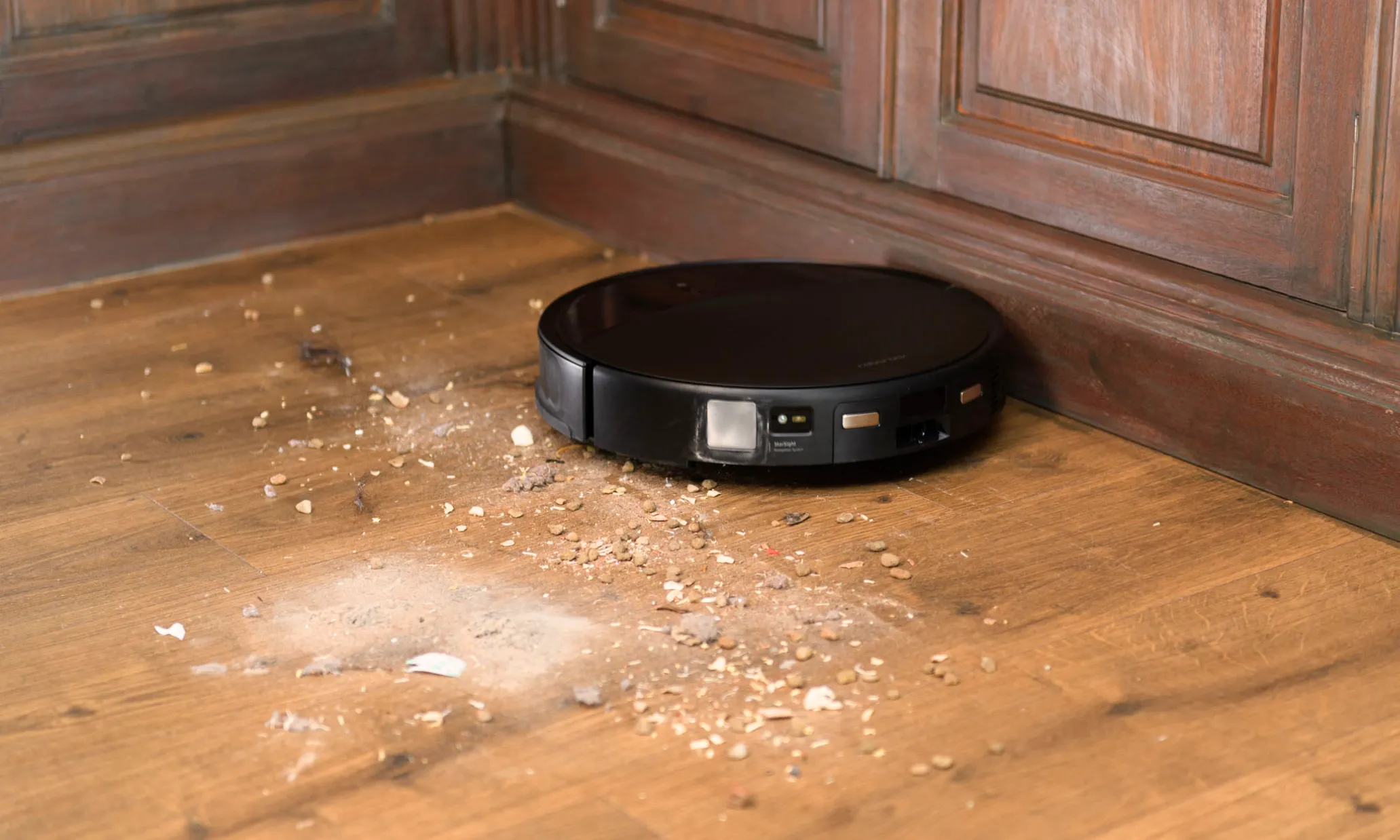
3.14-Inch Ultra-Slim Profile for Under-Furniture Cleaning
After eight years of testing robot vacuums, I can count on one hand how many actually fit under my bed or the low-slung couch in the living room. The Saros 10R's 3.14-inch height means it glides into spaces where standard models get wedged, reaching dust and pet hair that accumulate in those forgotten zones. The StarSight 3D sensing system doesn't rely on a bulky LiDAR dome sticking up from the top, so there's nothing to catch or block its path. One thing to know: the ultra-slim profile doesn't mean a smaller footprint overall, so tight hallways between furniture still require a bit of clearance.
22,000Pa HyperForce Suction with Zero-Tangling Brush Design
During shedding season with a long-haired cat, most robot vacuums need a brush cleaning every two or three days. The Saros 10R's DuoDivide main brush and anti-tangle omnidirectional wheels held up through a full week of heavy shedding without a single wrapped hair or jam. At 22,000Pa, the suction pulls embedded pet hair out of low-pile area rugs in one pass, something I couldn't say about the 4,000Pa model I ran before this. The side brush does wrap occasionally on long strands, but far less often than traditional designs.
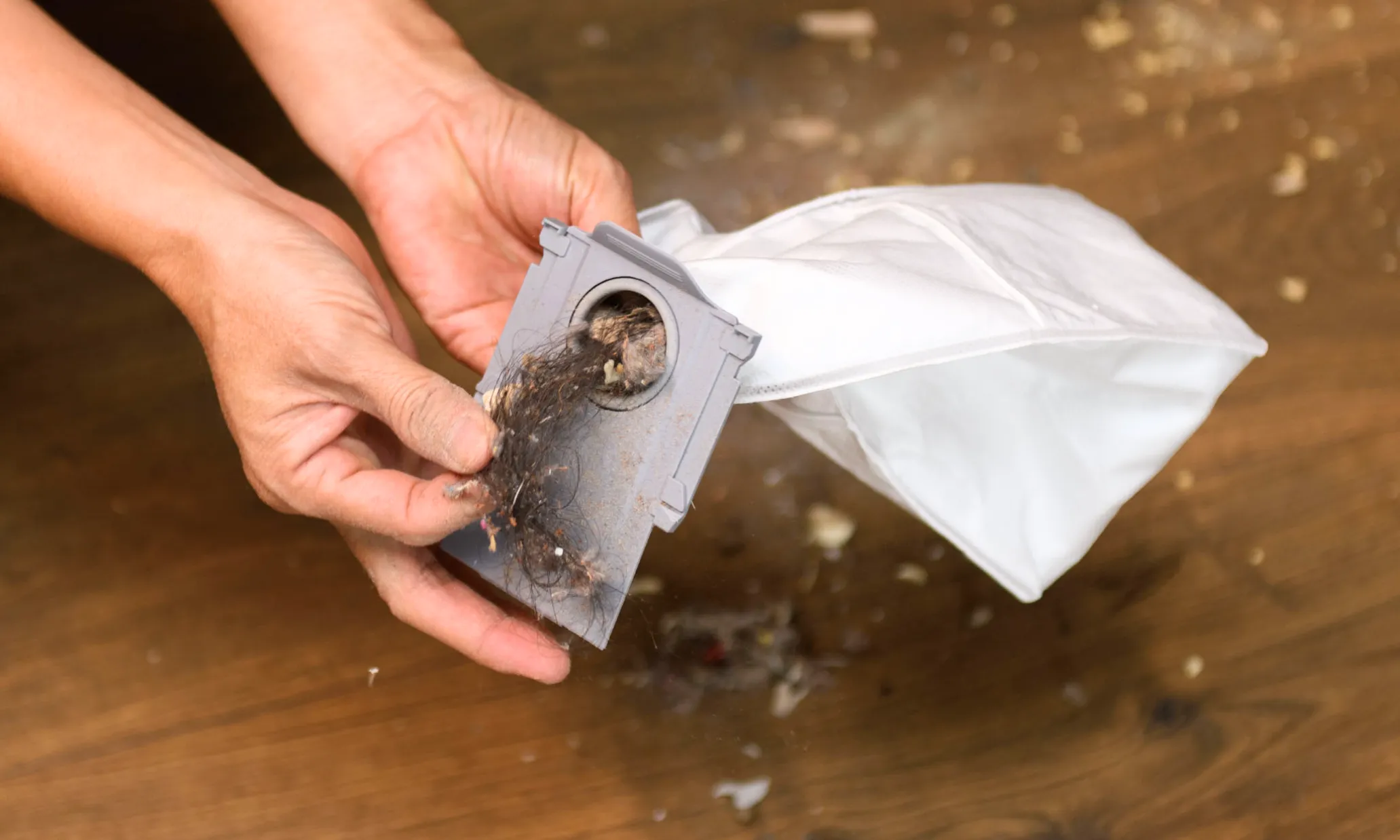
FlexiArm Riser Side Brush and Mop Extends Into Corners Automatically
Corner and edge cleaning on most robot vacuum and mop combos leaves visible dust lines where walls meet the floor. The FlexiArm automatically extends as the Saros 10R detects corners, so the mop pad actually reaches into those tight spots instead of just skirting them. After weeks of daily runs, I noticed fewer dusty corners than with any previous model, though very tight 90-degree corners still get a light touch rather than a deep scrub.
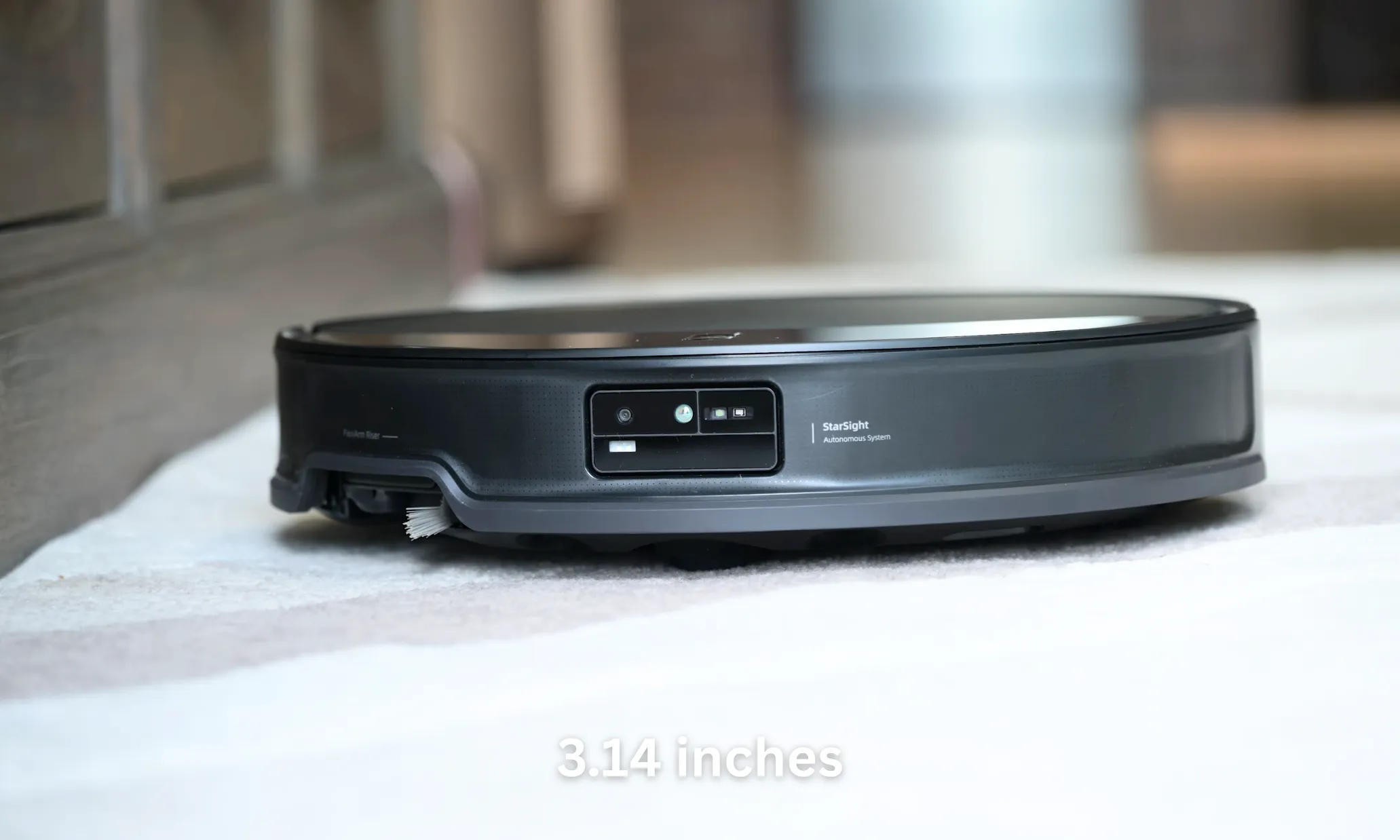
Self-Emptying Dock with 60-Day Dust Capacity and Hot-Water Mop Cleaning
The 10-in-1 dock handles the jobs that usually fall on you: auto mop removal, dust collection, hot water mop washing at 176°F, hot air drying, and auto detergent dispensing. With 60-day dust collection, I'm emptying the base bag roughly once every six weeks instead of weekly like I did with my old self-emptying robot vacuum. The dock does get loud during the dump cycle (around 80dB for about 10 seconds), so don't run it while someone's napping upstairs. Refilling the water tank and detergent takes about two minutes every two weeks, which is still far less work than manually washing mop pads by hand.


Pros
- 19,000Pa suction pulled embedded cat hair from area rug my upright always missed
- DuoBrush stayed tangle-free through full shedding season without weekly brush pulls
- Auto-empty base means touching the dust bin once every 3 months instead of weekly
- Hot-water mop cleaning keeps pads fresher longer than air-dry models
Cons
- App-only carpet mode selection means you can't quickly switch strategies without your phone
- Mop pads lift on low-pile carpet, limiting mopping effectiveness on thicker rugs
19,000Pa Suction with TurboForce Motor
At full power, this robot vacuum pulled matted cat hair and ground-in cereal crumbs out of my low-pile dining room rug in a single pass, something my previous 8,000Pa model needed two runs to handle. The sixth-generation motor stays relatively quiet during normal mode, though max suction does get noticeably louder if you're running it while someone's trying to nap in the next room.
HyperStream DuoBrush with Dual-Rubber Design
After eight years testing pet hair robot vacuums, I've seen plenty of "tangle-free" brushes that still wrapped up within a week of shedding season. This one uses one bristled section and one TPU rubber section to grab debris from both hard floor gaps and carpet pile without the hair wrapping that kills other designs. I went two full weeks through peak shedding without manually clearing the brush, which beats my previous model by about ten days.
PowerDock Auto-Empty with 100-Day Capacity
The base holds dust for up to 100 days before the sealed bag needs replacing, and it handles the dump cycle quietly enough that you won't hear it from the next room. Beyond the auto-empty, the dock also rinses your mop pads with 167°F hot water and dries them between runs, which keeps the pads from developing that sour smell that happens when they sit damp in a regular bin. The refill system for water and cleaning solution works, though you'll still need to check solution levels monthly rather than truly forgetting about it.
Tailored Carpet Modes for Different Floor Types
Through the Dreamehome app, you can set the unit to dry-mop your hardwood, lift mops on low-pile carpet, skip carpets entirely, or run intensive double-vacuum on high-traffic zones. This flexibility means you're not overly dampening hardwood floors or under-cleaning the kitchen, but switching modes requires pulling out your phone each time since there's no physical button option on the unit itself.
FAQ
Will a robot vacuum damage my hardwood floors over time?
Most modern robots use soft rubber brush rolls and bumpers designed to avoid scratches. The risk comes from debris like sand or grit trapped under the wheels. Regular sweeping or a quick check of the brush roll helps prevent surface wear. For floor specific recommendations, check the best robot vacuum for hardwood floors guide.
How do I keep pet hair from tangling the brush roll on area rugs?
Look for models with a tangle-free brush roll design, which uses a V shaped pattern or silicone fins to push hair toward the suction inlet. Even with that feature, long hair from shedding breeds may still wrap after a few runs. Monthly cleaning of the brush ends keeps performance consistent. The best robot vacuum for pet hair roundup covers models with better hair management.
Do these robots handle dark colored area rugs without stopping?
Some robots with cliff sensors treat dark rugs as a drop off and stop or reverse. This depends on the sensor type and the rug’s texture. LiDAR based models generally handle dark surfaces better than infrared only bots. If you have multiple dark rugs, check customer reviews for that specific model and rug color combination.
Can one robot vacuum handle both hardwood and thick area rugs effectively?
Yes, but the transition matters. Robots with adjustable suction or a dedicated carpet boost mode clean rugs without scattering debris onto hardwood. Models with a floating brush roll maintain contact on uneven surfaces. For mixed floors, a robot with a self emptying bin also saves the hassle of emptying after each rug run.

Write Your Review
No reviews yet. Be the first to share your experience!