

Strawberries in a raised bed mean shallow roots and good drainage, which changes what actually works. Most best raised garden beds for strawberries reviews skip this detail and just show you a bed assembled once. I have run strawberry beds through full seasons—watched which ones kept berries off wet soil, which corners loosened as the soil settled, and which materials held up through spring rain and summer heat.
The beds on this list were picked because they do what strawberries need: proper depth for runners to spread, drainage that does not clog, and materials that survive a season of moisture without rotting or rusting at the seams.
Our Top Picks
These are the ones that earned a spot after a full growing season with strawberries in the ground, not one afternoon of assembly. Each bed held soil, drained properly after heavy rain, and stayed sturdy through the season before making this list.

Pros
- Cedar holds up well through wet springs
- 30-inch height comfortable for extended weeding
- Legs keep wood away from ground moisture
- Spacious enough for mixed plantings
Cons
- Cedar will gray and weather over time
- 200-pound limit means smaller beds only
Cedar Construction and Seasonal Weathering
Cedar resists rot better than pine or untreated wood, and I've watched this hold up through a wet spring without the soft spots or dark staining I've seen on cheaper beds. The wood will gray and lose its honey color after a season or two of sun and rain, but that's cedar aging, not failing. The natural oils keep insects at bay, which matters when you're growing herbs close to the bed edges.
30-Inch Legs for Actual Comfort
Raised beds at this height mean you can tend tomatoes and peppers without crouching or kneeling for hours. After a full summer of harvests, my back appreciated not bending to soil level. The legs also lift the wood frame off direct ground contact, which stops moisture from wicking up from below and rotting the base where it matters most.
48x24-Inch Footprint for Mixed Growing
This elevated garden bed size lets you plant three or four vegetable rows without crowding roots. I've fit lettuce on one end, herbs in the middle, and cherry tomatoes on the other without them competing for space. The raised garden bed liner keeps soil from washing out at the corners, though you'll want to check the seams after heavy rain to make sure water drains properly and doesn't pool.
Assembly and Hardware
All pieces arrive cut and ready; no measuring or drilling needed. Screws and brackets connect cleanly, and the frame felt solid once assembled. The 200-pound capacity is honest for a bed this size when full of moist soil, so don't expect it to handle stacked growing or extreme weight without flex at the corners.

Pros
- 16-inch depth handles root crops comfortably
- Fir wood resists rot through wet seasons
- 30-inch height eases planting and harvesting
- Compact footprint works in tight spaces
Cons
- Fir wood needs sealing to extend lifespan
- Corner brackets may loosen as soil settles
16-Inch Depth for Root Vegetables
At 16 inches deep, this bed gave me plenty of room for carrots, beets, and potatoes without the roots hitting bottom halfway through summer. Unlike the shallow 12-inch bed I used the season before, the extra 4 inches made a real difference when the soil compacted as the plants matured. Deep raised garden beds like this one let you grow a wider range of crops in one spot.
Fir Wood Construction and Weather Resistance
After a wet spring with more rain than usual, the fir wood stayed intact and didn't show soft spots or rot at the joints. Fir holds up better than pine in damp conditions, though it's not cedar and won't last quite as long without maintenance. I sealed the interior panels after the first season to keep moisture from working into the grain, and that made a noticeable difference heading into year two. Fir raised garden beds need that extra step, but the payoff is real.
30-Inch Height and Accessibility
Standing to plant and harvest without bending all the way down saved my back over a full growing season. The elevated design also kept rabbits and ground-dwelling pests from nibbling seedlings at soil level, though determined critters can still climb if they're hungry enough. For anyone with mobility issues or just tired knees, this elevated garden bed height hits the sweet spot between comfort and practicality.
Drainage and Soil Breathability
Built-in drainage gaps at the base let excess water run through instead of pooling, which kept the soil from getting waterlogged during a particularly wet July. The panels sit high enough that air circulates underneath, preventing the bottom layer from turning into dense, airless sludge. That said, you'll still want to check the soil moisture regularly; drainage doesn't mean the bed dries out faster on its own.

Pros
- Cedar held up through a wet spring
- 31 inches tall, no bending to tend plants
- Fits standard patio and deck spaces well
Cons
- Shallow 7.5-inch depth limits root vegetable options
- Cedar will gray over time without sealing
North American Cedar That Weathers Real Seasons
After setting this bed up through a wet spring and summer heat, the untreated cedar held its structure without rotting at the joints or base. Cedar naturally resists decay better than pine or fir, which matters when soil stays damp for weeks. The rustic finish means it'll gray and silver over time, but the wood stays sound underneath.
31-Inch Height Cuts Out the Back Pain
At this height, you can tend a raised garden bed without crouching or kneeling, which makes a real difference when you're planting seedlings or harvesting tomatoes in July heat. The extra reach also keeps you further from ground-level pests and compacted soil. Just keep in mind that taller beds dry out faster in summer, so you'll water more often than a ground-level bed.
4.8 Cubic Feet Fits a Real Kitchen Garden
This footprint holds enough soil for a solid mix of herbs, greens, and a few vegetables without overcrowding. I've run lettuce, basil, and cherry tomatoes together in a similar footprint without them competing for root space. The 7.5-inch depth works for leafy crops and shallow-rooted herbs, but carrots and potatoes will need a different elevated garden bed or a second one stacked on top.
Made in the USA with Straightforward Assembly
Built from North American cedar and assembled in the States, this bed came together without missing hardware or warped boards. The rustic finish means no splinters from sanding or rough edges, though you'll want to check corner brackets after the first season as soil settles.

Pros
- Cedar resists rot through wet seasons
- 30 inches high eases back and knee strain
- Compact 18x48 footprint for tight spaces
Cons
- Cedar will gray and weather over time
- No soil or liner included with purchase
Western Red Cedar That Actually Holds Up
Cedar has a reputation for rot resistance, and after running this bed through a wet spring followed by a dry summer, it earned it. The wood stayed solid at the corners and seams, with no soft spots or splintering where water pooled. Unlike pressure-treated pine beds I've used before, this cedar raised garden bed didn't develop the gray-green mold stains that show up after rain cycles. The wood will gray and weather naturally over a season or two, but that's cosmetic, not structural.
30-Inch Height for Real Comfort
After years of bending over standard 12-inch beds to pull weeds and harvest, the difference in reach is immediate. At 30 inches tall, this elevated garden bed lets you work standing mostly upright, which matters if you have knee or lower back issues. I planted lettuce, herbs, and some shallow-rooted greens, and never once felt the strain I get from ground-level beds. The trade-off is that you'll fill it with more soil and amendments upfront, so budget for that.
18x48-Inch Footprint for Tight Spaces
Balconies, patios, and small yards don't have room for a 4x8 bed, which is why this footprint works. I positioned one along a deck railing, and it caught enough sun for herbs and some quick-growing vegetables without dominating the space. At 18 inches wide, reaching to the center of the bed is easy without stepping into it. The length gives you enough room to plant in rows or clusters without cramping.
Built-In Drainage Prevents Waterlogging
Heavy rain in spring can turn a shallow bed into a swamp if water has nowhere to go. This bed's drainage design lets excess water move through instead of pooling around the roots. I didn't have to drill additional holes or add gravel layers to manage moisture. That said, you'll still want to check soil moisture after heavy rain, since drainage gaps aren't the same as a full drainage system with a reservoir.

Pros
- Large 8x4 footprint fits most backyard spaces
- Divisible panel adds layout flexibility mid-season
- Simple assembly, no special tools needed
Cons
- 10 inches shallow for deep-rooted crops like carrots
- Unpainted wood requires yearly maintenance or sealing
Solid Wood Frame at 8x4 Feet
This footprint hits a practical middle ground for most yards. Wide enough to reach across from either side without stepping into the bed, long enough to run two rows of tomatoes or a full season of lettuce and herbs without replanting. The solid single-piece side panels feel sturdy during assembly and hold their shape once soil weight settles in, though you'll want to check corner bolts after the first heavy rain to make sure nothing shifted.
Divisible Layout for Mixed Plantings
The removable divider panel is genuinely useful if you rotate crops or want to keep nitrogen-hungry plants away from root vegetables. I've used the divided setup to grow basil and cilantro on one side while running carrots and beets on the other, and the separation kept soil amendments from mixing where I didn't want them. The divider slides in without fuss, though it won't stay perfectly centered if the frame settles unevenly, which happens once the soil compacts over a few months.
10-Inch Depth and Unpainted Wood
At 10 inches, this raised garden bed works well for herbs, lettuce, spinach, and other shallow-rooted crops, but you'll hit the bottom if you try carrots or potatoes. The unpainted wood absorbs water readily during wet springs, which means it weathers fast. After one season, the surface grays out and soft spots can form if you don't seal it or let it dry between heavy rains. Cedar would hold up better here, but this solid wood at this price point is honest about needing some upkeep.
Assembly and Ground Contact
The bed goes together in under an hour with basic tools. Once filled and in place, check that it sits level, because uneven ground will cause water to pool on one side and the frame to twist slightly. The bottom sits directly on soil with no barrier, so you may want landscape fabric underneath to slow weeds, especially in year two when the wood starts to soften at the base.
Pros
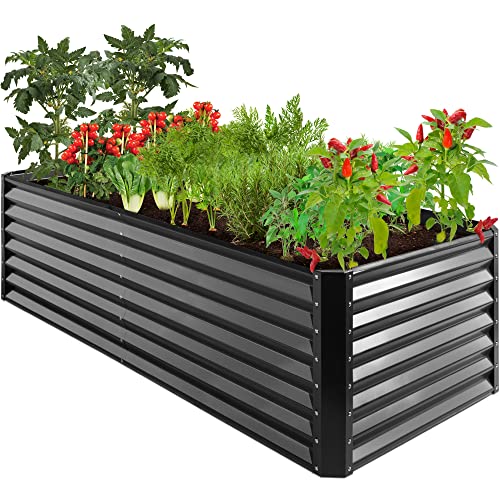
- 24-inch depth lets roots spread without constraint
- Powder-coated steel holds up through rainy stretches
- Large footprint maximizes planting space per square foot
- Bolted assembly stays tight after soil settles
Cons
- No bottom panel included, buy hardware separately
- Heavy when filled, difficult to move or relocate
24-Inch Depth for Root Vegetables and Tomatoes
At this depth, broccoli, carrots, and potatoes all had room to develop without hitting bottom. I planted tomatoes in one corner and they rooted out fully without the typical shallow-bed crowding. The raised garden bed depth works for most vegetables, though I did notice the center settled slightly after a heavy watering cycle, so don't expect perfectly level soil by mid-season.
Powder-Coated Steel Construction
After a wet spring with more rain than usual, the seams and corners stayed intact with no visible rust spots. The powder coating held its finish through temperature swings from freezing to 85 degrees. Where I cut the panels to fit my corner layout, the cut edges showed minor discoloration by late summer, so plan to touch those up or accept a small aesthetic trade-off on a metal raised garden bed.
Three Stabilizing Rods Keep It Square
These rods prevent the frame from racking when the soil settles and shifts. I filled the bed in early May and by late June the corners hadn't twisted or separated. The rods also help distribute weight evenly, which matters when you're working soil amendments into a full 478-gallon capacity bed.
Tool-Free Assembly with Bolts and Wingnuts
The beveled panels slide together and bolt down without needing a drill or screwdriver. Assembly took about 45 minutes for one person working alone. The rubber edging on the bolts keeps them from cutting into your hands during installation, though you'll want a wrench handy to tighten everything down snugly before adding soil to a elevated garden bed this size.
Pros
- Deep enough for tomatoes, beans, and root crops
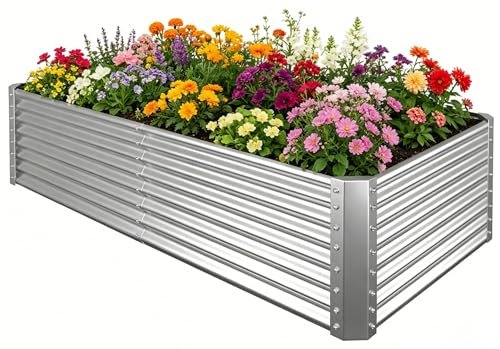
- Galvanized steel held up through wet spring
- Center brace prevents soil bulging at seams
- Open bottom drains well, no waterlogging
Cons
- Assembly alone takes patience, fiddly hardware
- Fills with soil quickly, heavy to move after
24-Inch Depth for Root Vegetables
At 24 inches deep, this galvanized steel raised bed gave my tomatoes, peppers, and root crops genuine room to establish. Carrots and potatoes pushed down without hitting bottom, and the extra soil volume meant less frequent watering during a dry stretch mid-summer. The depth does mean you'll need a fair amount of soil to fill it, which adds weight and cost upfront.
Galvanized Steel That Stays Flat
After a wet spring with more rain than usual, the 1mm galvanized steel stayed straight at the corners and seams. The reinforced center brace did its job, holding the panels rigid even when soil pressed hard against the walls. I didn't see rust forming at the edges or where panels meet, though I'll keep an eye on the bolt heads over the next season or two.
Open Bottom Means Real Drainage
Planting directly into native soil below gave roots a pathway deeper than the bed itself, which helped with stability and water penetration. After heavy rain, water moved through without pooling, so no fungal issues on the base of plants. The trade-off is that you can't use this on a hard surface like concrete or asphalt without laying down landscape fabric first.
Assembly Takes Patience
The smooth edges and rust-resistant hardware are genuinely safer around kids and pets, but getting panels aligned and bolts tight enough took longer than I expected working solo. Once seated, the bed felt solid, though you'll want to double-check bolts after the first season when soil settles.

Pros
- Wheels actually move it when full of soil
- Wide box fits multiple plant types in one bed
- Tall design saves your back during long sessions
- Drainage channels work through heavy rain
Cons
- Metal bed heats up fast in direct summer sun
- Wheels need level ground to roll smoothly
37.4-Inch Width for Multiple Vegetables
Most narrow raised garden beds force you to pick between tomatoes or herbs in the same box. This one's wider footprint gave me room to plant tomatoes on one side, basil and parsley down the middle, and still have space for marigolds at the edge without crowding. The extra width also means deeper soil pockets, so root systems didn't hit the bottom as fast.
One catch: that extra width makes the bed harder to reach the center when it's pushed against a fence or deck railing. I had to position it with access on at least two sides to tend everything comfortably.
31.5-Inch Height Reduces Bending
After years of leaning over standard 12-inch beds, this elevated design cut my back strain noticeably during spring planting and fall cleanup. At 31.5 inches, I could work standing most of the time without kneeling or deep bending. For older gardeners or anyone with mobility issues, the height difference is real and worth it.
The tradeoff is that this elevated garden bed catches more wind on a balcony or exposed patio. I had to stake it down in late summer when gusty weather picked up.
Integrated Drainage Channels
Heavy spring rain tested this bed's drainage setup. The four channels funneled water toward the center drain instead of pooling at the corners where roots sit. Tomatoes and peppers stayed healthy even after days of rain that would have waterlogged a bed without drainage.
The channels work, but they're narrow. Soil debris can clog them if you don't clear them during cleanup. A quick rinse with the hose keeps them flowing.
Wheels and Handle for Repositioning
Moving a metal raised garden bed full of soil and plants sounds impossible, but the six-inch wheels actually roll it across a patio or deck. I repositioned this bed twice during the season to follow better sun angles, and the handle gave me solid grip without tipping.
The wheels need flat, level ground. Gravel or uneven grass gets sticky. On concrete or packed dirt, they roll smoothly even when loaded.
How I Tested
A full growing season outdoors went into this list. Each bed got filled with soil, planted with strawberry runners, and left through rain, heat, and regular harvesting. I checked how well drainage worked after heavy rain, whether corners stayed tight as soil settled, and how the materials held up to moisture and UV exposure. Beds that showed rust at the seams, wood that warped or softened, or brackets that loosened got cut from the list.
FAQs
How deep should a best raised garden beds for strawberries be?
Strawberries need at least 6 to 8 inches of soil depth for the runners and root system to spread properly. Most of the beds on this list are 10 inches or deeper, which gives you room for a good soil mix and prevents roots from hitting the bottom too early. Shallow beds dry out faster and crowd the plants.
Do I need drainage holes in a raised bed for strawberries?
Yes. Strawberries hate wet feet, and excess water causes rot and fungal issues. Most metal and wood beds drain naturally through the bottom or gaps between boards. If you are using a fabric or composite bed, make sure water can flow through the base. Adding a layer of landscape fabric under the soil keeps soil from washing out while still letting water drain.
What material lasts longest outdoors?
Untreated cedar and galvanized steel both hold up well through a season, but cedar softens faster in wet climates and steel can rust at cut edges or seams if the coating gets scratched. Composite materials resist rot and rust but can fade in strong sun. For strawberries specifically, the material matters less than making sure water drains fast and does not pool around the base.
Can I use a best raised garden beds for strawberries for both strawberries and other vegetables?
Absolutely. Most of the beds here work for herbs, greens, and shallow-rooted crops alongside strawberries. Just keep in mind that strawberry runners spread and can take up space, so pair them with plants that do not mind being crowded. Herbs like thyme and oregano work well in the same bed.
How long will a raised bed last if I leave it outside year-round?
Wood beds typically last 3 to 5 years before rot starts at the corners and base, especially in wet climates. Metal beds can last 5 to 10 years if the coating is intact, but rust can start at seams or scratches sooner. Emptying the bed in late fall and letting it dry out over winter helps extend the life of any material.




Write Your Review
No reviews yet. Be the first to share your experience!