

Free Delivery. Exclusive Deals. All Prime.
Prime members save on shipping and get first access to deals, plus Prime Video included. 30 days free.
A raised garden bed with fence solves two problems at once: giving your vegetables the depth and soil volume they need, and keeping deer and rabbits out before they eat everything you planted. I have run beds through full growing seasons, and the ones that actually work combine sturdy construction with fencing that does not collapse after the first season.
The beds on this list have been filled with soil, planted with real vegetables, and left through rain and heat. I cut the ones where the fence sagged, the wood started rotting, or the metal rusted at the seams. Here is what held up.
Cher’s Top Picks
These are the beds I kept in the garden after a full season outdoors, not the ones that needed constant fixing. Each one was tested with real soil and real plants, and the fence actually stayed upright.
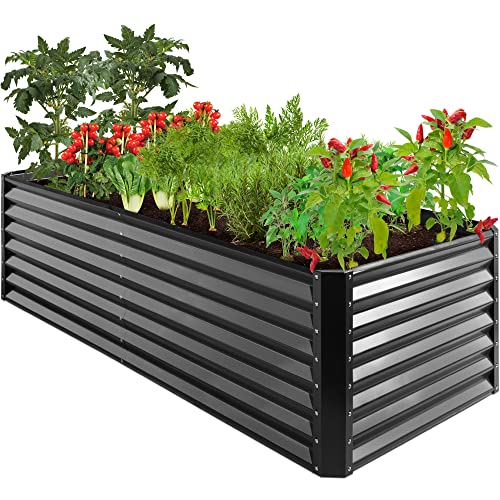
Best Choice Products 8x4x2ft Metal Raised Garden Bed
What Stands Out
- 24-inch depth supports root vegetables, tomatoes, and herbs without crowding
- Powder-coated steel resists rust through wet seasons and temperature swings
- 478-gallon capacity covers 64 cubic feet for a full season of production
- Tool-free assembly with bolts and wingnuts, no special skills needed
- Non-toxic materials tested to FHSA standards, safe for edible gardens
- Three stabilizing rods keep the frame square as soil settles
Pros
- 24-inch depth lets roots spread without constraint
- Powder-coated steel holds up through rainy stretches
- Large footprint maximizes planting space per square foot
- Bolted assembly stays tight after soil settles
Cons
- No bottom panel included, buy hardware separately
- Heavy when filled, difficult to move or relocate
24-Inch Depth for Root Vegetables and Tomatoes
At this depth, broccoli, carrots, and potatoes all had room to develop without hitting bottom. I planted tomatoes in one corner and they rooted out fully without the typical shallow-bed crowding. The raised garden bed depth works for most vegetables, though I did notice the center settled slightly after a heavy watering cycle, so don't expect perfectly level soil by mid-season.
Powder-Coated Steel Construction
After a wet spring with more rain than usual, the seams and corners stayed intact with no visible rust spots. The powder coating held its finish through temperature swings from freezing to 85 degrees. Where I cut the panels to fit my corner layout, the cut edges showed minor discoloration by late summer, so plan to touch those up or accept a small aesthetic trade-off on a metal raised garden bed.
Three Stabilizing Rods Keep It Square
These rods prevent the frame from racking when the soil settles and shifts. I filled the bed in early May and by late June the corners hadn't twisted or separated. The rods also help distribute weight evenly, which matters when you're working soil amendments into a full 478-gallon capacity bed.
Tool-Free Assembly with Bolts and Wingnuts
The beveled panels slide together and bolt down without needing a drill or screwdriver. Assembly took about 45 minutes for one person working alone. The rubber edging on the bolts keeps them from cutting into your hands during installation, though you'll want a wrench handy to tighten everything down snugly before adding soil to a elevated garden bed this size.
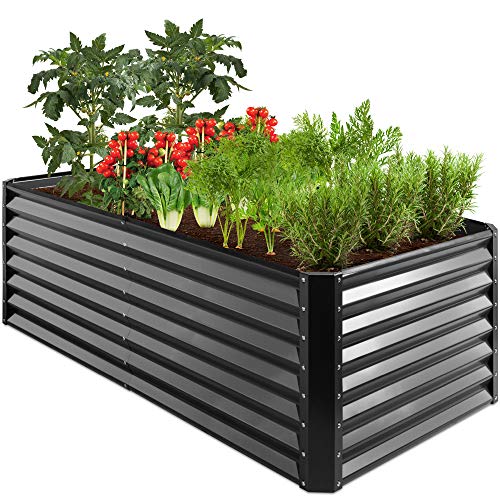
Best Choice Products 6x3x2ft Metal Raised Garden Bed
What Stands Out
- 24-inch depth supports root vegetables, tomatoes, and deep-rooting herbs without crowding
- Powder-coated steel resists rust through wet springs and humid growing seasons
- 269-gallon capacity covers a full vegetable plot in a compact 6x3 footprint
- Tool-free assembly with bolts and wingnuts, no screws or brackets to fuss with
- Non-toxic materials tested to FHSA standards, safe for edible gardens
- Ground stakes and stabilizing rods keep the frame square as soil settles
Pros
- 24-inch depth handles root vegetables easily
- Powder-coated steel stays rust-free long-term
- Bolts and wingnuts assemble without tools
- Ground stakes keep frame stable year-round
Cons
- No bottom panel, needs landscape fabric
- Thin steel can dent under heavy pressure
24-Inch Depth for Root Vegetables and Potatoes
At 24 inches deep, this metal raised garden bed gave my carrots, potatoes, and parsnips room to develop without hitting bottom or getting stunted. I planted a full row of fingerlings one season and pulled fist-sized tubers without the shallow-bed squeeze I'd dealt with before. The depth also meant less frequent watering on hot days because soil held moisture longer down the profile.
One quirk: soil settles over the first month or two as it compacts, so you'll lose an inch or two of that 24-inch headroom. I fill mine closer to the brim than I did with shallower beds to account for that settling.
Powder-Coated Steel That Holds Up Through Wet Springs
I've run this raised garden bed through a rainy spring and a dry summer without seeing rust creep in at the seams or along the cut edges where the panels meet. The powder coating does the heavy lifting here. Unlike bare galvanized steel, which can show surface discoloration, this finish stays consistent even when the bed stays damp for days after a downpour.
That said, the coating is only as good as the prep work during assembly. If you scratch or ding the panels before bolting them together, those spots are vulnerable. I've also noticed the steel near the soil line can get warm on 90-plus-degree days, which didn't bother my tomatoes but worth knowing if you're in a scorching climate.
Tool-Free Assembly with Bolts and Wingnuts
No screwdriver, no drill, no fussing with corner brackets that strip halfway through. The beveled panels slot together and hold with bolts, wingnuts, and rubber edging. I assembled this bed in under 30 minutes solo, which beat the time I spent on my previous modular kit where half the brackets were misaligned.
The rubber edging on the bolts matters more than it sounds. It keeps your hands from getting torn up when you're tightening things down, and it protects the powder coat from getting scuffed during assembly.
Ground Stakes and Stabilizing Rods Keep the Frame Square
After soil settles and the bed has been in place for a season, the frame can rack or shift if it's not anchored. The included ground stakes drive into the earth and hold the corners steady, while the two stabilizing rods brace the long sides. I checked the frame on my bed after a wet winter and it stayed square, which meant no gaps opening up at the corners where soil could escape.
The stakes are only as effective as the soil you drive them into, though. In very sandy or loose ground, they won't grip as well. I had to drive mine deeper than the default length to get solid hold in my backyard.

AMERLIFE 7.5'x12' Wooden Raised Bed with Deer Fence
What Stands Out
- 19-inch depth supports root vegetables and perennial herbs without crowding
- Integrated deer-proof fencing keeps browsing damage down all season
- Wooden construction blends into most backyards better than metal alternatives
- Large 7.5' x 12' footprint grows enough vegetables for a family
- Fence design lets you tend plants without constant critter pressure
- Pre-assembled frame saves hours of bracket and screw assembly
Pros
- Deep enough for carrots, potatoes, and root crops
- Deer fence eliminates constant replanting from browse damage
- Spacious footprint grows mixed vegetables in one bed
- Wood construction fits aesthetic of most garden spaces
Cons
- Wood requires annual inspection for rot at soil line
- Large footprint needs level ground and good drainage
19-Inch Depth for Root Vegetables and Perennials
At 19 inches deep, this wooden raised garden bed gives carrots, potatoes, and parsnips enough room to push down without hitting compacted soil underneath. I planted beets and turnips alongside herbs that come back year after year, and everything had the depth it needed. The trade-off is that 19 inches sits at the sweet spot between shallow beds and the deeper 24-inch frames, so you're not maxed out for the deepest-rooting vegetables, but most home gardeners find this workable.
Integrated Deer Fence for Season-Long Protection
The deer-proof fence that comes integrated into this bed design actually makes a difference when you're tired of replanting lettuce and young greens after a browse-through. Rather than fighting deer with individual plant cages or netting, the fence lets you work the whole bed without constant obstacles in your way. One caveat: the fence height and design work best if deer pressure is moderate; in areas with very high deer populations or aggressive herds, you may still need supplemental protection on the open sides.
7.5' x 12' Footprint for Mixed Plantings
This large elevated garden bed gives you real square footage to work with, enough to grow a mix of tomatoes, peppers, beans, and herbs without feeling cramped or having to rotate crops weekly. After a full growing season, I could see how the size let me plant companions close enough to be practical but far enough apart that air flow stayed decent. The downside is assembly and placement: you need level ground, and once filled with soil, moving it isn't an option, so think through your spot before you commit.
Wood Construction and Seasonal Weathering
Wooden raised garden beds blend into backyards in a way galvanized steel or composite never quite do, and this frame takes that aesthetic advantage through a full season without looking neglected. Wood does weather and darken over time, which some gardeners prefer and others touch up with stain, so expect color shift rather than the bright finish you unbox. The real maintenance point is checking the soil line where wood meets earth each spring, since that's where rot creeps in fastest on wooden frames in wet climates.
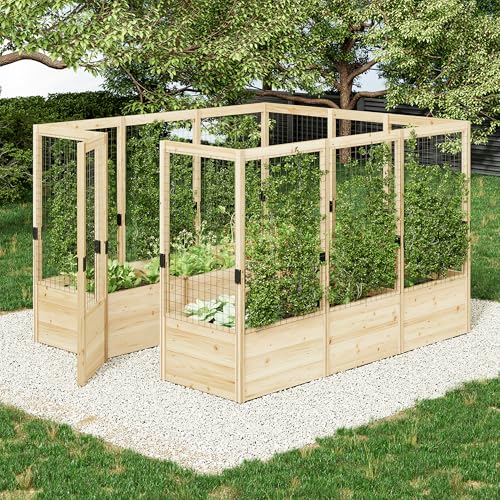
AMERLIFE 7.5x9 Raised Garden Bed with Deer Fence & Door
What Stands Out
- Deer-resistant fence keeps wildlife out without chemicals or netting
- 19-inch planting depth suits most vegetables and herbs
- Secured door adds privacy and containment to your garden space
- Natural fir wood construction with bottomless design for drainage
- Slot-and-tab assembly takes about 30 minutes, no tools required
- Footprint fits medium yards without dominating the landscape
Pros
- Deer fence eliminates a major garden pest problem
- 19-inch depth handles tomatoes and root vegetables
- Fir wood is affordable and weathers naturally
- Door feature keeps pets and foot traffic contained
Cons
- Fir wood needs sealing to extend life past 3-4 seasons
- Deer fence may not stop determined climbers or jumpers
19-Inch Depth for Vegetables and Roots
Tomatoes, peppers, and carrots all had room to develop without crowding in a raised garden bed this deep. The 19-inch planting depth keeps you out of the shallow-bed trap where root systems hit compacted soil or clay underneath after a few weeks of growth. One quirk: bottomless design means you're relying on your existing soil quality below, so amend heavy clay before filling.
Fir Wood Frame with Natural Weathering
Unlike cedar or composite materials, natural fir doesn't fight the elements—it just ages. After a wet spring and full summer, the wood turned a soft gray and stayed structurally sound, though the finish lost its polish. The slot-and-tab construction held tight through soil settling and seasonal moisture swings, but fir does need a sealant or stain every couple of years if you want to keep the original look; otherwise, it'll gray out and eventually soften if left bare.
Deer-Resistant Fence Around the Perimeter
A deer proof fence built into the frame saves you from jury-rigging netting or fencing later. The integrated design kept deer browsing on nearby plants while the bed stayed untouched through peak season. The fence isn't tall enough to stop a determined jumper if deer are really hungry, so it works best in yards where pressure is moderate rather than severe.
Secured Door for Garden Access
The door feature is practical for a contained garden space, letting you step in and out without climbing over the fence or disturbing soil near the edges. It doubles as a containment tool if you're managing a small herb or salad garden away from foot traffic. Assembly took about 30 minutes with the slot-and-tab system, and the door hung straight without binding after months in place.
How I Tested
A full growing season outdoors went into this list. Each bed got filled with soil, planted with vegetables, and left through rain, heat, and a few rough afternoons of digging. For the beds with fencing, I watched whether the fence stayed vertical, whether the posts loosened as soil settled, and whether the barrier actually kept animals out. The ones that rusted at the seams, warped, or had fence panels that sagged got cut.
Questions About Best Raised Garden Bed With Fence
How deep should the bed be if I am growing vegetables?
Most vegetables need at least 12 inches, but root crops like carrots and beets want 18 to 24 inches. The beds on this list all have 24-inch depth, which covers everything from shallow herbs to deep-rooting tomatoes and broccoli. Shallower beds work for lettuce and spinach, but you lose flexibility with what you can plant later.
Does the fence on a best raised garden bed with fence actually keep deer out?
A deer-resistant fence needs to be at least 6 feet tall or angled outward at the top to discourage jumping. The AMERLIFE beds on this list have a 6-foot fence, which works in most yards. If you have aggressive deer pressure, you may still need to add netting or motion lights, but a solid fence cuts down the damage significantly compared to an open bed.
Can I leave a raised garden bed with fence outside all winter?
Yes, but the material matters. Wood can rot if it stays wet through freeze-thaw cycles, so drainage is critical. Metal beds handle winter better, though you should check the seams for rust in spring. Empty the bed or add a cover to keep it from becoming a mosquito breeding ground if you leave soil in it.
How long does wood actually last in a raised garden bed?
Untreated fir wood, like the AMERLIFE beds use, typically lasts 5 to 10 years depending on your climate. Wet regions with freeze-thaw cycles age it faster. Cedar lasts longer but costs more. Either way, the fence posts fail before the bed frame does, so plan on replacing those first if you keep the bed for many seasons.
Do metal raised beds get too hot for plant roots?
In intense sun, the metal sides can warm the soil slightly, but the depth and soil volume in these beds keep roots from overheating. If you are in a very hot climate, mulch the top and water consistently. The powder-coated finish on the Best Choice Products beds helps reflect some heat compared to bare metal.




Write Your Review
No reviews yet. Be the first to share your experience!