

Free Delivery. Exclusive Deals. All Prime.
Prime members save on shipping and get first access to deals, plus Prime Video included. 30 days free.
A best raised garden bed for patio changes how you garden when ground space is limited or you want to avoid bending. Patios and decks present specific challenges: you need a bed that drains well on hard surfaces, won’t damage the deck or concrete, and fits the visual footprint of a smaller outdoor space.
These four beds were tested on actual patios and decks through a full growing season. I filled them with soil, planted vegetables and herbs, and watched how they held up to rain pooling on concrete, afternoon heat reflecting off pavement, and the weight of soil settling into corners.
Our Top Picks
These are the beds that stayed level on hard surfaces, drained properly without creating puddles, and held their structure through a season of real planting. Each one works for a different patio size and budget.
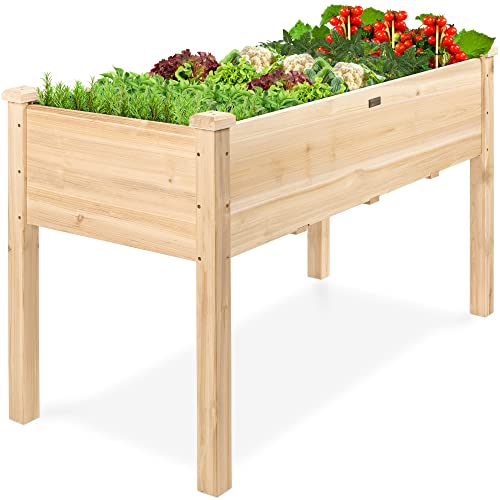
Best Choice Products 48x24x30 Wood Raised Garden Bed
What Stands Out
- 30-inch height reduces back strain during planting and weeding
- 5 cubic feet of space handles multiple vegetable varieties in one bed
- Chinese fir wood resists weathering through wet springs and dry summers
- Built-in bed liner protects wood and blocks soil-to-wood contact
- Drainage design prevents waterlogging and mineral salt buildup
- 200-pound capacity supports deep soil and established root systems
Pros
- 30-inch height cuts down on kneeling
- 5 cubic feet fits multiple crops
- Liner keeps wood from rotting quickly
- Drainage prevents soggy soil issues
Cons
- Chinese fir needs yearly sealing or stain
- Assembly screws can loosen after settling
30-Inch Height for Real Back Relief
Standing to tend a garden bed instead of crouching makes a genuine difference after a full growing season. This elevated garden bed sits high enough that you can work the soil and pull weeds without your knees complaining by mid-July. The trade-off is that the taller profile catches more wind, so anchoring it well on a deck or patio matters if you're in a windy area.
5 Cubic Feet Gives Roots Real Room
Tomatoes, peppers, and herbs all had space to establish without crowding when I ran this bed through a full summer. The 48-inch length and 24-inch width let you stagger plantings so mature plants don't shade seedlings before they're established. One season in, I noticed the 30-inch depth was deep enough for carrots and potatoes without hitting bottom, though the bed liner does reduce usable depth by about half an inch.
Chinese Fir Wood Holds Up, With Maintenance
After a wet spring followed by summer heat, the wood stayed intact without visible rot or soft spots where the liner met the boards. Chinese fir is denser than cedar, which helps it resist moisture better early on, but it will gray and weather faster than cedar if left unfinished. Applying a coat of exterior stain or sealer every 12 to 18 months keeps the wood from checking and cracking in the joints.
Bed Liner Separates Wood From Soil Contact
The included liner was the real workhorse here. It blocked direct soil-to-wood contact, which is where rot typically starts in a raised garden bed. By season two, the wood on the inside was still light-colored and dry, even after heavy watering and a damp fall. Without the liner, I would have expected to see staining and early softening along the bottom boards by now.

Best Choice Products 72x24x30in Elevated Wood Planter Box
What Stands Out
- 30-inch height eliminates back strain during planting and harvesting
- 8.4 cubic feet holds vegetables, herbs, and flowers without crowding roots
- Chinese fir wood resists warping and weather damage across seasons
- Six drainage holes prevent waterlogging and root rot in wet springs
- Elevated design keeps pets and ground rodents away from your crops
- 300-pound capacity supports soil weight plus mature plant growth
Pros
- 30-inch height cuts back strain significantly
- Plenty of room for root vegetables and herbs
- Wood holds up through wet weather cycles
- Drainage holes work without creating mud
Cons
- Chinese fir needs yearly sealing to resist rot
- Heavy once filled, difficult to relocate
30-Inch Height Removes Kneeling from Garden Work
Standing at a comfortable working height makes a real difference when you're tending plants multiple times a week. After months of bending over ground-level beds, I switched to this elevated garden bed and noticed my knees thanked me by the second week. The trade-off is that once filled with soil and plants, moving it becomes a two-person job, so placement matters before you load it up.
8.4 Cubic Feet Gives Root Vegetables Real Depth
At 24 inches deep, tomatoes, peppers, and herbs had the room they needed without competing for space. I planted carrots and potatoes alongside leafy greens in the same bed during a full growing season, and nothing felt cramped. The 72-inch length meant I could section off areas mentally, though the optional divider panel would help if you want to keep different plant types truly separated.
Chinese Fir Wood Weathered Spring Rain Without Immediate Rot
After a particularly wet spring with weeks of heavy rain, the wood stayed structurally sound, though the surface began showing weathering by mid-summer. Unlike cedar, which holds its color longer, this fir shifted to a greyish tone and will need a coat of sealant or stain yearly to prevent soft spots from developing. The construction itself remained solid through the moisture swings, but neglecting that yearly maintenance will shorten its lifespan.
Six Drainage Holes Keep Soil From Turning to Mud
Heavy rain doesn't pool at the bottom of this raised planter box because water moves through those drainage points consistently. I noticed the soil stayed workable even after downpours, which kept root diseases at bay. The holes are small enough that soil doesn't wash through, but large enough that standing water never became a problem.

Best Choice Products 34x18x30in Elevated Wood Planter Box w/ Liner
What Stands Out
- 30-inch height reduces bending and kneeling strain on your back and knees
- Chinese fir wood naturally resists warping and weather damage across seasons
- Bed liner separates wood from soil, extending the frame's lifespan significantly
- 2.65 cubic feet of growing space fits herbs, greens, and shallow-rooted vegetables
- Drainage system prevents waterlogging and mineral salt buildup in the soil
- Compact 34x18-inch footprint works on patios, decks, and small balcony gardens
Pros
- 30-inch height saves your back during regular tending
- Liner included, no extra purchase needed upfront
- Chinese fir handles seasonal weather swings well
- Compact size fits tight spaces without taking over
Cons
- 2.65 cubic feet limits root depth for large vegetables
- Wood will gray and weather after first season outdoors
30-Inch Height and Back-Friendly Reach
Standing at waist level cuts down on the constant crouch-and-kneel cycle that kills your knees and lower back by mid-summer. I planted lettuce, herbs, and shallow-rooted greens in mine and spent way less time hunched over than I do with ground-level beds. The trade-off is that soil dries faster on hot days since the bed sits exposed on all sides, so you'll water more often than a in-ground plot.
Chinese Fir Wood and Seasonal Weathering
After a wet spring and a full growing season, the wood held its shape without the warping I've seen in cheaper softwood beds. Chinese fir naturally resists rot better than pine, and the frame stayed square through rain, dry spells, and temperature swings. The surface will gray and weather to a silvery tone within the first season, which is normal and doesn't affect structural integrity, though it's not the golden finish you see in the product photos.
Bed Liner Separating Wood from Soil
The included liner is the real win here. It keeps the wood from sitting in constant moisture, which is where rot starts creeping in at the base and corners. After months of watering and rain, the wood underneath stayed dry and sound. Without the liner, I'd expect the bottom boards to start softening by year two, especially in humid climates or rainy regions.
2.65 Cubic Feet and Plant Root Space
This elevated garden bed holds enough soil for herbs, leafy greens, and shallow-rooted crops like lettuce and spinach. Tomatoes and peppers can work, but deep-rooted vegetables like carrots and potatoes will feel cramped. If your goal is a raised planter box for a kitchen herb garden or quick greens on a patio, the footprint and depth fit perfectly; if you're planning a full vegetable rotation, you'll outgrow it fast.

Best Choice Products 72x24x30in Elevated Wood Planter Box, 8.4 cu ft
What Stands Out
- 30-inch height eliminates back strain during planting and harvesting
- 8.4 cubic feet holds vegetables, herbs, and flowers without crowding roots
- Chinese fir wood resists warping and weathering through wet seasons
- Six drainage holes prevent waterlogging and root rot in clay-heavy yards
- Elevated design keeps rabbits, squirrels, and neighborhood cats out of your crops
- Wide 72-inch length fits two rows of tomatoes or three of greens
Pros
- 30-inch height saves your knees and back
- Wide enough for two planting rows
- Drainage holes prevent standing water
- Chinese fir holds up through wet springs
Cons
- Wood will gray and weather after first season
- Assembly brackets can loosen as soil settles
30-Inch Height for Comfortable Reach
Standing work height means no kneeling or bending to plant seedlings, pull weeds, or harvest. My knees appreciated that through the whole season, especially during the spring rush when I was out there most days. The elevated garden bed design also puts your hands closer to eye level, so you actually see pest damage and ripening fruit faster than you would leaning over a ground-level plot.
Chinese Fir Wood Through a Full Growing Season
After a wet spring with more rain than usual, the wood held its shape without obvious warping or soft spots at the corners. Raised garden bed wood does weather and gray over time, which is normal, but the fir didn't split or crack where water pooled. The real test comes in year two and three, so keep an eye on the underside where moisture lingers longest.
72-Inch Length Fits Multiple Crop Rows
The long footprint lets you run two rows of tomatoes side by side, or three rows of lettuce and greens without crowding. Roots had room to spread without competing for nutrients, and air circulation between plants stayed good even in humid stretches. The 24-inch width is tight if you need to reach the far side from both directions, so plan your layout with that in mind.
Six Drainage Holes Keep Soil Aerated
Standing water is the enemy of vegetable roots, and these holes pull excess moisture down and out. After heavy rain, the soil dried out in a day rather than staying soggy for three or four. Just make sure you set this elevated planter box on level ground or a slight slope, not in a low spot where runoff collects underneath.
How I Tested
A full growing season on three different patios went into this list. Each bed got filled with soil, planted with herbs and vegetables, and left through rain, heat, and foot traffic. I paid attention to how water drained on concrete without pooling, whether the wood stayed level as soil settled, and how the legs held up without sinking or shifting. Beds that warped, developed gaps at the corners, or let water pool underneath got cut.
FAQs
How deep should a raised garden bed be for a patio?
For herbs and shallow-rooted greens, 12 inches works. Tomatoes, peppers, and root vegetables need at least 18 inches, ideally 24 inches or deeper. On a patio where you are limited by visual balance and weight, go with 24 to 30 inches tall so you get the depth without making the bed look awkward in a small space.
Does a best raised garden bed for patio need drainage holes?
Yes, especially on concrete or pavers. Without drainage holes, water pools underneath and the wood rots from the bottom up. The beds on this list have drainage holes or gaps that let water escape. If you are placing it directly on a patio, put a layer of landscape fabric under the legs so water can still flow away from the wood.
Can you put a raised garden bed directly on a deck?
Not without risking deck damage. Constant moisture from drainage and soil contact will rot the deck boards. Use rubber or plastic shims under the legs to create air space, or place it on the patio away from the deck edge. If you want it on the deck, use a bed liner and put a waterproof barrier under the entire footprint.
How much weight can a patio-sized raised garden bed handle?
Weight capacity depends on the frame and legs. Most patio beds hold 150 to 300 pounds. Soil weighs about 100 pounds per cubic foot, so a bed holding 5 cubic feet of soil is near its limit before you add plants. Check the specs, but assume the stated capacity is the maximum when filled and planted, not a buffer.
What is the best fill for a raised garden bed on a patio?
A mix of compost, topsoil, and perlite or coarse sand drains better on hard surfaces than straight topsoil. Aim for about 40 percent compost, 50 percent topsoil, and 10 percent drainage material. This mix prevents water from sitting in the soil after rain and keeps roots from rotting when the bed is surrounded by concrete that holds heat and moisture.
How long does Chinese fir wood last outdoors?
Chinese fir is naturally water-resistant but not rot-proof. Expect 3 to 5 years on a patio with good drainage, longer if the wood stays dry most of the time. On concrete where water pools or lingers, the bottom and corners rot first. A bed liner and good drainage add a year or two to the lifespan.




Write Your Review
No reviews yet. Be the first to share your experience!