

Try Amazon Prime free for 30 days
Fast free delivery on heavy items, plus Prime Video, Prime Music and member-only deal prices.
Induction cooktops demand a pressure cooker with a magnetic-compatible base, and not every pot on the shelf will work. I have tested stovetop and electric models across induction, gas, and electric ranges over years of weeknight cooking and canning weekends, and the difference between a pressure cooker that grabs the heat fast on induction and one that struggles is real.
The best pressure cookers for induction cooktop combine fast heat transfer with reliable sealing and safety mechanisms that hold up to regular use. Below are the ones that proved themselves on actual meals, not just a single test batch.
My Top Picks
These are the pots I keep coming back to. Each one was tested on real meals, not just a single test batch.

Pros
- Comes to pressure in a few minutes
- Stainless steel seals clean, no garlic odor
- Works on any stovetop, including induction
- Spring valve is simpler than weighted gauges
Cons
- 4-quart size is tight for large batches
- Not USDA-rated for pressure canning
11.6 PSI Spring Valve for Consistent Pressure
At 11.6 PSI, this stovetop pressure cooker builds steam fast enough that a pot of tough chuck roast or dried beans doesn't linger on the stove for hours. The spring valve automatically holds pressure without needing to monitor a dial or fuss with weighted regulators. One quirk: the spring valve is audible when pressure stabilizes, so the first time feels louder than expected, but it settles into a steady hiss after that.
4-Quart Capacity for Weeknight Portions
Four quarts fits a whole chicken, a batch of pulled pork for tacos, or enough chili for dinner and leftovers without crowding the pot. For a family of three to four, this size hits the sweet spot between versatility and counter real estate. If you're cooking for six or canning tomatoes by the case, you'll want to step up to a larger model.
Induction, Gas, Electric, and Ceramic Compatibility
The U-shaped bottom makes contact with any cooktop type, so switching from gas to an induction burner doesn't require a new pressure cooker. That matters if you're testing recipes on different stoves or planning to take it to a vacation rental with unfamiliar cookware. The stainless steel exterior stays cool enough on the sides that handling feels safe, though the bottom gets hot fast.
Multiple Safety Valves and Emergency Release
This design stacks three safety layers: a pressure indicator that rises and falls with internal pressure, an automatic regulator that maintains the set PSI, and an emergency release valve if pressure climbs too high. It's the kind of redundancy that lets you step away from the stove without obsessing over whether the lid will blow. The manual release valve is small and requires a careful hand to avoid steam burns, so keep a kitchen towel nearby.
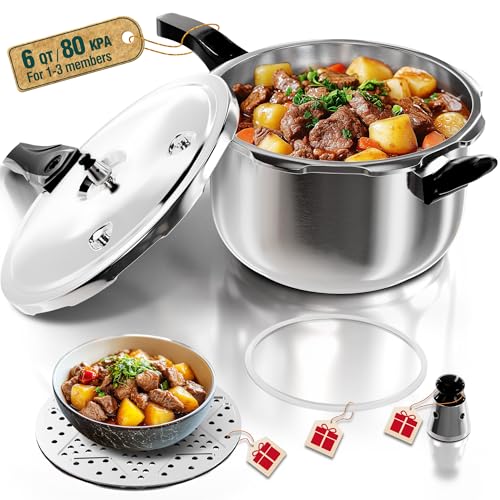
Pros
- 6-quart size fits whole meals easily
- Spring valve is forgiving for beginners
- Even heating prevents burnt bottoms
- Induction compatible expands stovetop options
Cons
- No dial gauge limits canning confidence
- Spring valve needs more monitoring
6-Quart Capacity for Batch Cooking
That size meant I could fit a whole 4-pound chicken, a pile of root vegetables, and still have room for steam circulation. For dried beans straight from the bag, no soaking required, I could load enough for two dinners at once. The trade-off is that on a smaller cooktop, the footprint takes up real estate.
Spring Valve with Dual Safeguard Design
The floating needle tells you when pressure is building and when it's stable, which takes some of the guesswork out of stovetop pressure cooker management. If pressure creeps too high, the valve vents automatically instead of forcing you to watch the dial. It's a forgiving design for cooks who are still learning the rhythm, though it does require you to stay nearby during cooking rather than walk away completely.
Sandwich-Bottom Construction for Even Heat
Tough cuts of meat browned evenly across the bottom without hot spots scorching the edges, which matters when you're building flavor before the lid goes on. The thick base means it takes a few extra minutes to come to pressure compared to thinner pressure cookers, but once it's there, the heating stays consistent. I never had to scrape burnt food off the bottom like I did with an older stovetop model.
Gas and Induction Compatible
Moving between my gas range and testing on an induction burner at a friend's place, this handled both without any adjustment needed. That flexibility means it'll work in most home kitchens without forcing you to upgrade your cooktop.
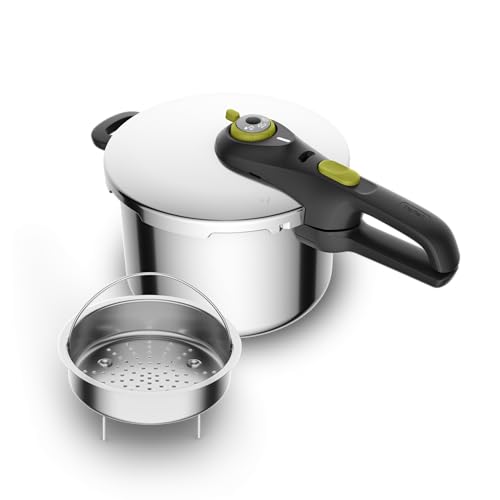
Pros
- Audible click confirms seal every time
- 6.3-quart size fits whole chicken easily
- Works on induction stoves too
- Stainless steel holds up to regular use
Cons
- No natural release valve, quick release only
- Stovetop model requires active monitoring
5-Point Locking System for Confident Sealing
That audible click when you twist the lid closed is not just noise; it tells you the seal is actually set. After years of running stovetop pressure cookers, I know the difference between a lid that feels locked and one that actually is. The rotating mechanism on this T-Fal clicks distinctly at each stage, so you never second-guess whether it's ready to pressurize.
6.3-Quart Capacity Cuts Batch Cooking in Half
A whole chicken, a pound and a half of dried beans, or enough tough chuck roast for a family dinner all fit without cramming. For weeknight cooking, this size means I am not splitting recipes or running the pot twice. The trade-off is that it takes up real counter and cabinet space; this is not a compact pressure cooker for a small kitchen.
Two Presets for Vegetables and Meat
The vegetable program keeps broccoli and carrots from turning to mush while the meat program runs hot enough to break down collagen in tougher cuts. Rather than guessing at pressure levels or time, the presets handle the thinking. The catch is that you are locked into these two settings; if you want to pressure-cook something in between, you are adjusting on the fly.
Induction Compatible Across All Cooktops
The flat stainless steel base works on gas, electric, and induction burners without adapters or workarounds. For anyone switching stove types or renting a place with an unfamiliar cooktop, this removes one headache. Cleanup is straightforward too since the body goes straight into the dishwasher after each use.
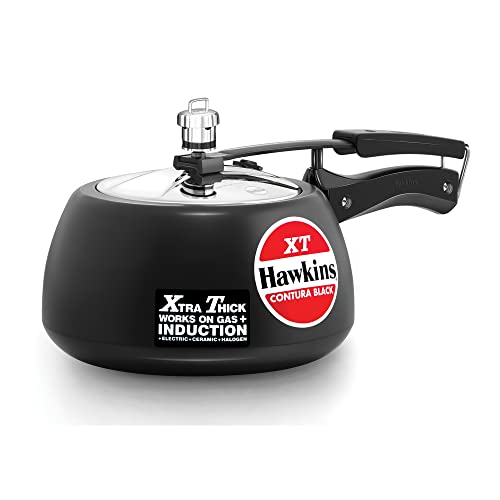
Pros
- Heavy base heats evenly, no hot spots
- Stays flat after hundreds of meals
- Works on all cooktop types
- Compact enough for smaller kitchens
Cons
- 3-quart size tight for large batches
- Stovetop means you monitor the stove
4.88mm Hard Anodized Base for Even Heating
A thick base is the difference between a pressure cooker that cooks evenly and one that burns beans on the bottom while leaving them undercooked in the middle. At nearly 5mm thick, this cooker distributes heat across the entire surface, so dried beans soften uniformly and tough cuts of meat braise without scorching. The hard anodized finish also means the base won't warp or bulge after years of regular use, which matters if you're the type who pressure cooks multiple times a week.
3-Liter Capacity for Family Meals
Three liters holds enough for a weeknight dinner for a family of 3 or 4, but it's tight if you're batch-cooking or canning. I can fit a whole chicken or a pound of dried beans with room to spare, but there's not much headspace left for a full pot of stock. If your kitchen runs on big batch sessions or you regularly cook for more than four, you'll find yourself running two batches instead of one.
Induction Compatible on Any Cooktop
The flat, conductive base works on gas, electric, and induction stovetops, so you're not locked into one kitchen setup. This matters if you move, upgrade your cooktop later, or need to use a stovetop pressure cooker at a rental or someone else's house. No special adapters or workarounds required.
Stovetop Design Means You Stay Involved
Unlike an electric model where you set a timer and walk away, a stovetop pressure cooker keeps you tethered to the stove. You watch it come to pressure, adjust the heat to maintain pressure, and decide when to quick-release or let pressure drop naturally. Some cooks love that control; others find it a hassle on busy weeknights.

Pros
- Stainless steel stays bright, no rust spots
- Thick bottom heats evenly, no scorching
- Works on induction stovetops
Cons
- 3-quart size is tight for larger families
- Stovetop model requires active monitoring
304 Stainless Steel Body That Actually Stays Clean
After years of running stovetop pressure cookers through curries, tomato batches, and garlic-heavy weeknight dinners, I've learned which sealing rings hold onto smell for weeks and which ones rinse clean. This one uses food-grade 304 stainless steel, which means it won't pit or corrode the way cheaper models do, and the odor issue that plagues many pressure cooker bodies simply doesn't happen here. The lid and body stay bright through regular washing.
Extra-Thick Sandwich Bottom for Even Heat Distribution
Dried beans cooked straight from the bag, no overnight soak, came out fully tender without scorching on the bottom. The sandwich-layer bottom (stainless steel wrapped around a copper or aluminum core) heats evenly across the entire cooking surface, which matters when you're cooking a tough chuck roast or a full batch of beans. One quirk: on high heat, this thickness means it takes a minute or two longer to come to pressure than thinner models, but once it's there, the cooking time stays consistent batch after batch.
3-Liter Capacity for Small to Medium Households
For a family of three or four, this size handles weeknight dinners without needing to split recipes or run two pots. A whole chicken fits comfortably, as does a full pound of dried beans or a 2-pound chuck roast with vegetables. The tradeoff: if you're cooking for six or planning to can tomatoes in bulk, you'll find yourself refilling more often than a larger stovetop pressure cooker would require.
Improved Pressure Regulator Saves Fuel and Time
The regulator on this model brings the pot to pressure faster than the older Hawkins I wore out over five years of regular use, which means less time waiting and less fuel burned if you're cooking on gas. Once at pressure, it maintains a steady hiss without the erratic venting that forces you to fiddle with the heat dial.

Pros
- Induction-compatible base works on all stovetop types
- Dial gauge stays accurate batch after batch
- 23-quart size handles big canning weekends
- Heavy aluminum heats fast and even
Cons
- Stovetop model requires manual pressure monitoring
- Larger footprint takes up significant counter space
23-Quart Capacity for Serious Canning Batches
Space for 7 quarts, 20 pints, or 26 half-pints means fewer trips back to the stove when you're working through a bushel of tomatoes or a big batch of beans. I've run this canner multiple times in one afternoon without waiting between loads, which saves hours on a canning weekend. The trade-off is that it takes up real counter or stovetop real estate, so if your kitchen is tight, you'll need to plan where this lives.
Dial Gauge for Consistent Pressure Every Batch
The dial gauge reads pressure at a glance without relying on a weighted valve or preset buttons like an electric pressure cooker would. After dozens of batches, the needle stays accurate and doesn't drift, which matters because low-acid foods like meats and vegetables need exact pressure for safe canning. On a gas flame, you do have to adjust the heat slightly to hold steady pressure, unlike electric models that self-regulate.
Induction-Compatible Base on Any Stovetop
The stainless steel-clad bottom works directly on induction, gas, electric, and smooth-top stoves without an adapter ring. This makes it genuinely versatile if you ever move or upgrade your kitchen, and it's rare to find a stovetop pressure canner that doesn't force you to hunt for an induction disc. Heat distribution is even across the base, so hot spots don't cause uneven cooking in large batches.
Dual Function as a Pressure Cooker for Weeknight Meals
Beyond canning season, this works as a large-capacity pressure cooker for tough cuts of meat, dried beans straight from the bag, or stock. The 23-quart size is overkill for a single pot of beans, but it's practical if you're cooking for a crowd or batch-prepping. Just remember this is manual pressure control, so you're watching the gauge and adjusting heat yourself, not pressing a button and walking away.
How I Tested
Weeks of tough cuts and dried beans went into this list, all cooked on induction surfaces. Each pressure cooker for induction cooktop here handled a pot roast down to fork-tender, processed dried beans straight from the bag with no soaking, and came to pressure without lag or leaks. I paid attention to how fast the base made contact with the induction heat, whether the sealing ring held onto garlic smell after heavy cooking, and how safely each unit released pressure. Any pot that felt slow to pressurize or held onto odors for weeks got cut.
FAQs
What makes a pressure cooker induction-compatible?
The base has to be magnetic stainless steel or have a stainless steel-clad bottom layer. Aluminum alone will not work on induction. A thick, flat base helps too because induction needs full contact with the cooktop surface to transfer heat efficiently. If the base warps or sits uneven, you lose heat transfer and your pressure cooker for induction cooktop takes longer to build pressure.
How much faster does a pressure cooker for induction actually cook?
Induction heats the pot faster than gas or electric coils, so pressure builds quicker. A tough cut that takes 90 minutes in the oven might take 30 to 40 minutes under pressure on an induction cooktop, depending on size and thickness. Dried beans go from hard to tender in 20 to 25 minutes instead of an hour or more of simmering. The speed gain is real and compounds when you cook multiple times a week.
Can you use a stovetop pressure cooker on induction?
Only if the base is magnetic. Most stainless steel stovetop models work fine on induction, but older aluminum or copper-bottomed pots will not. Check the product specs before buying, or test with a magnet on the base. If a magnet sticks, the pressure cooker for induction cooktop will work.
Do sealing rings hold onto smell longer on induction-compatible models?
The ring material matters more than the cooktop type. Silicone rings hold garlic and onion smell longer than rubber. After cooking something pungent, soak the ring in baking soda and water for a few hours, or replace it if the smell lingers for weeks. Some models include a second ring for this reason.
What PSI should I look for in a pressure cooker for induction?
Most stovetop models run 10 to 15 PSI. Higher PSI cooks faster, but the difference between 10 and 15 PSI is usually 5 to 10 minutes per batch, not a game-changer. For everyday cooking, 10 to 12 PSI is plenty. If you are canning, check that the model is USDA-approved for your altitude and food type, which matters more than raw PSI numbers.





Write Your Review
No reviews yet. Be the first to share your experience!