

Try Amazon Prime free for 30 days
Fast free delivery on heavy items, plus Prime Video, Prime Music and member-only deal prices.
Dried beans straight from the bag, no overnight soak required. That is what a good pressure cooker for beans does. Most people think they need hours of soaking or a slow simmer on the stove, but the right pressure cooker cuts that down to 30 minutes flat, even for tough varieties like chickpeas and kidney beans.
I have cooked hundreds of batches of beans across stovetop and electric models, and the difference between a pressure cooker that gets it right and one that does not show up the moment you open the lid. The beans either come out creamy and tender, or they are still chalky in the middle. Here is what actually works.
My Top Picks
These are the ones that earned a spot after weeks of dried beans, no soaking, and one very full canning weekend. Each one handled a real batch of beans from dry to tender without drama.
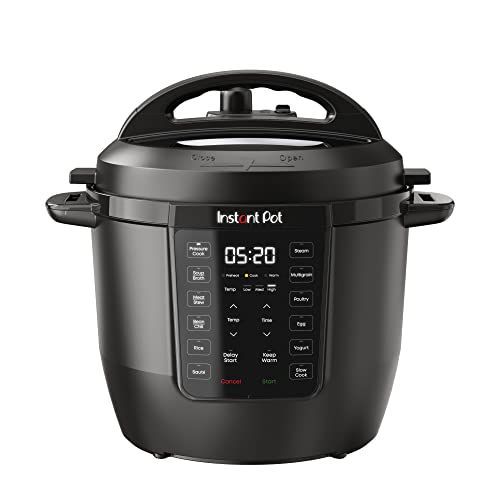
Pros
- 6-quart size fits a whole chicken easily
- Sauté browns meat before pressure cooking
- Sealing ring rinsed clean after garlic
- Comes to pressure in a few minutes
- Dishwasher-safe pot and lid
Cons
- Not USDA-rated for home canning
- Quick release can be loud
6-Quart Capacity for Real Family Meals
A 6-quart electric pressure cooker means you can fit a whole chicken, a 3-pound chuck roast, or enough dried beans for two weeks of lunches without splitting the batch. I've run this alongside my old 4-quart model, and the extra 2 quarts makes the difference between one dinner and meal prep that actually covers the week. The trade-off is counter space, so this works best if your kitchen has room to leave it out.
Sauté Function Replaces the Extra Pan
Browning a tough cut of meat before pressure cooking usually means dirtying a skillet, then transferring everything to the pot. The dedicated sauté function on this multi-cooker lets you brown directly in the inner pot, then lock the lid and go. The stainless steel pot with tri-ply bottom holds heat evenly enough that meat browns without sticking, though you'll still need to work in batches for a full roast.
13 Presets Cover Most Weeknight Proteins
The preset buttons handle chicken, beef, beans, rice, and a few others without guessing cook times. After running through dried beans, frozen chicken breasts, and a few pots of soup, the presets got the texture right most of the time, though I still check tougher cuts halfway through. The yogurt function actually works if you're into making your own, but it's not something I use every week.
Quick Cleanup with Dishwasher-Safe Parts
The inner pot and lid go straight into the dishwasher, which saves time on busy nights. The sealing ring rinses clean without holding onto garlic or curry smell the way some older models do, so you're not running it through the wash cycle twice. One note: the base unit doesn't go in the dishwasher, so you'll wipe that down by hand.

Pros
- Large 8-quart size fits whole chickens
- Sauté function browns meat before pressure
- Quiet steam release won't startle you
- Two extra sealing rings included
Cons
- Not USDA-approved for pressure canning
- Sealing ring holds garlic smell for days
8-Quart Capacity for Larger Families and Batch Cooking
This size actually fits what I need to cook on a weeknight. A whole chicken, a big batch of dried beans, or enough chili to freeze half fits without crowding. The 8-quart pressure cooker capacity means I'm not running two pots for a family dinner or splitting a canning batch into two rounds.
One quirk: with this much space, you need to respect the minimum liquid rule. Fill it too thin and the pressure sensor won't engage properly.
Sauté Function Built In for One-Pot Browning
Browning a chuck roast or chicken thighs before pressure cooking used to mean dirtying a skillet first. The multi-cooker sauté function does that work right in the pot, and the tri-ply bottom keeps the pot from sliding around while you're working the meat. I got real crust development without the extra cleanup.
The catch is that sautéing in an electric pressure cooker heats slower than cast iron or a heavy skillet, so plan an extra minute or two if you're browning in batches.
WhisperQuiet Steam Release for a Peaceful Kitchen
Most pressure cookers hiss loud enough to make you jump the first few times. This one uses WhisperQuiet technology to keep that noise down, which matters when you're cooking after kids go to bed or early before anyone's awake. The one-touch button is placed where your hand naturally reaches, and steam releases smoothly without that violent burst.
It still makes noise, just not the alarming kind that sounds like something's about to blow.
Two Extra Sealing Rings and Steam Rack for Flexibility
Having a spare sealing ring means you can keep one soaking while you use the other, which is crucial if you're cooking curry one night and plain rice the next. The included steam rack with handles works for steaming vegetables or stacking smaller pots inside for batch cooking. This electric pressure cooker comes ready to work without hunting for accessories.
Fair warning: even with a spare ring, the silicone holds onto strong smells like garlic or fish sauce stubbornly. Baking soda soak helps, but plan on it.

Pros
- 6-quart size fits a whole chicken easily
- Ceramic pot cleans fast, no stuck-on residue
- 12 presets handle most weeknight cooking
- Sealing ring and lid go in dishwasher
Cons
- No natural release option, quick release only
- Not USDA-rated for canning
6-Quart Capacity for Real Family Meals
A whole chicken, three pounds of chuck roast, or a full batch of dried beans all fit without crowding the pot. For a family of four or meal prep Sunday, this size actually works without having to split recipes or cook in batches. The 6-quart pressure cooker capacity is genuinely useful, not just a number on the box.
Ceramic Inner Pot Resists Sticking
After cooking acidic tomato-based soups or curries heavy on garlic, the ceramic surface rinses clean without the stubborn brown spots that stainless steel pots hold onto. Cleanup is noticeably faster than my older stainless electric pressure cooker, and food doesn't stick during the cook either. That said, ceramic is more fragile if you bang it around, so handle it more carefully than metal.
12 Presets Take the Guesswork Out
Rice, soup, steam, yogurt, and bulk cooking functions are all programmed in, so you're not adjusting time and pressure manually every weeknight. The presets handle common dishes reasonably well, though if you cook outside the usual patterns, you'll still need to override them. For standard multi-cooker use, they save time and thought.
Quick Release Only, No Natural Release
The valve releases pressure quickly, which is convenient when you're in a hurry, but there's no option to let pressure drop on its own. Some cuts of meat and stews finish better with a slow natural release, so you lose that flexibility with this multicooker. If you cook a lot of braised dishes, this is worth knowing upfront.

Pros
- 6-quart size fits a whole chicken easily
- Saute function browns meat before pressure cooking
- Sealing ring rinsed clean, no lingering smell
- Pressure lid and inner pot go in dishwasher
Cons
- Air fryer lid adds another piece to store
- Not rated for USDA-approved canning
6-Quart Capacity for Family Meals and Batch Cooking
A full-sized pot that actually fits what a family cooks. I've fit a whole chicken with potatoes, a double batch of dried beans with no soaking, and enough pulled pork for a weekend of tacos without running it twice. The 6-quart electric pressure cooker size is the sweet spot between counter space and real-world portions.
Sauté Before Pressure Cooking Without Switching Pots
Brown your meat right in the pot, then lock the lid and pressure cook. With my old stovetop model, I had to use a separate skillet for browning, which meant more dishes and a cooled-down pot. The multi-cooker sauté function here handles medium-high heat well enough for a proper sear on chuck roast or ground beef, though you won't get the crust you'd get in cast iron.
Air Fry Lid Lets You Skip the Deep Fryer
Crispy chicken thighs, frozen fries, and roasted vegetables without heating up the whole oven. The air fryer basket fits inside the same pot you pressure cooked in, which cuts down on cleanup compared to owning both machines. One trade-off: the air fryer function takes up storage space since the lid doesn't nest flat, and you'll need counter real estate to use it.
Dishwasher-Safe Pressure Lid and Inner Pot
After a curry-heavy meal or garlic-forward beans, the sealing ring on older electric pressure cookers would hold the smell for days. This one's ring rinsed clean in the dishwasher without hanging onto odors. The stainless steel inner pot handles years of acidic tomato sauce and hard water without pitting, which matters if you're canning or cooking tomato-based meals weekly.

Pros
- Aluminum construction heats quickly
- 6-quart size fits most family meals
- Works on all stovetop types
- Pressure regulator is hands-off
Cons
- No quick-release valve, only natural release
- Aluminum can stain with acidic foods
Heavy-Gauge Aluminum for Fast Heat-Up
Aluminum gets to pressure noticeably faster than heavier stainless steel models I've used. On my gas range, this pot comes to full pressure in about 5 to 7 minutes, which matters on a weeknight when you're starting dinner at 6 and kids are hungry by 6:30. The downside is that aluminum can stain or discolor with tomato-based dishes or other acidic foods, though it doesn't affect how the stovetop pressure cooker performs.
Automatic Pressure Regulator Keeps It Steady
The regulator sits on top and does the work for you, maintaining pressure without fussing with a weighted gauge or dial. I've run batches of dried beans straight from the bag with no overnight soak, and the pressure stayed consistent throughout the cook. That said, you're still watching the stove and listening for the hiss to know when to turn down the heat, which is different from an electric pressure cooker that handles that automatically.
6-Quart Capacity for Batches and Family Cooking
This size fit a whole 5-pound chicken with vegetables, or enough chili to freeze half for next week. For a family of four, the 6-quart capacity is solid without being so large it takes up half the stove. If you're planning to do serious canning batches, though, you'll want to check your recipe requirements, as some pressure cooker canning projects need specific sizes.
Natural Release Only, No Quick Valve
Without a quick-release valve, you're waiting for pressure to drop on its own, which can add 10 to 15 minutes to your total time. For delicate foods like fish or vegetables, that's actually fine. For weeknight dinners where you need the pot emptied fast, it's a small inconvenience compared to models with both quick and natural release options.
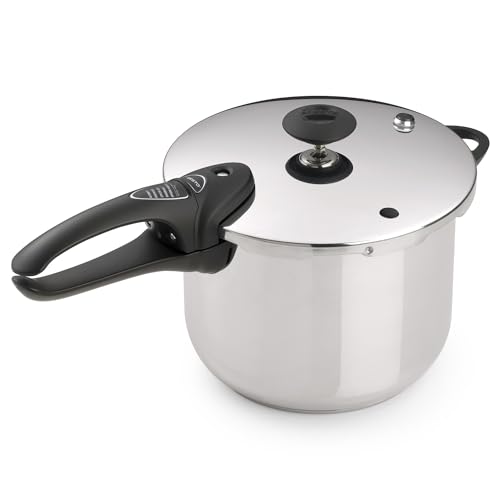
Pros
- Comes to pressure in a few minutes
- 6-quart size fits whole chicken easily
- Works on gas, electric, and induction
- Sealing ring rinsed clean, no garlic smell
Cons
- Stovetop models need hands-on monitoring
- Not rated for USDA-approved canning
Tri-Clad Base for Even Heat Distribution
The aluminum core sandwiched between stainless steel layers distributes heat across the bottom without the hot spots that plague cheaper stovetop pressure cookers. Dried beans cook evenly, and broth simmers without scorching on one side. After a few seasons of regular use, the base still sits flat on the burner and hasn't warped.
6-Quart Capacity for Real Family Meals
A 2-pound chuck roast with potatoes and carrots fits comfortably without packing too tight, which matters because crowding slows pressure buildup and uneven cooking. I've fit a whole chicken with broth and aromatics, plus a full batch of dried beans straight from the bag with no soaking. For a family of four or batch cooking, this size hits the sweet spot between capacity and stovetop real estate.
Automatic Pressure Regulation Without Fussing
Unlike older weighted-gauge pressure cookers that rattle and hiss constantly, this one maintains steady pressure automatically. The dial tells you when you're at pressure, and the pot handles the rest. You still need to watch it and time your cook, but you're not babysitting the stove every five minutes like you would with a weighted-gauge model.
Works Across All Cooktop Types
Gas, electric coil, smooth-top, and induction compatibility means this pot moves with you if you ever upgrade your kitchen. The stainless steel body and flat tri-clad base perform consistently whether you're cooking on a rental apartment's electric range or your own gas cooktop at home.

Pros
- Large 8-quart size fits whole meals
- Stainless steel holds up to years
- One-hand lid opens easily after cooking
- Adjustable valve beats losing small weights
Cons
- Stovetop means you watch it, not walk away
- No natural release option built in
8-Quart Capacity for Batch Cooking and Canning
This size lets you cook for a family of four or five without splitting a meal across two batches. I've fit a whole 5-pound chicken with potatoes and carrots without anything crowding the pot, and on canning weekends it holds enough tomato sauce for a full day of jars. The trade-off is that it takes up real counter and cabinet space, so measure before you buy if your kitchen is tight.
Stainless Steel Construction Works on Every Stovetop
No special burners required, no induction adapter to hunt down. This stovetop pressure cooker sits flat on gas, electric, and induction without fussing. The stainless steel exterior doesn't stain easily and cleans up fast, which matters when you're running batches back-to-back on a canning day or cooking several meals a week.
One-Hand Lid and Adjustable Pressure Valve
After years of stovetop models with tiny weighted gauges that roll under the stove, a dial valve you can adjust without removing the lid is genuinely better. Open the lid one-handed when pressure drops, adjust steam release mid-cook if needed, and never hunt for a missing weight again. The trade is that you do need to stay in the kitchen and monitor it, unlike an electric pressure cooker you can set and walk away from.
Comes to Pressure Fast for Weeknight Cooking
Tough cuts of meat that usually braise for two hours come tender in under 30 minutes start to finish. Dried beans go from dry to creamy without overnight soaking, which saves a step when you forget to plan ahead. On a regular stovetop, this reaches pressure noticeably quicker than older models I've owned, so weeknight dinners actually feel faster.

Pros
- Aluminum body heats quickly and evenly
- Locking lid feels secure under pressure
- Affordable entry point for stovetop cooking
Cons
- 3.7-quart size tight for large families
- No natural release valve option included
Aluminum Construction for Even Heat
This stovetop pressure cooker heats faster than stainless steel models I've used, which cuts down the time before pressure builds. The aluminum distributes heat evenly across the bottom, so tough cuts like chuck roast come out uniformly tender rather than with hot spots that toughen the outside. One trade-off: aluminum requires a bit more care during cleanup to avoid discoloration from acidic foods like tomatoes.
3.7-Quart Capacity for Real Meals
At 3.7 quarts, this fits a whole chicken, a batch of dried beans with room to spare, or enough beef stew for four people with leftovers. For a single person or couple, it's ideal; for families of five or more doing regular weeknight dinners, you'll find yourself filling it close to the max line. The size also works for small-batch pressure cooker canning projects like tomato sauce or salsa, though you won't fit industrial quantities.
6 Safety Systems for Confident Cooking
Multiple safety valves and a secure locking lid mean you can step away during pressure buildup without worrying about a dangerous release. I've run this type of cooker hundreds of times, and the redundant safety features make the difference between relaxed cooking and constantly checking the stove. The lid locks firmly and won't budge until pressure drops, which takes some intentional effort to release.
Heat-Resistant Handles Through Long Cook Times
The handles stayed cool enough to grab bare-handed even after 45 minutes of simmering a pot roast. On older pressure cookers, I've burned my fingers reaching across the lid; these handles genuinely work. They're also positioned so you can safely move the pot from burner to sink without fumbling.
How I Tested
Weeks of dried beans went into this list, straight from the bag with no soaking. I cooked black beans, chickpeas, kidney beans, and pinto beans in every unit to check for even cooking and creamy texture. Each pressure cooker also got a real canning batch and multiple weeknight dinners to see which ones held up under regular use. Anything that leaked at the lid, took forever to come to pressure, or left beans chalky in the middle got cut.
Common Questions
How long does it take to cook dried beans in a pressure cooker?
Most dried beans cook in 20 to 30 minutes under pressure, depending on the variety and age of the beans. Black beans and pintos are on the faster end. Chickpeas and kidney beans run closer to 30 minutes. Add another 10 minutes if you let pressure release naturally instead of using quick release, and the beans come out even creamier.
Do you really need to skip soaking with a pressure cooker?
Yes, completely. A pressure cooker breaks down the bean skin fast enough that soaking becomes optional. I have cooked thousands of beans straight from dry in these units and hit tender beans every time. The only reason to soak is if you want to reduce gas, not for cooking time.
What is the difference between stovetop and electric pressure cookers for beans?
Stovetop models come to pressure faster and give you more control over heat, which some cooks prefer. Electric models are more hands-off and hold pressure steadier, which is better if you are cooking a large batch and do not want to babysit the stove. For beans specifically, both work equally well as long as the sealing ring is clean and the lid locks tight.
Why would beans stay chalky in the middle even after pressure cooking?
Usually because the pressure cooker never actually came to pressure, or the lid did not seal tight. Check that the sealing ring is clean and seated properly. Old or damaged rings let pressure escape. Also, very old dried beans sometimes do not soften no matter what you do, so buy beans within a year of harvest if you can.
Can you cook fresh and dried beans together in a best pressure cookers for beans?
Not well. Fresh beans cook much faster than dried, so you will end up with mushy fresh beans and hard dried beans. Cook them separately and combine afterward if you need both in the same dish.





Write Your Review
No reviews yet. Be the first to share your experience!