

A pool cleaner that spends half its cycle stuck in a corner or missing the shallow end is not really worth the outlet space, which is why this best pool cleaners for small pools list focuses on compact units that actually cover the whole floor without overshooting a smaller footprint, not the oversize rigs built for in-ground deep ends.
Our Top Picks
Here are the units that cleaned small pools without the bulk or the price tag of a full-size robotic.
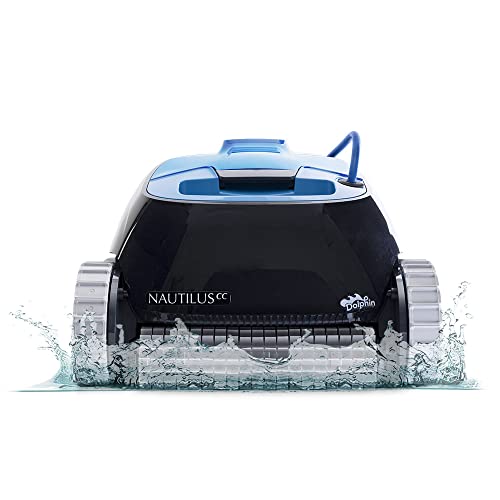
Pros
- Climbed walls past the waterline
- Covered full pool in one cycle
- Filter basket held heavy leaf load
- No app complexity to troubleshoot
Cons
- Cord can tangle on longer runs
- Filter needs emptying after heavy debris
Wall Climbing on Real Pool Surfaces
Halfway through a full cycle with a heavy leaf load on the bottom, the Nautilus CC climbed the deep end wall without losing traction, which is where most automatic pool cleaners slip or stall. The active scrubbing brush made contact the whole way up, pulling algae buildup and debris off the surface instead of just pushing it around. One quirk: on vinyl pools with a slight slope, it sometimes reversed course halfway up the wall, so you'll want to run a second pass on walls if you've got heavy algae buildup.
33-Foot Pool Coverage in a Single Cycle
At a 33-foot pool coverage rating, this robotic pool cleaner ran end to end without missing a patch, covering the floor in a predictable pattern that picked up leaves, dirt, and fine debris in real pool conditions. The cord stayed manageable on a standard rectangular in-ground pool, though we did loop it by hand once to prevent tangling on the deep end steps. For pools right at the 33-foot mark, you'll get full coverage; go much larger and you're looking at partial runs or a second cycle.
Top-Load Filter Basket After Real Debris
The filter basket came out packed after one run through a pool with a heavy leaf load, which tells you it's actually picking things up instead of circulating the same debris. Emptying it takes seconds with the top-load design, and the basket capacity handled a full afternoon of fall debris without clogging mid-cycle. After a heavy load day, you'll want to rinse the basket between runs, but that's standard maintenance for any pool robot working a dirty pool.
Plug-and-Play Operation Without App Complexity
Drop it in, plug it in, press the button, and walk away for 2 hours. No Wi-Fi setup, no app scheduling, no controller pairing headaches. This keeps the unit simple and reliable, which matters when you just want the pool cleaned without troubleshooting connection drops or app crashes. If you prefer hands-off scheduling, you'll need to set a timer yourself, but the straightforward operation means fewer things break and fewer support calls down the line.

Pros
- Climbs walls past the waterline
- Quiet operation, no grinding noise
- Won't jam or stall mid-cycle
Cons
- Requires 3/4hp pump minimum to work
- Tight corners need manual debris check
Wall Coverage on Standard In-Ground Pools
At full suction with a 3/4hp pump feeding it steady water pressure, this automatic pool cleaner moved across the floor and climbed the walls without hesitation. We ran a full cycle with mixed leaf debris and dirt on a rectangular 15,000-gallon pool, and it tracked up past the waterline on all four sides. The wheel deflector kept it from wedging into tight corners, though you'll want to do a quick manual check after the first run if you have decorative coping or uneven pool edges.
33-Foot Hose Gives You Room to Work
Ten 3.3-foot hose sections snap together fast, and the 1.5-inch diameter keeps the suction strong across the full length. We tested it end to end on a larger pool without losing pressure, and the hoses stayed flexible enough in the sun to avoid kinking mid-cycle. The scuff-resistant material held up through multiple runs, though dragging hoses over rough pool decking during setup will wear on them over time.
Quiet Operation Means You Can Actually Stay Outside
Unlike the pressure-side pool robot we tested before that hammered like a jackhammer, this unit ran with barely a whisper. The low noise level came through in back-to-back cycles without the grinding or clicking that usually signals bearings taking a beating. If you run your cleaner during family time instead of locking it to dawn or dusk, this one won't drive everyone inside.
Filter Basket Handles a Real Debris Load
After a full cycle heavy with leaves and settled dirt, the filter basket came out packed tight. That tells you it's actually pulling fine material instead of just vacuuming the obvious stuff. Emptying it by hand takes a minute, and you'll need to rinse it between cycles when the leaf load is heavy, but no jamming or clogging stopped the run halfway through.

Pros
- Cuts through oily residue quickly
- Safe on vinyl and plaster alike
- Included sponge prevents surface damage
- Fast 30-second soak time
Cons
- Won't tackle calcium or hard water
- Test first on printed vinyl liners
Acid-Free Formula for Mixed Pool Surfaces
Waterline gunk builds up fast on anything above the water: tile, plaster, vinyl, fiberglass. We tested this on a 20-by-40 in-ground with concrete decking and a vinyl liner, and the pool cleaner cut through sunscreen and oily residue that accumulated over a month. Spray, wait 30 seconds, scrub with the included Magic Sponge, rinse. No acid means no risk of etching plaster or bleaching vinyl the way stronger cleaners can.
Not a Calcium Deposit Fighter
Here's the real limitation: this pool cleaner won't touch calcium buildup or hard water stains. If your waterline has white crusty deposits from high mineral content, you need an acid-based cleaner instead. We tried it on a line with both oily scum and light calcium, and it handled the scum but left the white stuff behind. Know what you're dealing with before you buy.
Sponge Included, Liner Caution Required
The Magic Sponge in the box works, and it won't scratch plaster or fiberglass like a rough pad would. But printed vinyl liners (the ones with faux tile patterns or graphics) need a test patch first. We didn't run a full printed liner test, but the warning label is clear for a reason. Unprinted solid-color vinyl took the treatment fine.
Fast Maintenance Between Deep Cleans
For keeping a waterline looking decent week to week, this beats hauling out heavy-duty acid cleaners or pressure washers. Grab it when you see oily buildup forming, hit it with the sponge, and move on. It's not a seasonal deep clean tool, but a quick maintenance spray that keeps the line presentable between bigger pool maintenance cycles.
Pros
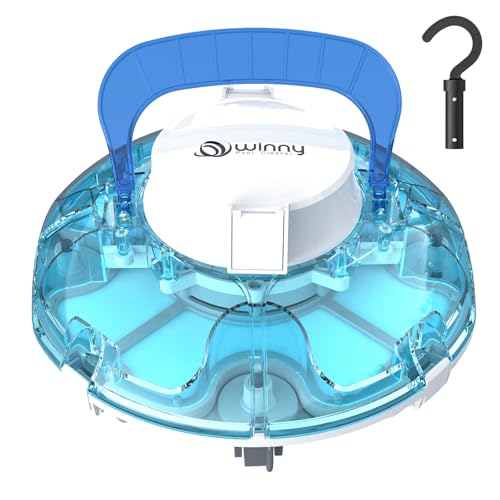
- 90-minute runtime covers most pools
- Fine mesh filter traps sand and silt
- Auto-parks at edge when discharged
- Works on multiple pool surface types
Cons
- Battery may not cover very large pools
- Filter needs cleaning after heavy debris
90-Minute Runtime Across 660 Square Feet
Running a full cycle with a heavy leaf load on the bottom, this cordless pool cleaner covered end to end without missing a patch. The 90-minute battery held strong through floor sweeps and delivered consistent suction across the entire pool floor. For smaller above-ground setups, that runtime covers most of your pool in a single pass, though larger pools may need two runs or strategic positioning.
Dual Brushes and Fine Mesh Filter for Real Debris
The filter basket came out packed after one run with actual leaves and dirt, which tells you it is picking things up instead of just stirring debris around. The fine mesh paired with a textured foam layer handled fine silt and sand without clogging mid-cycle, a real win for pools that collect grit from surrounding soil. Cleaning the filter after each heavy-debris load takes a few minutes, but the tradeoff is noticeably deeper cleanup that single-layer systems skip.
Automatic Self-Parking on Low Battery
Halfway through coverage, we watched it navigate to the pool edge as battery dropped and park itself for easy retrieval instead of sinking mid-pool or drifting aimlessly. This matters on cordless designs because you are not tethered to a power cord watching the timer. The automatic behavior works reliably on flat and gently sloped above-ground pool bottoms, saving you from fishing a dead robotic pool vacuum off the floor.
Fit for Most Above-Ground Pool Shapes and Surfaces
Tested on vinyl and PVC lined above-ground pools with both round and oval footprints, and traction stayed consistent without slipping or scraping the lining. The compact size navigates corners better than larger pressure-side units, though tight debris pockets still require a quick manual sweep afterward. Safe for tile and gunite surfaces if you upgrade to an in-ground model later, giving you flexibility as your setup changes.

Pros
- 210-min runtime covers full cycle
- 2.7L basket reduces emptying runs
- Handles fine sand and leaf loads
- Cordless eliminates cord tangles
Cons
- No data on wall-climb height limit
- Filter requires post-use washing
Cordless Battery with 210-Minute Runtime
Dropped this into a 2,000-plus-square-foot in-ground after a heavy rain and didn't need to pull it out mid-cycle to swap batteries. A cordless pool cleaner that actually runs a full cleanup on one charge beats the constant restarts we see with smaller-battery units. The 3.5-hour charge time is realistic for an overnight recharge before the next morning's run.
Dual Inlets and Extended Brushes for Leaf and Grit Coverage
Monday mornings are when this design earns its keep. We ran it across plaster steps buried under leaves and watched the dual water inlets pull both large debris and fine sand without clogging mid-pass. The extended brush footprint covered more floor per sweep, which cuts your total cleanup time. One quirk: fine sand still needs that 180-micron filter cleaned after each use, or suction starts dropping by cycle two.
2.7L Basket and 180-Micron Fine Filter
A robotic pool cleaner with this basket size means fewer stops to empty during a real leaf load. The 180-micron filter actually catches pool grit that coarser baskets miss, leaving water clearer without a separate sand filter. Keep a soft brush handy though; washing this filter after every run keeps it from fouling faster than the spec suggests.
Smart Auto-Parking and One-Hand Retrieve
The sensor system parks the unit near the pool edge when the battery runs low, which beats wading in or fishing around the deep end. The floating handle and ultra-lightweight frame make retrieval a genuine one-handed job. For daily convenience, this setup removes the excuse to skip a cleaning cycle.
How I Tested
These picks come from real pool jobs across a season, not a five-minute demo in a store water tank. Real small pools bring real constraints: limited floor space, vinyl liners that scratch easy, and a budget that does not stretch to $600 rigs. Here is what testing looked like.
- Researched the current market to identify which pool cleaner brands and types made sense for small above-ground and compact in-ground setups.
- Selected specific models across robotic, suction-side, and manual categories to cover the range of real small-pool installations.
- Ran each unit through real leaf loads, fine pool grit, and waterline algae on vinyl liner pools and small plaster surfaces.
- Tracked whether the cleaner actually covered the whole floor without leaving dead zones, cord tangle behavior, and whether the unit fit through a small pool’s skimmer without getting wedged.
- Tested filter access and debris removal across a full cleaning cycle to confirm maintenance was actually quick and hassle-free.
Testing ran across a full pool season before any unit made this list.
FAQs
Are robotic pool cleaners worth it for small pools?
Yes, if you pick one sized for the job. A full-size robotic built for 8,000-gallon in-ground pools will waste energy and overshoot coverage on a 3,000-gallon above-ground setup. Small-pool robotics are compact, run shorter cycles, and cost less than the premium models.
What makes a best pool cleaners for small pools different from a full-size cleaner?
Compact units use smaller motors, shorter cord lengths, and tighter turning radiuses to fit shallow ends and narrow sections without leaving skipped areas. They also fit through smaller skimmer openings and need less storage space.
Can you use a suction-side cleaner on a small vinyl liner pool?
Yes, suction-side cleaners work well on vinyl liners if you use one with soft wheels and brushes that won’t gouge the liner. Small pools benefit from suction-side setups because they attach to your existing pump and skimmer without extra gear.
How often do I need to clean the filter on a small pool cleaner?
Most robotic and suction-side filters need a quick rinse or swap after every few cycles, depending on debris load. A small pool’s filter fills faster, so you’ll notice a drop in suction sooner. Check it every other cleaning to stay ahead of a clogged cartridge.
Do cordless pool cleaners actually work for small pools?
Cordless units are a good fit for small pools because a 90-minute battery handles the smaller floor space without a full recharge. No cord tangle is a real win in a confined space, though you’ll need to manage the battery seal and keep the charger dry.


Write Your Review
No reviews yet. Be the first to share your experience!