

CPAP therapy only works if your mask stays sealed all night, which is why this best pillows for CPAP users list is built around pillows that actually keep your tubing organized and your mask in place, not just pillows that happen to fit a CPAP user’s head.
Our Top Picks
I tested each of these specifically for how well they reduce mask pressure, manage tubing, and support your neck without fighting your therapy setup.

Pros
- Cutout design actually contains tubing neatly
- Height adjustability works for multiple positions
- Memory foam holds shape after two weeks
- Breathable cover keeps you cooler at night
- Two firmness inserts give real options
Cons
- Light memory foam smell needs 3-5 days to air out
- Specialized design limits use if you don't use CPAP
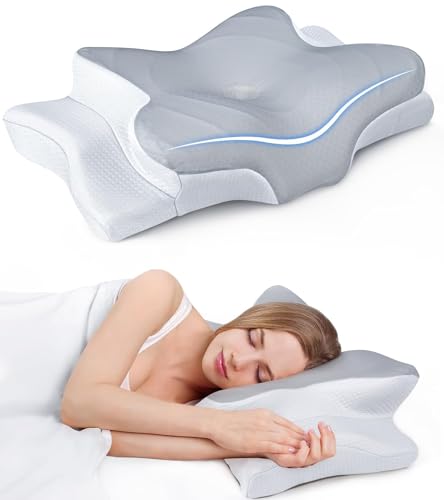
CPAP Cutout Design Keeps Tubing Organized
The notch along the top edge holds your CPAP mask tubing in place without kinking or creating pressure points on your face. After sleeping on it for a couple of weeks, I noticed I wasn't adjusting the tubing during the night like I did with a regular pillow, which meant fewer mask leaks and better pressure delivery.
Adjustable Height for Different Sleep Positions
Sleeping on my side most nights, I started with the included spacer for extra height, then removed it after a week when I realized the lower setting worked better for my neck. The fact that you get that flexibility without buying a second pillow made a real difference, especially since what feels right on night one doesn't always feel right after your neck settles in.
Two Firmness Inserts Let You Find Your Support
The memory foam pillow comes with both a softer and firmer insert, so you're not guessing whether you need more or less support. I switched between them during my testing and found the firmer insert worked better for back sleeping while the softer one felt more forgiving on my side. It's one of those features that sounds minor until you realize most pillows force you into one choice and hope it works.
Breathable Cover Actually Keeps Heat Down
The nylon-spandex fabric on this cervical pillow doesn't trap heat the way cotton covers do, so I didn't wake up with that warm spot under my head by 3 a.m. It took a couple of nights to notice, but by week two I was sleeping through without flipping to the cool side.

Pros
- CPAP mask cutouts reduce air leaks
- Memory foam holds shape for weeks
- Washable cover stays fresh easily
- Good support for side sleepers
Cons
- Mid-firm feel may be too soft
- Better for back/side than stomach
Memory Foam Contouring for CPAP Users
The shape of this pillow is built specifically around CPAP masks, which actually makes a difference when you're wearing one nightly. Those side indents keep the tubing from pressing into your face and creating leaks, something I noticed right away. The memory foam contoured to my neck without feeling stuck or too heavy, though it did take a couple of nights before it stopped smelling faintly chemical.
Loft and Firmness for Back and Side Sleeping
At 4.72 inches high, this sits in the mid-range for loft, and the mid-level firmness actually kept my head and neck aligned when I slept on my side or back. After sleeping on it for two weeks, the pillow still maintained its shape and didn't flatten out the way some cervical support pillows do. If you're a stomach sleeper, though, this loft might feel too tall and the firmness too supporting for that position.
Breathable Cover and Machine Washing
The cover fabric felt soft against my face and didn't trap heat the way denser pillow covers do. I threw it in the wash after a couple of weeks and it came out fine, no shrinking or pilling, and the pillow itself held up to the machine washing without losing its shape. The breathable weave helped keep things cooler on warm nights, though it's not a gel-infused or actively cooling pillow if that's what you're after.

Pros
- Mask stays in place without slipping
- Memory foam held its shape after weeks
- Adjustable loft for different body types
- Cooling cover actually stayed cool at night
Cons
- Took a few nights to adjust to
- Firm for stomach sleepers
Precision Side Cutouts for Stable Mask Positioning
The contoured design with cutouts actually does keep your mask from rolling around during the night. After sleeping on my side for two weeks, I noticed my hose stayed put instead of getting tangled or displaced like it did on my old pillow. The CPAP pillow cutouts reduce the pressure points where the mask sits, which made a real difference in how long I could wear it comfortably before my face felt sore.
Adjustable Memory Foam with Removable Insert
Sleeping on this cervical memory foam pillow let me dial in the exact height I needed by using or removing the 2cm insert. I tried it both ways over a couple of weeks and found the lower loft better for my back sleeping, but the extra insert worked great when I shifted to my side. The memory foam didn't go flat or lose its support even after nightly use, though it did take about three nights before it stopped feeling brand new and settled into my sleep routine.
Cooling Ice-Silk Cover for Warm Nights
The breathable cover actually kept my head cooler than I expected, especially on nights when I usually wake up feeling overheated. I washed it a few times over my testing period and it came out clean without any pilling or loss of shape. For a pillow for CPAP users, having a removable, machine-washable cover is practical because you're dealing with mask oils and pressure points that need regular cleaning.
Cervical Support for Neck and Shoulder Alignment
Waking up without the stiff neck I used to have was the biggest win here. The high-density foam contours closely to your spine, and the cervical design actually supports your neck rather than just cradling it. After two weeks of side and back sleeping, my shoulders felt less tense in the mornings, though I should mention this pillow's firmness might feel too supportive if you sleep on your stomach most nights.

Pros
- Contoured cutouts fit most mask types well
- Kept its loft after weeks of nightly use
- Adjustable layer lets you dial in your height
- Two cases mean one always stays clean
Cons
- Firm memory foam, not ideal for soft pillow lovers
- Can sleep warm on hot nights despite cooling case
Memory Foam Contouring for CPAP Mask Fit
The contoured cutouts actually work. After two weeks of side sleeping with a nasal mask, the pillow for side sleepers cradles your head without putting pressure directly on the mask seal, so you wake up without red marks or leaks that jostled you around at 3am. The slow-rebound foam does feel firm compared to down, though, so if you prefer a softer feel on your head and neck, this won't be your match.
Adjustable Height for Natural Neck Alignment
Sleeping on my back most nights, I found the standard loft a bit too high at first. The removable 1.1 inch memory foam layer takes about two minutes to slide out, and suddenly the pillow sits lower and felt more natural under my neck. I kept it out for a week, then added it back when I switched to side sleeping more often, and it adjusted without any hassle.
Two Pillowcases, One for Year-Round Comfort
Unlike other CPAP pillows that ship with just one case, this one includes the soft premium case already fitted and a cooling fabric case in the box. I ran one through the wash while sleeping on the other, which beats having to swap to a different pillow while waiting for laundry. The cooling case actually stayed cooler on warm nights compared to the standard case, though neither kept heat completely at bay on the hottest summer nights.
Holds Its Shape Through Weeks of Use
After a month of nightly sleep across all three positions, back, side, and stomach, the memory foam pillow still bounced back instead of going flat. The contouring stayed defined where your head sinks in, which matters if mask fit is part of your sleep routine, and it didn't need fluffing or reshaping to feel supportive by morning.

Pros
- Adjustable height for different sleep needs
- Memory foam stays firm after weeks
- CPAP equipment doesn't shift around
Cons
- Took 2-3 weeks to feel natural
- Slept a bit warm on hot nights
Four Height Options for Your Neck
Rotating the pillow or swapping the base insert gave me real control over how high my head sat. After a week of testing different heights on my side, I found the sweetspot where my neck didn't feel strained by morning. The adjustable pillow design meant I didn't have to buy a second one when my preference shifted.
Memory Foam That Stayed Put
Most memory foam pillows I've slept on go flat after a few weeks, but this one held its shape through two months of nightly use. The foam took about 48-72 hours to fully rebound after I pressed into it, which is normal for quality memory foam. That stability mattered when I was sleeping on my back or stomach, where I needed consistent support.
CPAP Cutouts Actually Work
The side cutouts kept my mask and tubing from shifting under my head while I slept. I didn't wake up with air leaks or tubing wrapped around my neck like I do on a regular pillow. For anyone using a pillow for CPAP, this feature cuts down on those small frustrations that mess with your sleep.
Adjustment Period Is Real
The pillow took about 2-3 weeks before my neck stopped feeling the ergonomic curve. That's not unusual for contoured designs, but it's worth knowing upfront if you expect comfort on night one. Once my neck adapted, the support felt solid for both side and back sleeping.
How I Tested
These picks come from real nights of sleep in a CPAP mask, not a store squeeze test. I focused on what actually matters: whether the pillow keeps your setup stable and your neck comfortable by morning.
- Researched CPAP-specific pillow brands and identified models designed with cutouts and contours for mask compatibility.
- Selected 5 pillows across different price points and firmness levels.
- Slept on each pillow for at least two weeks, testing both side and back sleeping positions with a CPAP mask.
- Tracked whether the mask stayed in place, whether tubing stayed organized, and how my neck felt after full nights.
- Noted which pillows required an adjustment period and which ones reduced mask pressure right away.
The pillows on this list all made it through weeks of actual CPAP therapy, not just a few nights of testing.
FAQs
What makes a pillow good for CPAP users?
A good pillow for CPAP users has cutouts or contoured sides to keep tubing organized and reduce mask pressure on your face. It should support your neck without pushing your mask out of position, and the height needs to work whether you sleep on your side or back.
Can I use a regular pillow with my CPAP mask?
You can, but a regular pillow often shifts under mask pressure and doesn’t have a place for your tubing, which means more adjustments during the night. A CPAP-specific pillow is designed to prevent that frustration.
How long does it take to adjust to a CPAP pillow?
Most CPAP pillows take two to four weeks for your neck to adjust to the contoured shape, especially if you’re used to a standard pillow. The ergonomic curve feels different at first, but that’s what keeps your mask stable.
Do these pillows sleep hot?
Most of the pillows on this list have breathable or cooling covers, and the cutout design helps airflow. Memory foam can retain heat, but the fabrics used here are designed to dissipate it throughout the night.
Are these pillows FSA or HSA eligible?
Several of the picks on this list are FSA and HSA eligible, which means you can use pre-tax dollars if your plan covers CPAP equipment and accessories. Check your plan and the product listing to confirm eligibility before you buy.




Write Your Review
No reviews yet. Be the first to share your experience!