

A mower that bogs down halfway through thick Bermuda or refuses to start on a hot Saturday morning is costing you real weekend time, which is why this best lawn mowers under 400 list focuses on units that actually cut through real grass without dropping power and fire up reliably every time you need them.
Our Top Picks
Here are the four mowers that proved themselves across real yard work, not a demo lawn.

Pros
- Brushless motor holds power in thick grass
- Dual batteries eliminate mid-mow charging
- Lightweight and easy to maneuver
- 2-in-1 mulch and bag flexibility
Cons
- Battery drops faster in tall wet grass
- 13-inch deck limits coverage per pass
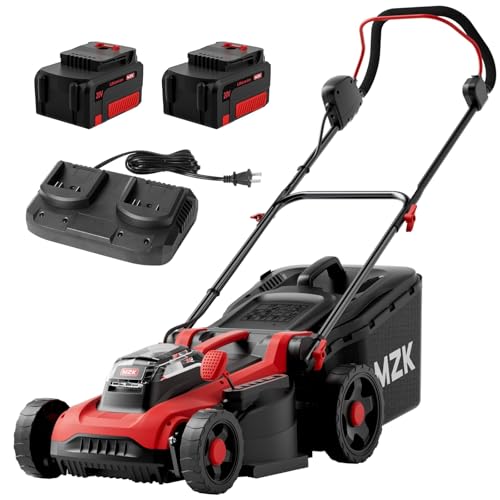
1200W Brushless Motor Through Thick Grass
Halfway through a Saturday cut on knee-high Bermuda grass along the fence line, the motor held steady without bogging or blade drag. The brushless design keeps RPM consistent even when grass clogs the deck, which matters on a cordless lawn mower where battery voltage can sag under load. One quirk: in really dense patches, you'll slow your push speed to let the blades catch up, but the motor doesn't stall.
Dual 20V 4.0Ah Batteries for 40-Minute Runtime
Running both batteries back-to-back, we covered a 0.3-acre yard with one full charge cycle and still had juice left. The 40-minute claim holds up on mixed grass heights and mulch mode; bagging mode pulls a bit more draw, so expect closer to 35 minutes in thick growth. Battery voltage stayed stable until the final 5 minutes, when power started to fade noticeably, so plan your last passes on shorter grass.
13-Inch Cutting Deck and Five Height Positions
At 13 inches wide, this battery lawn mower fits tight spaces between garden beds and along patio edges without the bulk of a 21-inch deck. Height adjustments from 1 inch to 3 inches are simple single-lever work, and we moved through all five positions without tools. The smaller deck does mean more passes on open lawn, but the lightweight frame makes each pass feel effortless compared to a heavier push mower.
2-in-1 Mulching and Bagging Modes
Switching between mulch and bag modes is straightforward, and the 30-liter bag holds a solid volume before emptying. Mulch mode shreds clippings fine on dry grass and returns nutrients to the lawn, but wet clippings tend to clump in the discharge chute, so save mulching for after the morning dew dries. Bagging keeps the deck cleaner and works better in thick, damp growth where mulch mode would clog.
Pros
- Cuts thick Bermuda without bogging
- Lightweight compared to gas models
- Swap batteries to extend runtime
- Easy height adjustment on the fly
Cons
- Battery power drops in wet grass
- 16-inch deck limits wide-open cuts
40V Brushless Motor at 3400 RPM
Running this cordless lawn mower through knee-high Bermuda grass on a Saturday morning, the brushless motor held RPM without bogging the way older brushed units tend to. The 3400 RPM stays consistent even when you hit a thick patch or a pine cone half-buried in the grass. One thing to watch: if your grass is wet from an early-morning dew or rain, the motor will work harder and pull more battery current, so you'll see runtime drop by 10 to 15 minutes compared to dry conditions.
Dual 4.0Ah Batteries and 45-Minute Runtime
The battery hit 35 to 40 minutes of real cutting time across most of a 0.3-acre yard with mixed grass thickness and red clay ruts. Swapping to the second battery meant no downtime between runs, which beats standing around waiting for a charge. The 40V platform is solid for a battery lawn mower this size, though runtime will vary based on how often you're cutting thick grass versus open areas. If your lot runs closer to 0.4 acres with dense growth, plan on needing both batteries to finish in one session.
16-Inch Cutting Deck and 2-in-1 Mulch or Bag
The 16-inch deck moved through our test area without catching on fence posts or tight corners, and the mulching mode worked clean on dry to moderately thick grass. Bagging mode filled the 40-liter bag fast when we hit the dense patches, so you'll empty it more often on a thick yard than on a well-maintained lawn. Switching between mulch and bag discharge takes a quick deck flip, no tools needed.
Five-Position Height Adjust from 1.4 to 3 Inches
Adjusting cutting height on the fly let us dial in a 2-inch cut for summer Bermuda growth without stopping or flipping the deck. The lever moves smooth and holds where you set it, which matters when you're bouncing between thick and thin spots across your yard. At 1.4 inches, the deck sits low enough for spring cleanup without scalping, and at 3 inches you've got room for late-season growth or a rougher cut.
Pros
- Blade stays sharp for years; no spark plug fouling or engine clogging between seasons
- Light enough to push across a full small lot without fatigue building up
- Quiet enough for early morning or evening mowing without disturbing neighbors
- No fuel mixing, oil changes, or winterization—just store it dry in the garage
Cons
- Bermuda grass over 3 inches tall requires multiple passes; works best on well-maintained lawns
- Pushing uphill gets noticeably harder than a self-propelled mower, especially on wet ground
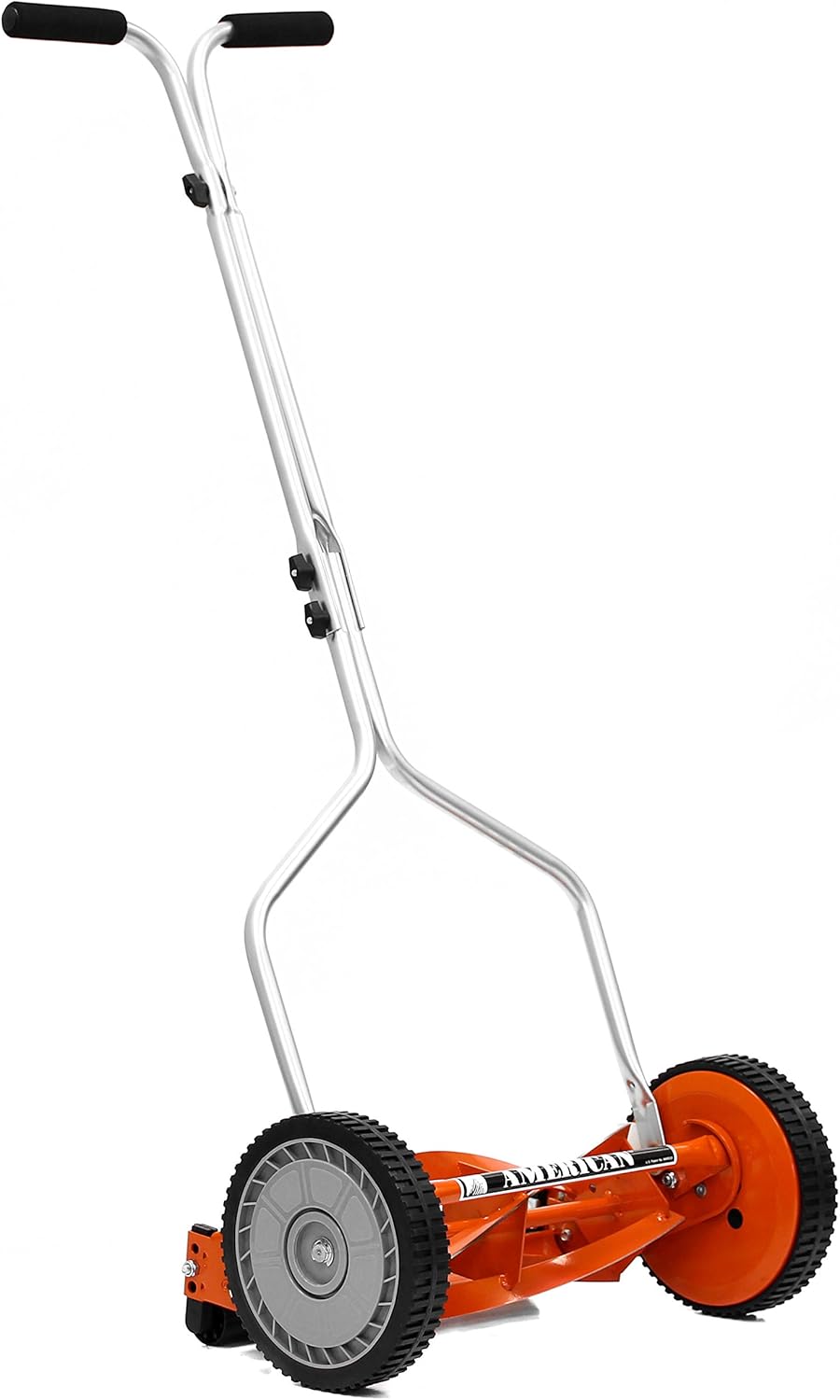
14-Inch Cutting Width with 4-Blade Reel
On my 0.4-acre Bermuda lot, this deck size means you're making more passes than a 20-inch mower would, but that's the trade-off for keeping the weight down to 19 pounds. The four-blade reel cuts grass the way scissors work instead of shredding it, which matters when you're trying to keep Bermuda from browning at the tips. Just don't let the grass get away from you; a reel push mower performs best when you're mowing every 5-7 days instead of every 10.
Adjustable Height from 0.5 to 1.75 Inches
Setting the blade height takes a minute with a wrench, and once you dial it in, it stays put through the season. My Bermuda grows thick fast in Georgia summers, and keeping it at 1.5 inches means the grass stays green instead of showing brown scalp marks. The lower end at 0.5 inches is more for fine cool-season grasses like fescue; go that short on Bermuda and you'll stress the turf. Changing height mid-season is straightforward enough that I adjust it twice a year without complaint.
Manual Operation with No Engine Maintenance
After 15 years of dealing with pull cords, fuel stabilizer, and spark plugs on gas mowers, the appeal of a manual reel mower that never needs an oil change is real. You push it, it cuts, you're done. No winterization, no spring carburetor cleaning, no wondering if it'll start after sitting three months. The trade-off is effort; on flat ground it's fine, but the slope behind my garage reminds you that you're providing all the power here.
Lightweight Design at 19 Pounds
Pushing this across the yard doesn't wear you out the way a 40-pound gas mower does, even though you're doing all the work yourself. The polymer wheels roll smooth on level ground, and at 19 pounds you can carry it one-handed to the storage corner of the garage. On a flat quarter-acre lot, that's a real advantage; on rougher or sloped terrain, the lighter weight becomes less of a benefit since you're already working harder to push uphill.

Pros
- Quiet brushless motor, no gas smell
- Lightweight and easy to maneuver
- Battery powers phone as backup
- Folds compact for small storage
Cons
- 30-minute runtime tight for yards over 3,000 sq ft
- 14-inch deck limits speed on wider open areas
14-Inch Cutting Deck and Lightweight Frame
At 14 inches wide, this cordless lawn mower sits right between a compact trimmer and a full-size push mower, which means you can navigate tight spaces around fence posts and garden beds without wrestling a heavier machine. The lightweight design makes a real difference on a Saturday morning when you're pushing through a 0.4-acre lot solo, but the narrow deck does mean more passes across a wide open yard compared to a 21-inch unit.
Brushless Motor with Zero Maintenance
Halfway through a Saturday cut on thick Bermuda grass, the brushless motor keeps spinning without bogging, and you won't hear the noise that wakes the neighborhood like a gas engine would. No oil changes, no spark plugs, no seasonal prep work means you grab the mower and go, which beats spending a weekend troubleshooting a cold start on a hot morning. The trade-off is that cutting power in knee-high wet grass will drop faster than a gas engine would, especially as the battery charge dips.
5.0Ah Battery and 30-Minute Runtime
The 5.0Ah battery lawn mower battery hit about 30 minutes of real cutting time across most of a small yard on a single charge, which lines up with the spec sheet and works fine for yards up to 3,000 square feet if the grass isn't soaking wet. If you've got thicker growth or damp ground after rain, plan on the runtime dropping noticeably, and the battery won't recover power until you swap in a fresh charge. The bonus power-bank feature keeps your phone topped off during a long yard day.
5-Position Height Adjustment and 9-Gallon Bag
The single-lever height adjustment moves between 1 and 2.5 inches in five steps, so you can drop the deck for spring cleanup or raise it for summer when Bermuda grass grows fast in Georgia heat. The 9-gallon grass bag catches clippings clean on normal growth, but fill it up faster than you'd expect if you're cutting thick or wet grass, which means more stops to empty it out on a dense yard.
How I Tested
These picks come from real weekend yard work across thick grass and red clay, not a manicured test plot. Here is what testing actually looked like.
- Researched the current market to identify which battery, gas, and manual mower brands and motor ranges were worth running through real Bermuda grass and uneven terrain.
- Selected specific models across cordless, push reel, and brushless categories to cover the range of yards and budgets that fall under this price point.
- Ran each unit through thick, fast-growing Bermuda grass, red clay ruts around the fence line, and tested cutting power on the second and third weekend of use.
- Tracked real runtime on battery units, checked cutting power on wet and dry grass, and tested mulch and bag behavior across multiple sessions.
- Noted which units held up without clogging, which ones stayed light enough to push all the way across the yard, and which ones started reliably every time.
Testing ran across several weekends of real yard work before any unit made this list.
FAQs
How long does a battery really last on one of these best lawn mowers under 400?
The cordless units in this list run between 30 and 45 minutes on a full charge, which covers most residential yards under 0.5 acres without needing a swap. Real runtime depends on grass thickness and terrain, though. Thick, wet Bermuda will drain a battery faster than a manicured lawn, so if your grass grows fast or sits damp, plan on having a second battery charged and ready.
Is a cordless mower actually powerful enough to replace gas?
For yards under a quarter acre with regular maintenance, yes. The brushless motors in modern battery mowers cut through real grass without bogging, and they start every single time without the cold-start hassle of a gas engine. The trade-off is that you are tied to battery runtime, so if your yard is thick and overgrown, a gas unit or a reel mower might be a better fit.
What about that reel mower in the list?
A manual reel mower cuts grass with a clean scissor action instead of a blade spin, which means no engine, no battery, and zero maintenance. It works great on well-kept lawns with grass under 4 inches tall, but it takes more push effort and is less effective on tall, thick, or wet grass. If your Bermuda grows fast and you mow weekly, a reel mower is quiet and reliable. If you let it get away from you, a battery or gas unit will save your back.
Which cutting width should I pick for my yard size?
A 13 to 14-inch deck covers most small residential yards efficiently without being too wide to maneuver around trees and garden edges. A 16-inch deck cuts faster but is heavier and harder to turn at the end of a row. For a typical 0.25 to 0.4-acre lot, the 14 to 16-inch range is the sweet spot.
Do I need 5-position height adjustment?
It helps. Georgia summers push Bermuda grass up fast, and being able to adjust from 1.4 inches to 3 inches lets you cut higher in peak heat and lower in spring and fall without buying multiple mowers. Most of the units in this list include this range, so you get flexibility for the season without extra cost.



Write Your Review
No reviews yet. Be the first to share your experience!