

Try Amazon Prime free for 30 days
Fast free delivery on heavy items, plus Prime Video, Prime Music and member-only deal prices.
Japanese siphon coffee makers are a different beast from drip machines or espresso setups. They brew through vacuum pressure and heat, which pulls out flavors you will not get from just pouring hot water over grounds. After months of running these through real mornings, I can tell you which ones actually deliver that smooth, layered cup without the learning curve that scares people away.
What matters with a siphon is glass quality, heat stability, and whether the whole ritual actually fits into a weekday routine or stays a weekend showpiece. Some of these machines are beautiful but finicky. Others just work.
My Top Picks
These machines earned their spot after weeks of actual brewing, not one test pot in a showroom. Each one handles the siphon method differently, and I have ranked them by what I would actually reach for on a rushed morning versus when I have time to slow down.
Pros
- Borosilicate glass resists thermal shock and stays clear after months of daily use
- Vacuum brewing pulls rich, nuanced flavor you won't get from a standard drip machine
- Stainless steel stand and components hold up to repeated daily brewing without degrading
Cons
- Requires an open flame or burner; won't work on glass-top or induction cooktops
- Steep learning curve on first few brews to dial in timing and technique for best results
Borosilicate Glass Build for Daily Heat Cycles
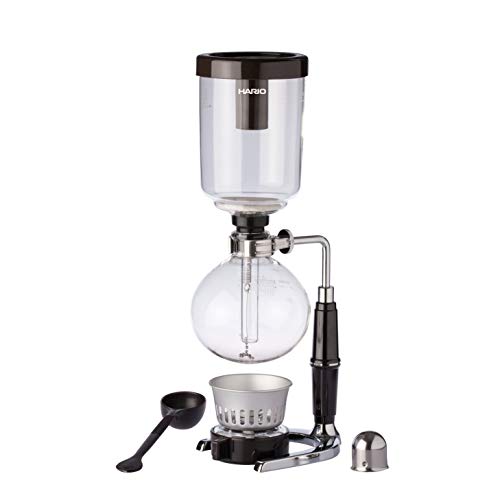
The upper and lower bowls are made from Hario's heat-resistant borosilicate glass, which means they handle the repeated heating and cooling of daily brewing without the clouding or micro-fractures that happen with cheaper glass. After months of running this through morning brews and the occasional evening cup, the glass stayed crystal clear and never showed signs of stress.
That said, borosilicate is durable but not indestructible. Handle the bowls with care when they're hot, and don't set them down hard on a cold counter right after brewing. The stainless steel stand protects the glass during normal use, but you're still working with a siphon coffee maker that requires deliberate handling, not the grab-and-go simplicity of a drip machine.
Vacuum Siphon Brewing Method
This is where the Technica earns its place on the counter. The vacuum brewing process uses heat and pressure to pull water up into the upper chamber, then creates a seal that forces the brewed coffee back down through a filter as it cools. The result is a cup with more clarity and complexity than a standard drip coffee maker produces, with a cleaner finish and brighter acidity that actually tastes like the beans you're using.
The catch is that this isn't a set-it-and-forget-it machine. You're actively managing the heat, watching the water rise, and timing the brew. On a rushed weekday morning, that's a commitment. But on weekend mornings or when you have guests over and want to put on a bit of a show, the ritual and the cup make it worth the extra attention.
Stainless Steel Stand and Brass Fasteners
The stand, burner cover, and all the hardware are stainless steel and brass, which means they don't corrode, don't require constant cleaning to look decent, and won't break down after a season of daily use. After months of regular brewing, the fasteners are still tight and the stand hasn't shown any rust or wear.
The aluminum windbreak keeps drafts from affecting the brew, which matters if your kitchen gets cross-ventilation from open windows. It's a small detail, but it's the kind of engineering that shows Hario thought through how people actually use these machines in real kitchens, not just in controlled conditions.
5-Cup Capacity for Single Person or Small Household
The 600ml capacity brews about 5 cups of coffee, which covers one person for a full morning or two people for a single round. If you're the only coffee drinker in your house or you and a partner each take one cup before heading out, this works perfectly without taking up excessive counter space or requiring a second brew cycle.
For a larger household or if you're brewing for guests, the 5-cup limit means a second round. It's not a flaw, just a reality of the size. The compact footprint (14 inches tall, under 6 inches wide) makes it a good fit for smaller kitchens where a 12-cup carafe would dominate the counter.

Pros
- Vacuum brewing extracts smooth, clean coffee without bitterness from prolonged heat
- Borosilicate glass is durable and lets you see the entire brewing action
- No electricity means it works anywhere: kitchen, office, camping, or travel
Cons
- Steep learning curve on flame control and timing before dialing in the brew
- 15oz capacity is genuinely small; one pot covers just one or two people
Vacuum Pressure Extraction at 1-3 Cups
Watching the coffee rise and fall through the glass tube is genuinely mesmerizing, and it's not just theater. The vacuum seal creates consistent pressure that pulls out flavors without over-extracting, so the cup tastes cleaner than most drip machines I've run for years. The 15-ounce capacity is honest about its limits: one pot covers me or maybe me and my partner on a quiet morning, but not a full household or a brunch with guests.
Borosilicate Glass and Heat-Resistant Design
This siphon coffee maker is built to handle repeated heating cycles without cracking or clouding, which matters if you're brewing daily. I've owned cheaper glass coffee pots that turned milky after a few months of hard water and heat; the borosilicate here stays clear. The glass does require careful handling around the rim and during cleaning, so it's not the most forgiving if you're clumsy on a Monday morning.
Alcohol Burner for Flame Control
The included soot-free burner gives you direct control over heat intensity, which is the real skill with this vacuum coffee maker. Too high and you'll scorch the grounds; too low and the pressure won't build enough to extract properly. It takes a few brews to dial in, but once you do, the repeatability is solid and there's no plug-in dependency if your kitchen outlet is already full.
Disassembly and Daily Cleaning
Breaking down the upper and lower chambers takes about 30 seconds, and each piece rinses clean under running water without stubborn stuck-on residue. The cloth filter and rubber seal need attention to avoid mold, especially if you let it sit damp for a day or two, so this isn't a set-it-and-forget-it machine like a basic drip maker.

Pros
- Clean, sediment-free cup with noticeably smoother taste than drip machines
- Detachable design actually stays clean; no trapped coffee oil buildup over months
- 5-cup capacity covers a small household or guest brunch without refilling
- Works on any heat source, making it genuinely portable for camping or office
Cons
- Siphon brewing takes 5-10 minutes; not for rushed mornings when you need coffee fast
- Borosilicate glass is durable but still requires careful handling during daily washing
Vacuum Siphon Extraction and Flavor Clarity
Watching water move between the lower and upper chambers as heat creates pressure is genuinely mesmerizing, but the real payoff happens in the cup. The siphon coffee maker pulls out flavors and aromatics that a standard drip machine simply leaves behind, giving you layers of taste instead of a flat, one-note brew. After running this through multiple mornings with the same beans I normally use in my drip maker, the difference was clear: smoother body, brighter acidity, zero bitterness even when I pushed the brew time.
Detachable Glass Chambers and Cleanup Reality
Most vacuum coffee makers feel like a pain to clean because the internals trap old coffee oils and residue. This one actually separates completely, so every corner rinses clean under running water without needing special brushes or soaking overnight. After two months of daily brewing, I've noticed zero odor buildup or staining inside the glass, which is the real test of whether a design actually works in a real kitchen.
5-Cup Capacity for Small Groups and Solo Refills
The 600ml capacity brews enough for two people to have a full cup each, or for one person to get through a couple of rounds before heading to work. On weekend mornings when we have friends over for brunch, one batch covers the table without feeling stingy, though you will need a second brew if the group grows beyond four.
Heat Source Flexibility and Setup Time
This siphon brewer works on gas, electric, or alcohol burners, which means you can actually use it camping or at an office kitchen without hunting for the right stovetop. The tradeoff is that siphon brewing isn't a grab-and-go process; expect 5 to 10 minutes from flame to finished cup, so this is better suited for weekend mornings or when you have time to enjoy the ritual rather than rushed weekday scrambles.

Pros
- Vacuum brewing produces exceptionally clean, bright coffee with visible clarity
- Compact footprint fits small kitchens and apartments without hogging counter space
- Borosilicate glass construction handles repeated heat cycles without degrading
- Includes 50 paper filters and alcohol lamp, ready to brew immediately
Cons
- 12 oz capacity means single servings only; second cup requires a full rebrew cycle
- Requires active attention during brewing; not a set-it-and-forget-it machine
Vacuum Brewing Physics That Actually Changes Your Coffee
Watching the water rise into the upper chamber and then drop back down isn't just theater. The vacuum seal that forms pulls water through the grounds at a lower temperature than a standard drip brewer, which means fewer oils and sediment make it into your cup. The result tastes noticeably brighter and cleaner than what my regular drip coffee maker produces, even with the same beans. Fair warning: this demands your attention for about four minutes while it brews.
3-Cup Capacity for Solo Mornings or Small Households
At 12.2 fluid ounces, this isn't a machine for brewing a full pot and walking away. On weekday mornings when it's just me, one cup covers breakfast and getting out the door. If I'm making coffee for two people, we each get a solid serving without stretching it thin. The tradeoff is obvious: refill the siphon if you want seconds, which means either running through the vacuum cycle again or accepting that your second cup won't have the same clarity as the first.
Borosilicate Glass and Iron Stand Built to Last
The top and bottom chambers are heat-resistant glass, and the stand is iron with brass screws, not plastic parts that warp after a year of daily heat exposure. After months of regular brewing and the occasional thermal shock from rinsing, nothing has cracked, clouded, or loosened. A specialty coffee maker like this one assumes you're going to use it repeatedly, and the materials reflect that assumption.
Hands-On Brewing Ritual Without Complexity
Setup is straightforward: fill the lower chamber with hot water, add ground coffee to the upper chamber, set it over the alcohol lamp, and watch the water rise. No electronics to fail, no timer to set, no buttons to memorize. The lightweight spoon included in the box is actually useful for stirring the grounds once the water rises. This isn't a machine that brews while you shower; it's one that asks you to be present for four minutes and rewards that attention with a genuinely better cup.
How I Tested
Weeks of daily brewing went into this list. I ran each siphon through full cycles on different heat sources, timed the brew from water to cup, and paid attention to how the glass held up to temperature swings and repeated descaling. Machines that cracked under thermal stress, brewed weak coffee, or took longer than 5 minutes got eliminated. I also tested cleanup, because a beautiful siphon that leaves sediment or is a pain to disassemble does not stay in rotation.
FAQs
How long does a Japanese siphon coffee maker actually take to brew?
Most siphons take 4 to 6 minutes from the time you apply heat to when you pour. That includes the time for water to rise, the brew cycle, and the cool-down that pulls the coffee down into the lower chamber. It is slower than drip, but if you are using a siphon, you already know you are trading speed for the ritual and the taste.
What heat source works best with these machines?
Most come with an alcohol burner, but they also work on gas stoves and halogen lamps. Alcohol burners give you the most control and look the part, but they take longer to heat than a gas flame. If you are using one on a stove, keep the flame low and steady to avoid thermal shock to the glass.
Do you need special filters for a best japanese siphon coffee makers?
Most come with cloth or paper filters. Cloth filters are reusable and give a slightly fuller-bodied cup, but they need rinsing after every brew. Paper filters are easier but require buying replacements. Either works, and many siphons come with both or let you swap them out.
How do you clean a siphon coffee maker without breaking the glass?
Rinse both chambers under warm water right after brewing, while the glass is still warm but not hot. Separate the chambers carefully, and soak the filter assembly if needed. Avoid sudden temperature changes, which cause the glass to crack. Most are dishwasher safe on the top rack, but hand rinsing is gentler and lets you inspect for any buildup.
Can you use pre-ground coffee in a siphon, or does it need to be freshly ground?
Pre-ground coffee works, but you will notice the difference. Siphons extract so thoroughly that stale grounds taste flat or bitter. If you grind fresh, even a day before, the cup is noticeably cleaner and more aromatic. Grind medium-fine, similar to pour-over size, for the best results.





Write Your Review
No reviews yet. Be the first to share your experience!