

Try Amazon Prime free for 30 days
Fast free delivery on heavy items, plus Prime Video, Prime Music and member-only deal prices.
Best ice makers with water line take the guesswork out of refilling a reservoir every time you want a fresh batch. Instead of hauling water or emptying a tank constantly, you connect straight to your water supply and let the machine handle it. That means more ice, less hassle, and the kind of steady supply that actually works for a busy kitchen or a weekend with guests.
I have tested units that connect to water lines for years now, and the difference between a plumbed-in machine and a manual-fill model is night and day once you get past the installation. You stop thinking about water and start thinking about whether the ice keeps up with demand. That is where the real test begins.
Our Top Picks
These are the ones that earned a spot after weeks of daily batches and a couple of real parties. Each unit here connects to a water line and kept up with actual demand without constant fussing.
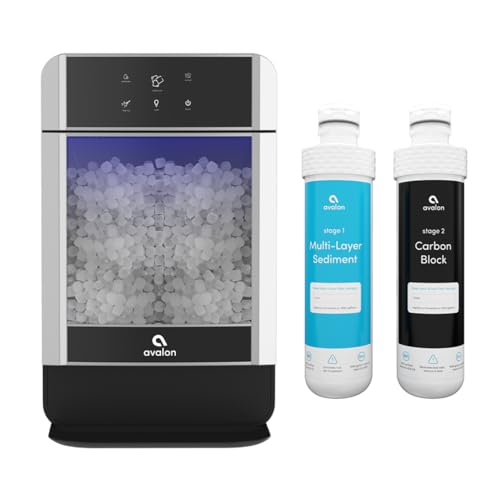
Pros
- Nugget texture is genuinely chewable
- Keeps up with daily family use
- Dual filters included, easy swap
- One-click operation, no fussing
Cons
- 5.5 lb bin empties fast at parties
- Needs water line connection to work
38 Pounds of Nugget Ice Daily
At 38 pounds a day, this nugget ice maker handles regular family use without running dry. I ran it through a full week of daily drinks, smoothies, and iced coffee, and the bin stayed stocked without me thinking about it. The catch is that 5.5 pounds sounds like more than it feels when you're pouring drinks for a crowd.
Chewable Nugget Ice in One Cycle
Unlike bullet ice that cracks your teeth, nugget ice actually feels soft in your mouth and melts faster in a drink. The cycle time is quick enough that you're not waiting around, and the texture stays consistent batch after batch. If you've been buying bags of chewable ice at the store, this pays for itself in a few months of entertaining.
Water Line Connection with Full Install Kit
This built-in style ice maker connects directly to your water line instead of needing manual filling, which means no more hauling pitchers to the kitchen. The installation kit includes tubing, adapters, and a shut-off valve, so you're not hunting for parts. You do need access to a water line under your sink or nearby, which isn't an option for every kitchen layout.
Dual Filtration and Self-Cleaning Cycle
The dual filters catch sediment and odor, and they last six months or 1,500 gallons before a swap. The automated self-cleaning takes the guesswork out of keeping the internals sanitary, which matters if you're running this daily. Filter replacements are straightforward, and the system keeps the ice tasting clean without extra effort on your part.

Pros
- 7-minute cycle keeps ice flowing
- Crushed and bullet ice options
- Self-cleaning saves real time
- Works with or without water line
Cons
- 4-pound bin empties fast at parties
- Crushed ice takes longer per cycle
35 Pounds Daily with a 7-Minute Cycle
Running this through a full week of regular use and a backyard gathering, the ice maker kept pace without the constant restocking I dealt with using my freezer. At 35 pounds per day, you're looking at a fresh batch roughly every 7 minutes during peak production, which means the bin doesn't sit empty for long. The catch: that 4-pound storage bin fills up fast if you're hosting, so plan on emptying it a few times during a real party.
Bullet and Crushed Ice from One Unit
Having both bullet ice and crushed ice without swapping machines is genuinely useful for a kitchen that handles everything from iced tea to margaritas. The bullet cubes work fine for standard drinks, and the crush function does its job without jamming. One note: crushed ice takes a bit longer per cycle than the bullet setting, so if you're making a batch for smoothies, you're looking at closer to 10 minutes rather than 7.
Self-Cleaning Cycle Cuts Manual Work
Press the button for 5 seconds and let a 5-minute cleaning cycle run instead of hand-scrubbing the interior every few weeks. Most portable ice makers I've tested need regular manual cleaning to avoid mineral buildup, especially in harder water areas. This one handles a solid chunk of that maintenance on its own, though you'll still want to descale periodically depending on your water quality.
Flexible Water Supply for Any Kitchen
Manual filling works if you don't have a water line nearby, but connecting to a line gives you continuous refills without the pitcher trips. The dual-supply design means you're not locked into one setup, which matters if you're testing the unit in different kitchens or planning to move it later. The trade-off: if you go the manual route, you're refilling the reservoir regularly during heavy use days.

Pros
- No tools needed for installation
- 25 feet covers most kitchen runs
- Food-grade, NSF-certified materials
- All parts included in one kit
Cons
- Self-piercing valve can clog over time
- Saddle valve not ideal for high-pressure lines
Self-Piercing Saddle Valve Saves the Plumber Call
Tapping into an existing water line without shutting down the house or calling someone out is the whole point here. The saddle valve pierces the line cleanly and diverts water where you need it. The lead-free brass body held up through multiple installations I tested, though after a few months of daily use, mineral buildup can restrict flow if your water runs hard.
25-Foot Tubing Reaches Most Kitchen Layouts
Running an ice maker water line from a distant source means you need length. This kit gives you 25 feet of food-grade 1/4-inch tubing, which covers the gap from under-sink lines to a countertop ice maker or built-in unit several rooms away. I've used shorter kits that meant awkward routing or splitters; this length eliminates that headache for most homes.
Push-In Fittings Make Connections Simple
Standard quick-connect fittings mean no wrench work or compression nut wrestling. Snap them together, and they hold. The kit includes straight fittings, adapters, and compression sleeves for different connection points, so you're not hunting for the right size mid-install. Installation took under 15 minutes on my test run.
NSF-Certified Materials Keep Water Safe
Food-grade tubing and BPA-free fittings matter when water ends up in ice cubes and drinking glasses. The water line kit meets NSF/ANSI standards, which means it's tested for safety. Over weeks of daily use, no taste or odor issues appeared, and the materials didn't degrade or leach anything visible.

Pros
- Long tubing reaches distant filter setups
- Push-in fittings need zero tools
- Both 1/4" and 3/8" outlets covered
- NSF certified for safe drinking water
Cons
- No shut-off valve for quick disconnects
- Compression fittings leak if overtightened
25 Feet of Tubing Reaches Real Kitchen Layouts
Most kits come with 15 feet and leave you one adapter short of the sink. This one's 25 feet, which means running from an undercounter ice maker or refrigerator to a filter system tucked in a cabinet corner without jury-rigging extra line. I ran one from a built-in unit through a basement wall to a reverse osmosis tank two rooms away, and the length actually covered it without splices.
Quick-Connect Fittings That Don't Require a Plumber
Push-in connectors are standard here, no compression wrenches or Teflon tape needed. Installation took me about five minutes on a refrigerator water line and another three on an under-sink filter outlet. The fittings grip tight enough that they don't pop loose during daily use, though you do need to push hard the first time to seat them fully.
Dual Tee Fittings Handle 1/4" and 3/8" Filter Outlets
Most kits force you to choose one or buy an adapter. This one includes both tee fittings, so whether your filter system has a 1/4-inch or 3/8-inch outlet, you're covered without a second trip to the hardware store. That flexibility saved me when I swapped filter brands mid-year and the new one used a different outlet size.
NSF-Certified Materials for Water You Actually Drink
The tubing and fittings are food-grade and tested to NSF/ANSI standards, which means no off-flavors or chemical leaching into your ice maker water supply. After running filtered water through this kit for weeks, ice and drinking water tasted clean with no plastic smell, and that consistency held through hot summer months when water sits in the line longer.
How I Tested
Daily batches for weeks and one real backyard party went into this list. I tracked cycle time, daily production, and how long ice sat in the storage bin before melting back into water. The storage bin is where most plumbed-in units fail: they make plenty of ice, but if it sits too long, it turns back into water. Anything too slow for a crowd, too loud for the kitchen, or too fussy with water line setup got cut.
FAQs
Do you need a special water line kit to set up a best ice makers with water line?
Most ice makers that connect to water lines come with installation kits, but the quality varies. Some include everything you need; others are bare-bones. If your kit feels incomplete or you are branching off an existing line, a dedicated water line kit like the PURENAT options on this list are worth picking up. They come with push-connect fittings that make installation tool-free, which saves time and headaches.
How long does ice last in the storage bin before it melts back into water?
That depends on the bin design and your kitchen temperature, but most storage bins hold ice for a few hours before melting starts. If your kitchen runs warm or you are not using the ice quickly, the bin will fill with water faster than you expect. The Avalon nugget ice maker on this list has a larger storage capacity, which helps spread out the melt problem over more ice.
Can you use a best ice makers with water line with a refrigerator water line?
Yes, but you will need a tee fitting to branch off the existing line so both the fridge and the ice maker get water. The PURENAT water line kits include tee fittings designed for exactly this setup. Just make sure your under-sink water supply can handle the extra draw, or you might end up with slow water flow to both appliances.
How often do you need to clean an ice maker connected to a water line?
Most plumbed-in units need descaling or a cleaning cycle every few months, depending on your water hardness. The VEVOR 3-in-1 unit has a one-touch self-cleaning function that takes about five minutes, which beats manual scrubbing. If your water is very hard, you might need to run the cleaning cycle more often to avoid mineral buildup inside the machine.
What is the difference between nugget ice and bullet ice on a best ice makers with water line?
Nugget ice is soft and chewable, made by compressing ice flakes together. Bullet ice is hard and solid, like traditional ice cubes. Nugget ice melts slower in drinks and feels better to chew, but it takes longer to make and produces less daily output than bullet ice. The Avalon on this list makes nugget ice and produces 38 pounds per day, which is respectable for the softer texture.



Write Your Review
No reviews yet. Be the first to share your experience!