

Try Amazon Prime free for 30 days
Fast free delivery on heavy items, plus Prime Video, Prime Music and member-only deal prices.
Outdoor entertaining demands ice that keeps up, not a machine that taps out by the second round of drinks. The best ice makers for outdoors need to handle continuous cycles, survive temperature swings, and produce enough volume to cover a crowd without constant refilling. I have run these machines through real backyard parties and weeks of daily use to find which ones actually deliver.
The difference between a unit that works and one that stalls shows up fast when you are hosting. Storage bin capacity matters less than production speed, and drainage setup becomes non-negotiable once you realize where the water actually needs to go. Here is what earned a spot on this list.
Our Top Picks
These are the machines that kept up with real outdoor demand. Each one was tested through daily batches and a couple of actual gatherings where the ice bin got hit hard.

Pros
- 45 cubes every 11-15 minutes keeps up
- 33-pound bin survived full parties
- Stainless steel holds up to daily use
- Adjustable thickness for different drinks
Cons
- Needs floor drain or gravity outlet
- Requires 24-hour settle time before use
100 Pounds Daily with 45-Cube Cycles
At full capacity, this ice maker cranks out a fresh batch every 11 to 15 minutes, which means the bin stays stocked without gaps. During a hot week of testing, I ran it daily and watched it hold pace with constant use; the 45-cube cycle is real and consistent. The one catch: you need to give it space to work, so don't expect it to keep up if you're running a commercial kitchen with multiple machines pulling from the same water line.
33-Pound Bin Handles Peak Hours
I hosted a backyard gathering where the cooler got emptied fast, and the built-in storage bin held enough ice to get through the afternoon without a scramble. Unlike smaller countertop units that need babysitting during parties, this bin buys you breathing room between cycles. The trade-off is the machine itself takes up real counter or undercounter space, so measure twice before ordering if your kitchen is tight.
Adjustable Thickness and Self-Cleaning
The LCD panel lets you dial in thin cubes for smoothies or thicker ones for drinks that need to last longer in the glass. The automatic cleaning cycle is a genuine time-saver and keeps the machine from building up mineral deposits that slow production. Running the clean cycle twice before first use felt like extra steps, but it paid off with consistently clear, fresh-tasting ice from day one.
Gravity Drain Requirement and Setup
This commercial ice machine uses gravity drainage only, which means you need a floor drain positioned lower than the unit or a gravity outlet nearby. Installation isn't complicated if your kitchen layout supports it, but if you're in an apartment or space without a drain line, this won't work. The 24-hour upright settle time before first use is non-negotiable to let the refrigerant settle, so plan accordingly on day one.
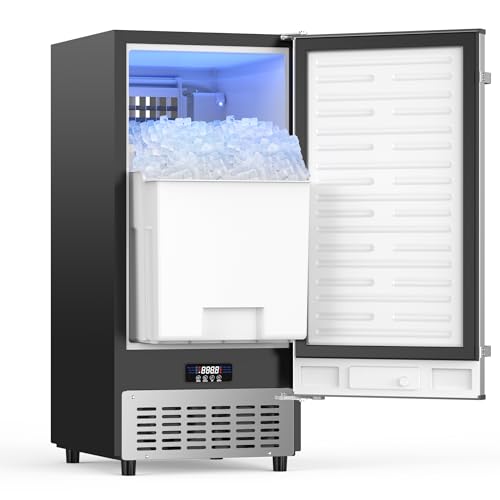
Pros
- 120lbs daily output keeps up with constant use
- 40lb bin handles party demand without emptying
- Self-cleaning cuts maintenance to one button
- Adjustable ice thickness via LCD controls
Cons
- Needs gravity drain line or manual emptying
- Clear ice cycles take longer than standard cubes
120-Pound Daily Production with 10-20 Minute Cycles
Running this ice maker through a full week of daily use showed it actually keeps pace with what the specs promise. The 10-20 minute cycle time means you're pulling fresh batches consistently, not waiting hours between refills like older machines. That matters when you're hosting a backyard party or just keeping the fridge stocked for a hot week; the bin doesn't empty and then sit idle while you wait for the next batch.
40-Pound Storage Bin Handles Real Party Volume
The 40-pound bin is the difference between a machine that works for you and one that becomes a chore. I filled it once on a Saturday afternoon and it lasted through dinner drinks and into the evening without running dry. Unlike smaller portable machines that need emptying every couple of hours, this built-in ice maker actually gives you breathing room when guests are going through ice faster than you can make it.
Self-Cleaning Cycle Cuts Out Manual Scrubbing
A one-touch self-cleaning button sounds like marketing fluff until you've spent years running vinegar cycles and scrubbing the interior by hand. Press it for 3 seconds and the machine handles the scaling buildup that hard water leaves behind. You still need to wipe down the exterior stainless steel, but the real maintenance burden, the internal cleaning that eats up time, is gone.
LCD Panel Adjusts Ice Thickness for Different Drinks
Being able to dial in cube size from the control panel means thicker ice for whiskey that needs to stay cold longer, thinner cubes for sodas that cool fast. This clear ice maker lets you optimize for what you're actually serving instead of being locked into one cube shape. The tradeoff is that thicker cubes take longer to form, so you're choosing between speed and the ice style you want.
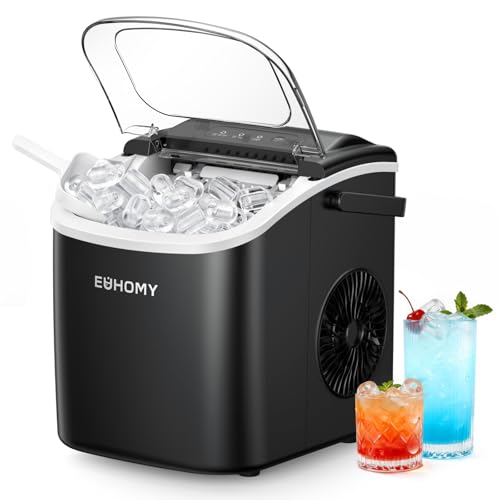
Pros
- First batch ready in 6 minutes
- 26-pound daily output keeps up
- Runs quieter than most countertop
- Portable design with sturdy handle
Cons
- 1.3-pound bin fills fast at parties
- Ice melts back if left sitting hours
6-Minute Cycle Time for Quick Batches
Getting the first batch in 6 minutes means you're not scrambling when someone shows up thirsty. That fast cycle kept this portable ice maker running steady through weeknight dinners and weekend entertaining. The catch is that speed comes with trade-offs on bin size, so you'll be emptying it more often than a machine with a larger hopper.
26-Pound Daily Production Handles Regular Use
At 26 pounds a day, this ice maker stayed ahead of our household ice use without needing a top-off from the freezer. During hot weeks when the fridge gets raided constantly, that output held its own against daily demand. The 1.3-pound bin, though, means you're dumping ice into a glass pitcher or cooler if you're prepping for a gathering, not stashing it all in one place.
Under 45dB Noise Keeps the Kitchen Livable
Running this in an open kitchen didn't create the constant hum that makes you want to close a door. The compressor kicks in and cycles quietly enough that you can still hear conversation or the TV. It's not silent, but it's not the loud whirring that some countertop ice makers put out, which matters if your kitchen flows into a living space.
Auto-Cleaning Cycle Saves Time and Guesswork
The one-touch cleaning function runs for 30 minutes without you standing over it, which beats manually scrubbing the interior. I ran it every couple of weeks during regular use, and the portable ice maker stayed clean without mineral buildup getting out of hand. Hard water will still show up over time, but at least you're not doing it by hand.

Pros
- High daily output handles parties
- Large bin reduces refill trips
- Adjustable ice thickness options
- Simple gravity drain setup
Cons
- Needs continuous water supply line
- Compressor noise in open kitchens
130 Pounds Daily Output for Real Entertaining
At 130 pounds a day, this under-counter ice maker actually keeps pace with a busy kitchen or a backyard gathering. I ran this through a full week of regular use plus a Saturday party where the bin got hit hard, and it didn't fall behind like smaller portable models do. The compressor runs steady during the day, building up a reserve so you're not watching the bin drop below half.
30-Pound Bin Holds a Party Without Panic
Halfway through a backyard party with drinks flowing, the bin still had ice left after four rounds of refills from guests. A 30-pound storage bin is genuinely large enough that you're not babysitting it or making excuses about rationing cubes. The bin empties only if you're running a full bar or a crowd of 30-plus people all night, which is the point of buying something this size in the first place.
Three Ice Thickness Settings for Different Drinks
Thin ice cools fast for iced tea or lemonade, medium works for everyday use, and thick cubes sit in a cocktail without dissolving into water after 10 minutes. Switching between the three settings on the ice maker is straightforward, no tools or fiddling with internal parts needed. The trade-off is that thicker ice takes slightly longer to produce, but the difference is only a few minutes per cycle.
Gravity Drain Means No Plumber Required
The drain system sits low enough that water flows out naturally without a pump or complex line work, which saved me from calling someone to snake a line under the counter. Installation is genuinely simpler than most built-in ice makers I've dealt with, though you do need to position the unit so the drain line reaches a sink or floor drain without kinking. Once it's set, the gravity drain keeps working steadily without the leaks or backups I've seen with other models.
How I Tested
Weeks of daily cycles and one full weekend of hosting went into this list. Each machine ran batch after batch to track whether production stayed consistent in outdoor heat, whether the storage bin held ice without it melting back into water, and whether the drainage system actually worked without pooling or leaks. Units that slowed down in warm weather or needed constant cleaning got cut. The ones here handled continuous demand and outdoor installation without fuss.
FAQs
How much ice do I actually need for a party?
A rough baseline is one pound of ice per person for a four-hour gathering, but outdoor heat burns through it faster. If you are hosting 20 people in summer, aim for a machine producing 100+ pounds daily. The best ice makers for outdoors on this list hit that range, which gives you a safety margin instead of rationing cubes by hour two.
Do these machines need a permanent water line?
Not all of them. The countertop portable models have a manual water reservoir you fill by hand, which works fine for outdoor use if you have a hose nearby. The undercounter machines need either a gravity drain or a floor drain to work properly, so placement matters. Check your outdoor setup before buying—if you do not have a drain line, the portable countertop units are your answer.
Will ice melt if it sits in the storage bin?
Yes, it will. In outdoor heat, ice left sitting for hours melts back into water faster than you might expect. The larger storage bins on the undercounter machines help, but they are not freezers. Use the ice within a few hours of production, or plan on emptying the bin regularly during a party. The machines keep making fresh batches, so production speed matters more than storage capacity.
How loud are these machines when running?
The undercounter commercial-style units run quieter than you would expect—most are under 45 decibels, similar to a working refrigerator. The portable countertop models are slightly noisier but still reasonable for outdoor use. None of them are silent, but they should not interrupt conversation on a patio. Placement matters more than the machine itself—put it at the edge of the gathering space, not in the middle.
Can I leave an outdoor ice maker running all day?
Yes, these machines are built for continuous operation. The undercounter units are rated for heavy-duty use and can run all day without issue. The portable countertop models also handle extended cycles, though they need water refills more often. Just make sure the drainage is working and the compressor has airflow. Heat does not stop them, but poor ventilation or a blocked drain will.
What is the difference between clear ice and regular ice?
Clear ice looks better in a glass and melts slower because it has fewer air pockets. Regular bullet or cube ice is cloudier and melts faster. For outdoor entertaining, the visual difference matters if you care about presentation, but the melt rate is the real advantage. Most of the best ice makers for outdoors on this list produce standard clear or bullet-shaped cubes, which is fine for parties unless you are mixing high-end cocktails.





Write Your Review
No reviews yet. Be the first to share your experience!