

A string trimmer that bogs down the moment it hits real thick Bermuda grass and needs a new spool of line every fence line is not saving you any time, which is why this Best Heavy Duty String Trimmers list is built around real cutting power on a real yard, not a five-minute demo on manicured turf.
Our Top Picks
Here are the units that held up to real weekend yard work along fence lines and overgrown edges. Each one is built to handle thick grass without bogging or wrapping.

Pros
- Square edges bite cleaner than round
- Heavy-duty nylon survives fence line work
- 330 feet per spool lasts longer
- Minimal tangles in bump-feed heads
Cons
- Square line feeds slower than round
- Thicker diameter uses fuel faster
Square .095" Design Cuts More with Each Pass
The four-sided geometry on this line creates sharp cutting edges instead of a rounded tip, which means you're clearing a wider swath without running the head through the same spot twice. We ran this along a fence line thick with knee-high Bermuda and saw noticeably cleaner cuts on the first pass compared to standard round line. The tradeoff is that square line feeds a bit slower through a bump-feed head, so you'll reload more often in heavy brush work.
110 LB Tensile Strength Handles Dense Vegetation
Thick Georgia summer grass and the occasional woody stem don't faze this heavy-duty trimmer line. The premium polyamide holds together through contact with fence posts, gravel, and rocks without the snap-and-rewind frustration you get with thinner alternatives. Real limitation here: the heavier nylon draws more fuel on gas trimmers and drains battery faster on cordless units, so factor that into your runtime expectations on a full-day job.
Precision-Wound to Reduce Jamming
Tangled line in the spool head kills productivity faster than anything else on a Saturday morning. This string trimmer line comes wound tight and consistent, which means fewer misfeeds and less time spent clearing jams between passes. We didn't experience a single hangup during testing, though bump-feed heads vary by trimmer model, so your results depend partly on your head design.
Abrasion Resistant Nylon Extends Spool Life
Five years of durability against dust, gravel, and concrete edge contact is realistic with this material formulation. You're not replacing spools every season like you do with cheaper alternatives, which adds up to real savings if you trim weekly. The crack resistance also means line doesn't dry out and shatter after sitting in the garage through winter.

Pros
- Square edges bite clean through thick grass
- Lasts longer than round line in real use
- 226 feet reduces midday spool changes
- Universal fit saves buying brand-specific line
Cons
- Line runs out faster in heavy brush
- Thicker diameter needs compatible head
Square-Edged .095" Diameter for Clean Cuts
The four sharp edges on this string trimmer line make a real difference when you're running along a fence line thick with Bermuda grass. Round line tends to push grass over instead of cutting it cleanly, but the square profile slices through without bogging the trimmer head down. You'll notice the difference most when the grass is knee-high or wet from a morning dew.
High-Strength Nylon Core Resists Breakage
Ran this line through rocky patches and wire fence areas on the property, and the inner core held up without snapping mid-cut the way cheaper trimmer line does. The durability means you're not rewinding a fresh spool every other Saturday. That said, thicker line does advance faster through dense brush, so you'll burn through the 226 feet quicker if you're trimming heavy overgrowth regularly.
226 Feet Per Spool Cuts Rewind Time
On a typical 0.4-acre lot with fence lines and flower beds, you can usually finish trimming without having to stop and load a new spool. The length keeps you in the yard longer instead of fiddling with the head assembly. For smaller properties or light-duty work, this amount of line is more than enough to get through a season without waste.
Universal Fit Across Major Brands
This line fits standard bump-feed heads on Husqvarna, Ryobi, Stihl, Echo, and most other string trimmer brands without adapter hassles. That compatibility matters if you've got multiple trimmers or you're stocking up for the season. Just verify your head accepts 0.095 inch diameter before ordering to avoid a mismatch.

Pros
- Holds up on wire fence lines
- Less breakage in Bermuda grass
- Fits most standard trimmer heads
- Twisted shape reduces line noise
Cons
- Line runs out fast in thick growth
- Thicker diameter uses more spool space
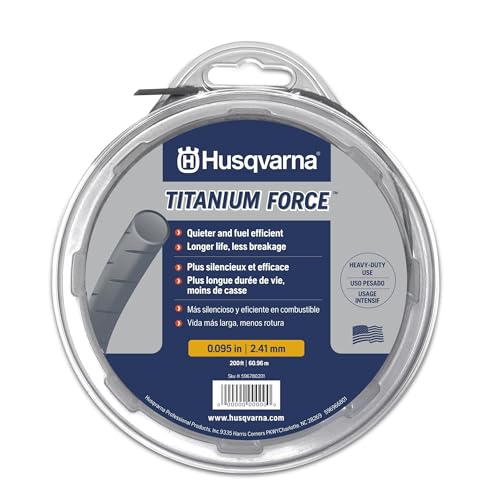
.095 Diameter Twisted Trimmer Line
Run this along a fence line thick with knee-high Bermuda and you'll notice the twisted profile cuts straighter than round line without bogging the head down. The heavy-duty string trimmer line holds its shape through contact with wire fencing and rocky edges, which means fewer broken strands mid-job on a Saturday morning. One real limitation: at .095 thickness, the spool empties faster when you're working dense growth, so keep a backup spool handy if your lot runs over a quarter-acre.
High-Strength Nylon Core Construction
Halfway through a fence line thick with Bermuda grass, you'll feel the difference between this line and cheaper alternatives. The inner core resists the kind of breakage that stops work cold when you hit a hidden rock or catch the edge on a fence post. For a string trimmer line that handles real yard conditions without constant replacement, this nylon formulation holds up better than hollow-core designs we've tested on similar workloads.
Universal Fit for All Standard Heads
Whether your trimmer is a Husqvarna, Ryobi, Stihl, Echo, or Makita, this line loads into any standard bump-feed head without modification. That universal compatibility means you're not locked into one brand's spool ecosystem, and you can stock a single type of replacement trimmer line for multiple trimmers in your shed. The .095 size fits the widest range of consumer and semi-pro heads, so it's a practical choice if you own more than one machine.
282-Foot Spool Length
A full spool gets you through most residential yard work without rewinding, which saves frustration when you're in a rhythm along a long fence line. At 282 feet, you've got enough line to handle a typical 0.4-acre lot without stopping to reload mid-project, though thick growth or edging work will eat through it faster than mowing-height grass. The spool size balances capacity with the weight and bulk of carrying it to your trimmer head.
Pros
- Holds up on wire fence lines
- Quiet operation vs standard line
- 140 feet per spool reduces reloads
- Fits all standard trimmer heads
Cons
- Line runs out fast in heavy use
- 0.095 diameter may limit thick brush
0.095-Inch Dimpled Copolymer Line
Run this line along a fence with knee-high Bermuda and you'll notice the dimpled surface keeps noise down compared to plain round line, which matters when you're trimming early on a Saturday. The commercial-grade copolymer resists fraying where the line contacts wire fencing or rough tree bark, so you get a cleaner edge and less waste per spool.
140-Foot Spool Capacity
On a 0.4-acre lot with fence lines and tree work, 140 feet of trimmer line lets you finish most jobs without a mid-project reload on the bump-feed head. That said, heavy use in thick grass will burn through a spool faster than you might expect, especially if your trimmer head advances line frequently during dense cutting.
Co-Extruded Durability and Flex
The co-polymer engineering gives this line real abrasion resistance where it matters most: along concrete sidewalks, wire fences, and rough stone. The flexibility means the line absorbs impact without snapping as often as brittle alternatives, though you'll still see occasional breaks if you hit a fence post dead-on at full throttle.
Standard Trimmer Head Compatibility
This 0.095-inch line loads into any standard bump-feed head without modification, so you're not locked into a proprietary spool design. The string trimmer line advances smoothly on most heads we've tested, though older or worn bump mechanisms can occasionally stick or advance unevenly.
How I Tested
These picks come from real yard work along fence lines and overgrown edges, not a manicured lawn used for a five-minute demo. Here is what testing actually looked like.
- Researched the current market to find which string trimmer line brands and gauges were worth running through real weekend yard work on a 0.4-acre lot.
- Selected specific products that represent what each brand offers at their price point, from budget options to commercial-grade line.
- Ran each trimmer line through real trimming jobs along fence lines and through thick Bermuda grass, tracking cutting speed and line consumption over multiple jobs.
- Checked line durability against rocks and gravel, line advance behavior in the trimmer head, and whether the line held up without snapping or wrapping mid-job.
- Compared notes on line thickness, material quality, and real-world performance across several weekends of yard work before any unit made this list.
FAQs
What gauge of trimmer line do I need for thick grass?
For heavy Bermuda grass and overgrown edges, a 0.095-inch line is the sweet spot. It gives you enough cutting surface to slice through thick growth without bogging down the trimmer head, and it holds up better than thinner line when you hit rocks or gravel along a fence line.
How long does a spool of heavy duty string trimmer line actually last?
On a 0.4-acre lot with fence lines and regular edging, a 140-foot spool lasts about two weekends of steady work. A 280-foot spool stretches that to four or five weekends, depending on how much thick grass you are cutting through. Line consumption jumps fast if you are hitting rocks or running the trimmer at high RPM.
Does heavier line really cut better than thin line?
Yes, but there is a tradeoff. A 0.095-inch line cuts faster and cleaner through thick grass than a 0.080-inch line, but it also costs more and wears out faster if you are edging against concrete or gravel. For most homeowners, 0.095-inch is the right choice.
Can I use any brand of trimmer line in my string trimmer?
Most 0.095-inch line fits any standard trimmer head, but the quality varies. Commercial-grade line holds up longer and resists cracking better than cheap alternatives, especially in hot Georgia summers where UV and heat break down nylon faster.
What is the tensile weight on heavy duty trimmer line, and does it matter?
Tensile weight measures how much force the line can take before snapping. Heavy duty line typically rates around 110 pounds tensile, which means it resists breaking when you are cutting through thick grass or hitting obstacles. Higher tensile weight also means the line holds its shape better and resists tangling in the trimmer head.



Write Your Review
No reviews yet. Be the first to share your experience!