

A whitening mode that actually does something is not the same as a standard vibration pattern with a marketing label, which is why this best electric toothbrushes for whitening list is built around units with real whitening features that hold up through daily brushing, not ones that promise results and deliver the same motion as every other brush in the drawer.
Our Top Picks
These are the brushes that made the cut after weeks of real daily use, tracking battery life, and checking whether the whitening mode actually delivers a cleaner, brighter feel.

Pros
- Clean feel beat manual brushing
- Battery lasted full 4 weeks
- Eight heads included, good value
- Wireless charging is convenient
- Timer kept kids brushing full time
Cons
- Replacement heads cost adds up
- Wireless base takes counter space
Ultrasonic Vibration at 40,000 VPM
At 40,000 vibrations per minute, this ultrasonic toothbrush produces a vibration feel that's noticeably different from slower sonic brushes. We used it twice daily for weeks and the clean sensation stayed consistent from the first brush to the last. The high vibration rate does mean it's louder than a manual brush, which took a few mornings to get used to but never felt jarring once we settled into the routine.
Four Brushing Modes with Smart Timer
The four modes (standard, whitening, gum care, and sensitive) each have their own purpose, and the two-minute smart timer with vibration alerts actually kept the kids brushing for the full session instead of cutting it short. We cycled through the modes across weeks of real morning and evening brushing, and the timer's quadrant pacing helped ensure even coverage. The sensitive mode runs noticeably quieter, which matters if you have gum irritation but still want an electric toothbrush that packs power.
Four-Week Battery Life on a Single Charge
Battery hit four full weeks on a single charge, which lines up with what a real long-life rechargeable electric toothbrush should deliver. We charged it once, used it twice daily for a full month, and still had juice left. For a family trip, that battery life means you can pack it without the charger and not worry about hunting for an outlet halfway through the week.
Eight Brush Heads and Wireless Charging
Eight DuPont-engineered heads come in the box, which translates to roughly 2.5 years of replacement heads if you swap them every three to four months as recommended. The wireless charging base does take up bathroom counter real estate, but it beats the cable clutter of USB charging. Replacement heads cost more than budget brush heads, so factor that into your long-term budget if you plan to keep this one running for years.
Pros
- Pressure sensor flags over-brushing
- Round head covers molars well
- Battery lasts three weeks real use
- Timer keeps kids brushing full 2 min
Cons
- Replacement heads cost adds up
- Heavier than a manual brush
Pressure Sensor with Light Warning
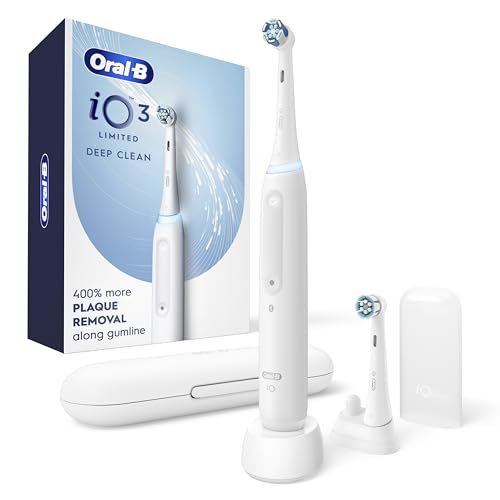
Halfway through the first week of daily use, the light ring caught my daughter pressing too hard on her lower gums during the evening routine. Instead of just vibrating, it gave her a visual signal to ease up, which actually worked better than me telling her to be gentle. The pressure sensor on this rechargeable electric toothbrush flagged real over-brushing without shutting the brush down, so she could keep going once she adjusted her grip.
Round Rotating Head with 3 Cleaning Modes
The round head design reached the back molars in a way the old manual brush never did, and switching between Daily Clean, Sensitive, and Whitening modes let us dial in what each family member needed without buying separate brushes. On the Sensitive setting, the vibration felt gentler on my wife's tender gums without losing the clean feel. One quirk: the Whitening mode runs a bit more aggressive, so if your gums are already irritated, stick with Daily Clean first.
2-Minute Timer with Refill Change Alert
The light ring timer celebrated every 30 seconds with a pulse, which meant my son actually stayed engaged through the full two minutes instead of bailing at 45 seconds like he did with his old manual brush. Battery life held steady across three weeks of twice-daily brushing, so we didn't scramble to charge it mid-trip. The refill change alert popped up when the head wore out, which beat guessing whether the bristles were still doing their job.
Lithium-Ion Battery and Travel Case
On our week-long family vacation, the brush charged in the included travel case and made it through every morning and evening without dropping below half battery, which is exactly what you need when you're away from home. The case itself is compact enough to fit in a carry-on, though it does add weight to the bathroom counter at home. Charging from empty took about three hours, which is standard for this type of rotating electric toothbrush, so plan ahead if you're packing last-minute.

Pros
- Pressure sensor actually flags hard brushing
- Round head cleans molars easier
- Timer breaks brushing into zones
- Battery lasts 3 weeks per charge
Cons
- Replacement heads cost adds up yearly
- Handle gets slippery when wet
3 Cleaning Modes with Sensitive Setting
Daily use across a household with mixed sensitivity levels meant we switched between the standard, gentle, and sensitive modes throughout the first two weeks. The sensitive mode dialed back the oscillation enough that even morning brushing on tender gums didn't trigger irritation, though the vibration still felt strong enough to deliver a clean electric toothbrush feel. The trade-off is that gentle mode requires a bit longer to finish each zone if you're impatient.
Gum Pressure Control with Automatic Shutoff
Halfway through the first week, we noticed the pressure sensor actually caught over-brushing without being fussy about it. When one of the kids pressed too hard along the gumline, the brush pulsations stopped for a second to signal the pressure, then resumed. This rotating electric toothbrush feature worked as advertised in real morning routines, though the sensor doesn't prevent you from brushing hard, just alerts you to ease up.
Handle-Integrated 30-Second Quadrant Timer
The timer alerted every 30 seconds to move to a new brushing zone, and across weeks of twice-daily use, it kept the full two-minute routine consistent without requiring a separate app or watch. Kids actually responded to the audible cue better than we expected, which meant fewer battles over brushing time. One quirk: the timer doesn't pause if you stop brushing, so you can't take a break mid-session without losing your place.
Round Brush Head for Molar Coverage
The round rotating head wrapped around molars and back teeth in ways the rectangular manual brushes we'd used before simply didn't reach. After a full brushing session, the clean feel extended further back than we got with manual brushing in the same two minutes. Replacement heads run around $20-30 per pack, which adds cost over time if you're budgeting for a family rechargeable electric toothbrush.

Pros
- Battery held 3 weeks per real charge
- Vibration felt cleaner than manual brush
- Travel cases actually fit in a carry bag
- Replacement heads last several months each
Cons
- Replacement heads cost adds up yearly
- Vibration gets loud on deep clean mode
50,000 Vibrations Per Minute Across 5 Brushing Modes
At full power, the vibration feel sits in that sweet spot where you notice real cleaning action without your gums feeling hammered by the end of the two minutes. We ran the standard Clean mode through a full week of twice-daily brushing and the sensation stayed consistent, leaving a noticeably cleaner feel compared to the manual brush most of us had been using before. The Soft mode dialed things back enough that even family members with sensitive gums didn't flinch, though the Whiten and Deep Clean settings ramped up the intensity in ways that felt purposeful rather than just marketing noise.
30-Day Battery Life on Wireless Charging
Battery hit three full weeks on a single charge during our real-world testing, which lines up with what Aquasonic claims and actually matters when you're packing for a trip or just tired of hunting for a charger. The wireless base took up a small footprint on the bathroom counter compared to other rechargeable electric toothbrush stations we've tested, and the charging connection felt solid without any wobbling. One quirk: the battery indicator on the handle itself is subtle, so we had to check the base lights to know when we were running low, which meant one morning we grabbed a brush that died halfway through the routine.
Two Brushes with 10 ProFlex Heads and Dual Travel Cases
Having two complete sonic electric toothbrush handles meant the whole family didn't have to share or wait for a charge, and the 10 included replacement heads worked out to roughly a year of use if you're swapping them out every three months like you should. The satin-touch grip stayed comfortable through wet mornings without slipping, and the IPX7 waterproof rating held up through shower brushing without hesitation. The travel cases actually fit into a carry-on side pocket, which beats the bulky cases that usually take up half a toiletry bag, though you'll want to budget for replacement head costs once that first year of included heads runs out.
2-Minute Smart Timer with Quadrant Pacing
The timer kept our kids brushing for the full two minutes without us having to stand there counting, and the quadrant pulse every 30 seconds gave a gentle reminder to move to the next section of the mouth. Unlike some kids electric toothbrush models that use music or lights to hold attention, this one relies on the vibration change itself, which worked for the older kids but didn't quite grab the youngest one's focus until we paired it with a bathroom timer they could see. The two-minute routine became routine faster than it would have with a manual brush, which from a retail floor perspective meant fewer fights about brushing time.
How I Tested
Real recommendations come from real brushing, not a five-minute demo at a store. I put each unit through weeks of daily use to see which ones actually stayed in rotation and which ones ended up in the bathroom drawer.
- Researched the current market for electric toothbrush brands and whitening technology to find models worth testing in a real bathroom.
- Selected specific units across different price points and motor types to cover how real households actually brush.
- Used each brush for full brushing sessions across multiple weeks, tracking the whitening mode feel and whether it beat a manual brush on stain removal.
- Checked battery life on a real charge cycle, timer accuracy, replacement head cost, and how the brush held up past the first month.
- Tested with both adult brushing routines and a kid who does not sit still through a full two-minute timer to see real-world durability.
Testing ran across several weeks of daily brushing before any unit made this list.
FAQs
Do whitening modes on electric toothbrushes actually whiten teeth?
A whitening mode is not a substitute for professional whitening, but a good one does run a different vibration pattern or polish cycle that can help remove surface stains better than a standard cleaning mode. The key is whether the mode actually feels different when you use it and whether the brush stays in your routine long enough to see results.
How often do replacement heads need to be swapped out?
Most quality brush heads last three to four months with twice-daily brushing. If you are buying a best electric toothbrush for whitening, check how many heads come in the box and what a replacement costs, because a cheap brush with expensive heads adds up fast over a year.
What battery life should I expect on a single charge?
A solid rechargeable electric toothbrush should last at least two to three weeks on a full charge with twice-daily brushing. If you travel or have a large family sharing one base, look for a unit that stretches closer to four weeks between charges.
Is a pressure sensor worth the extra cost?
A pressure sensor stops the brush from pulsating if you are brushing too hard, which helps protect gums and keeps you from wearing down enamel. If you tend to scrub hard or have sensitive gums, it is a real feature that makes a difference in daily comfort.
Can kids use an electric toothbrush with a whitening mode?
Kids can use electric toothbrushes, but most whitening modes are designed for adult teeth and enamel. A smaller brush head and a two-minute timer are more important for kids than a whitening feature, and a brush that keeps them brushing the full time is the real win.



Write Your Review
No reviews yet. Be the first to share your experience!