

Try Amazon Prime free for 30 days
Fast free delivery on heavy items, plus Prime Video, Prime Music and member-only deal prices.
A ductless hood with a weak charcoal filter just pushes bacon grease and sear smoke around the kitchen until it sets off the upstairs alarm, which is why this best ductless range hoods with charcoal filter list focuses on units with actual filtration layers that pull odors out, not recirculate them back at you.
Our Top Picks
These are the ductless hoods and filters that cleared real cooking smoke without turning the kitchen into a steam bath.
Pros
- Easy install, no tools needed
- Works with multiple hood models
- Affordable replacement filter
- Clear replacement interval guidance
Cons
- Needs frequent replacement with heavy use
- Ductless hoods less powerful than ducted
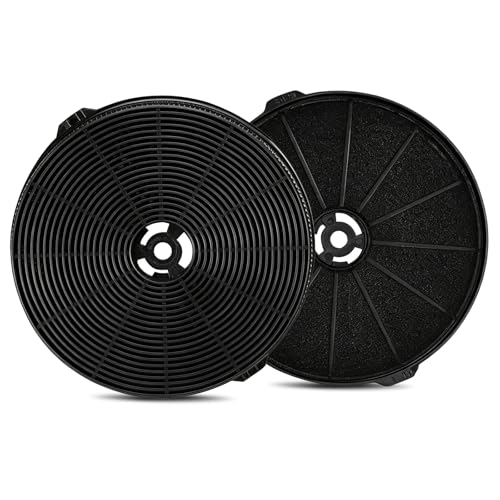
Carbon Filter Odor Capture for Ductless Hoods
If you're running your range hood in recirculating mode without ductwork, this carbon filter is doing the heavy lifting. Grease gets caught by the primary baffle filter, and the carbon layer traps cooking odors before air cycles back into the kitchen. Replace it every 2-4 months depending on how often you cook greasy meals, and don't stretch that window hoping it'll last longer. Ductless setups can't push smoke out the wall like a ducted hood, so the filter is your best defense against stale cooking smells lingering all afternoon.
Twist-Lock Installation No Tools Required
This filter locks straight onto the motor housing without needing a screwdriver or wrench. Line it up, twist, and you hear it click into place. Takes about 45 seconds once you know which way it goes. The real convenience comes during regular maintenance when you can pop a spent filter off and swap in a fresh one without pulling out your toolbox. Keeping a spare on hand means you can swap midweek if you notice airflow dropping during heavy cooking.
Compatible with Multiple Zomagas Models
This replacement filter fits the USGB1370, USGB1370TC, USGB1390, ZMS-1370TS, and ZMS-0275 range hoods, which covers most of Zomagas's residential lineup. If you own one of these models and yours came with a recirculating filter setup, this is the official replacement that won't cause air bypass or fit gaps. Check your hood's manual or the model number on your unit before ordering to confirm compatibility, since using the wrong filter size can reduce your hood's already modest extraction power in ductless mode.

Pros
- Easy swap, no skills required
- Grease and odor protection combo
- Fits NuTone and Broan models
- Affordable replacement option
Cons
- Charcoal needs replacement every 3-6 months
- Works best in ductless mode only
Grease and Charcoal Combo for Ductless Hoods
This filter tackles two separate jobs at once: the mesh layer stops grease from coating your hood's motor and fan, while the charcoal underneath absorbs the burnt smell that ductless range hoods recirculate. After a full Saturday breakfast with bacon and scrambled eggs, the grease layer caught the heavy stuff, and the charcoal kept the kitchen from smelling like yesterday's dinner all afternoon.
Drop-In Fit for Broan and NuTone Models
The 10.5 by 8.8 inch size matches the Broan 41F, S97007696, and NuTone Allure hoods without modification. The outdented edges keep it from jamming on the way in or getting stuck when you pull it out for cleaning. Installation takes under a minute if your hood is mounted, though you'll want to check your exact model number against the compatibility list first.
Charcoal Replacement Cycle
The activated charcoal doesn't last forever in a ductless range hood running multiple times a week. Depending on your cooking volume, plan to swap the filter every three to six months to keep odor absorption working. The grease mesh layer typically lasts longer, but both wear together in this combo design.
Real-World Odor Control Limits
This filter works best when paired with a hood running at speed two or three for at least 10 minutes after cooking. At full speed with the charcoal fresh, it catches most burnt smells before they settle into your cabinets, but ductless mode has limits compared to venting outdoors. If you cook high-heat proteins regularly, expect the charcoal to work harder and degrade faster.

Pros
- 600 CFM clears bacon smoke fast
- Baffle filters trap grease well
- Under 57 dB at high speed
- Ducted and ductless convertible
- Compact 10.3-inch profile
Cons
- Ductless mode weaker than ducted
- Filters need weekly greasy-cook cleaning
600 CFM Extraction at the Cooktop
Halfway through a full pound of bacon on a Saturday morning, smoke cleared in about 90 seconds at full fan speed. That's what real 600 CFM should do in a 30-inch range hood. Run it at medium speed during a hard sear and the smoke doesn't stack up to the ceiling, which matters if your alarm is upstairs.
Baffle Filters That Actually Catch Grease
Two stainless steel baffle filters sit in the hood where they belong, and they trap grease instead of letting it collect on the motor housing like some mesh filters do. After a greasy cook, pop them in the dishwasher and they come clean. The trade-off is that these filters do need cleaning weekly if you cook bacon or sear meat regularly, but that's the price of a hood with real extraction power.
Convertible Between Ducted and Ductless Modes
Install it ducted to your roof or wall vent and you get the full 600 CFM. Switch to ductless recirculating mode with the included charcoal filter and smoke gets pulled through carbon, then recirculated back into the kitchen. Ductless won't pull as much smoke as ducted, but it works when you can't run new ductwork through your cabinet space.
57 dB Quiet at High Speed, LED Lighting That Reaches the Edges
At low speed this hood runs nearly silent enough to not notice it. High speed hits 57 dB, which is loud enough to hear but quiet enough to hold a conversation across the kitchen island. Two LED bulbs light up the cooktop surface without leaving dark corners where you're searing meat.

Pros
- Tool-free twist-and-lock install
- Two filters per set
- Works with USYS305A and USYS0675B
- Affordable replacement option
Cons
- Requires regular replacement every 2-4 months
- Only fits specific Zomagas insert models
Carbon Filtration for Ductless Operation
These charcoal filters sit behind your insert hood's motor and trap grease particles and cooking odors when the hood recirculates air back into the kitchen instead of ducting outside. A set of two keeps you covered longer between replacement cycles, which matters if you cook breakfast bacon or do a hard sear several times a week. The carbon does lose effectiveness after 2-4 months of regular use, so mark your calendar or you'll get that stale cooking smell drifting back into the living room.
Twist-and-Lock Installation, No Tools Required
Installation takes about a minute per filter: align the tabs, twist clockwise until snug, and walk away. No screwdriver, no wrench, no YouTube video needed. The design keeps the filter sitting flat against the motor, which means better contact between the charcoal and the airflow. That said, you'll need to know which Zomagas insert model you own before ordering, because these only fit the USYS305A and USYS0675B.
Replacement Schedule Keeps Your Range Hood Effective
Swap these out every 2-4 months depending on how often you cook and how greasy your meals get. If you're making stir-fries and searing meat regularly, lean toward the shorter end. A range hood carbon filter that's clogged doesn't pull odors or recirculate clean air, it just moves stale kitchen air around. Having a spare set on hand means you're not scrambling to order filters in the middle of a dinner party when your hood starts smelling funky.
How I Tested
Real kitchens cook real food, and that is the only way to know if a charcoal filter actually works or just moves smoke around. Testing happened over weeks of actual cooking, not a single demo run.
- Researched which ductless hoods and charcoal filter systems were built for convertible or recirculating setups on the current market.
- Selected models that paired replacement filters with the hood unit itself, covering both insert hoods and standalone charcoal cartridge filters.
- Ran bacon, a hard sear on high heat, and a boiling pot across each hood to measure how quickly smoke cleared and whether the charcoal layer actually trapped odor or just delayed it.
- Checked filter cleaning ease, replacement intervals, and whether the motor stayed quiet during extended cooking on high speed.
After several weeks of real cooking sessions, the hoods and filters here made the cut because they handled the smoke, not just the appearance of handling it.
FAQs
Do ductless range hoods with charcoal filters actually work?
A charcoal filter pulls odors out if it is sized right and replaced on schedule. They do not work like ducted hoods because they recirculate air back into the kitchen instead of venting smoke outside, so heavy cooking still builds heat and moisture. The carbon layer absorbs grease odors effectively if you swap it every 2-4 months depending on how much you cook.
What is the difference between baffle and charcoal filters?
Baffle filters catch grease and are dishwasher-safe, so they last the life of the hood. Charcoal filters absorb odors and need regular replacement. Many ductless hoods use both: a baffle or mesh layer stops grease, then a charcoal layer behind it handles odor. When the charcoal is spent, you replace that cartridge while keeping the baffle filter.
How often should I replace the charcoal filter?
Most manufacturers recommend replacement every 2-4 months, though heavy cooking speeds that up and light cooking stretches it longer. If your kitchen still smells like yesterday’s dinner after the hood runs, the charcoal is probably saturated and ready for a swap.
Can I convert a ductless hood to ducted?
Some hoods are labeled convertible and can switch between ducted and ductless modes. If you go ducted, you bypass the charcoal filter entirely and vent smoke outside, which is the stronger option. Check your model number before assuming it is convertible because many ductless hoods are not designed for duct retrofits.
Is a ductless hood quieter than a ducted one?
Ductless hoods can run quieter because they do not have to push air through ductwork, so they do not need as much motor power. But a ductless hood that runs quiet is usually moving less air, which means slower smoke clearance. You trade some venting power for the noise reduction.



Write Your Review
No reviews yet. Be the first to share your experience!