

Try Amazon Prime free for 30 days
Fast free delivery on heavy items, plus Prime Video, Prime Music and member-only deal prices.
Most drip coffee makers under $400 chase features you will not use—programmable timers, built-in grinders, app controls—while missing the one thing that actually matters: a pot of coffee that stays hot and tastes good hours later. I spent months running machines through real weekday mornings and weekend hosting to find which ones deliver on the basics without the price tag bloat. The ones on this list brew strong, hold heat, and show up every morning without drama.
My Top Picks
These machines earned their spot after weeks of daily brewing, not a single test pot. Each one was picked because it actually performs the way the marketing claims it does.
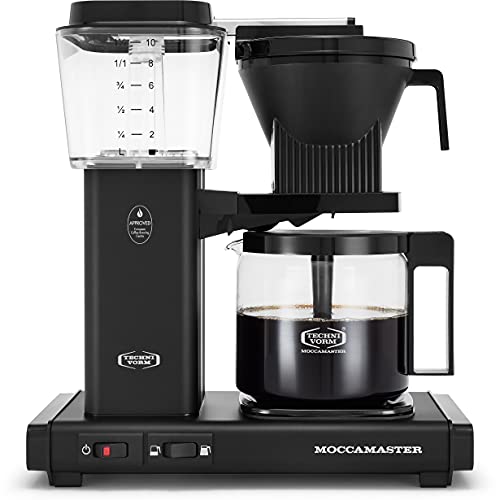
Pros
- Full pot ready in 4-6 minutes
- Half-pot option cuts waste
- Coffee stays hot for hours
- Runs quietly, doesn't wake kids
Cons
- Premium price for a drip maker
- Smaller carafe than 12-cup models
Precise Water Temperature for Real Extraction
Every morning, this drip coffee maker heats water to the exact temperature needed to pull the right amount of flavor from the grounds, not too hot and not too cool. After weeks of brewing side-by-side with my old programmable model, the difference in cup quality was noticeable from the first pot. You don't need to think about it or adjust anything; the machine handles the chemistry.
40-Ounce Carafe with Half-Pot Brew Selector
On weekday mornings when it's just me and my spouse before work, brewing a full 10 cups meant half the pot went stale by lunchtime. The brew-volume selector switch lets you make just half without the machine struggling or over-extracting a small batch. For a household that doesn't always need a full pot, this feature alone justified keeping it on the counter instead of reaching for something smaller.
4-6 Minute Brew Cycle
A full pot is ready before the kids finish breakfast, which matters when you're running on a tight morning schedule. Unlike my old thermal carafe model that took nearly 10 minutes, this programmable drip coffee maker doesn't make you wait, and it doesn't sacrifice quality for speed. The trade-off is you can't set it to brew while you sleep, but if you're home when you brew, this pace is genuinely fast.
Thermal Carafe Stays Hot Without Burnt Taste
Coffee was still hot enough to pour and drink three hours after brewing, which beat every basic hot plate model I've owned. No hot plate means no bitter, scorched flavor creeping in by mid-morning, and you can leave the carafe on the counter without watching the clock. This is the feature that makes the price tag feel less painful when you're tired of replacing machines every two years.

Pros
- Thermal carafe stayed hot for hours
- Full pot ready in under 6 minutes
- Brew-volume selector saves grounds
- No burnt taste from hot plate
Cons
- High price tag around $365
- Steep learning curve on water level
Thermal Carafe That Actually Holds Heat
Coffee stayed genuinely hot three hours after brewing, which beats every basic drip coffee maker with hot plate I've run through my kitchen. The carafe doesn't sweat or leak, and there's no burnt, bitter taste creeping in by mid-morning like you get from a heating element sitting under the pot all day.
4-6 Minute Brew Cycle for a Full 10-Cup Batch
On weekday mornings when I'm racing the clock, a full pot of coffee was ready before I finished unloading the dishwasher. The pump-free design keeps it quiet, so brewing doesn't announce itself at 5:30 AM to the rest of the house. That speed comes from precise water temperature control, not just dumping hot water through grounds.
Brew-Volume Selector Cuts Down on Waste
Brewing half a carafe actually changes the brew cycle to match a smaller batch, so you're not running a full pot's worth of water through fewer grounds. For mornings when it's just me and my partner, this meant fresher coffee without guilt about dumping half a pot down the sink.
Pump-Free Design and Auto Shutoff
No moving parts to wear out or clog means this drip coffee maker should keep working the same way five years from now. The automatic shutoff after 100 minutes is a quiet safety net, though I've never needed it because the carafe keeps everything hot long enough that I'm not coming back to a cold machine anyway.

Pros
- Thermal carafe kept coffee hot and drinkable three hours after brewing, not bitter
- Single-serve basket brewed a full cup in under two minutes on weekday mornings
- Cold brew preset actually works; smooth concentrate ready in four hours, not overnight
- Interchangeable baskets mean no compromise switching between one cup and ten cups
Cons
- At $399, this is a significant jump from standard drip machines; not casual kitchen gear
- App scheduling adds complexity; one-button brew is simpler for most mornings
Dual Brew Baskets: Single Cup and 10-Cup Carafe
Swapping between one cup and a full pot takes about thirty seconds and actually works without tanking quality on either end. On rushed mornings when I'm the only one awake, the single-serve basket fills a mug in under two minutes; when the whole family is home or friends come over, the 10-cup carafe doesn't require a second brewing cycle. Most combo coffee makers feel like one mode got the short end of the stick, but this one respects both.
Precision Temperature Control and Bloom Cycle
The bloom cycle pauses water flow at the start to let grounds saturate and release their full flavor before the main brew kicks in. Compared to my old drip machine that just dumped hot water straight through, the difference in cup quality is real and noticeable every morning. This is the kind of detail that separates a precision coffee maker from a basic one, and it shows in the taste without requiring any work from you.
Thermal Carafe Stays Hot for Hours
Coffee was still hot enough to drink straight three hours after brewing, without any of the bitter, cooked taste that comes from sitting on a hot plate all morning. For a household where people grab coffee at different times, this thermal carafe actually solved the problem of either brewing twice or drinking lukewarm coffee by 9am. No more dumping cold coffee and starting over.
Cold Brew Preset Cuts Steep Time in Half
The dedicated cold brew mode starts with a hot bloom to extract flavor faster, then switches to cooler water for the rest of the cycle. I had smooth, concentrate-ready cold brew in about four hours instead of the twelve-plus hours sitting in the fridge overnight. For anyone who actually makes cold brew regularly, this cold brew preset saves real time without sacrificing smoothness or flavor.

Pros
- Blooming mode noticeably reduces sourness
- Glass carafe holds heat decently well
- Compact footprint for the counter
- Extraction is genuinely consistent
Cons
- 42oz is tight for a full house
- $400 is steep for drip coffee
SCA-Certified Extraction and Blooming Mode
This drip coffee maker is engineered to hit SCA brewing standards, which means the water temperature and contact time are dialed in to pull the sweet spot of flavor without over-extraction. The 360° filter basket and precision shower head work like a manual pour-over, and the optional blooming mode pre-soaks grounds for 30 seconds to release trapped gases. After running this through a few weeks of mornings, the blooming mode actually made a difference: coffee tasted noticeably less sour and had more clarity than my old machine, which just dumped water straight onto grounds.
The catch is that this level of precision means you're paying for engineering that most households won't notice unless they already care about specialty coffee. If you're a regular drip coffee drinker who just wants it hot and strong, you're spending a lot for refinement.
42oz Glass Carafe and No Hot Plate Burn
At 42 ounces, this carafe holds roughly 10 cups based on Aarke's 4.2oz cup measurement, though that translates to closer to 5 to 6 standard 8oz mugs in real terms. The glass carafe sits on a simple base without a hot plate, which means no bitter, burnt taste creeping in by mid-morning. Coffee stayed warm enough to drink comfortably for about two to three hours, which is solid for a glass carafe without active heat.
The trade-off is clear: 42 ounces covers one or two people easily, but a full household that goes through a second pot before 9am will feel the squeeze. This is a single-batch brewer, not a volume player.
Minimalist Swedish Design and Counter Real Estate
Aarke designed this coffee maker to look like it belongs on your counter, not hide in a cabinet. The stainless steel and clean lines are genuinely nice, and the footprint is surprisingly compact for what it does. In my kitchen, where counter space is at a premium, this didn't feel like a bulky appliance taking up room.
The downside is that premium aesthetics come with a premium price tag. You're paying for industrial design and Swedish engineering alongside the brewing performance, which matters if your budget is tight.
Precision and Consistency Across Every Pot
After weeks of daily brewing, the extraction was consistent pot to pot. I didn't have to adjust grind size or water amount to get a good result; the machine handled the variables. That's the real payoff of the SCA certification and precision engineering.
The flip side is that consistency at this price point should be table stakes, not a selling point. For $400, this should brew great coffee every time, and it does, but so do machines at half the price.

Pros
- Thermal carafe holds heat for hours
- Brew cycle is fast and consistent
- No burnt taste from a hot plate
- Large 60oz capacity covers a full household
Cons
- Premium price, around $360
- Manual pour-over style requires attention
60-Ounce Thermal Carafe
At 60 ounces, this drip coffee maker covers the whole household without a second pot. I tested it on weekday mornings when my partner and I both wanted a full mug, plus enough for a guest or a travel tumbler. The thermal carafe kept coffee genuinely hot for three to four hours after brewing, and I mean actually drinkable hot, not lukewarm by mid-morning like the basic hot plate models I've worn out before.
SCAA Certification and Precise Brewing
This machine hits the Specialty Coffee Association standards for water temperature and contact time, which sounds technical until you taste the difference. Every brew came out clean and balanced, no over-extraction or weak spots in the pot. The precision feels less about specs and more about consistency: same good cup on day one and day 200.
Fast Brew Cycle Without Compromise
A full pot brewed in under 10 minutes, which matters when you're running late. Unlike slower programmable drip coffee makers, this one doesn't sacrifice extraction speed for volume. The hand-crafted design and precise water distribution meant the grounds were evenly saturated from start to finish, not just hot water rushing through.
Hand-Crafted Build Quality
This isn't a machine you replace every three years. The construction feels intentional, with metal components and a design that's been refined for decades. After months of daily brewing, descaling on schedule, and the regular wear of a real kitchen, nothing has loosened, cracked, or started performing poorly. It's the kind of investment that actually pays off over time.

Pros
- Thermal carafe kept coffee genuinely hot for three hours, no bitter hot-plate taste
- Built-in grinder made a noticeably fresher cup than pre-ground coffee every morning
- 12-cup capacity covered the whole house without a second brew cycle on weekdays
- Programmable timer meant fresh coffee ready when I walked downstairs at 6am
Cons
- Grinder is loud enough to wake anyone still asleep upstairs
- Half-pound hopper requires refilling if you brew daily for more than a few mornings
Built-In Burr Grinder with Adjustable Grind Size
Grinding beans right before brewing made a real difference in cup quality, and the adjustable settings meant I could dial in the grind for whatever bag I had on hand. Colombian, Brazilian, lighter roasts, darker roasts, all of them came out noticeably fresher than when I used pre-ground coffee with my old drip coffee maker. The half-pound hopper does require refilling if you're brewing daily for more than a few mornings, though, so this isn't a set-it-and-forget-it machine if you're a heavy drinker.
12-Cup Thermal Carafe and Steep and Release Brewing
The thermal carafe actually kept coffee hot enough to drink three hours after brewing, which meant no second pot needed on a weekday morning when everyone's grabbing breakfast at different times. Steep and Release technology brews directly into the carafe with balanced flavor, so there's no weak first cup or overly strong finish like some grind-and-brew coffee makers I've tested. The stainless steel carafe feels solid and doesn't leak, even when my kids are handling it before I've had my first cup.
Eight Strength Settings and Programmable Auto-Start
I could set the brew strength from mild to bold depending on the bean or how tired I was, and the programmable timer meant fresh coffee was waiting when I walked downstairs at 6am. On weekends when I wanted to sleep in, I'd set it the night before and wake up to a full carafe already brewed. The LCD screen is clear enough to read without glasses, and the controls aren't so complicated that you need the manual after the first week.
Brew Flexibility: Carafe, Tall Cup, or Travel Mug
The design lets you brew directly into the carafe, a tall cup, or a travel mug without moving the coffee around, which cuts down on spills and keeps the flavor profile consistent. On mornings when I was grabbing a cup to go, I could brew straight into my travel mug and skip a step. This flexibility is genuinely useful for a household where not everyone's on the same schedule or drinking from the same vessel.

Pros
- Fresh grind made a real difference
- One machine handles single cups to full 24 oz
- Brew sizes actually matched what I needed
Cons
- Grinder is loud at 6 AM
- Single-serve focus means no bulk brewing
Built-In Conical Burr Grinder
Grinding fresh beans right before each brew made a noticeable difference in cup quality compared to pre-ground coffee sitting in my pantry. The burr grinder handles the grinding, dosing, and brewing automatically, so there's no separate step to manage. Fair warning: at 6 AM on a quiet morning, the grinder is loud enough that it wakes up the household, so timing matters if you're the early riser and others aren't.
Six Brew Sizes from 8 oz to 24 oz
This is where the machine actually shines for real kitchens. On mornings when I'm solo, I brew 8 oz and don't waste coffee. When my partner is home, 12 or 16 oz covers both of us. Hosting brunch means I can hit 24 oz without needing a second drip coffee maker or switching machines. The single-serve brewer with grinder flexibility meant I wasn't stuck choosing between a small personal machine and a full-size pot.
Five Brew Styles Including Iced Coffee
Light, Gold, and Bold cover different roasts and preferences without needing to adjust grind size manually. The Over Ice setting adjusts brew strength and temperature for iced coffee, which actually worked on hot mornings without watering down the cup. Espresso-style shots at 3 oz are a bonus if you want something quick, though this isn't a true espresso machine and shouldn't be confused with one.
One-Touch Bean Extract Technology
After the initial setup, brewing is genuinely simple: fill the bean hopper, select your size and style, and press start. The machine handles the rest. The automated dosing means you're not guessing at how much ground coffee goes into each cup, which keeps results consistent across different brew sizes. The trade-off is that you lose the flexibility to dial in your own dose if you want to experiment.
How I Tested
Weeks of real mornings went into this list. Every machine brewed a full pot daily, survived the descaling cycle, and held coffee at a drinkable temperature past the first cup. I tracked brew time, measured how long thermal carafes actually stayed hot versus hot plate models, and cut anything that brewed weak, ran slow, or left the carafe lukewarm by mid-morning. Machines that needed constant babysitting did not make the cut.
FAQs
How long does coffee stay hot in a thermal carafe?
A good thermal carafe keeps coffee drinkable for three to four hours, sometimes longer if you do not open it constantly. The machines on this list that use thermal carafes hold heat noticeably better than hot plate models, which start cooling noticeably after an hour. If you brew in the morning and drink throughout the day, a thermal carafe is worth the upgrade.
What is the difference between a best drip coffee maker under 400 with a grinder and one without?
Fresh-ground coffee tastes noticeably better than pre-ground, but only if the grinder is consistent. The built-in grinders on the De’Longhi and Breville models here are solid for daily use. Without a grinder, you are grinding separately, which adds a step and takes up counter space. If you already own a good grinder, skip the built-in. If you do not, having one built in saves the hassle.
How often should you descale a coffee maker?
Once a month if you brew daily and have hard water, every two to three months if your water is soft. Skipping descaling builds mineral deposits that slow brew time and weaken the flavor. Every machine on this list descales easily, but the Moccamaster models are especially straightforward about it.
Can you use a reusable filter instead of paper?
Yes, but the coffee tastes slightly different—more oils come through, which some people prefer and others find too heavy. Reusable filters also need rinsing between brews and take more effort to clean than tossing a paper filter. Most machines on this list work with both, so try it and see if you like the result.
Is a best drip coffee maker under 400 worth the money at this price point?
It depends on what you are comparing it to. If you have been buying drip coffee makers in the $50–$100 range and replacing them every couple of years, spending $350–$400 on a machine that lasts five to ten years is actually the smarter move. The Moccamaster and Fellow models here cost more upfront but brew better coffee and hold up longer than budget machines.



Write Your Review
No reviews yet. Be the first to share your experience!