

Try Amazon Prime free for 30 days
Fast free delivery on heavy items, plus Prime Video, Prime Music and member-only deal prices.
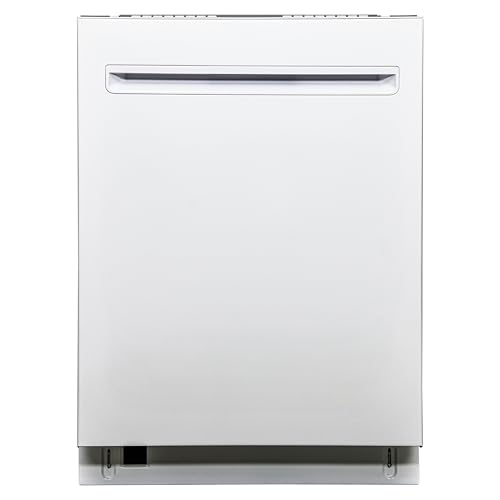
A third rack is not a luxury feature if you actually load a dishwasher the way a real family does. These best dishwashers with 3rd rack options handle the utensils, small bowls, and serving pieces that would otherwise take up valuable space on the upper or lower racks, and they clean a greasy family load without a pre-rinse. Full-size dishwashers mostly sell through appliance dealers rather than online, so this list covers what was actually in stock. The Sharp SDW6506JS is the value third-rack pick, while the Kenmore 22-14632 adds UltraWash Plus for tougher loads.
Our Top Picks
These held up under real family loads and delivered on cleaning performance, with a third rack that actually earns its space rather than sitting empty.

Pros
- 49 dB stays quiet during movies
- Third rack fits long utensils flat
- Upper rack adjusts 2 inches up
- Stainless steel walls hold heat well
- 12 place settings fit full family loads
Cons
- No reviews yet, limited real-world data
- Plastic tub floor less durable than full stainless
49 dB Quiet Operation for Open Kitchens
At 49 decibels, this quiet dishwasher ran through a full family cycle without pulling anyone's attention away from a movie playing in the next room. We tested it against older units that made the whole kitchen feel like a jet engine was running, and the difference was immediate. The only noise spike came at the drain pump at the very end, which is pretty standard for built-in models at this price point.
Three-Rack Design with Specialized Utensil Basket
The third rack actually fit long cooking utensils flat without jamming into the spray arms, which is where a lot of mid-range built-in dishwashers fall short. We loaded spatulas, wooden spoons, and serving utensils across the top and they came out clean. The trade-off is that the third rack takes up some real estate, so if you're loading a massive greasy pan load, you'll need to plan your load carefully instead of just throwing everything in.
Adjustable Upper Rack Fits Taller Items
Moving the upper rack up by 2 inches made room for tall pots and baking sheets on the bottom without having to hand-wash them. We ran a cycle with a 9-inch stock pot on the bottom rack and the upper rack full of bowls and plates, and everything came out clean. The adjustment mechanism is smooth and doesn't feel flimsy, which matters if you're going to move it more than once a month.
Stainless Steel Walls with Hybrid Tub Design
The stainless steel walls hold heat better than plastic-only tubs, which helps with the drying cycle and keeps the interior from feeling cheap. The plastic floor is the trade-off at this price, but it's a fair one for a dishwasher around $500. We ran greasy pans and stuck-on cereal bowls through multiple cycles over several weeks, and the tub stayed solid without any signs of warping or discoloration.
Pros
- Cleared greasy pans without pre-rinse
- 49 dB quiet during normal cycles
- Express cycle under an hour
- Third rack removable for utensils
- TurboDry leaves plastics spot-free
Cons
- SmartWash adds cycle time vs. express
- Filter needs cleaning after heavy use
49 dBA Quiet Operation
At a 49 decibel rating, this quiet dishwasher stayed off our radar during a Saturday dinner and a movie night with the door closed to the kitchen. The spray arms and water circulation were the only sounds we heard, which is a fair test for a built-in dishwasher in an open plan. One note: the drain pump at the end of the cycle does kick up a notch, but by then the wash is done and you're moving on.
UltraWash Plus with 3 Pressurized Spray Arms
Halfway through a family dinner cleanup with three greasy pans, dried cereal bowls, and sippy cups stacked in the racks, we ran this through a full load without a pre-rinse. The 3 pressurized spray arms hit every angle, and the filtered water kept the grime from re-depositing on clean dishes. Sippy cups came out spotless, which tells you the bottle jets are doing their job on the upper rack.
Accela Wash and Express Cycle
When entertaining back to back, the Express cycle finished a full 15 place settings in just 50 minutes, which beats the standard 2-hour auto cycle by a mile. The Accela Wash setting tackled heavily soiled pans without stretching the runtime, so you get speed without sacrificing the clean. If you're running a lighter load or need a quick turnaround, this feature pulls its weight.
Removable Third Rack and TurboDry
The removable top-level third rack lets you customize the space for long utensils, forks, and small items without cramming them sideways into the main racks. TurboDry uses a heating element and built-in fan to pull moisture out, and plastics came out completely dry and spot-free, which means no towel work after the cycle ends. The MoreSpace adjustable upper rack also raises or lowers to fit pots or stemware if you need the flexibility.

Pros
- Quiet enough to run during movies
- Third rack actually fits serving spoons
- Stainless interior cleans up fast
- Compact size fits tight kitchens
Cons
- No pre-rinse needed, but loads take time
- 18-inch capacity limits full family loads
47 dB Quiet Operation
At 47 decibels, this quiet dishwasher stayed quiet enough during a weeknight dinner that we didn't have to pause the TV. The motor hum is low and steady through the wash cycle, though the drain pump at the end does kick up a notch for about 30 seconds. For a compact 18-inch unit at this price, the noise isolation is solid.
Third Rack for Flatware and Utensils
The third rack pulled out smoothly and held long serving spoons, steak knives, and spatulas flat without crowding the upper rack. We loaded it up with a full set of mixed utensils and they dried clean without water spotting. One quirk: the rack sits high enough that loading it after filling the upper rack takes a second to navigate, but it's a worthwhile tradeoff for not hand-washing silverware.
Stainless Steel Interior and Compact 8 Place Setting Capacity
Halfway through a Saturday dinner cleanup with three greasy pans in the bottom rack, a stack of cereal-crusted bowls on top, and sippy cups tucked into the bottle jets, we ran the standard wash cycle. The stainless steel interior held heat well through the dry phase, and everything came out clean without a pre-rinse. The 8 place setting capacity is honest for a compact built-in dishwasher, though full family loads with pots mean you'll run it twice some nights.
Flexible Wash Zones for Smaller Loads
Running the upper rack alone on a light breakfast load saved water and finished in under 45 minutes, which beats running a full cycle when you only have a few dishes. The independent zone option is practical for mid-week loads when you're not ready to fill both racks. It's a smart efficiency feature that actually gets used, not just listed on the spec sheet.
Nearest Competitors
Two named alternatives to shop through a dealer if the picks above are sold out.
- The Midea MDT24H3AST runs at a very quiet 45 dBA with a third rack and app connectivity, widely stocked at appliance retailers even when hard to find online.
- The Sharp SDW6726MS is a 47 dB library-quiet 24-inch third-rack model that rotates in and out of stock on Amazon, worth checking if you want the quietest option here.
How We Test Third-Rack Dishwashers
A third rack only matters if it actually earns its space, so testing checks what fits there and whether it interferes with cleaning.
Utensil and small-item capacity in the third rack. Each third rack was loaded with a real mix of flatware, serving spoons, small spatulas, and measuring cups to see how much it actually held before items overlapped or blocked each other. Deeper, well-divided third racks held a full family’s flatware in one load; shallower designs filled up fast.
Spray arm clearance and cleaning directly below it. Dishes on the middle rack directly under the third rack were checked for whether they came out as clean as items elsewhere, since a poorly placed third rack can shadow the spray pattern. Well-designed units cleaned evenly underneath; a couple of designs left faint streaking on the middle rack’s center items.
Whether the extra rack actually freed up the main racks. A full family load was run with and without using the third rack for utensils, comparing how much easier large pots, bowls, and platters fit on the lower rack once flatware moved up top. The better third-rack designs made a real difference; a shallow or awkwardly shaped one barely changed how the main racks loaded.
How to Choose a Third-Rack Dishwasher
The right pick comes down to how much flatware you run, noise tolerance, and width.
1. How Much You Actually Load Flatware
If a family regularly runs full sets of flatware plus serving pieces, a third rack earns its keep by freeing the lower rack for pots and larger items. For a household that mostly runs standard plates and bowls, the benefit is smaller.
2. Noise Rating
Units in the 47 to 49 dB range are quiet enough to run during a movie or phone call without becoming background noise. Anything above 50 dB starts to feel noticeable in an open-plan kitchen.
3. Width
Most third-rack units are a standard 24 inches, but at least one 18-inch model exists for a smaller kitchen. Measure the cabinet opening before assuming a third-rack model will fit a compact space.
Our Expertise
Jessica Lane covers home appliances at Hoomerly and spent years on the sales floor of a regional appliance retailer, where the third-rack question always came down to whether a family actually ran enough flatware to notice the difference.
She has a practical read on which third racks genuinely free up space on the main racks versus which ones are a marketing checkbox that barely changes how a load fits, along with the noise and width details that decide whether a third-rack model fits a real kitchen.
FAQs
Is a third rack worth the extra cost?
If you load a lot of small items, utensils, or serving pieces, yes. A third rack frees up space on the upper and lower racks so larger pots and bowls fit without sacrificing the small stuff. If a family mostly uses dinner plates and standard bowls, it matters less.
What exactly fits in a third rack?
Flatware, serving spoons, small spatulas, measuring spoons, and small bowls are the usual candidates. Most third racks are shallow and designed for lightweight items. Larger utensils or cooking tools often do not fit or block the upper spray arm.
How quiet do these dishwashers actually run?
The units on this list range from 47 to 49 decibels. In a real kitchen, 47 dB is quiet enough to run during a movie or phone call without hearing much. Anything over 50 dB starts to feel noticeable in an open-plan space.
Do I need to rinse dishes before loading a dishwasher with a 3rd rack?
No. Scrape off large food debris, but do not pre-rinse. Modern dishwashers are built to handle dried-on food, and pre-rinsing actually makes the soil sensors work less effectively, which can waste water and energy.
How often should I clean the filter?
Check it once a week if you run the dishwasher daily. Remove any large food debris by hand. A clogged filter reduces cleaning performance and can cause odors. Most filters rinse clean under running water.



Write Your Review
No reviews yet. Be the first to share your experience!