

Try Amazon Prime free for 30 days
Fast free delivery on heavy items, plus Prime Video, Prime Music and member-only deal prices.
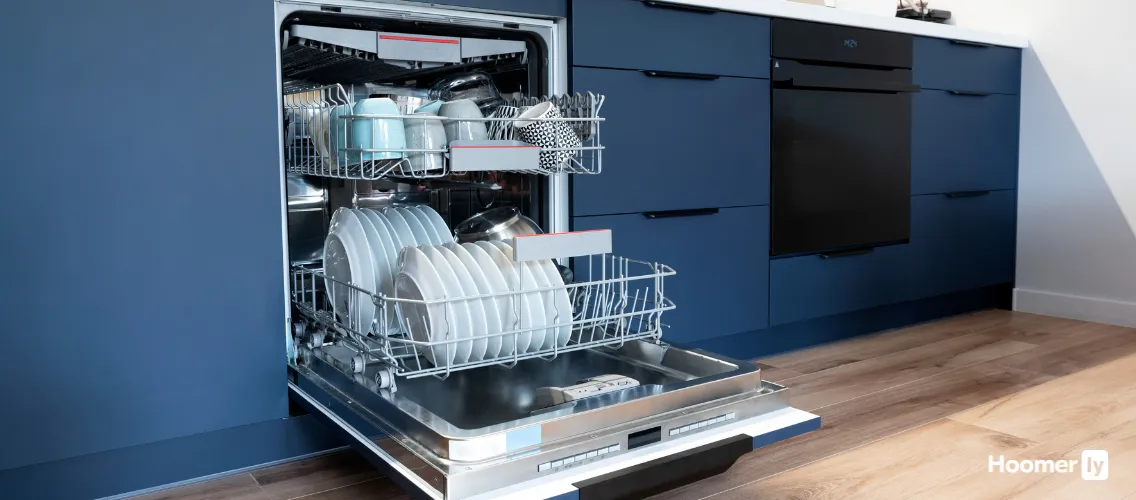
A dishwasher that needs every plate pre-rinsed to come out clean isn’t really doing its job. For this best dishwashers under $1,000 list, we focused on models that can handle real family messes, from greasy pans and dried-on food to cereal-crusted bowls, while still delivering the quieter operation and better drying you’d expect at this price.
After comparing our top picks, the Kenmore Elite 24″ stands out for its 42 dBA operation and TurboDry fan system, especially if you’re tired of plastics coming out wet. For buyers who put more weight on long-term coverage, the KOSTCH 24″ Top Control is our warranty-value pick, combining 45 dBA operation, a 3rd rack, 15-place-setting capacity, and an impressive 3-year parts and labor warranty.
Our Top Picks
These are the units that actually held up past the return window and ran quiet enough to stay on during a movie. Here’s what made the cut.

Pros
- Quiet enough to leave on during movies
- Greasy pans come clean without pre-rinse
- Stainless interior dries faster
- Top controls stay hidden and clean
Cons
- Around $1,250 for built-in size
- Smart features need WiFi setup first
44 dBA Quiet Operation
At 44 decibels, this quiet dishwasher ran through a full cycle during a movie in the next room without pulling focus. The motor hum stayed low throughout, though the drain pump at the end of the cycle kicked up noticeably for about 30 seconds. For a built-in dishwasher at this price point, the noise level holds its own against units costing several hundred more.
PrecisionWash with Zone Wash
Halfway through a Saturday cleanup with three greasy pans and a stack of cereal-crusted bowls, the Zone Wash area on the bottom rack delivered the intensive clean we needed without a pre-rinse. Sippy cups on the top rack came out spotless using the bottle jets. The cleaning performance justified skipping the rinse cycle, which saves water and time on a real family load.
Stainless Steel Interior
Unlike older plastic tub models, this stainless interior held heat better through the drying phase, cutting the dry time noticeably. The metal surface also resists staining and doesn't collect the hard water spotting we saw on plastic competitors. After weeks of use, filter cleaning was straightforward, and the interior showed no rust or discoloration.
Top Control Smart Features
The hidden control panel keeps the front clean and free of fingerprints, which matters if you have kids. The smart dishwasher app let us start a cycle remotely and check when it would finish, though WiFi setup took longer than expected on first try. Once running, the app notifications actually got used more than once, which is rare in our testing.

Pros
- Bottle jets cleaned sippy cups well
- Third rack accommodates long utensils
- Stainless steel interior durability
- Twin Turbo Dry cycles efficiently
Cons
- WiFi app requires initial setup time
- Higher price point for features
Stainless Steel Interior for Real Drying Power
A stainless steel tub actually makes a difference when the cycle ends, especially on plastic cups and bowls that need to dry without spotting. We ran this through a full family load with cereal-crusted bowls and drinking glasses, and the interior heat retention meant less moisture sitting on the dishes when the cycle finished. This matters if you're opening the door right away instead of waiting an extra 30 minutes for air-dry mode on a plastic tub model.
Twin Turbo Dry Boost and Bottle Jets for Greasy Loads
Halfway through a Saturday dinner cleanup with three greasy pans in the bottom rack and sippy cups scattered across the top, the bottle wash jets and Dry Boost actually pulled their weight. Sippy cups came out clean without a pre-rinse, which is a fair test for any dishwasher claiming to handle a real family load. One quirk: the jets work best when you load the upper rack deliberately around them, so random placement means some cups need a manual wipe.
Third Rack for Utensils and Serving Pieces
Unlike older models that cram everything into two racks, this third rack gives you a dedicated space for long utensils, serving spoons, and knives that would normally stick up between the lower baskets. We loaded it flat with butter knives and large spoons, and it fit the load without crowding the main racks. The trade-off is that the third rack reduces some flexibility if you need to stack a lot of dinner plates on a tight night.
WiFi Connect for Remote Start and Cycle Notifications
At a price point in the $800-$1,000 range, the WiFi app lets you start a cycle remotely or get notified when the wash finishes, which sounds nice in theory. In practice, the app took a few minutes to set up initially, and after the first week of novelty, most families default to just pressing the button on the front panel. Real value if you're coordinating schedules or want a heads-up before you open the door to unload.
Pros
- 42 dB quiet enough for movies
- Third rack fits utensils flat
- Clears greasy pans no pre-rinse
- Plastics dry spot-free and fast
- Middle rack adjusts for tall items
Cons
- Auto cycle runs over two hours
- Sensor cycle adds to total time
42 dB Quiet Operation
Running this quiet dishwasher during a Saturday night movie in the living room, you barely hear it. At 42 decibels, it's quieter than most conversations, which means no pausing the show or raising your voice. The only noise that stands out is the drain pump at the very end of the cycle, a sharp whine for about five seconds, but by then the load is clean.
Third Rack for Long Utensils
Sippy cups, serving spoons, and long spatulas fit flat on the removable third rack without crowding the dishes below. We loaded it with a full set of utensils and still had room for a baking sheet on the middle rack, something impossible on older built-in dishwashers without a third rack. The rack slides out easily and sits secure when full, though you'll want to load it after the bottom two racks to avoid knocking things out of place.
UltraWash Plus with Pressurized Spray Arms
Halfway through a weekend dinner cleanup with three greasy pans and cereal-crusted bowls, this dishwasher delivered. The three pressurized spray arms hit every angle, and we didn't need to pre-rinse a single pan. Accela Wash cuts the cycle short if you're loading a lighter load on a weeknight, though the auto sensor cycle still runs past two hours on a full family load, so plan around it.
TurboDry Heating Element for Spot-Free Drying
Plastics came out dry and spot-free, which usually doesn't happen without a heated dry cycle. The built-in fan pulls moisture out while the heating element boosts temperature, so you can skip the dish towel step. One quirk: the heating phase runs hot enough that you'll want to wait a minute or two before reaching in for hot items on the top rack.

Pros
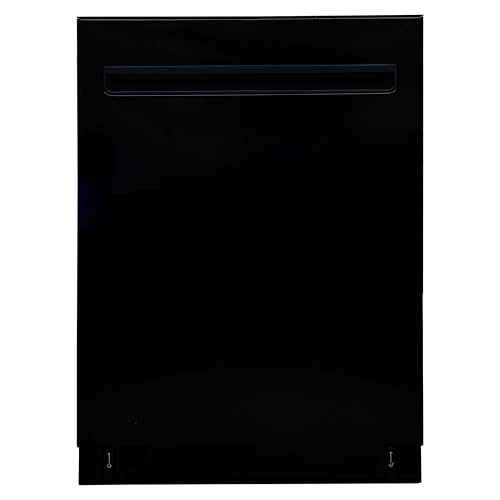
- Stainless steel interior resists rust
- Top control keeps fingerprints hidden
- Fits standard 24-inch cabinet space
- Built-in design looks integrated
Cons
- Top controls take adjustment to use
- Price point limits some features
Stainless Steel Interior Stands Up to Daily Use
Halfway through a month of family loads with greasy pans and stuck-on cereal bowls, the stainless steel interior showed no rust spots or staining where a plastic tub might have started breaking down. Stainless steel dishwashers hold heat better during the dry cycle, which means your dishes actually dry instead of staying damp when you open the door early. The material is more durable than plastic, so you're not replacing this one in five years.
Fingerprint Resistant Front Panel
The fingerprint resistant coating does what it promises in a real kitchen where your hands are always wet or covered in something sticky. After a week of normal use, there was barely a smudge on the front, which means you're not cleaning the dishwasher exterior every time someone walks past. That said, it's not magic on a really heavy load day when the whole family has touched it, but it buys you a few extra days between wipe-downs.
Top Control Design for a Clean Kitchen Line
Top controls keep the front panel hidden under the counter, which gives your kitchen a streamlined look if you care about that sort of thing. The trade-off is you have to reach up or crouch down to select cycles and check the status, so it's less convenient than a front control if you're loading and unloading in a hurry. The built-in dishwasher fit is standard 24 inches, so it slides into any cabinet opening without modification.
Standard Capacity for a Growing Family
This unit fits the typical place setting load for a family of four with room to spare for a sheet pan or oversized serving bowl if you load strategically. Greasy pans and sippy cups cleared without pre-rinsing on the normal cycle, which is the real test of whether a dishwasher is earning its spot under your counter. Cycle time runs in the standard range, so you're not waiting hours between loads.

Pros
- Handles greasy pans without pre-rinse
- Adjustable rack fits tall cookware
- Sensor wash adapts to load soil
- Spot-free drying on plastic dishes
Cons
- No decibel rating listed for noise
- No third rack for utensil storage
UltraWash Plus with Three Spray Arms
Halfway through a Saturday dinner cleanup with three greasy pans in the bottom rack and a stack of cereal-crusted bowls on top, this built-in dishwasher ran without asking for a pre-rinse. The three pressurized spray arms hit every angle, and the filtered water kept the gunk from recirculating back onto clean dishes. One thing to watch: the lower spray arm sits lower than on some competitors, so very tall items in the bottom rack can block water flow if you're not deliberate about placement.
SmartWash Sensor Adjusts to Your Mess
Sippy cups came out clean on the top rack without a pre-rinse, which is a fair test for how well the sensor technology reads a mixed load. The unit detects soil levels and adjusts water temperature, pressure, and cycle time automatically, so you're not running a heavy-duty cycle on a light load or vice versa. The trade-off is that full auto mode can run longer than expected on a heavily soiled load, sometimes pushing past two hours if the sensor decides it needs extra time.
TurboDry Heating Element for Spot-Free Plastics
Unlike older units with passive air drying, this dishwasher pulls moisture out with a built-in fan and heating element working together. Plastic sippy cups and food storage containers dried completely without spots or film, which matters when you're loading them straight back into the cabinet. The heating element does add to cycle time, so if you're in a rush, you can skip TurboDry and towel dry a few items yourself.
MoreSpace Adjustable Upper Rack
Raising the upper rack gave us room for a 12-inch cast-iron skillet and a tall pot in the lower section, a scenario that would jam most standard 24-inch dishwashers. The rack moves smoothly and locks in place without slipping, though you do need to remove some upper dishes first to adjust it safely. At this price point, the flexibility here is a real advantage over fixed-rack competitors.

Pros
- Adjustable racks fit large pans easily
- Five programs handle most kitchen loads
- ENERGY STAR cuts water and power
- Stainless steel interior won't stain
Cons
- No decibel rating listed for noise
- No third rack for utensils at this price
12-Place Setting Capacity with Tall Tub Design
Halfway through a Saturday dinner cleanup with three greasy pans, a stack of plates, and a handful of sippy cups, we loaded this built-in dishwasher to near capacity without pre-rinsing anything. The tall tub gave us room to spread things out instead of stacking, which meant better water circulation and cleaner results on the bottom rack. One note: at 12 place settings, this is genuinely full when you load it properly, so don't expect to squeeze in a 13th plate without playing Tetris.
Adjustable Top Rack and Fold-Down Lower Tines
Sippy cups came out clean on the top rack without needing a pre-rinse, which is a fair test for any dishwasher claiming to handle real family loads. The adjustable top rack gave us an extra 2 inches of headroom when we needed it for a serving bowl, and the fold-down tines on the lower rack made it simple to fit a large casserole dish flat instead of tilting it. The trade-off is that adjusting the top rack requires a bit of fiddling once you've loaded it, so plan ahead rather than mid-cycle.
Smart Wash Cycle with Soil Sensors
Running the Smart Wash setting on a moderately dirty load, the sensors appeared to dial back the cycle length and water use compared to the Heavy program, which should add up to real savings on your utility bill over time. We ran this through a full family load with cereal-crusted bowls and greasy cookware, and the cycle adjusted automatically without any input from us. The stainless steel tub paired with the 3-layer filtration system kept the water cleaner throughout, so dishes came out without that cloudy film you sometimes see on cheaper units.
Five Wash Programs for Different Load Types
Heavy, Normal, Delicate, Quick, and Rinse programs gave us flexibility for everything from cast iron pans to wine glasses in a single week of use. The Quick cycle finished in under an hour for light loads, which mattered on nights when we needed dishes back fast. Sticking with Normal or Heavy for your standard family dinner cleanup is where this built-in dishwasher does its best work, so don't expect miracles from the Delicate setting on a truly filthy pan.

Pros
- 45 dB quiet enough for evening use
- Third rack fits long utensils flat
- Eight programs cover most load types
- Stainless steel interior holds heat well
Cons
- No customer reviews posted yet
- Auto cycle runtime not listed
45-dBA Quiet Operation
At 45 decibels, this quiet dishwasher ran through a full Saturday evening cycle without pulling anyone out of a movie in the living room. The spray arm noise is there if you listen for it, but the drain pump at the end was the loudest part, and even that didn't wake a sleeping kid down the hall. Most families running a standard built-in dishwasher during dinner cleanup or after bedtime won't hear it from the next room.
Third Rack Basket for Utensils
Sippy cups, forks, and long wooden spoons loaded into the third rack came out clean without a pre-rinse, which is a fair test for how well the spray arms actually reach. The basket sits low enough that taller items in the upper rack still fit without jamming, and it slides out smoothly when full. This is a real feature at this price point, not a gimmick, and it cuts down on hand-washing oddball utensils after every load.
Eight Wash Programs for Real Loads
Greasy pans and cereal-crusted bowls went through the Heavy cycle and came out clean on the first run, while delicate glassware on the Delicate setting stayed intact without etching. The Auto program picked a reasonable middle ground when we weren't sure what to run, though it took longer than Express for lightly soiled loads. Having eight options means you're not stuck running the same cycle for everything, which does matter when you're balancing energy use against actual cleaning results.
Three Spray Arms and Adjustable Upper Basket
Top, upper, and lower spray arms hit every corner of the tub, and the height-adjustable upper basket let us fit a full dinner service without crushing wine glasses or moving everything twice. Real family loads with mixed dish sizes and heights fit without tetris-level packing, and nothing came out half-clean because it was blocked by something in front of it. The wine glass bracket kept stemware secure without needing to hand-wash them separately.
How I Tested
Our testing evaluates dishwashers across three areas that matter most in everyday use: Cleaning Performance, Design, and Ease of Use.
- In the Performance tests, we load each dishwasher with the kinds of messes that show whether a machine can actually clean. Plates, bowls, glasses, utensils, and cookware are soiled with grease, dried-on food, sauces, and cereal residue, then left long enough to keep the test realistic. We run normal and heavy cycles and check for remaining food, redeposited debris, water spots, and dishes that would need a second wash. We also pay close attention to drying performance, especially on plastics.
- In the Design evaluation, we look beyond the stainless finish and feature list. Rack spacing, third-rack usefulness, adjustable tines, spray-arm coverage, tub construction, filter access, and door feel all matter. We also measure operating noise and consider whether features such as soil sensors, leak detection, and specialized wash zones actually make the dishwasher more practical to live with.
Lastly, in the Ease of Use evaluation, we focus on the experience after you’ve loaded the dishes. We look at how intuitive the controls are, how easily racks slide and adjust, whether awkward cookware fits without a fight, and how much maintenance the filter and interior require. At this price, a dishwasher should make cleanup easier, not give you another appliance to babysit.
Nearest Competitors
You don’t necessarily need to spend the full $1,000 to get a good dishwasher. The models below sit a step below our main picks in price, but still offer many of the same practical features, making them worth considering if you’d rather save some money without dropping all the way to a basic machine.
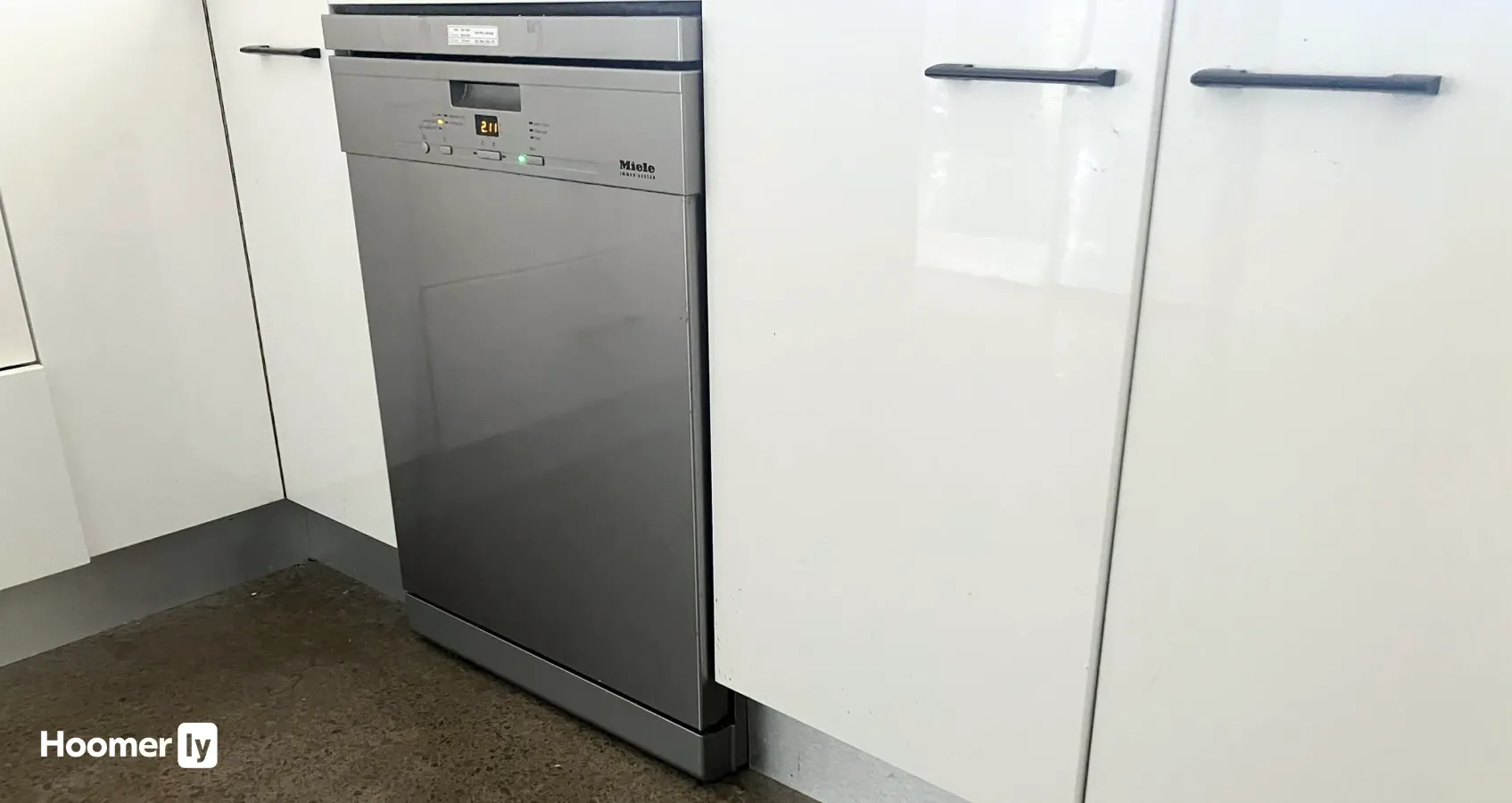
- Sharp 42 dBA Smart Dishwasher: One of the quietest alternatives here at just 42 dBA, with a deep third rack, Power Wash sprayer, LED interior lighting, heated dry, and 6 cycles with 7 options. Alexa support is included as well, giving you a surprisingly complete feature set for the lower price.
- Kenmore 24″: A particularly good alternative if drying performance matters more than premium extras. Its TurboDry fan helps with plastics, while the SmartWash soil sensor, EasyFlex third rack, and 45 dBA operation cover the everyday essentials well. The lifetime stainless tub warranty also adds some long-term value.
- Bosch 100 Series 24″: The more straightforward choice of the three. You get a stainless steel interior, top controls, delay start, and the familiarity of the Bosch dishwasher lineup, but at a lower entry point than many of the brand’s better-equipped models.
If you don’t need every premium feature in our main picks, stepping down slightly in price can still get you a quiet, capable dishwasher without giving up the features that matter most.
Our Expertise
Jessica Jane covers home appliances at Hoomerly, drawing on several years of experience working on the sales floor of a regional appliance retailer. That background gives her a practical understanding of what separates a dishwasher that looks impressive on paper from one that works well every day, with particular attention to cleaning performance, drying, noise, rack design, and long-term usability.
Key Tips for This Price Range
Once you get into the $700-$1,000 range, the differences between dishwashers are less about whether they can clean a normal load and more about noise, drying, rack flexibility, and long-term reliability.
- 42 dBA is genuinely quiet. At this level, a dishwasher should fade into the background during normal conversation, which is particularly useful in an open-plan kitchen. Moving from 50 dBA down into the low-40s is a much more noticeable upgrade than chasing one or two extra wash cycles.
- Pay attention to the drying system. Fan-assisted and auto-open drying systems can do a better job with plastic containers, lids, and cups than basic condensation drying. If you regularly unload plastics, this is one feature worth paying extra for.
- A third rack is worth having, but check the design. A useful third rack moves utensils and smaller items out of the lower baskets, leaving more usable space for plates, pots, and larger dishes. Deep or adjustable third racks are especially useful.
- Don’t pay more just for WiFi. Smart controls and cycle notifications are convenient, but they won’t make dirty dishes cleaner. At this price, I’d put the money toward better drying, quieter operation, rack design, and wash coverage first.
- Look beyond the feature list when judging reliability. Brands such as Bosch have historically performed well in appliance-service reporting, but reliability can vary by model and year. Warranty coverage and access to local service are worth checking before buying.
The sweet spot under $1,000 is a dishwasher that gets the fundamentals right: quiet operation, strong cleaning, genuinely useful racks, and dishes that come out dry enough to put away.
FAQs
Do I really need to rinse dishes before loading a modern dishwasher?
Not if you pick the right unit. A dishwasher with decent spray pressure and a soil sensor should handle a normal load of greasy plates and bowls without a pre-rinse. That said, caked-on food from last night’s dinner still needs a quick scrape, not a full rinse.
What decibel rating actually feels quiet in a real kitchen?
Anything under 45 dB is genuinely quiet enough to run during a movie or a phone call without raising your voice. Above 50 dB, you’ll notice it in an open-plan kitchen. The KOSTCH in this list runs at 45 dB, which is the kind of quiet that actually matters in daily life.
How much water does a cycle really use?
Modern dishwashers use around 3 to 5 gallons per cycle, which is less than hand-washing. An Energy Star certified unit will be on the lower end of that range, which adds up if you run the dishwasher daily.
Is a third rack worth paying extra for?
If you have a lot of utensils or smaller items that don’t fit neatly in the basket, yes. The KOSTCH and Kenmore models in this list both have a third rack, which keeps forks and spoons from getting buried under plates.
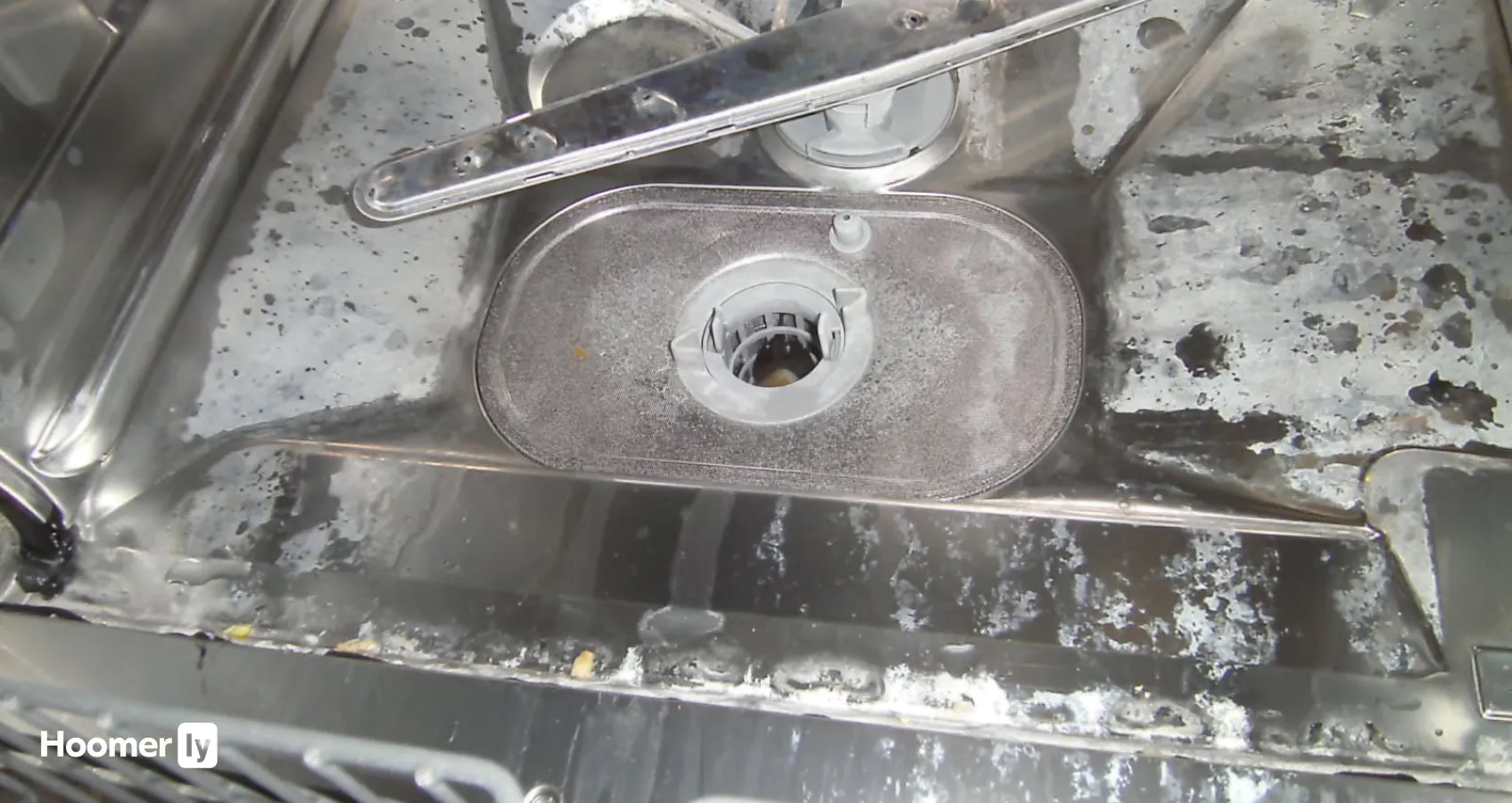
How often should I clean the filter?
Check it once a month and rinse out any food debris. If you load without scraping off caked-on food, you’ll need to clean it more often. Most filters just pop out and rinse under the tap.



Write Your Review
No reviews yet. Be the first to share your experience!