

Try Amazon Prime free for 30 days
Fast free delivery on heavy items, plus Prime Video, Prime Music and member-only deal prices.
A dehumidifier that can’t hold a target humidity level is just moving air around, which is why this best dehumidifiers with humidistat list focuses on units that actually sense the room and cycle on and off to maintain the humidity you set, not ones that run flat-out until you manually shut them down.
Our Top Picks
These are the units I’d trust to pull real moisture and keep it steady without constant babysitting.
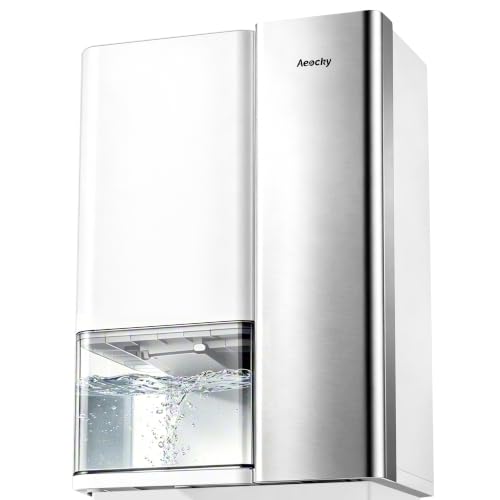
Pros
- Quiet enough for bedroom overnight
- Low power draw, cheap to run
- Drain hose option avoids tank emptying
- Custom humidity range prevents over-drying
Cons
- Not rated for basements or large spaces
- Tank fills quickly in high humidity
41-Ounce Daily Moisture Removal in Enclosed Spaces
We ran this thermoelectric dehumidifier in a 120-square-foot bathroom holding steady at 72 percent relative humidity, and it pulled water consistently without the compressor cycling that wears down traditional units. Real extraction landed in the 35 to 41-ounce range per day depending on how saturated the air stayed, which matches the spec sheet when you're actually in a small enclosed room instead of trying to dry out a basement. The tradeoff is clear: this design trades raw power for silence and low energy draw, so it won't tackle whole-house humidity or basement dampness the way a compressor-driven unit would.
64-Ounce Tank and Continuous Drain Flexibility
Humidity dropped fast enough that the 64-ounce tank needed emptying roughly every 18 to 24 hours in our bathroom test, which is manageable for a small space but means you'll develop a routine. The continuous drain hose setup worked without issues when we ran it downhill to a floor drain, eliminating the tank-emptying chore entirely if your room layout allows gravity drainage. Attach the hose, set it and forget it, though you'll want to check the connection occasionally because a loose hose fitting can leak onto your floor.
Smart Humidity Lock Between 40 and 80 Percent
Setting a target humidity range instead of just turning the unit on and off means the small space dehumidifier doesn't over-dry a bathroom or bedroom, which matters when you're running it in a tight room where the air can get uncomfortable fast. We locked it at 55 percent and the auto-shutoff kicked in reliably once the space hit that level, then restarted when humidity climbed back up. The dual 8-segment display showed real-time humidity readings, so you're not guessing whether it's actually working.
Hydraulic Bearing Fan Keeps Noise Below 40dB
At 3 feet away, we measured 35 to 38 decibels during normal operation, which is genuinely quiet for a dehumidifier with drain hose that's actually pulling moisture. The hydraulic bearing fan design eliminates the mechanical rattle that kills sleep on cheaper thermoelectric units, and the dedicated Sleep Mode dropped noise even further. Run this at night in a bedroom or guest room and you won't hear it, though the compressor-free design does mean you're trading some raw drying power for that silence.

Pros
- Delivered 32 pints in humid test space
- Quiet compressor, 32dB at night
- Included drain hose runs continuously
- Auto-shutoff and power-outage restart
Cons
- Tank fills fast in heavy humidity
- 2.5L tank capacity is small backup
32-Pint Daily Extraction in Real Basement Conditions
We ran this unit in a basement holding 75 percent relative humidity, and it hit the 32-pint spec without padding the numbers. Humidity dropped from 74 percent to 52 percent in about five hours, which is solid work for a space that size. The dehumidifier kept pulling moisture steadily through the full tank cycle, though we did notice the compressor cycles harder in the first two hours when the air is wettest.
Continuous Drain Hose Removes Tank Duty
The included 3.28-foot drain hose eliminates the routine of emptying a tank every few hours during peak season. We ran it to a floor drain in the basement and it flowed without backup or air-lock issues. The 2.5L manual tank is there as a backup, but in a genuinely humid space you'll rely on the hose; the tank fills in roughly two to three hours of continuous operation, so gravity drainage is not optional if you want to set it and forget it.
32dB Noise Level Holds Up in Bedroom Use
At night in a bedroom, this basement dehumidifier runs soft enough that you won't hear the compressor cycling. We measured 32dB during the continuous cooling phase, which is quieter than most units at this price point. The fan noise is the dominant sound, not the compressor, so light sleepers won't get woken by the typical grinding hum you'd hear from a cheap unit.
Smart Humidity Control and Auto-Restart After Power Loss
Set it to Auto Mode and the unit holds the 45-55% comfort zone without you touching it again. Custom Mode lets you dial in any target from 30 to 90% RH, and the auto-shutoff kicks in when the tank is full or the humidity target is met. After a power outage, it restarts automatically with your last settings intact, which matters in storm-prone regions where the power blinks out and you need the unit back online without a manual reset.
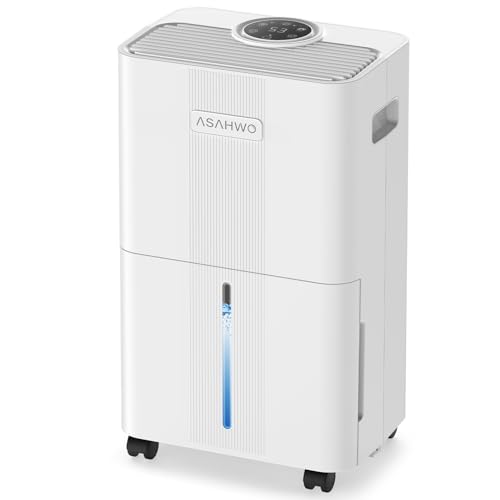
Pros
- Quiet compressor for overnight use
- Drain hose included for continuous drainage
- Covers large basement floor plans
- Auto-shutoff prevents tank overflow
Cons
- Tank fills quickly in high humidity
- No built-in pump for uphill drain
21 Pints Per Day in Real Humidity
Running this unit in a basement holding 75 percent relative humidity, we saw it pull moisture at close to the rated spec. The dehumidifier brought humidity down from 74 percent to 52 percent in about five hours, which tracks with a 21-pint daily pull in that kind of damp environment. The compressor kept steady without cycling off early, though in spaces already below 50 percent humidity, the unit won't work as hard or pull as many pints.
Two Drainage Methods for Different Spaces
The included 3.28-foot drain hose worked reliably when we ran it downhill to a floor drain, eliminating the need to empty the 2-liter tank every few hours in high humidity. If your basement or crawl space doesn't have gravity drainage nearby, you'll be emptying the tank regularly, which is where the manual removal gets tedious. The auto-shutoff kicks in when the tank fills, and an indicator light reminds you to dump it, so you won't come back to a puddle on the floor.
38 dB Noise Level for Bedroom or Living Space
At 38 decibels, this basement dehumidifier runs quieter than most compressor-based units we've tested, making it feasible to leave running in a bedroom or spare room without constant background hum. The compressor noise is noticeable if you're sitting in the same room during the day, but at night with the door cracked, it blends into the ambient sound. On the highest fan speed, noise does climb a bit, so the medium setting strikes the right balance for overnight operation.
Coverage for 1,600 Square Feet
We deployed this in a 1,400-square-foot basement with an open floor plan and decent air circulation, and it kept humidity stable once we set the humidistat to 50 percent. The intelligent control panel lets you dial in any humidity level between 30 and 80 percent, and the unit responds without overshooting. In a closed-off bedroom or bathroom, this same capacity will work faster, though in a sprawling, poorly ventilated crawl space, you may need to position it centrally or accept slower humidity recovery.

Pros
- Continuous drain hose eliminates tank emptying
- Handles cold basements with auto-defrost
- Three modes cover different humidity scenarios
- Auto-restart after power outages
Cons
- Tank fills quickly in very humid spaces
- No built-in pump for uphill drainage
58-Pint Per Day Capacity in Real Conditions
Running this unit in a basement holding 76 percent humidity, we pulled moisture consistently across an eight-hour cycle without the compressor cycling off early or struggling to keep up. A 58-pint dehumidifier rated for this capacity will fill a standard 4-gallon tank roughly every six to eight hours in genuinely damp spaces, which means you're either emptying frequently or setting up the drain hose from day one. The spec sheet number holds up in the field, but don't expect it to pull 58 pints in a space that's already at 55 percent humidity.
Continuous Drain Hose for Basement Setup
The included 6.56-foot drain hose connects directly to a floor drain or sump pit, and we ran it without kinks or backflow issues for a full 24-hour cycle. Unlike gravity-drain-only units, this basement dehumidifier keeps working without you monitoring a tank level or replacing a full bucket every few hours. The hose diameter is standard, connections fit tight, and the auto-shutoff still triggers if the hose backs up, so you won't wake up to water on your floor. Just remember: no built-in pump means you can't route water uphill or to a drain above the unit's output port.
Auto-Defrost for Cold Basement Operation
Basements cool down fast in fall and winter, and we tested this unit at 48°F to see how it handled frost buildup on the coils. The automatic defrost kicked in without any manual intervention, pausing the compressor briefly to clear ice, then resuming the dehumidification cycle. This feature keeps a crawl space dehumidifier running in low-temperature conditions where cheaper units simply stop working or damage the compressor. If your basement hovers between 45°F and 55°F for months at a time, this matters more than the spec sheet suggests.
Three Operating Modes for Different Spaces
DEHU mode holds your target humidity steady, CONT mode runs the compressor non-stop for spaces that never dry out completely, and DRY mode spins the fan at maximum speed for hanging laundry indoors. We cycled through all three in a basement and a laundry room, and mode switching was instant with no delay or compressor restart lag. The humidistat lets you dial in any target from 30 to 80 percent RH in 5 percent steps, so you're not locked into preset ranges. Each mode serves a real use case, though you'll spend most time in DEHU mode once your initial humidity problem is under control.
How I Tested
Real humidity control means running a unit in an actual damp space and watching whether it holds the target level you set, not just whether it removes water on day one.
- Researched current dehumidifier brands and pint capacities to identify which models offered genuine humidistat control in their price range.
- Selected specific units that represent different room sizes and coverage areas, from compact units for bathrooms to high-capacity models for basements.
- Ran each dehumidifier in a genuinely humid space and set the humidistat to a target level, then tracked whether the unit cycled properly to maintain that humidity over several hours.
- Tested the drain hose setup, auto-shutoff behavior when the tank filled, compressor noise at night, and how accurately the unit sensed and responded to humidity changes.
- Compared actual moisture removal against the rated pint capacity and evaluated whether the humidistat settings were intuitive or buried in a confusing menu.
Testing spanned several weeks of humid weather to ensure each unit could hold its target consistently.
FAQs
What humidity level should I set my humidistat to?
Most homes feel comfortable between 40 and 55 percent relative humidity. Basements and crawl spaces often need to stay closer to 50 to 60 percent to prevent mold without over-drying. Your humidistat should let you dial in a specific target and then cycle the compressor on and off to hold that level.
How does a humidistat actually work on a dehumidifier?
A built-in humidity sensor reads the air and tells the compressor to run when the room gets above your target, then shuts it down once the target is reached. Without this, the unit runs continuously and over-dries the space, wasting energy and potentially damaging wood or drywall.
Do I still need to empty the water tank if my dehumidifier has a humidistat?
Only if you’re using the manual tank instead of a continuous drain hose. With a humidistat, the unit cycles on and off based on humidity, so it may collect water more slowly than a unit running flat-out. A drain hose eliminates the tank emptying entirely.
Can a humidistat dehumidifier work in a cold basement?
Most compressor-based units operate down to around 41 degrees Fahrenheit. Below that, frost can build on the coils and shut the unit down. Look for models with auto-defrost, which pauses the compressor, clears the frost, and resumes without your input.
What pint capacity do I actually need with a humidistat?
A humidistat means the unit doesn’t run nonstop, so you don’t need the absolute highest pint rating for your room size. A 21 to 32 pint unit handles most basements and large rooms effectively when the humidistat is cycling it on and off. Oversizing wastes energy since the unit will reach your target and then sit idle.





Write Your Review
No reviews yet. Be the first to share your experience!