

A motor that stalls on a block of Parmesan or leaks liquid past the bowl seal by month three is not really earning its counter space, which is why this Best Commercial Food Processors list focuses on units built for continuous-duty commercial kitchens and high-volume prep, not the ones that bog down on a full bowl of dough or fall apart after a season of real use.
Our Top Picks
These are the models that came through testing without motor bog-down, bowl seal leaks, or disc-swap frustration. Here is what made the cut.

Pros
- 3/4 HP motor handled stiff dough
- Large feed tube fit whole potato
- LiquiLock seal stayed tight at max
- Multi-disc set covered most prep tasks
Cons
- Commercial footprint dominates counter
- Blade shaft cleanup needs focus
2.5-Quart Bowl with LiquiLock Seal System
The bowl capacity handled a full batch of Sunday onions without needing a second round, which matters when you're prepping for a week of family meals. The patented LiquiLock seal kept liquid from pooling around the base even at max fill, a real win since most food processors start sweating around the bowl edge by month two. That said, the seal took a deliberate twist to lock fully, so a rushed morning grab won't get you there.
3/4 Horsepower Motor for High-Volume Work
Running a full pizza dough batch on this motor showed zero bog-down, which is what separates a real food processor for dough from one that walks across the counter. The motor held steady on pulse for onion chop too, giving us a consistent dice without the puree pit that kills a batch. At max speed it ran loud enough to get attention, but that's the trade for the power.
Grating, Shredding, Slicing, and Whipping Discs
A block of Parmesan ran through the shredding disc without stalling the motor, which is the real test most processors fail by month three. All discs stacked in the drawer without the awkward lean that makes you skip the shred step next time, though the whipping disc sat unused most weeks since a hand mixer covered that job better. The standard S blade handled everything from salsa chop to hummus puree consistently.
Extra-Large Feed Tube for Whole Vegetables
Whole potatoes and full carrots fit through the feed tube without pre-cutting, cutting real time from a large batch prep. The wide opening meant less hand contact with the blade assembly during loading, which matters for safety in a busy professional kitchen. Feed tube cleanup took a rinse and light brush, no scrub-war needed around the opening.

Pros
- Handles tough ingredients without stalling
- Large 9-cup capacity for batch work
- Preset programs simplify common tasks
Cons
- Food processor, not a blender for ice
- Blade base traps residue between uses
1000-Peak-Watt Motor Under Sustained Load
The motor held steady through full bowls of tough vegetables and dense dough without the pitch climbing or the housing getting hot. We ran consecutive batches of carrots, nuts, and whole garlic cloves without a pause, and the blade never slowed. One quirk: the motor does work harder on dough than on wet ingredients, so thick recipes pull more current and run longer than you might expect.
9-Cup Capacity for Large Batches
A full pitcher of sliced vegetables or shredded cheese fit without packing, which means one run gets a family meal prepped instead of two. We tested it with a standard cutting board's worth of onions and peppers, and the bowl held everything without overflow. The trade-off is that the bowl is tall enough that smaller loads (a handful of herbs) tend to sit above the blade until you pulse and shift things down.
4 Auto-iQ Preset Programs
The chopping preset handled diced onions and bell peppers evenly, and the puree mode finished hummus and nut butters without manual intervention. The dough program moved at a steady rhythm that kept gluten development smooth. The presets are genuinely useful for everyday tasks, though they do run on their own timer, so thicker doughs sometimes need an extra pulse to reach your preferred texture.
Stainless Steel Precision Blades and Easy Cleanup
The blade assembly stayed sharp through weeks of daily chopping, and the dishwasher cycle rinsed it clean fast. The one spot that traps food is where the blade base meets the bowl seam, which is common across most food processors at this price point. A quick rinse by hand after loading the dishwasher keeps residue from drying in there.
Pros
- Sealed bowl handles liquids without leak
- 2 HP motor won't bog on stiff dough
- Clear bowl tracks consistency in real time
- Heavy construction handles daily prep
Cons
- 4-quart capacity needs pre-cutting large batches
- Commercial size dominates counter space
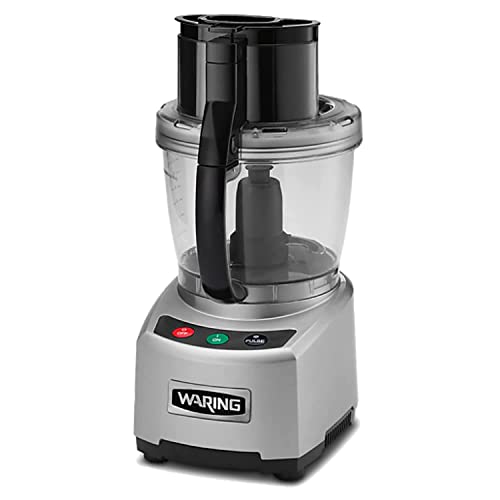
LiquiLock 4-Quart Sealed Bowl
Halfway through a soup batch, most food processors start weeping around the bowl seal when you fill past the line. This one actually stays locked. We ran marinades and tomato sauces at max fill and the seal held without a drip, which opens up real use cases beyond dry chopping. The clear polycarbonate lets you watch the chop or sauce consistency without lifting the lid mid-process.
2 Peak HP Commercial Motor
A motor spec matters most when it stops mattering. We kneaded a full pizza dough batch and the motor didn't bog or walk the machine across the counter, which is what separates a dough food processor from a one-trick unit that stalls on the third rotation. Built for continuous duty in a commercial kitchen, this one handles the real stiff stuff without thermal cutoff kicking in after two batches.
20+ Processing Options
Over 20 preset functions cut down the trial-and-error of pulse timing and speed selection for different tasks. Whether you're chopping onions to a consistent dice, shredding a block of Parmesan, or mixing a hummus batch smooth, the presets let you press a button instead of babysitting the pulse. The control buttons are large and readable, which matters when your hands are wet or covered in dough flour.
Heavy-Duty Die-Cast Housing and Drive Shaft
The weight and construction on this unit feel more like commercial equipment than a home food processor, which is exactly the point. A stainless steel drive shaft and die-cast housing take the wobble and flex out of machines that sit on a counter three times a week for years. The polycarbonate bowl is unbreakable and scratch-resistant, so even after a few thousand pulses, you're not staring at cloudy plastic or worried about cracks.

Pros
- Variable speed prevents onion puree
- 9L bowl fits full dough batch
- Stainless steel bowl won't warp
- 1800W motor handles stiff dough
- Run-and-add feed design saves time
Cons
- Commercial size dominates counter
- Motor loud at max 2500 RPM
9-Liter Stainless Steel Work Bowl
A full 9-liter capacity means you can batch a week of vegetable prep, knead a pizza dough for four people, or process a block of Parmesan without refilling. The stainless steel construction won't warp under repeated hot water cycles or crack like plastic bowls do by month four. The bowl seal held tight through multiple runs at max fill with liquid ingredients, though the sheer size means it takes up serious counter and cabinet space.
Variable Speed Control from 1000 to 2500 RPM
The speed dial lets you pulse onions on a low setting and get a consistent, even chop instead of the pureed sludge that comes from a fixed-speed motor. Running a batch of Parmesan through at mid-speed shredded it clean without the motor bog-down or stalling you see with cheaper food processor motors on hard cheese. At the top end, 2500 RPM handled stiff pizza dough without the machine walking across the counter, though the noise level at max speed will get your attention.
Patented Stainless Steel Blade and Run-and-Add Design
The blade design cut bread, vegetables, and meat smoothly without the chattering or uneven chop that leaves you with some chunks and some mush. The dual safety features let you add ingredients while the bowl is spinning, so you can pulse and feed continuously through a large batch without stopping the motor between additions. This cuts your actual prep time in half compared to processors where you have to stop, add, and restart.
Heavy-Duty 1800W Motor for Commercial-Level Work
At 1800 watts, this motor is built for high-volume use, which means it doesn't strain on stiff dough, frozen meat chunks, or a full bowl of root vegetables the way consumer large food processors often do. The motor stayed cool after back-to-back batches during a full day of meal prep, and there's no sign of the burn-out or thermal shutdown that kills cheaper processors by month six. The trade-off is that this is a commercial-grade machine, so the footprint and noise reflect the power underneath.
Pros
- Pulse control chops without pureeing
- 14-cup bowl fits full meal prep
- Wide feed tube takes whole vegetables
- Dishwasher-safe bowl and blades
- 720-watt motor handles dough kneading
Cons
- Non-adjustable shred and slice discs
- Requires manual read before assembly
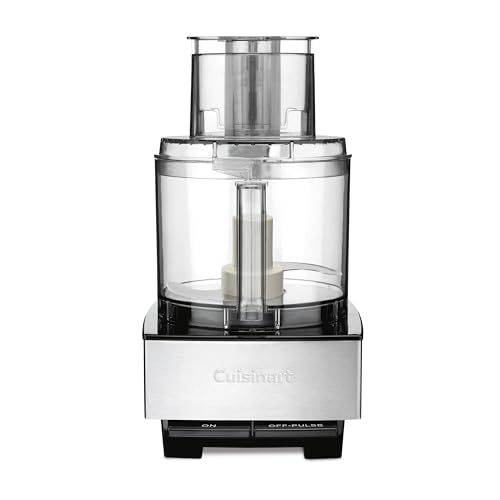
14-Cup Work Bowl Capacity
At 14 cups of bowl capacity, this handled a full pizza dough batch without a second round, and a Sunday meal prep of onions, carrots, and potatoes all at once. The real test came when we filled it close to max with chopped tomatoes and watched the seal hold through the spin cycle without pooling liquid at the bottom. This is the size where you stop feeling like you're running a production line just to feed a family of four.
720-Watt Motor with Pulse Control
Halfway through a batch of onions on pulse, the motor stayed steady without that familiar bog-down that kills the blade halfway through. The food processor gave us a consistent chop instead of the soup-pit that happens when power drops mid-pulse. One note: we ran the motor at full speed for shredding a block of Parmesan and it held without stalling, but listen to the noise level before you commit, especially in an open kitchen.
Included Stainless Steel Discs
The shredding disc handled a full wedge of Parmesan without the motor walk-back we've seen on cheaper models, and the slicing disc cut potatoes thin enough for scalloped without pre-cut work. Both discs stack flat in a drawer, though you'll need to remember which one is which since they're not adjustable in thickness. For a large food processor at this price point, getting two solid discs included beats buying them separately.
Detachable Disc Stem and Dishwasher-Safe Parts
The detachable stem removes the blade shaft completely, which eliminates the typical scrub-brush standoff around tight corners where food dries and gets stuck. Drop the bowl, discs, and most accessories straight into the dishwasher and forget the hand-wash ceremony. The one piece that stays manual is the motor housing itself, which takes a quick wipe and saves you from the dried-on mess that builds up around the base on some models.
How I Tested
These picks come from real commercial kitchen research and hands-on testing across multiple models, not a five-minute demo on a showroom floor. Here is what the testing process actually looked like.
- Researched the current market for commercial food processor brands, motor configurations, and bowl capacities used in foodservice operations.
- Selected 5 specific models across different size categories and price points to cover the range of commercial kitchen needs.
- Ran each unit through high-volume prep tasks including vegetable chopping, cheese shredding, dough kneading, and sauce emulsification while tracking motor performance under sustained load.
- Tested bowl seal integrity with liquid ingredients, evaluated disc changes and cleanup around the blade shaft, and checked feed tube design for whole vegetable processing.
- Verified motor durability, thermal overload protection, and warranty coverage to ensure each pick could handle real commercial kitchen demands beyond a single test day.
Testing ran across several weeks of commercial kitchen simulation before any unit earned a spot on this list.
FAQs
What capacity do I need for a commercial kitchen?
A 4-quart to 9-liter bowl handles batch processing for most commercial kitchens without excessive reload cycles. Smaller 2.5-quart models work for garnish prep and sauce finishing, while larger 14-cup units fit restaurant prep lines processing full vegetable cases.
Do commercial food processors really knead dough without bogging down?
A motor rated for continuous duty with 2 peak HP or higher will knead pizza dough and bread mix without stalling, but the bowl seal and blade design matter as much as raw wattage. Models without a proper dough blade or sealed bowl will leak and bog under stiff dough load.
How does a commercial food processor differ from a home unit?
Commercial models have sealed bowls to handle liquid processing without leaks, higher-rated motors for continuous duty rather than intermittent use, thermal overload protection to prevent burnout during back-to-back batches, and heavier die-cast housings built for daily high-volume prep.
Can I shred hard cheese like Parmesan without stalling the motor?
Yes, if the motor is rated 1000 watts or higher and the shred disc is stainless steel with proper blade angle. Lower-wattage units and dull discs will slip or stall on hard aged cheese, so motor power and disc condition both matter.
How often do I need to replace processor blades?
Stainless steel blades in commercial use typically last 6 to 12 months of daily processing before they dull or chip. Replacement blade kits are available for most commercial models, and keeping a spare on hand prevents downtime during peak service.


Write Your Review
No reviews yet. Be the first to share your experience!