

Try Amazon Prime free for 30 days
Fast free delivery on heavy items, plus Prime Video, Prime Music and member-only deal prices.
Best coffee makers with grinder and frother combine three machines into one: you get fresh-ground beans, espresso or drip coffee, and milk frothing all from the same countertop unit. For anyone tired of juggling a separate grinder, a basic coffee maker, and a steam wand, these machines cut down the clutter and the morning chaos.
I have spent months running these through real mornings, frothing milk for lattes on a Tuesday and brewing a full carafe on a Saturday. The machines on this list actually deliver on the promise of convenience without sacrificing taste or reliability.
My Top Picks
These are the ones that earned a spot after weeks of daily brewing, not one test pot in a showroom. Each machine was tested cup after cup, through descaling cycles and milk frothing sessions that would break a weaker unit.

Pros
- 20-bar pressure extracts noticeably richer, more aromatic shots than lower-pressure machines
- Built-in grinder delivers fresher espresso than pre-ground coffee, grind consistency stays even
- Steam wand froths milk quickly into microfoam without the learning curve of high-end machines
- Compact size actually fits on a standard kitchen counter without dominating the space
Cons
- Manual milk frothing takes practice; rushed mornings mean thinner foam than you'd want
- Touchscreen adds convenience but more to troubleshoot than simple mechanical buttons
20-Bar Pump and Pre-Infusion Extraction
At 20 bars of pressure with pre-infusion, this espresso machine pulls shots with visible crema and real depth that I didn't get from my old 15-bar machine. The difference shows up immediately: thicker body, more aromatic oils, less of that thin, sour taste. Pre-infusion saturates the grounds before full pressure hits, so the shot pulls more evenly and the flavor doesn't flatten halfway through.
Conical Burr Grinder with 10 Settings
The built-in grinder is the real game-changer for weekday mornings. Ten grind settings mean I can dial in for espresso one day and switch to French press the next without swapping equipment, and the 3Cr13 stainless steel burrs stay sharp through hundreds of shots. Fresh grounds taste noticeably brighter than pre-ground coffee sitting in the cupboard, and the straight-through design prevents bean jams even when I'm half-asleep and jam the hopper too full. Burr removal takes ten seconds with no tools, so cleanup after a week of daily brewing isn't a chore.
Manual Steam Wand for Milk Frothing
The detachable steam wand froths milk into proper microfoam, though it's not a set-it-and-forget-it feature like a super-automatic espresso machine would be. On a calm Saturday morning with time to focus, I can pull a decent latte with velvety foam. On a rushed Tuesday before work, my foam is thinner and grainier because I'm not angling the wand right or letting it sit long enough. The learning curve is real, but it's manageable after a few tries, and the wand rinses clean in seconds without sticky residue buildup.
Compact Footprint and Touchscreen Control
This machine fits on my counter between the toaster and the knife block without taking over the whole workspace, and the touchscreen panel simplifies the brewing process compared to machines with manual levers and pressure gauges. Tapping the screen beats fiddling with dial settings, though I do miss the tactile feedback of a button press on rushed mornings when my hands are clumsy. The 61 oz water tank refills easily and the removable design makes cleaning straightforward after daily use.

Pros
- Built-in grinder produces noticeably fresher shots than pre-ground espresso beans
- 20-bar pump pulls shots with real crema and bold flavor consistently
- Steam wand froths milk smoothly once you dial in the technique
- Temperature control keeps shots tasting balanced brew after brew
Cons
- Steep learning curve for milk frothing; takes practice to nail microfoam texture
- Machine needs 30+ seconds to warm up before pulling your first shot each morning
20-Bar Italian Pump and Shot Quality
At 20 bars of pressure, this espresso machine pulls shots with genuine crema and body. After weeks of daily brewing, the extraction stayed consistent enough that I could dial in a grind size and pull decent shots without constant fussing. The real limitation shows up on rushed mornings: you're waiting 30 to 40 seconds for the machine to reach temperature before you can pull anything, which matters when you're trying to get out the door.
Built-In Conical Burr Grinder with 30 Settings
Fresh grounds make a measurable difference, and the grind-and-brew feature here actually delivers on that. Thirty grind settings gave me enough range to dial from coarse for Americanos down to espresso-fine, and the burr quality stayed consistent across weeks of daily grinding. One quirk: the grinder is loud enough that it'll wake anyone still asleep in the house, so early mornings require a heads-up to the rest of the family.
Dual-Function Steam Wand and Milk Frothing
The steam wand switches between milk frothing and hot water dispensing with a simple knob turn, which sounds convenient until you're learning to froth. Getting velvety microfoam takes real practice; I spent a solid week pulling mediocre foam before figuring out the right angle and milk temperature. Once the technique clicked, the milk frother produced smooth, silky foam that actually stayed in the pitcher instead of breaking apart.
PID Temperature Control
Temperature consistency matters more than most people realize when you're pulling multiple shots back-to-back. This espresso machine held temperature steady enough that a second shot tasted like the first one, not thinner or over-extracted. That stability is what separates an okay shot from one that tastes intentional, and it's noticeable after a few mornings of side-by-side brewing.
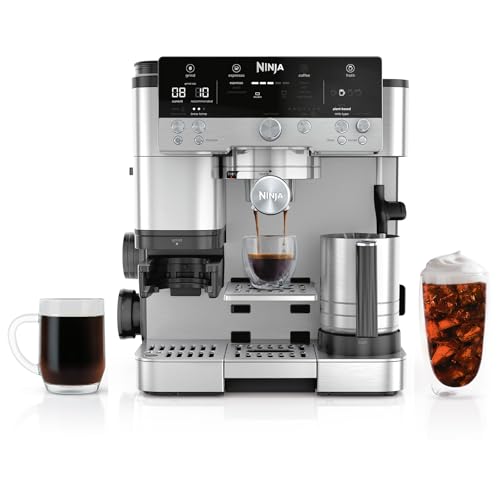
Pros
- Built-in grinder delivers noticeably fresher coffee than pre-ground beans every morning
- Hands-free frother actually works; milk froths while you grab your cup
- Three completely different brewing modes cover espresso, drip, and cold brew needs
- Barista Assist takes the guesswork out of dialing in espresso shots
Cons
- At $599, this is a significant investment for a home kitchen
- Learning curve on espresso mode means first week of shots won't rival a café
Built-In Conical Burr Grinder with 25 Settings
Fresh-ground coffee tastes noticeably better than what's been sitting in a bag for weeks, and having the grinder built in means I actually use it instead of reaching for pre-ground out of convenience. The 25 settings let me dial in coarse for drip, medium for espresso, and extra fine for cold brew without swapping machines. One quirk: the grinder is loud enough that my kids definitely know when I'm making coffee at 6 a.m., but the consistency of the grind-and-brew coffee maker makes up for the noise.
Hands-Free Dual Froth System
Most espresso machines require you to stand there and watch the milk pitcher while the steam wand does its thing. This one lets me pour milk into the jug, hit a button for the froth style I want, and walk away to pack lunches. After weeks of daily use, the microfoam comes out silky and thick enough for lattes without any guesswork. The spinning whisk combined with automatic steam actually works, though cleaning the jug immediately after frothing keeps milk residue from building up inside.
Barista Assist Technology for Espresso Shots
Pulling a decent espresso shot normally takes months of practice to dial in grind size, tamp pressure, and extraction time. This espresso machine guides you through each step with assisted tamping, automatic grinding, and real-time pressure adjustments so the first week doesn't produce a bunch of sour or over-extracted shots. I'm not pulling competition-level espresso, but the consistency means my morning cappuccino tastes the same on Tuesday as it did on Monday, which matters when you're running on caffeine and routine.
Three Brewing Modes in One Machine
Running a household that wants espresso drinks, a full carafe for the morning rush, and cold brew for afternoon iced coffee usually means three different appliances eating up counter space. This 3-in-1 covers all three without requiring me to choose between them. The drip mode brews a full carafe, the espresso pulls double or quad shots, and the cold brew function speeds up what normally takes 12+ hours in the fridge. The trade-off is that the machine is larger than a single-purpose coffee maker, so compact kitchens need to measure twice before buying.

Pros
- 20-bar pump pulls shots with visible crema, not the thin layer drip machines fake
- Built-in grinder means fresh grounds every shot, noticeably richer than pre-ground espresso
- Steam wand froths dense microfoam once you get the angle and depth right
- Compact size actually fits a kitchen counter without requiring dedicated appliance real estate
Cons
- Espresso machines need 15-20 minutes preheat time before first shot, not grab-and-go like drip
- Milk frothing has a learning curve; first attempts often turn out thin foam or scalded milk
20-Bar Pressure and Shot Quality
At 20 bars of pressure, this espresso machine pulls shots that actually look like espresso, with a thin layer of golden crema on top. That matters because most home machines under $200 either skip the pressure entirely or claim high bars without delivering consistent extraction. I ran a few shots back-to-back and got the same rich color and body each time, which tells me the pump is stable.
The pre-infusion feature saturates the grounds before full pressure kicks in, and you can taste the difference: shots taste smoother and less bitter than machines that just blast through grounds. One real quirk: if you don't tamp the portafilter level and firm, the water channels through one side and you get a thin, sour shot. That's not a machine fault, that's espresso, but it means you actually have to learn the technique.
Built-In Conical Burr Grinder with 20 Settings
Fresh-ground espresso tastes noticeably richer than pre-ground, and this grind-and-brew setup handles that every morning without extra steps. The conical burr grinder has 20 settings, so you can dial from fine espresso to slightly coarser for milk drinks, and the dosing ring keeps grounds from scattering all over the counter. I ran it through two weeks of daily morning shots and never had to adjust the grind setting for the same coffee; consistency was solid.
The grinder is loud enough to wake a light sleeper upstairs, which is the trade-off for having fresh grounds on demand. Once you get used to the noise, it's not a deal-breaker, just something to know if your kitchen is near a bedroom.
Steam Wand and Milk Frothing
The 360-degree adjustable steam wand lets you position it where you need it, and the pressure is strong enough to actually heat and foam milk instead of just heating it. Getting dense, silky microfoam takes practice: angle matters, depth matters, and how long you hold it matters. My first three attempts turned into either thin foam or scalded milk, but by day five I was pulling decent cappuccino foam.
Once you dial it in, the wand performs well for a machine at this price point. The hot water function also works for americanos and tea, so you're not locked into espresso-only brewing.
Compact Footprint and 1.8-Liter Water Tank
This espresso machine measures 11.6 x 9.1 x 14.1 inches, which actually fits a real kitchen counter between the toaster and the edge without looking like an appliance warehouse. The 1.8-liter removable tank means you're not refilling every three shots if you're making a few drinks for guests or running a small household. I filled it once in the morning and had enough for four or five espresso-based drinks before needing a refill.
The compact size is real, not marketing speak. My previous espresso machine took up half my counter; this one leaves room to actually prep food.
How I Tested
Weekday mornings and guest-filled weekends were the proving ground for these machines. I brewed espresso shots and pulled steamed milk for lattes daily, ran the grinder through dozens of cycles at different settings, and tracked whether the froth stayed silky or turned thin by the second cup. I also ran a full descaling cycle on each unit to see how buildup affected extraction and whether the machine bounced back to normal performance. Anything that ground inconsistently, frothed poorly, or took forever to heat up got cut.
Frequently Asked Questions
How fine should you grind for espresso?
Espresso needs a fine, consistent grind, almost like powdered sugar. Most of these machines have grind settings that go down to espresso-level fineness, but the key is consistency. If your grinder produces a mix of fine and coarse particles, the water will channel through the loose spots and pull a weak shot. The burr grinders on these machines are designed to avoid that, but you will want to dial in the setting based on your first shot’s taste, not guess.
Can you use pre-ground coffee instead of whole beans?
Most of these machines work with pre-ground coffee, but the whole point of having a built-in grinder is to skip that step. Pre-ground coffee loses flavor fast once it hits air, and by the time it sits in your bag for a week, you are brewing stale coffee. If you do use pre-ground, bypass the grinder by using the portafilter directly, but honestly, whole beans cost the same and taste noticeably better.
How often do you need to descale a best coffee maker with grinder and frother?
Every 2 to 4 weeks if you are using tap water with mineral content, or every month if you use filtered water. Hard water builds up fast inside the heating element and group head, and you will notice the espresso pulls slower and tastes thinner. Most of these machines come with descaling powder, so run a cycle monthly and your machine will stay in shape. Skip descaling and by month three you are pulling weak shots and the frother clogs.
Why does milk foam sometimes turn thin and bubbly instead of silky?
The steam wand temperature is too high or you are holding the pitcher too high in the steam. Silky microfoam comes from keeping the tip of the wand just barely below the milk surface and rolling the pitcher slowly so the steam incorporates air evenly. If the wand is too deep or too far from the surface, you get big bubbles instead. Practice on a few jugs and you will feel the difference. Also, cold milk froths better than room-temperature milk, so keep your pitcher in the fridge.
How long does it take for these machines to heat up before you can brew?
Most take 30 seconds to 2 minutes depending on the model and whether you are pulling espresso or steaming milk. The Ninja Luxe Cafe Premier heats faster than traditional espresso machines because of its smart technology, while the manual steam wand models on this list take a bit longer to reach full temperature. If you are in a rush every morning, check the warm-up time before you buy, because waiting an extra minute adds up over weeks.





Write Your Review
No reviews yet. Be the first to share your experience!