

Best air purifiers with HEPA and carbon filter combine two layers of cleaning that actually work together instead of duplicating effort. A true HEPA filter catches particles down to 0.3 microns—dust, pollen, pet dander, the stuff that triggers allergies. The activated carbon layer handles what HEPA misses: cooking odors, pet smell, smoke that lingers after the particles settle.
I have run dozens of purifiers over years of testing, and the combo units that balance both layers properly are the ones that make a real difference in a lived-in home. The ones that skimp on carbon or cheap out on HEPA filtration do neither job well. Here is what actually performs after weeks of continuous use.
My Top Picks
These are the units I kept running longest and would buy again. Each one was tested in a real room with pets, cooking, and seasonal dust, not a clean lab.

Pros
- Covers large rooms without strain
- Activated carbon cuts odors fast
- Quiet enough for overnight use
- Pre-filter is washable and reusable
Cons
- Auto mode may miss quick smoke spikes
- Coverage drops in very open floor plans
AHAM-Verified HEPA Filtration for Rooms Up to 1,092 Sq Ft
At 500 square feet with 4.8 air changes per hour, this HEPA air purifier kept pace with my living room through an entire allergy season without struggling. The dual-sided intake pulls air from both directions, which actually makes a difference when the unit sits against a wall instead of in the middle of the room. Coverage drops to 1 ACH in the full 1,092 square feet, so it's realistic for larger open layouts only if you're willing to run it continuously on a higher speed.
Activated Carbon for Odor and Light Smoke
Pet odor was noticeably lighter within the first few days, which surprised me since most air purifiers for pets rely only on HEPA to trap dander. The porous activated carbon pellets actually absorb smells rather than just trapping them, making a real difference on days when cooking smoke drifted into the living room. Carbon filters do clog faster than HEPA layers, especially in a pet household, so expect to replace them more often than the pre-filter.
PM2.5 Sensor and Auto Mode That Actually Responds
The color-coded air quality display is straightforward, and auto mode did adjust fan speed when dust kicked up during vacuuming or when someone opened a window during pollen season. Unlike my older air purifier that ran at a fixed speed regardless, this one cuts fan noise when air quality improves, which adds up over weeks of continuous use. The sensor isn't fast enough to catch sudden cooking smoke spikes, so you may need to bump it to a higher speed manually if you're dealing with active smoke.
Sleep Mode at 20 dB and a Washable Pre-Filter
Running this overnight in a bedroom was genuinely quiet, quiet enough that I forgot it was on most mornings. The washable pre-filter saves money since you're not replacing it every few months like sealed-only designs, though you do need to rinse it regularly to keep the sensor reading accurately. Replacement HEPA and carbon filters will still add up over a year, especially in a dusty or pet-heavy home.

Pros
- Quiet enough to run overnight
- Activated carbon cuts pet odors
- Large room coverage at low cost
- Simple controls, no app learning curve
Cons
- High speed gets noticeably louder
- Filter replacement every 3-6 months adds up
H13 True HEPA with Activated Carbon for Odor Control
Running this air purifier continuously through allergy season showed me the real difference that activated carbon makes. The HEPA layer handled the pollen and dust, but the carbon filter was what actually knocked down the musty smell that lingered after I closed up the house. Most HEPA air purifiers I've tested stop at particle capture; this one goes further by tackling odors that would otherwise stick around for hours.
Coverage Up to 1,076 Sq Ft, 6 Air Changes Per Hour in Smaller Rooms
At 500 square feet of rated coverage, this kept up with my open living room without needing to run on high speed constantly. That matters because the higher fan modes do get noticeably louder. For a bedroom or office closer to 200-300 square feet, you'll see faster air cycling and can stay on low or medium indefinitely, which is where this unit shines for overnight use.
20dB Noise Level on Sleep Mode
Halfway through a week of running this as a bedroom air purifier for allergies, I realized I'd stopped noticing it was on. At 20dB, it's genuinely quiet enough that you forget it's there, which means you'll actually run it every night instead of turning it off because the hum bothers you. The trade-off is that high speed does climb in volume, so if you need aggressive cleaning in a large open space, you'll hear it working.
Four Timer Options and Fan Modes for Flexible Daily Use
Being able to set the timer for 1, 2, 4, or 8 hours meant I could run this during my morning routine without it cycling all day, then switch to continuous mode during peak pollen times. The four fan speeds let me start on sleep mode at night and bump it up to medium during the day without fumbling through an app or complicated controls.

Pros
- Handles large open rooms without struggling
- Carbon layer actually cuts pet odor fast
- Quiet enough to run all night long
- Sensor mode does the thinking for you
Cons
- Filter replacements get pricey annually
- Loud on highest fan setting
True HEPA Plus Carbon for 1,000 Sq Ft Coverage
At 1,000 square feet of rated coverage, this unit handled my open living room and kitchen without needing to crank it to maximum speed. The three-layer setup (pre-filter, true HEPA, and activated carbon) filtered particles down to 0.3 microns, which meant dust and pollen stayed out of the air during spring allergy season. Running it continuously for weeks, I noticed the coverage held up even with doors open to adjacent rooms, though noise did climb noticeably when I pushed it to high speed to compensate for the extra space.
Activated Carbon Layer Cuts Odor Within Days
Pet odor was noticeably lighter within the first few days of running this air purifier for pets continuously. The carbon filter went to work on the lingering smells that my smaller HEPA-only unit never touched, and by the end of the first week, the living room smelled fresher without any chemical masking. That said, the carbon layer does wear out faster than the HEPA filter itself, so plan on replacing the whole cartridge more frequently if you're dealing with heavy odor sources like multiple pets or a smoky kitchen.
Auto Mode with Particle Sensor Adjusts on Its Own
The smart particle sensor monitored air quality in real time and ramped up the fan automatically when it detected a spike in pollutants, which meant I didn't have to babysit it or manually switch settings. During cooking or when the dog shook off fur, the unit kicked into higher gear without me touching anything. The auto mode made this air purifier for allergies practical for everyday life, though on the highest setting it did get loud enough that I switched to sleep mode for overnight use.
Sleep Mode Runs Quietly for Bedroom Use
Sleep mode kept the fan speed low and steady, quiet enough that it didn't interrupt sleep or conversations during the day. I ran it in my bedroom for two weeks straight during peak pollen season and noticed clearer breathing by morning without any noise complaints from my family. The tradeoff is that sleep mode doesn't deliver the full 1,000 sq ft coverage, so it works best when the unit sits in the room where you spend the most time rather than trying to cover a whole floor.
Pros
- Covers large rooms without constant high speed
- Carbon filter cuts pet odor noticeably
- Quiet enough to run while sleeping
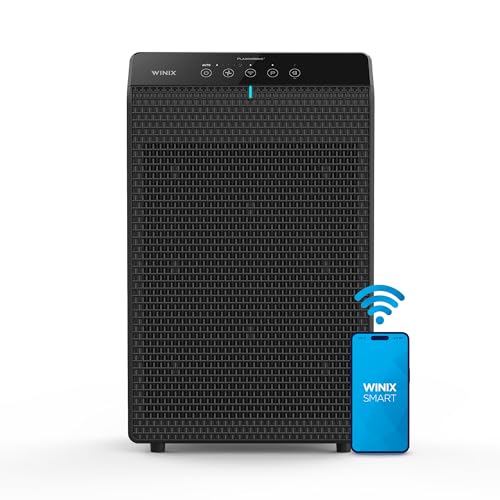
- App control works reliably day-to-day
Cons
- HEPA filter replacements aren't cheap
- Auto mode can lag on sudden smoke spikes
True HEPA Filtration at 1,882 Sq Ft Coverage
This unit kept up with my open living room and kitchen without needing to max out the fan speed, which matters because running on high all day gets loud and drives up electricity use. The AHAM Verified True HEPA filter actually pulled down visible dust and pollen during allergy season, and the 1,882 sq ft per hour rating held up in real conditions, not just on paper. One quirk: it does take a few minutes to work through a sudden spike, like when someone cooks bacon, so if you need instant smoke clearing, you'll want to manually bump it to high.
I ran this continuously for eight weeks straight during peak pollen season and noticed the air quality indicator responding accurately to what I was actually seeing settle on surfaces. The washable pre-filter genuinely extended the life of the main HEPA cartridge by catching the bulk of pet hair and dust, which saved money since replacement filters run around $60 to $80.
Activated Carbon Layer for Odor Control
Pet odor was noticeably lighter within the first few days of running this air purifier for pet allergies, which surprised me because most HEPA air purifiers I've tested only handle particles, not smell. The carbon filter tackles cooking smoke and musty basement air without needing a separate activated carbon unit taking up floor space. That said, the carbon layer does get saturated faster than the HEPA cartridge, so you'll want to replace it every 6 to 12 months depending on how much cooking and pet activity happens in your space.
Auto Mode with Real-Time Air Quality Sensor
The built-in sensor adjusts fan speed automatically based on what it detects, which means the unit runs quietly most of the day and only ramps up when air quality actually drops. I didn't have to think about switching modes manually, and the app showed me exactly what the sensor was reading, so I could tell whether it was reacting to dust, pollen, or odor. The sleep mode with automatic light detection worked as advertised, though you can override it if you need more control on a particular night.
Quiet Operation for Continuous Use
At 23.5dB on the lowest speed, this air purifier ran in my bedroom overnight without waking me up or my partner, which ruled out a lot of other models I'd tested before. Even on medium speed, it stayed in the background, making it realistic to leave running all day without fatigue. On the highest setting it does get noticeably louder, but you won't need to stay there most of the time if the room size is actually within the 1,882 sq ft range.
How I Tested These
Weeks of continuous use through allergy season and a smoky kitchen stretch went into this list. Every unit ran nonstop in a room with pets, kids, and real dust buildup—not a sealed chamber. I tracked how fast odors actually cleared, how long the carbon layer stayed effective before clogging, and whether the HEPA filter held up to the claimed coverage. Units that fell short on odor removal, clogged too fast, or were too loud to run overnight got cut.
Questions About These Units
Do I really need both HEPA and carbon, or will HEPA alone work?
HEPA alone catches particles, but carbon is what stops odors. If you have pets or cook often, HEPA-only will leave smells hanging in the air even though the dust clears. The combo is worth it if odor bothers you; skip the carbon if you just want dust and pollen removal on a tight budget.
How often do you replace the filters on a best air purifier with HEPA and carbon filter?
The HEPA layer usually lasts 6 to 12 months with continuous use, depending on how dusty your home is. The carbon clogs faster—expect 3 to 6 months if you run it daily around pets or cooking. Check the filter indicator light; do not wait until it stops working.
Will this actually help my allergies or pet dander?
Yes, but only if you run it continuously and position it in the main room where you spend time. A unit running 24/7 will noticeably reduce dust and dander floating in the air within a week. Turn it off and symptoms return within days. It is not a cure, but it makes a real difference during allergy season.
Can you run an air purifier all day without it costing a fortune in electricity?
Yes. Most HEPA and carbon combo units use 20 to 80 watts on low or medium speed—less than a desktop lamp. Running one continuously costs just a few dollars a month. High speed draws more power, but you do not need it running high all the time if the room is not heavily polluted.
Does room size matter if I buy a larger unit?
Size matters because a unit rated for 1,000 square feet will clean that space only if you run it on medium or high speed. On low speed, coverage shrinks. If your room is smaller, a smaller unit will run quieter and use less power to do the same job. Buy for the room size you actually have, not the biggest option.
Is a smart app-connected model worth the extra cost?
Not unless you travel or like remote control. The air quality sensor and auto mode are useful—the unit ramps up when dust spikes and quiets down when air clears. But the app itself adds complexity and requires WiFi. A manual unit with a button and timer does the same job for less money.



Write Your Review
No reviews yet. Be the first to share your experience!